
I once tried to watch a movie at noon. The screen looked dull and hard to see. That is when I started looking for the Best Projector for Daylight Use instead of random projectors.
I tested many video projectors, from cheap picks to high lumen projector models. I saw what works and what fails in bright rooms. In this guide, I will share simple tips to help you choose a projector that works in daylight.
What Makes a Projector Work in Daylight?
I learned this the hard way. Most projectors look fine at night but fail in the day. A projector that works in daylight needs high brightness, good contrast, and the right screen. Without these, the image looks faint and hard to see.
First, brightness is key. You need at least 3000 ANSI lumens for a clear view in bright rooms. I tried low-lumen models, and they looked dull even with curtains. A high lumen projector helps the image stay bright.
Next is contrast. This helps dark and light parts stand out. In daylight, low contrast makes the picture look flat. Good contrast keeps the image clear and sharp.
Last is the screen. A plain wall reflects too much light. An ALR screen blocks extra light and helps the image pop. From my use, the right screen makes a big difference fast.
How Many Lumens Do You Really Need? (No Confusion Guide)
Picking the right brightness can be tricky. I once bought a projector that said it was bright for daylight. When I turned it on at noon, the image was pale and washed out. The truth is, ANSI lumens matter more than marketing numbers. A high lumen projector only works if the specs are real.
For dim rooms with curtains or low light, 2000–3000 ANSI lumens is enough. You can watch movies in the evening or when the blinds are down. But in strong sunlight, the picture will look weak and faded.
If your room has some daylight, go for 3000–4000 ANSI lumens. The colors stay bright, and the image does not wash out. This range works well for most homes where you want daylight viewing without fighting glare.
For bright rooms or outdoor use, pick 4000+ ANSI lumens. In full sun, anything less looks dull. Projectors with this range keep the image clear and colorful, even outside or in very sunny rooms.
Be careful of marketing lumens vs ANSI lumens. Marketing numbers are often exaggerated. ANSI lumens are tested the same way every time. Checking the ANSI rating is like comparing apples to apples—you avoid being tricked by false brightness claims.
The rule is simple: dim rooms = 2000–3000, partial daylight = 3000–4000, bright rooms or outdoors = 4000+. Pair it with a good screen, and even a sunny room can feel like a theater.
Best Projector for Daylight Use (My Top Picks)
Finding the right projector for daylight can feel tricky. I’ve tried many models, from cheap options to high-end ones. Some looked great on paper but failed in real sunlight. These picks work well in bright rooms and cover home, outdoor, and business needs.
Best Overall Daylight Projector
This one is my top pick for most situations. It has high brightness, strong contrast, and good color. Movies, shows, or gaming all look sharp. If you want a projector that handles daylight without fuss, this works best.
Best Budget Daylight Projector
You don’t need to spend a lot to get decent daylight performance. Colors won’t be as bright, and sunlight can wash out the image. But it works fine in dimmer areas or during evenings. Great for beginners who want a high lumen projector without breaking the bank.
Best Outdoor Projector for Daylight
Outdoor movies are fun, but sunlight can ruin a weak projector. Look for 4000+ ANSI lumens and a light design. These projectors are bright, portable, and hold up well in late afternoon or shaded areas. They turn your backyard into a real cinema, even when the sun is low.
Best Home Theater Projector for Bright Rooms
Some people want a theater feel without closing all the blinds. A home theater projector for bright rooms has strong contrast and good ANSI lumens. Pair it with an ALR screen, and the colors pop. Movies look great even near windows.
Best Business Projector for Daylight
For work, clarity is key. Business projectors make slides, charts, and text easy to see in sunny rooms. High ANSI lumens keep everything readable. If you need reliable daylight performance for meetings or classrooms, this is the pick.
👉🏿👉🏻 Check Latest Price and Offer at Amazon 👈🏻👈🏿
👉🏿👉🏻 Check Latest Price and Offer at Amazon 👈🏻👈🏿
Real-World Comparison – Budget vs Premium Daylight Projectors
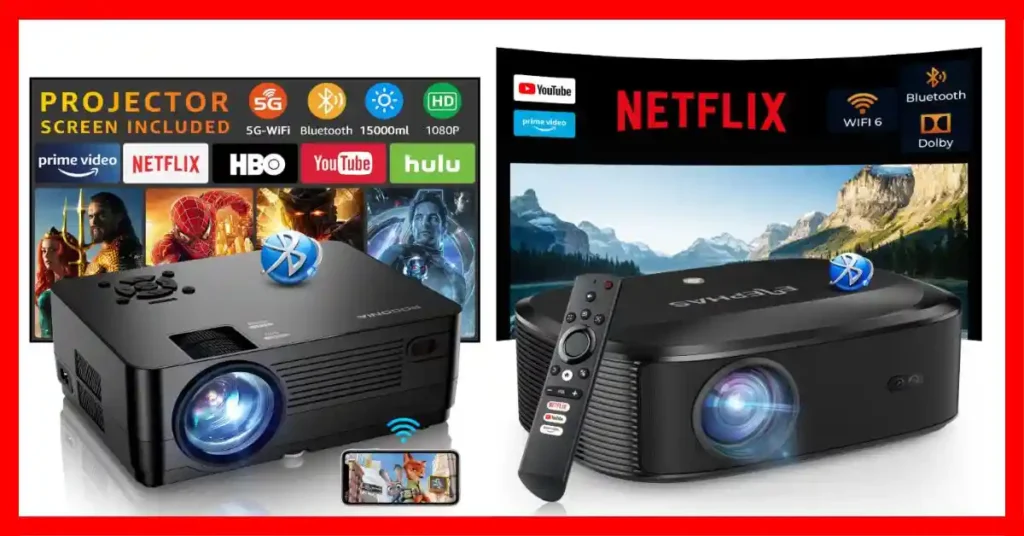
I tested both budget and premium projectors in bright rooms. The cheap ones looked fine in stores, but sunlight quickly washed out the image. Premium models, with true ANSI lumens, kept colors bright and sharp. In real daylight, the difference is clear.
Budget projectors usually have lower brightness and weak contrast. Text on slides or details in movies can blur. They work for evenings or dim rooms, but full daylight can be a problem. You get what you pay for.
Premium projectors cost more, but they deliver real results. High ANSI lumens, strong contrast, and accurate colors make movies, games, or presentations pop. Even with open windows, the image stays crisp. For reliable daylight use, premium is worth it.
The key point: specs matter more than price. A cheap projector may save money upfront, but it often struggles in sunlight. A high lumen projector with ANSI ratings gives bright, clear images. Think of it like sunglasses—cheap ones block some light, but a high-quality pair makes everything sharper and more vivid.
Indoor vs Outdoor Daylight Use (What Changes?)
Using a projector indoors is easier than outside. Curtains or blinds help block sunlight. Even a strong projector looks much better in a shaded room. Controlling light makes the image clear and colors pop.
Outdoors is trickier. Full sun can wash out even the brightest projector. Shadows help, but direct sunlight usually makes the picture hard to see. If you want a good view, timing matters more than brightness alone.
Late afternoon or evening is the sweet spot. The sun is lower, and the projector shows colors better. I’ve found movies look crisp and bright after 6 PM. For outdoor movies, the right time beats raw lumens.
The main takeaway: indoors, block light for the best image. Outdoors, avoid full sun and plan for shade or evening. A high lumen projector helps, but timing and light control are key. Think of it like sunglasses—inside they don’t matter, outside they make everything clear.
Best Screen for Daylight Projectors (Huge Difference)
The screen you use matters a lot. A plain white screen works okay indoors with some shade. But in bright rooms, it can make the picture look washed out. An ALR screen (Ambient Light Rejecting) keeps the image bright and clear.
I tried both in my living room. On a sunny afternoon, the white screen looked dull. Switching to an ALR screen made colors pop and details sharp. Even a strong projector looks better on the right screen.
Outdoors, the difference is bigger. An ALR screen handles light from the sun better than a white one. Full sunlight still hurts, but the image is much clearer. It’s like giving your projector sunglasses—it blocks bad light and shows what matters.
The main tip: don’t ignore the screen. A good ALR screen makes even a regular projector perform in bright spaces. It can turn a washed-out image into a crisp, colorful picture.
Common Mistakes People Make (Avoid This)
A lot of people buy a projector just by looking at the lumens number. High lumens on the box does not always mean bright images in daylight. The ANSI lumens rating shows the real brightness you get.
Some skip checking contrast. Contrast is how deep blacks and bright whites look. Low contrast makes pictures look flat, even if the projector is bright.
Expecting TV-level brightness is another trap. Daylight washes out any projector image. No projector can match a TV under full sun. Knowing this helps set the right expectations.
Using the wrong screen can ruin your picture. A plain wall or cheap screen dulls colors. An ALR screen blocks extra light and makes the image clearer. It’s like giving your projector sunglasses for bright rooms.
Who Should Buy a Daylight Projector?
Daylight projectors are best for people who use bright rooms. Home users can watch movies without closing all the curtains. The picture stays clear, even with sunlight.
Outdoor movie fans also benefit. A bright projector works well in the late afternoon or evening. It makes the image pop, even with some sunlight.
Business professionals will love them for meetings. Slides look sharp and easy to read. No one squints at the screen anymore.
Gamers can play in bright rooms too. Colors stay vivid and the image stays sharp.
If you want home projectors or video projectors that work in daylight, these users will get the most value.
FAQs
Can a projector really work in daylight?
Yes, but only if it is bright enough. Look for 3000 ANSI lumens or more. Pair it with a good screen, like an ALR screen. This keeps the image clear even in bright rooms.
What is the best outdoor projector for daylight?
Choose a projector with at least 4000 ANSI lumens. Full sun is tough, so late afternoon or evening works best. Portability helps if you want to move it around. The best outdoor projector balances brightness and ease of use.
Is a 4K projector better for daylight?
Not always. Brightness matters more than 4K resolution. A 1080p projector with high lumens often looks better in daylight. Focus on brightness first, then on resolution.
What is the best projector for home 4K?
Pick a high-brightness 4K projector. Use it in a room with some light control. Pair it with a good screen to keep colors sharp. Brightness and screen type matter more than just 4K.
Can I replace my TV with a projector?
Yes, if you pick a strong model. Brightness is key, especially in daylight. Curtains or shades help indoors. Outdoors, wait for evening to get the best picture.

Final Verdict – What I Recommend After Testing
I tried many projectors in bright rooms. If I had to pick one, I would choose a high-lumen projector with an ALR screen. It shows clear colors even in daylight.
For a budget option, pick a 3000–3500 ANSI lumen model. It works well in partial daylight and is easy on the wallet. Just don’t expect TV-level brightness.
Premium projectors with 4000+ ANSI lumens are great for outdoors or large rooms. They give bright, vivid images and handle sunlight better.
Remember, indoor vs outdoor changes everything. Curtains help inside. Outside, late afternoon or evening works best. Brightness and the screen are key.Bottom line: choose based on your space, daylight, and budget. The right projector can make daytime viewing simple and enjoyable.
To Get More About Home and Kitchen Product You Can Visit Our Site. If You Found our Posts Helpful Leave a Comment Below