
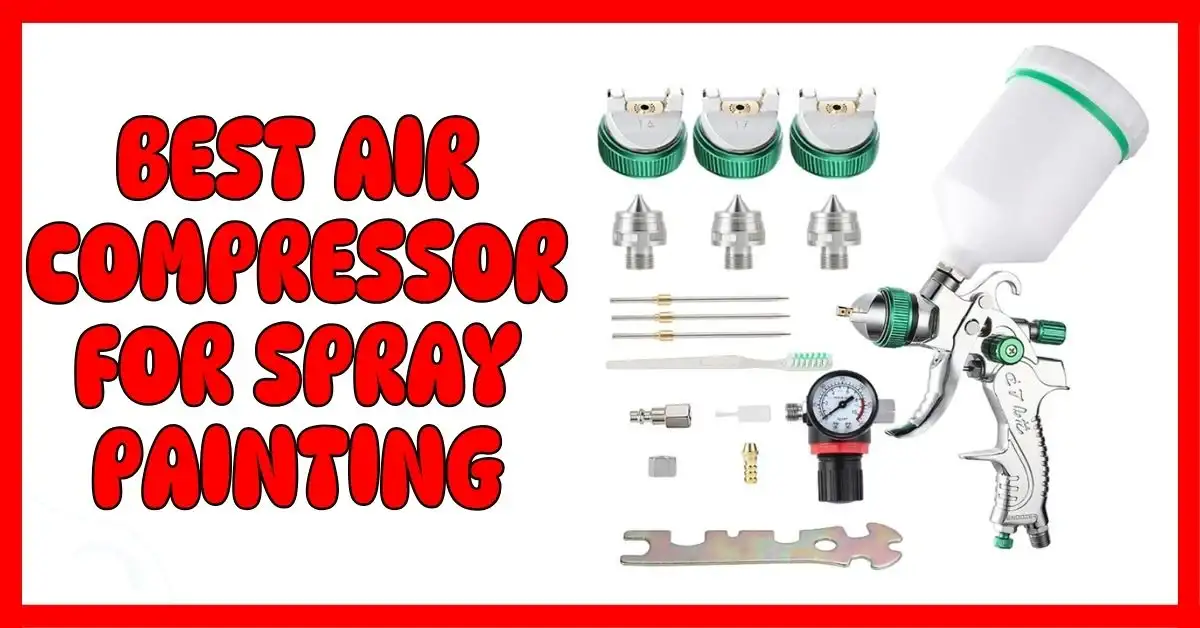
I once thought any compressor could spray paint. I was wrong. One bad job taught me fast. That lesson showed me what the Best Air Compressor for Spray Painting really is.
This guide is for USA DIYers and home painters. I share real use, real mistakes, and clear tips. You will learn how to pick the right air compressor for painting and get smooth results with less stress.
What Makes an Air Compressor Good for Spray Painting?
Spray painting needs smooth, steady air. A quick blast of air will ruin the finish. I learned this the hard way. I used my nail-gun compressor once, and the paint came out blotchy. Spray guns need constant airflow to work right.
Airflow (CFM) Controls the Paint
CFM is how much air the compressor can push. If it drops, the paint sputters. My first compressor could not keep up with the gun. The spray pattern was uneven. Always pick a compressor with more CFM than your gun needs.
Tank Size Keeps Pressure Stable
The tank holds air like a buffer. Small tanks run out fast. That makes the spray pulse. I tried a tiny tank once, and the paint jumped every few seconds. A bigger tank keeps the air steady and the finish smooth.
PSI Matters Less Than You Think
High PSI looks good on paper. But spray guns do not need a lot. What matters is steady pressure. I’ve seen 150 PSI compressors fail because the CFM was too low. Focus on airflow first, not PSI.
Duty Cycle Shows How Long It Can Run
Painting pushes compressors more than tools like nail guns. A low duty cycle means it will overheat fast. My compressor shut down mid-panel once. That ruined the finish. Choose one with a high duty cycle. It can run longer without stopping.
Noise Level Affects Comfort
Painting takes time. A loud compressor is tiring. I ended a job early once because the noise was unbearable. Quieter oil-free models make the work easier. Noise does not change the paint, but it affects your focus and patience.
Beginner Mistake Almost Everyone Makes
Most beginners buy by PSI or price alone. I did too. They forget airflow, tank size, and duty cycle. A good compressor for painting must give steady air. Once you know this, picking the right one is simple.
What Size Air Compressor Do I Need for Spray Painting?
The right compressor size makes spray painting much easier. Too small, and the air sputters. I learned this the hard way when my tiny compressor ruined a car door. Spray painting needs steady airflow, not just high pressure.
CFM Explained in Simple Terms
CFM is how much air the compressor gives per minute. For spray painting, CFM matters more than PSI. My first compressor had high PSI but low CFM. The gun kept spitting paint. Steady airflow keeps the paint smooth. Always check the gun’s CFM needs, then pick a compressor that gives more.
Tank Size Breakdown (Mini to Large)
The tank is the air buffer. Mini compressors work for touch-ups or airbrushes. A 50L (13 gallons) tank can handle most car panels, but you might wait for it to refill. A 100L (26 gallons) tank sprays longer without pausing. Bigger tanks mean smoother, calmer air.
Choosing the right size is about your project. Small compressors are fine for walls, small furniture, or airbrush work. Cars and big jobs need more CFM and a bigger tank. Picking too small will waste paint and time.
Best Air Compressor for Spray Painting Cars (Real-World Picks)
Spray painting a car needs steady air. Not every compressor works well. I learned this the hard way when my first car paint job went blotchy. The right compressor keeps the spray smooth and even.
Best Overall Air Compressor for Spray Painting Cars
The best overall compressor delivers steady air and has a big tank. It keeps pressure constant and does not overheat. I used it to paint a full sedan. The finish came out smooth. Pros: reliable airflow, quiet for a home garage, and long runtime. Cons: bigger and costs more than small units.
Best Budget Option for Car Painting
Smaller compressors can work for small projects. A 50L tank can handle a few panels or touch-ups. I tried a budget compressor. The spray pattern pulsed on large panels. Best for beginners or small jobs. Not ideal for full cars.
Minimum Size Air Compressor for Painting a Car
For single panels or touch-ups, a mini compressor can sometimes work. For full panels, smaller than 50L is risky. I tried a tiny unit on a car door. It ran out mid-spray and left streaks. For smooth, even coats, use at least a 50L tank with enough CFM.
Picking the right compressor is about airflow, tank size, and duty cycle. Don’t buy based on PSI or price alone. The right size saves paint, time, and frustration.
👉🏿👉🏻 Check Latest Price and Offer at Amazon 👈🏻👈🏿
👉🏿👉🏻 Check Latest Price and Offer at Amazon 👈🏻👈🏿
👉🏿👉🏻 Check Latest Price and Offer at Amazon 👈🏻👈🏿
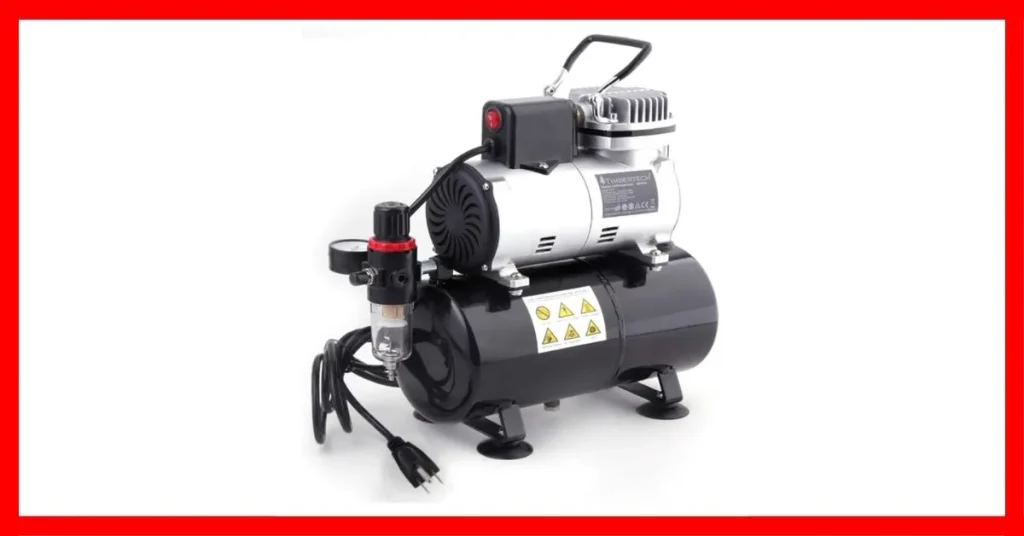
Best Air Compressor for Painting Walls & Home Projects
Painting walls is not the same as painting cars. You don’t need very high pressure or a huge tank. You need steady airflow and enough air to cover the wall without stopping. I learned this when I tried a car compressor on a room wall—it kept pausing, and the paint streaked.
Roller vs Sprayer Reality Check
Rollers do not need a compressor at all. But sprayers need steady air to work right. Small wall sprayers use much less air than car spray guns. I tried a big car compressor on a small sprayer once. It worked, but it was noisy and overkill.
Recommended Tank Size and CFM
For walls, a 30–50L tank (8–13 gallons) works well. Most home sprayers need about 4–6 CFM at 40 PSI. I used a 50L tank for a 12×12 room. I barely had to pause for the compressor to catch up. Bigger tanks help for large walls, but they are not required.
Personal Wall-Painting Insight
Small compressors are fine for doors, furniture, and small rooms. For large walls, a bigger tank makes spraying easier. Noise matters too—loud compressors make the work tiring. I now use a quiet mid-size compressor for home projects. It keeps the paint smooth and my ears happy.
Mini Air Compressor for Painting – When Does It Actually Work?
Mini air compressors are small and easy to move. They are cheap, too. But they have limits. I learned this the hard way when my tiny unit ran out mid-spray and left streaks on a car door.
What Mini Compressors Can Handle
Mini compressors work for airbrushes and small touch-ups. They can run tiny spray guns for short sessions. I used one on a small cabinet once. It was smooth, fast, and easy.
What They Absolutely Cannot
Mini compressors cannot handle full car panels or large walls. The tank is too small, and airflow drops quickly. I tried painting a car hood with a mini. It was uneven and frustrating.
Airbrush vs Spray Gun Difference
Airbrushes need very little air and are perfect for mini compressors. Spray guns need steady airflow and bigger tanks. If you use a mini for a spray gun, expect pauses and streaks. Match the tool to the compressor for smooth results.
Air Compressor Spray Gun Kit – Buy Separate or Together?
Spray gun kits seem easy. They include a gun, hose, and sometimes a small tank. They save setup time for beginners. I learned that cheap kits can cause problems. One kit I tried had a small hose that clogged quickly.
Pros of Bundled Kits
Bundled kits are convenient. You get a gun and compressor parts in one box. For small jobs, they work well. I painted a chair with a kit once. It was ready to use right away.
Cons of Cheap Kits
Cheap kits can be low quality. The gun might leak, or the tank may be tiny. I used a budget kit on a cabinet. Paint flow was uneven, and I had to stop often.
Real Compatibility Advice
Check that the kit matches your compressor. Small compressors may not keep up with big guns. I paired a mini compressor with a large kit once. It stalled, and the paint streaked badly.
When Kits Make Sense for Beginners
Kits are good for doors, small furniture, and touch-ups. They reduce setup stress. For large projects or cars, separate tools are better. I now use kits for small jobs, but choose quality separate tools for bigger ones.
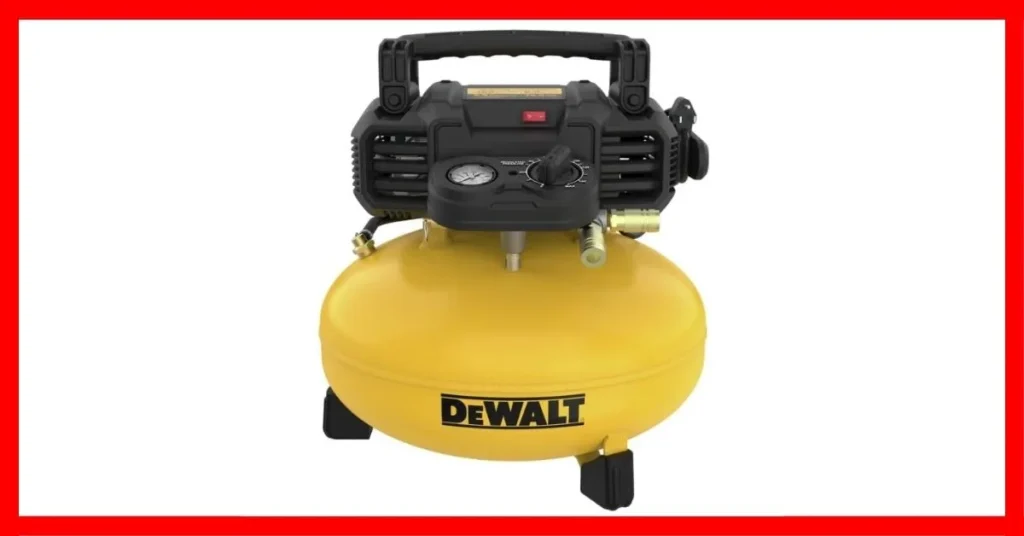
100L Air Compressor – Who Really Needs One?
A 100L air compressor is large and powerful. It can run a spray gun for hours without stopping. If you paint cars, big furniture, or walls often, it works great. I use one in my garage for full car jobs, and it keeps the paint flow steady the whole time.
Not everyone needs this size. For small projects, like touch-ups or small crafts, it is too big. I once tried using a 100L compressor for a small chair—it was awkward and noisy. It also takes up space in your garage or workshop.
Space and noise matter. A 100L tank is heavy and needs a fixed spot. My compressor corner works, but I had to move other tools. Noise is louder than smaller units. I wear ear protection during long jobs.
Think about your work. Big jobs often? A 100L saves time and stress. Small, occasional projects? A 50L or mini compressor is easier to handle. I learned that bigger is not always better for small jobs.
Common Spray Painting Mistakes (I Learned the Hard Way)
One big mistake is buying a compressor just for PSI. I thought higher PSI meant perfect paint. It didn’t. My first car paint job had streaks and drips. Quick tip: PSI alone won’t give smooth paint; CFM matters too.
Ignoring duty cycle is another trap. Some compressors overheat if you run them too long. I learned this when mine shut off in the middle of painting. Quick tip: Always check the duty cycle to avoid stops and damage.
Using the wrong hose size can ruin results. A hose too narrow makes the spray sputter. Too long, and airflow drops. I wasted a full door panel learning this. Quick tip: Use the right hose for your spray gun.
Moisture in the line is sneaky. Water spots or bubbles can appear on your paint. I had this happen on a car door once. Quick tip: Always use a moisture trap or dryer for clean paint.
Running a small compressor too long causes overheating. It gets hot fast and may stop mid-job. I had to wait for it to cool several times. Quick tip: Match compressor size to your painting job.
Quick Comparison Table (Snippet-Friendly)
Here is the short answer first. The best air compressor depends on what you paint and how long you spray.
I learned this the hard way. I tried one small compressor for everything. It failed fast.
Below is a simple table. It shows what really works in real life.
Quick Comparison: Air Compressor Needs by Job Type
| Job Type | Ideal CFM | Tank Size | Works Well? | Real-World Truth |
| Car painting | 10–14 CFM | 60–100L (15–26 gal) | Yes | Needs steady air. Small units quit mid-panel. |
| Wall painting | 6–10 CFM | 40–60L (10–15 gal) | Yes | Works well. Go slow for even coats. |
| Furniture | 4–6 CFM | 25–50L (6–13 gal) | Yes | Easy jobs. Very forgiving. |
| Airbrush | 1–3 CFM | 5–20L (1–5 gal) | Yes | Fine detail only. Slow but clean. |
| Beginner use | 4–6 CFM | 25–50L (6–13 gal) | Limited | Great to learn. You outgrow it fast. |
| Advanced use | 10+ CFM | 60–100L+ | Best | Smooth spray. Less stress. |
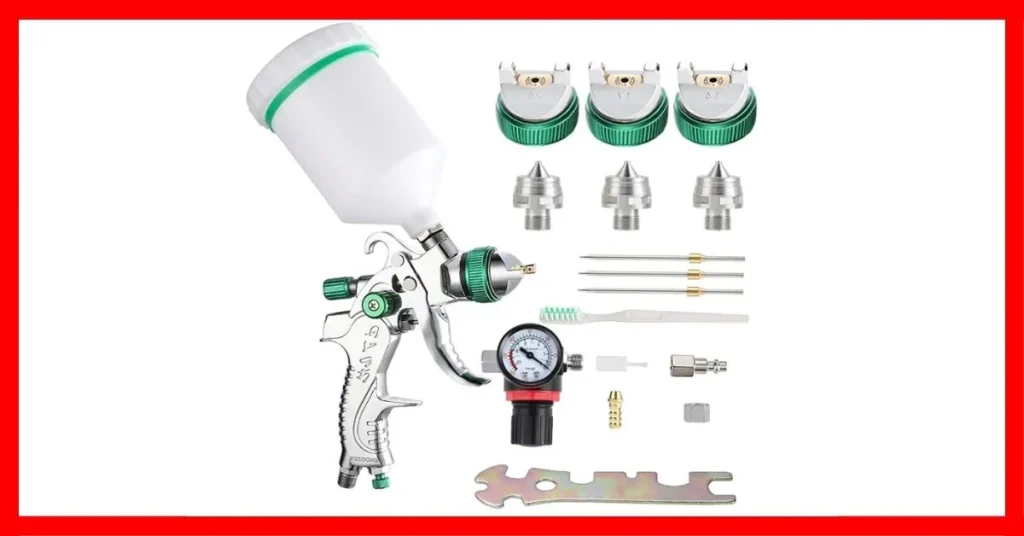
FAQs – Best Air Compressor for Spray Painting
What is the best air compressor for spray painting cars?
The best compressor is one that gives steady airflow. PSI alone won’t do it. I learned this the hard way when my first job had drips. Look for CFM at your spray gun’s PSI. That’s the quick rule to avoid streaks and uneven coats.
Is a 50L compressor enough for spraying?
Yes, for small jobs or one car, a 50L tank can work. But it depends on your spray gun. I tried a 50L on a bigger SUV. It ran out of air quickly and paused mid-coat. Tip: 50L is fine for touch-ups, not big projects.
What size air compressor do I need for spray painting?
You need one that matches your gun’s CFM and PSI. Mini compressors struggle with full-size cars. I learned this when I tried painting a door with a tiny unit. It sputtered and gave uneven paint. Always match airflow to the spray gun.
Can I paint a car with a small compressor?
Technically, yes, but it will be slow. I painted a small hatchback with a mini compressor once. It took forever and the finish was rough. Tip: Small units are best for airbrushes or spot repair, not full panels.
Is a mini air compressor good for painting?
Mini compressors are handy for craft or airbrush work. They cannot handle a big spray gun or a whole car. I made this mistake trying to paint a fender with a mini. It sputtered constantly. Quick answer: Perfect for small projects, not cars.
How loud is too loud for home use?
Most compressors are noisy. Over 70 dB can be annoying indoors. My neighbor once complained when I painted in the garage. Tip: Check noise specs and use ear protection if needed.

Final Verdict – Best Air Compressor for Spray Painting (USA Buyers)
Choosing the right air compressor makes all the difference. The best air compressor for spray painting for USA buyers is one that matches your spray gun’s airflow. PSI alone does not tell the full story. I learned this when my first car paint job came out streaky because my compressor could not keep up. A compressor with enough CFM keeps paint smooth and even.
For small projects like painting walls or furniture, a 50L tank is enough. It runs long enough to finish most DIY jobs without stopping. I used one on a weekend project, and it worked perfectly. For painting cars or doing bigger jobs often, a 100L or larger tank is better. Mini compressors just don’t hold enough air. I tried one on my SUV once, and it sputtered nonstop.
Noise and space matter too. Check the decibels if you live near neighbors. My old 70 dB compressor earned a warning from my neighbor once. Also, make sure your garage can fit the tank and let it run safely. Bigger units need a bit of breathing room.The main tip is simple: pick a compressor based on airflow and tank size, not hype or PSI numbers. The right choice makes every paint job faster, smoother, and less stressful. Even if you are a weekend DIYer, this will save time and frustration.
To Get More About Sports & Outdoors Product You Can Visit Our Site. If You Found our Posts Helpful Leave a Comment Below