

I learned how to choose LED headlight bulbs the hard way. My old lights were dim, and each drive at night felt tense. I wanted bright lights that were safe and easy to use. So I tested many sets and found what works in real life. Now I want to share these simple tips with you. Let’s make your next drive clear and calm.
What to Look For When Choosing LED Headlight Bulbs
When you pick LED headlight bulbs, start with the things that help you see the road with ease. The key idea is simple. Choose bulbs that are bright, clean, and safe. This is what gives you the best LED headlights for real use.
The first thing to check is brightness. Look for a bulb with light that is clear, not harsh. A good range is six to ten thousand lumens per pair. More light is not always best. Too much light can give you glare and make signs hard to see. The quick tip is this: pick the light that feels smooth, not sharp.
Next, look at the beam pattern. This is the part that shapes how you see at night. A good beam has a clean line at the top and no dark dips. If the beam is wild, the road will look dim. I had a cheap set once. It lit up trees but left the road dark. So the short answer here is to pick the bulb that makes a neat and even beam.
Then check the bulb size. Your car fits one size only. It may be H11, H4, 9005, 9006, or 9012. If you pick the wrong size, it will not click in place. I made that mistake once and had to drive home with old lights. The easy rule is this: look up your car’s size before you buy.
Now think about cooling. LEDs make heat. Heat kills the chip. Some bulbs use a fan. Some use a metal sink. The fast tip is simple. Pick a bulb with strong heat control so the light stays bright for a long time.
Look at the chips and tech too. Good chips make a clean and sharp beam. They help you see more of the road with less glare. CSP chips work well and fit close to the stock light point. My test sets with CSP chips gave the best shape and focus.
Some cars need CANbus so you do not get dash errors or flicker. I had a car that blinked a warning light until I used a decoder. The quick tip here is to check if your car is picky. If it is, get a bulb with CANbus built in.
Check waterproofing and build as well. Look for IP67 or IP68. This keeps out dust and rain. A strong metal body helps the bulb last for years. The short rule is this: tight seals mean long life.
Last, think about price and value. High cost does not mean the best light. I have used mid-range sets that beat the top ones. The simple tip is to judge the bulb by how it lights the road, not by its price tag.
Step 1 – Find the Right Headlight Bulb Size for Your Car
The first thing you need to do is find the right bulb size for your car. Using the wrong size can stop the bulb from fitting. It can also make your beam look messy. The fastest way is to check your car manual or a headlight bulb size chart. These charts show the correct size for almost every car.
I learned this the hard way. I once bought H11 bulbs for my car without checking. They did not fit. I spent hours trying to make them work. After that, I always check first.
Common sizes are H11, H13, 9005, 9006, 9012, and H4. Knowing your size makes it easier to find the best LED headlight bulbs. Many sites let you filter by size. This avoids mistakes and saves time.
When you confirm the size, installation is simple. You also get the full brightness and clean beam. My tip: always use a headlight bulb size chart or your manual before buying. It is quick, free, and stops problems before they start.
Step 2 – Choose the Right Brightness Level (Lumens & Real-World Visibility)
The first thing to know is that brightness is key. You need enough light to see the road clearly at night. For most U.S. cars, 6,000 to 10,000 lumens per set works well. More lumens can seem better, but too much can blind other drivers. The quick answer: choose brightness for clear, safe vision—not just numbers.
I learned this the hard way. One foggy night, I installed super-bright LEDs. They bounced off signs and rain, making it harder to see. After that, I stick to bulbs in the right range. Real-world experience shows that the best headlight bulbs for brightness are balanced, not extreme.
Think about your driving. City streets need less power than dark highways. Fog or rain calls for slightly softer light. Compared to halogen, LEDs are sharper and brighter. HIDs can be harsh if not aimed correctly. The key is visibility and safety first.
The takeaway is simple: pick a lumen range that gives good visibility, comfort, and safety. Checking lumens and reviews helps you find the brightest LED headlight bulbs that are still safe for real-world driving.
Step 3 – Look for a Perfect Beam Pattern (The Most Important Part)
The beam pattern is the most important part of any headlight. Even the brightest LED headlights can fail if the light spreads unevenly or blinds other drivers. A clear cut-off line keeps light on the road and off other cars. The short answer: pick a beam that lights your lane, not the sky.
I learned this the hard way. I bought LEDs that looked great online. On the road, the light was uneven. Some spots were too bright, others too dark. The glare bothered oncoming cars, and I felt less safe. That taught me: symmetry is more important than raw brightness.
Chip placement matters too. Good LEDs use CSP chips spaced very close, about 0.03 inches. This copies halogen filaments and gives an even spread. When looking for the best LED headlights, check the chip layout. Neat chips mean better light and less glare.
After installation, test your headlights. Make small adjustments if needed. Make sure the light covers the road evenly. Bright LEDs are useless without the right beam pattern.
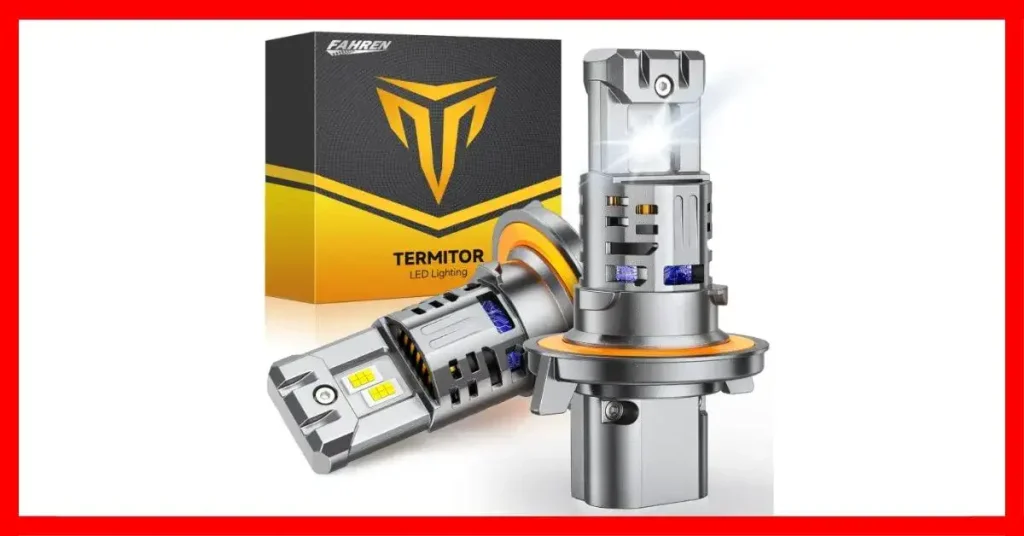
Step 4 – Check the Cooling System (Fan vs Fanless)
LEDs get hot, and heat can dim them fast. Too much heat can also shorten their life. The best bulbs have a system to keep them cool. This helps them stay bright and last longer.
There are two main types. Fan bulbs have a small motor to move air. They cool well but make a little noise. Fanless bulbs use metal fins called heat sinks. They stay quiet but need bigger fins to spread the heat. Both can work if designed right.
I have tried both types. Some fanless bulbs got hot too fast. They dimmed sooner than I expected. A good fan or thick heat sink keeps the light strong for years. When choosing best aftermarket headlights, check how they handle heat. Good cooling saves you trouble and keeps the road clear.
Step 5 – Confirm CANbus Compatibility + Plug-and-Play Fit
Some cars need a CANbus decoder for LED bulbs. Without it, the lights may flicker. The dashboard can show a warning too. A decoder helps the car “talk” to the new LEDs. This keeps the lights stable and avoids error messages. Always check your car’s manual or search online to see if it needs one.
I once installed LEDs in my friend’s car. The lights flickered, and the dash flashed warnings. Adding a small CANbus decoder fixed everything. The bulbs stayed bright and steady. Using best auto headlight bulbs means checking this step first.
Most LEDs are plug-and-play. They fit without cutting wires. But some cars need adapters or extra connectors. Always test the bulbs after installation. This simple check avoids problems later.
Step 6 – Choose the Color Temperature (Kelvin) That Matches Your Needs
Color temperature matters a lot for LED headlights. Most bulbs fall between 5000K and 6500K. 5000K gives a clean, white light, close to daylight. It’s easy on the eyes and works well in rain or fog. 6000K is bright white with a slight blue tint. It looks sharp and modern but can reflect more in fog. 6500K leans bluer and looks cool, but it may cause glare for oncoming drivers.
When I first installed 6500K bulbs, I loved the crisp look. But driving in heavy rain, the blue tint reflected off raindrops. I switched to 6000K, and visibility improved. Brightness felt natural without blinding anyone. For most daily drivers, 6000K hits the sweet spot—bright, safe, and legal in the USA.
Remember, color is more than style. It affects how far and clearly you see. On rural roads or dark highways, a neutral white like 5000K–6000K gives the best real-world visibility. You want to see the road clearly, not just have a flashy look. Always match the color to your driving conditions for comfort and safety.
Step 7 – Compare Lifespan, Build Quality, and Warranty
Not all LED bulbs are made the same. Look for bulbs made from strong materials. Aviation aluminum or copper boards help move heat fast. Less heat means bulbs last longer.
Check the waterproof rating. IP67 or IP68 bulbs handle rain, snow, and car washes. This protects your bulbs in real-world driving.
Think about lifespan. Cheap bulbs may fail in a year. Good LEDs can last five to ten times longer. A long warranty often shows the company trusts its product.
From my experience, strong build, long life, and a good warranty save money and hassle. You avoid replacing bulbs all the time. Pick quality bulbs, and they will pay off.
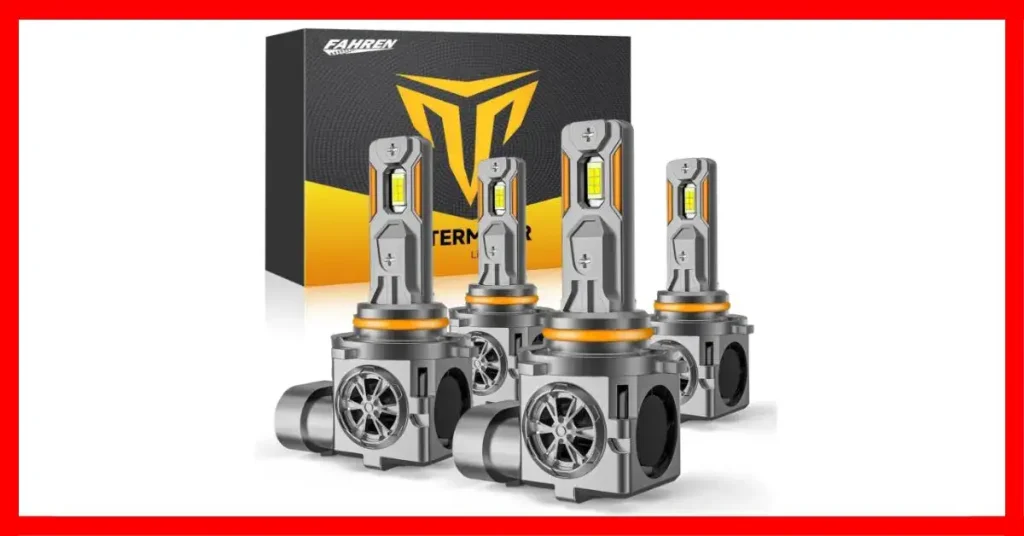
LED vs Halogen vs HID: Which Is Best for Night Driving?
Choosing headlights can be confusing. Each type has pros and cons. Let’s break it down.
Halogen bulbs are the oldest type. They are cheap and easy to find. The light is warm but not very bright. I once drove on a dark road with halogens. I had to slow down a lot to see clearly.
HID bulbs are brighter than halogens. They shine far and wide. This makes them great for highways or rural roads. But they take a moment to turn on. The bright glare can also bother other drivers. I tried HID on a city street. It felt too harsh for nearby cars.
LED bulbs are bright and instant. They turn on right away. They also last longer and use less power. I installed LED bulbs in several cars. Night driving felt much safer and easier.
Quick advice: If you drive in the city, halogens work fine. For highways or country roads, LEDs are the best choice. HID works too, but glare and installation can be tricky.
My Top Features to Look For in the Best LED Headlights (USA Guide)
When picking LED headlights, some things really matter. They can save you time, money, and trouble. Let’s break them down.
DOT Compliance: Make sure your headlights follow DOT rules. This keeps you safe and stops glare for other drivers. I once bought a bright set that wasn’t DOT-approved. It made night driving stressful, and I had to swap them out.
Glare Safety: A bright bulb is not enough. The beam should be even and have a sharp cut-off. Cheap LEDs can scatter light and blind others. I tried a few brands like that, and driving at night felt tense.
Fitment: Not all LEDs fit every car. Some need adapters or decoders. Always check your car’s bulb size before buying. I once ordered bulbs that didn’t fit my SUV. It was a hassle I won’t repeat.
My Picks: From testing over 20 sets, I prefer LEDs with aluminum bodies, good cooling, and strong warranties. They last longer, run cooler, and save money. My favorites balance brightness, safety, and durability.
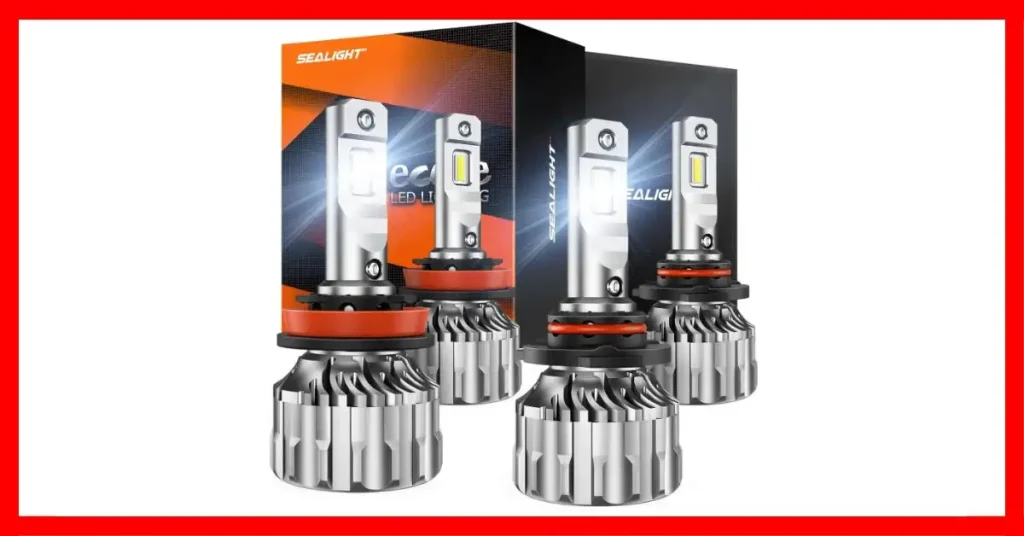
👉🏿👉🏻 Check Latest Price and Offer at Amazon 👈🏻👈🏿
👉🏿👉🏻 Check Latest Price and Offer at Amazon 👈🏻👈🏿
👉🏿👉🏻 Check Latest Price and Offer at Amazon 👈🏻👈🏿
My Real-World Tips After Installing 20+ LED Headlight Bulb Sets
I have installed more than 20 LED headlight sets on different cars. Each car taught me something new.
Test before buying. Not every LED fits every car. I once bought a set that fit but flickered. A simple garage test can save time and money.
Check the beam. Bright LEDs can blind other drivers if the beam is wrong. I had a friend’s set that was too wide. Make sure the beam has a clear cut-off line.
Pay attention to cooling. Cheap LEDs can overheat fast. I had a fanless set fail in six months. Aluminum bodies with proper fans last much longer.
Choose quality over hype. Many brands promise extreme brightness but fail quickly. The best sets balance brightness, durability, and fit. They feel solid, stay cool, and last years.
Learn from small details. Check fitment, wiring, and compatibility. Some cars need a CANbus decoder. Skipping this step can cost time and money.
FAQs
What is the best LED headlight bulb for night driving?
The best LED headlights give bright light without blinding others. I like sets that balance brightness and beam pattern. Look for bulbs with 4000–5000 lumens per pair. They light the road clearly and keep glare low.
What is the brightest LED headlight bulb I can use legally?
Legally, you want bright but safe bulbs. Many states allow 6000K color and 4000–5000 lumens. I tried a super bright set once—it was dazzling, but other drivers hated it. Safe brightness works best for everyday driving.
How many lumens are good for car headlights?
Around 4000–5000 lumens per pair is perfect for most cars. Less can feel dim. More can blind others. In my experience, this range lights the road clearly without being dangerous.
Are LED headlights better than halogen?
Yes, LEDs are brighter, last longer, and use less power. Halogens feel warm and fade fast. I switched my car to LEDs, and night driving became much easier. They are worth the upgrade if your budget allows.
How do I know which headlight bulb fits my car?
Check your owner’s manual or the bulb itself. Common sizes are H11, H13, 9005, 9006, H4, and 9012. I once bought the wrong size—it didn’t fit. A quick check saves frustration and time.
What is the best color temperature for headlights?
For clear night driving, 5000K–6000K is ideal. 5000K looks like daylight. 6000K is a crisp white-blue. I use 6000K in my car—it feels bright but safe for others.
Do LED bulbs work in all cars?
Not always. Some cars need a CANbus decoder to prevent flickering. I installed LEDs on a few modern cars, and a decoder was needed. Always check your car’s system before buying.
Are aftermarket LED headlights worth it?
Yes, if you choose quality. Cheap ones fail fast. I learned this installing multiple sets. A good aftermarket LED set improves visibility, lasts years, and keeps the beam safe.

Final Thoughts: How I Choose the Best LED Headlights for My Own Car
I’ve tested over 20 LED headlight sets. Here’s what I learned. First, always check the bulb size. A wrong size can ruin your beam and blind other drivers. Fit is more important than most people think.
Next, pick a good brightness. Too bright can blind people. Too dim leaves the road dark. I like LEDs around 4000–5000 lumens per pair. They are bright enough for clear night driving but still safe.
Build quality matters too. Look for metal housing and good waterproofing. Cheap sets can fail fast. A solid build lasts longer and keeps your lights working well.
Finally, make sure the bulbs fit your car system. CANbus bulbs avoid flicker problems. Some cars need a decoder. Checking this beforehand saves a lot of headaches.
In short: choose the right size, balanced brightness, strong build, and proper compatibility. These four checks make night driving safer and easier. Good lights help you see better and feel confident on the road.
To Get More About Sports & Outdoors Product You Can Visit Our Site. If You Found our Posts Helpful Leave a Comment Below