
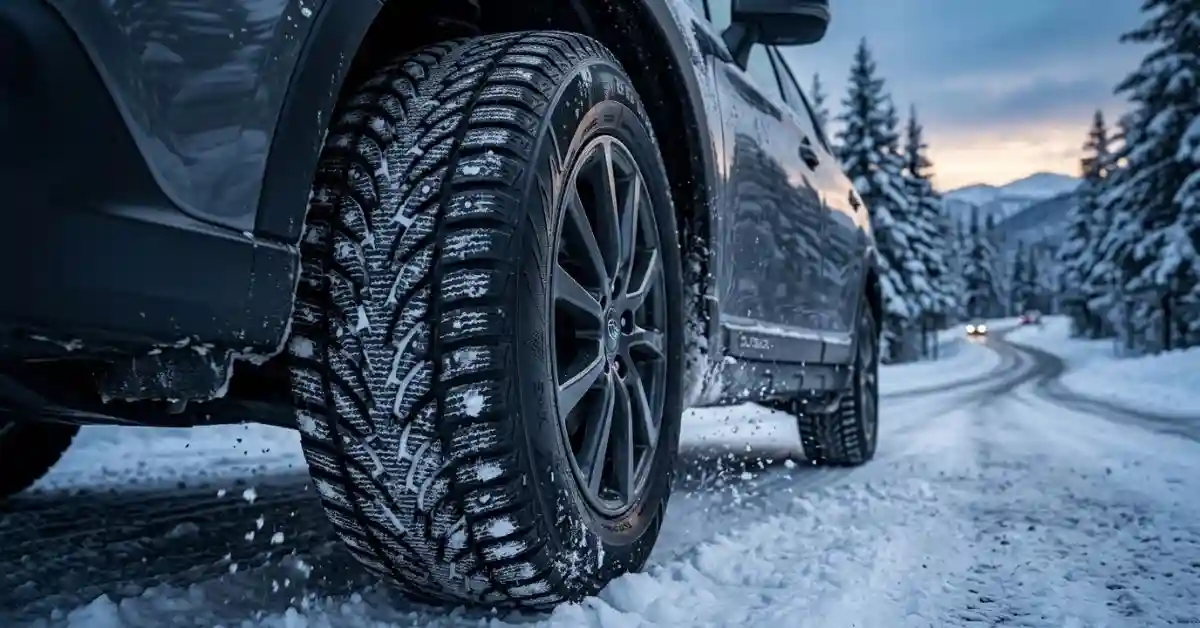
Buying winter tires looks simple until you start comparing tread patterns, snow ratings, tire sizes, compounds, and prices. I’ve found that the biggest mistake is choosing a tire just because it says “snow” or has an aggressive-looking tread.
This Winter Tire Buying Guide breaks the process into the things that actually matter: temperature, road conditions, tire markings, tread depth, tire type, vehicle fit, and how you drive. The goal is to help you spend money where it makes a real difference.
When Do You Really Need Winter Tires?
The first thing I would ask is not, “Which winter tire should I buy?” It is, “What kind of winter will this tire actually see?”
Winter tires are made with rubber compounds that stay flexible in cold weather. Michelin notes that summer tires start losing grip as temperatures fall below about 45°F (7°C), while winter tires are designed to stay flexible below that point.
That does not mean everyone needs winter tires. If your roads stay mostly warm and dry, buying a dedicated winter set may make little sense.
| Your winter conditions | Tire choice to consider |
| Cold roads with frequent snow and ice | Dedicated winter tires |
| Cold weather with occasional snow | Winter or all-weather tires |
| Mostly mild, wet winter weather | Quality all-season or all-weather tires |
Think About Your Actual Roads
I learned that weather forecasts alone do not tell the whole story.
A person who drives five miles around town may have very different needs from someone who drives 50 miles on rural roads before sunrise. Hills, unplowed roads, icy intersections, and frequent highway trips all change the decision.
If you regularly drive on snow, ice, or freezing roads, dedicated winter tires can provide a major traction advantage. AWD or 4WD does not change that basic tire requirement. You still need tires that can grip the road.
Winter Tire Buying Guide: Start With the Right Tire Type
Not every tire marketed for winter conditions is built for the same job. This is where I would slow down instead of immediately looking at brands.
There are three broad choices worth understanding.
| Tire type | Best fit |
| Studless winter | Snow, ice, and very cold roads |
| Performance winter | Cold roads with more dry and wet driving |
| All-weather | Mixed weather with occasional winter conditions |
Studless Winter Tires
These are designed with deep tread, lots of small cuts called sipes, and a soft compound that works in very cold conditions.
They are the type I would consider when snow and ice are normal parts of the driving season.
The tradeoff is that they can feel softer and less precise on clear, dry pavement. Tire Rack’s testing also notes that the features that improve snow and ice traction can reduce some dry-road handling response.
Performance Winter Tires
These make more sense when you spend plenty of time on clear roads but still need winter traction.
They tend to offer better dry and wet-road handling than traditional studless ice-and-snow tires, while still providing winter capability. The tradeoff is somewhat less emphasis on maximum snow and ice traction.
All-Weather Tires
All-weather tires sit between traditional all-season tires and dedicated winter tires.
They can be useful if changing tires twice a year is a hassle and your winter is fairly moderate. But if you regularly face severe snow or ice, a dedicated winter tire remains the more specialized option.
Check the 3PMSF Symbol Before You Buy
One small symbol can save a lot of confusion.
Look for the Three-Peak Mountain Snowflake, often called 3PMSF. Michelin explains that this symbol identifies tires that meet industry requirements for severe snow traction.
| Sidewall marking | What it tells you |
| 3PMSF | Certified for severe snow service |
| M+S | Mud and snow designation |
| Ice Grip symbol | Enhanced ice performance where applicable |
Why M+S Can Be Misleading
This was something I would not assume based on the name alone.
An M+S marking does not automatically mean the tire is a dedicated winter tire. Many all-season tires carry M+S markings.
For serious winter driving, I would look for the 3PMSF symbol rather than relying only on M+S.
Get the Correct Winter Tire Size
A great winter tire is still the wrong choice if it does not fit your vehicle correctly.
Start with the tire size recommended for your vehicle. Check the driver’s door-jamb label, owner’s manual, or current tire information.
For example, a tire marked 225/60R17 99H tells you several things:
- 225 = tire width in millimeters
- 60 = aspect ratio
- R = radial construction
- 17 = wheel diameter
- 99 = load index
- H = speed rating
I would never choose a size simply because it is cheaper or looks similar.
| Check before buying | Why it matters |
| Tire size | Must fit the vehicle and wheel |
| Load rating | Must support the vehicle’s weight |
| Speed rating | Must suit the vehicle and use |
| Clearance | Prevents rubbing or interference |
What About Smaller Winter Wheels?
This can sometimes be a useful setup, but only if the smaller wheel and tire combination is approved for the vehicle.
A smaller wheel with a taller tire sidewall may offer more protection from potholes and a more comfortable ride. But fitment, brake clearance, load rating, and overall tire diameter still matter.
This is one area where I would let a tire professional verify the complete wheel-and-tire package rather than guessing.
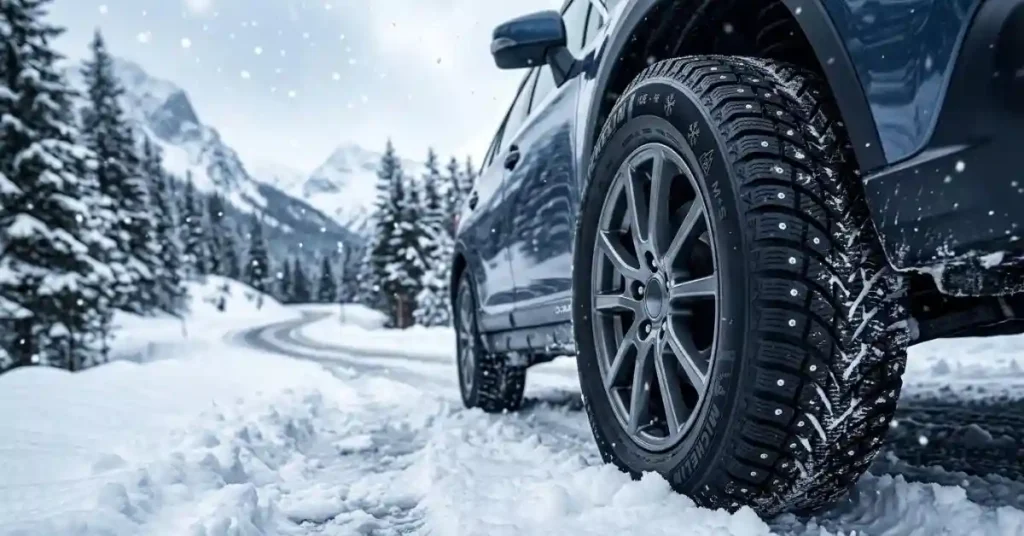
How Much Tread Do Winter Tires Need?
Tread depth becomes especially important when snow and slush enter the picture.
Tire Rack recommends considering replacement around 5/32 inch of remaining tread for snow-covered roads because deeper tread helps the tire move through snow and slush.
That is different from the basic legal/safety replacement threshold often discussed for normal tires. NHTSA says tires should be replaced when tread reaches 2/32 inch.
Don’t Judge Winter Tires by Looks Alone
A winter tire can still look fairly healthy while losing some of the tread depth that makes it useful in snow.
| Condition | What I would do |
| Deep tread, no damage | Continue monitoring |
| Around 5/32″ in snowy use | Start planning replacement |
| At 2/32″ | Replace |
| Cracks, bulges, major damage | Have it inspected promptly |
I also check tread wear across the whole tire. Uneven wear can point to alignment, pressure, suspension, or rotation problems.
Winter Tire Age Matters Too
Tread is not the only thing that ages.
Rubber changes over time. NHTSA recommends checking tire age as part of regular tire inspections and notes that some vehicle manufacturers recommend replacement at six years regardless of remaining tread.
This matters even more when winter tires are only used for part of each year.
A tire may have plenty of tread left because it spends much of its life sitting in storage. That does not automatically make it a good buy.
Check the Tire’s DOT Date Code
Look at the DOT identification on the sidewall. The final four digits indicate the week and year of manufacture.
For example, 3524 means the tire was made in the 35th week of 2024.
If I am buying a supposedly new set, I prefer to know how long those tires have actually been sitting around.
Should You Buy Studded or Studless Winter Tires?
Studded tires can provide extra grip on certain icy surfaces, but they are not automatically better for every driver.
Studless winter tires use tread design, sipes, and specialized rubber instead of metal studs. They are now widely used for serious winter driving.
| Driving environment | Consider |
| Frequent glare ice | Studded or premium studless |
| Deep snow | Studless winter |
| Mostly cleared roads | Performance winter |
| Mixed winter conditions | Studless or all-weather |
The important catch is local law. Studded tire rules vary by location, including when they can be used and whether they are permitted at all.
So before buying studs, check the regulations where you drive.
Buy Four Winter Tires, Not Just Two
This is one shortcut I would avoid.
Putting winter tires only on the drive wheels can create a mismatch in traction between the front and rear axles. That can affect handling and control.
Manufacturers commonly recommend installing winter tires as a complete set of four. Tire Rack and Bridgestone both emphasize four-tire installation for winter setups.
| Setup | Practical concern |
| Four winter tires | Balanced winter traction |
| Two winter tires | Front/rear traction mismatch |
| Mixed winter and all-season | Different grip and handling |
Even an AWD vehicle benefits from matching winter tires at all four corners.
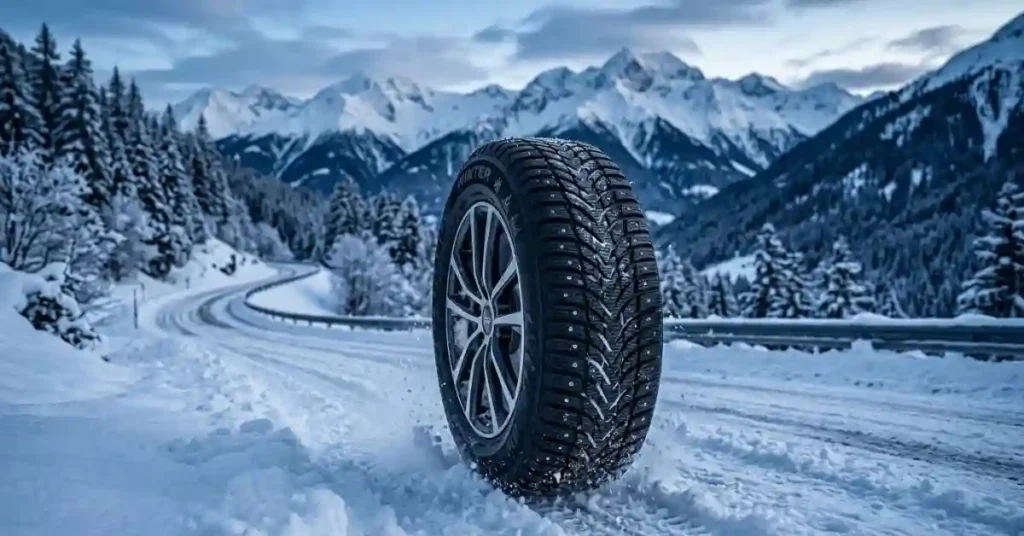
Don’t Ignore Wet and Dry Winter Roads
Here is a mistake I see people make when shopping: they focus only on snow.
Most winter driving does not happen during a blizzard.
You may spend Monday morning on dry pavement, Tuesday evening in rain, Wednesday on slush, and Thursday on packed snow.
That is why I would consider the balance of the tire rather than chasing the most aggressive-looking tread.
Tire Rack testing shows that winter tire designs involve tradeoffs between snow and ice traction and clear-road handling.
Match the Tire to Your Driving Mix
If you drive mostly on cleared highways, a performance winter tire may make more sense.
If you regularly encounter unplowed roads and ice, I would put more weight on snow and ice traction.
There is no single tread pattern that is perfect for every winter road.
Don’t Forget Winter Tire Pressure
Cold weather changes tire pressure.
Tire Rack notes that tires can lose about 1 psi for every 10°F drop in temperature.
That means a tire that looked perfectly inflated during a mild fall afternoon may need attention after a sharp cold snap.
| Habit | When to do it |
| Check tire pressure | At least monthly |
| Check before long trips | Before leaving |
| Check when tires are cold | Before driving or after sitting |
| Use vehicle pressure spec | Every time |
And this is important: do not use the maximum pressure printed on the tire sidewall as your normal target. NHTSA says to follow the vehicle manufacturer’s recommended pressure instead.
Common Winter Tire Buying Mistakes I Would Avoid
After digging into winter tire design and real-world use, these are the mistakes I would watch for most closely.
| Mistake | Better approach |
| Buying by price alone | Compare winter performance and fit |
| Trusting M+S alone | Look for 3PMSF |
| Buying only two | Use four matching winter tires |
| Ignoring tire age | Check the DOT date |
| Running worn winter tread | Replace before winter traction suffers |
| Forgetting pressure | Check pressure in cold weather |
One of the easiest mistakes is waiting until the first big snowstorm to shop.
That is when popular sizes can become harder to find, and rushed buying often leads to compromises.
I would rather choose the tires calmly before winter arrives, especially if driving is essential for work, school, or family.
How I Would Build a Winter Tire Shortlist
I would not start with a brand name.
I would start with the vehicle, then the climate, then the road conditions.
First, confirm the correct size and load rating. Then decide whether you need a dedicated winter tire, performance winter tire, or all-weather option.
After that, compare independent tests, warranty information, tread design, winter markings, price, and local availability.
A tire that costs a little less but wears poorly or performs badly on the roads you actually drive may not be a bargain.
Final Thoughts
A good Winter Tire Buying Guide should make the decision less confusing, not turn it into a hunt for one magic tire. The biggest lesson I take from winter tire shopping is that conditions matter more than marketing. Snow, ice, temperature, road type, tire age, tread depth, and your driving habits all change what makes sense.
I would focus first on getting the correct size, four matching tires, a proper winter rating such as 3PMSF when severe snow is expected, and enough tread for the season. Then look at the finer details. A thoughtful choice made before the roads turn ugly is much easier than trying to solve the problem halfway through a snowstorm.
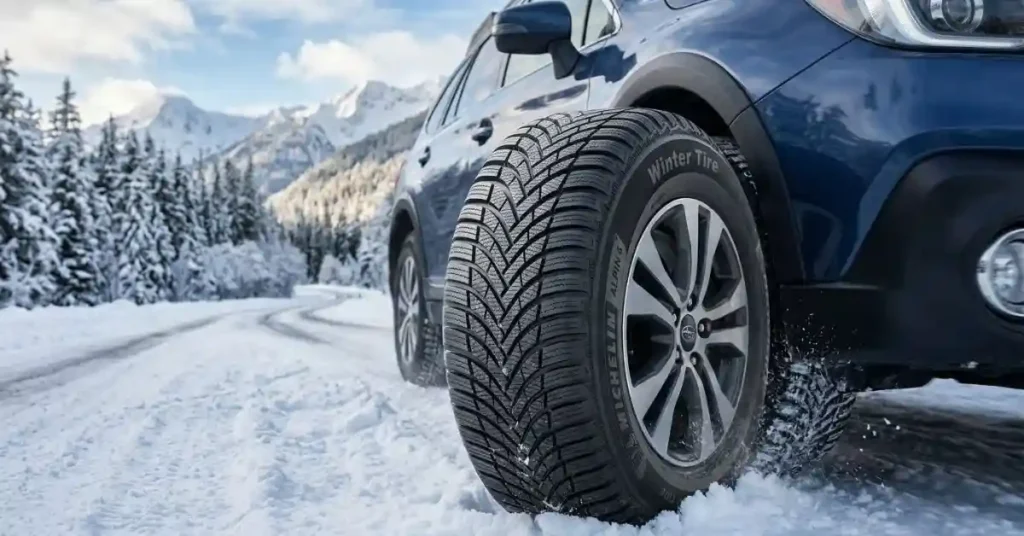
Winter Tire Buying Guide FAQs
1. When should I buy winter tires?
Buy winter tires before snow starts. A good rule is to switch when temps stay near 45°F (7°C) or lower. Shopping early also gives you more size and tire choices.
2. How do I choose the right winter tire size?
Check your door label or owner’s manual for the right tire size. Match the size, load rating, and speed rating. Do not choose a size just to save money.
3. Are winter tires better than all-season tires in snow?
Yes, winter tires give better grip in cold snow and ice. Their soft rubber stays flexible in low heat. All-season tires suit milder winter roads better.
4. Do I need four winter tires?
Yes. Use four matching winter tires for a more even grip and feel. Using only two can upset front and rear grip. This can make the car harder to control.
5. What does the 3PMSF symbol mean on a winter tire?
The 3PMSF mark means the tire meets a set test for severe snow use. It is a useful sign when you need a tire for cold, snowy roads.
To Get More About Home, Car Accessories Product You Can Visit Our Site. If You Found our Posts Helpful Leave a Comment Below