
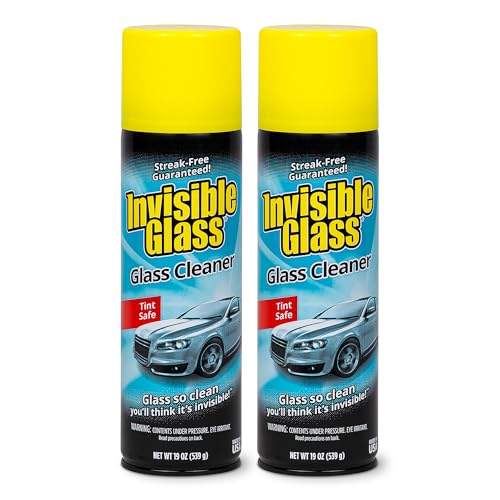
The Best Glass Cleaners For Cars are ammonia-free sprays that cut road film, lift dirt, and leave clear glass with fewer streaks.
A sunny morning drive should not start with a hazy windshield. Yet dust, road film, fingerprints, and air conditioner residue can make your view less clear. In the US, daily commutes, school runs, road trips, and long highway drives all put car glass to work. A quick wipe with the wrong cleaner can leave streaks that show up when the sun hits the glass. I would start with a cleaner made for cars, especially one that works on tinted windows. In this guide, I compare three popular options to help you find the right spray for your car, your budget, and your cleaning routine.
Table of Contents
Toggle🏆 Top 3 Products
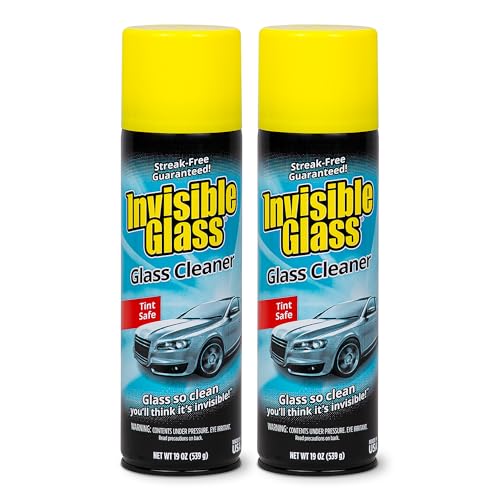
Invisible Glass Foaming Auto Glass Cleaner, 19 oz, Pack of 2
The thick foam and two-can pack make this a strong choice for regular cleaning of dusty, hazy car glass.

Invisible Glass Auto Glass Cleaner Spray, 22 fl oz
Its standard spray format suits drivers who want a simple cleaner for routine glass care.

Windex Automotive Car Glass Cleaner, 23 oz
Its automotive-focused formula and useful bottle size make it a practical option for everyday car care.
Invisible Glass Foaming Cleaner, 19 Oz, Pack of 2
Invisible Glass Foaming Auto Glass Cleaner is a good place to start if your windshield often looks dull or hazy. This pack includes two 19-ounce cans, so you have a spare ready when the first can runs low. The foam helps coat the glass and cling to the area you want to clean. The product description also states that the formula is ammonia-free and safe for tinted glass.
I would consider this option for cars that collect road film, dust, and fingerprints during daily use. Foam can make it easier to see where you have sprayed, which helps when you clean one section at a time. Use a clean microfiber towel to lift the dirt and a second dry towel to buff away any remaining marks. The two-can format also suits drivers who clean both the inside and outside of their windows on a regular schedule.
✅ Pros
- ✔ The two-can pack provides a spare for later cleaning sessions.
- ✔ Foam helps cover the target area without running as quickly as a thin liquid spray.
- ✔ The product is designed to cut through road film and haze.
- ✔ The ammonia-free formula is listed as tint-safe.
- ✔ It suits windshields, side windows, and rear glass.
- ✔ The visible foam can help you track which areas you have covered.
- ✔ It works well as part of a regular car detailing routine.
- ✔ A dedicated automotive cleaner helps avoid using products that may not suit car glass.
⚠️ Cons
- ✖ The foam may need extra wiping if you apply too much.
- ✖ Two cans may take up more storage space than one spray bottle.
- ✖ A microfiber towel is still needed for the best finish.
- ✖ Heavy mineral spots or old water stains may need a different treatment.
- ✖ The pack may be more than a driver who cleans glass only a few times a year needs.
My Recommendation
I would choose this Invisible Glass pack for regular car owners who want to keep road film and interior haze under control. It is a strong overall pick because it combines a foam format, an ammonia-free formula, and two cans in one purchase. It is especially useful if you clean several windows in one session. For the clearest result, work in the shade, use small amounts, and finish with a dry microfiber towel. Do not let the cleaner dry on the glass.
| Best For | Why |
|---|---|
| Regular commuters | The two-can pack helps keep a car cleaning supply ready for frequent use. |
| Drivers with tinted windows | The listed ammonia-free formula is designed to be safe for tinted glass. |
| Road film and haze | The foaming spray is made to cling to glass and tackle common driving residue. |
Invisible Glass Spray Cleaner, 22 Fl Oz
Invisible Glass Auto Glass Cleaner in the 22-fluid-ounce spray bottle is a straightforward choice for everyday glass care. Its controlled spray is designed to coat auto glass evenly and help remove road film and haze. The listed formula is ammonia-free and tint-safe. The bottle format suits drivers who prefer a familiar trigger spray over a foaming aerosol can.
I would look at this version if you want a simple cleaner for windshields, door glass, and rear windows. A controlled spray can help you apply a light layer instead of soaking the surface. That matters when you clean the inside of a windshield, where excess liquid can drip onto the dashboard. Pair the cleaner with a clean microfiber towel, and turn the towel to a fresh side as it picks up dirt.
✅ Pros
- ✔ The 22-fluid-ounce bottle is suitable for routine cleaning.
- ✔ The controlled spray helps distribute cleaner across the glass.
- ✔ The formula is described as ammonia-free.
- ✔ The product is listed as safe for tinted windows.
- ✔ It is designed to remove road film and haze.
- ✔ The spray format gives you control over how much cleaner you apply.
- ✔ It can be used on common automotive glass surfaces.
- ✔ It fits a basic car detailing kit without requiring a special tool.
⚠️ Cons
- ✖ The liquid spray may run if you apply too much to a sloped windshield.
- ✖ It does not include the microfiber towels needed for wiping and buffing.
- ✖ Very dirty glass may need a second pass.
- ✖ The single-bottle format does not provide the spare can included in the two-pack option.
- ✖ It may not remove etched water spots or damaged glass coatings.
My Recommendation
I would recommend this spray to drivers who want a simple, versatile cleaner for weekly upkeep. It is easy to fit into a routine that includes wiping the dashboard, cleaning the mirrors, and washing the exterior glass. Use a light mist and work in small sections. If you often clean glass in a garage or driveway, this bottle may be easier to handle than a foaming can. Choose it if you value a familiar spray format over the extra supply in a two-pack.
| Best For | Why |
|---|---|
| Weekly car care | The spray bottle makes quick glass cleaning easy to add to a regular routine. |
| Light road film | The cleaner is designed to remove common haze and film from auto glass. |
| Drivers who prefer liquid spray | The trigger-style format lets you control the amount applied to each area. |
Windex Automotive Glass Cleaner, 23 Oz
Windex Automotive Car Glass Cleaner is made for drivers who want a familiar name in a car-focused formula. The listed 23-ounce spray is intended for automotive glass, including windshields, mirrors, and tinted windows. Its product description also mentions interior surfaces and dashboard screens. The ammonia-free formula is a useful point to check when choosing a cleaner for a car with window tint.
I would consider this bottle for routine cleaning after a commute, a family trip, or a weekend spent outdoors. Dust, fingerprints, and everyday film can build up even when the rest of the cabin looks clean. Spray a small amount onto a microfiber towel when working near electronics or sensitive trim, rather than letting liquid pool around the edges. Check the vehicle manual and the cleaner label before using it on a dashboard display, since screens may need a specific cleaning method.
✅ Pros
- ✔ The 23-ounce bottle provides a practical amount for regular car care.
- ✔ The product is designed specifically for automotive cleaning.
- ✔ The listed ammonia-free formula is suitable for drivers concerned about tinted glass.
- ✔ It is intended for windshields and other common car glass surfaces.
- ✔ The product description includes mirrors and tinted windows.
- ✔ It may help simplify routine cleaning by serving several glass-cleaning needs.
- ✔ The spray bottle is easy to store with other car care supplies.
- ✔ The familiar brand may appeal to drivers who already use Windex products at home.
⚠️ Cons
- ✖ The bottle may be bulky for drivers who want a small emergency cleaning kit.
- ✖ The best results still depend on clean towels and proper wiping technique.
- ✖ A product mention of dashboard screens does not mean every display coating is compatible.
- ✖ Stubborn mineral deposits may need a separate glass-safe treatment.
- ✖ Price and value depend on the current seller and bottle cost.
My Recommendation
I would choose Windex Automotive for drivers who want a car-specific cleaner in a familiar spray format. It is a practical option for everyday dust, fingerprints, and general glass upkeep. Its stated use on tinted windows is helpful, but I would still check the label and the tint installer’s care instructions. For screens, follow the vehicle maker’s directions and apply cleaner to a towel only when the product label allows it. This is a sensible option for a shared family car that needs regular care.
| Best For | Why |
|---|---|
| Family vehicles | The 23-ounce bottle suits routine cleaning of the windows and mirrors used by several drivers. |
| Everyday fingerprints and dust | The automotive cleaner is designed for common glass-cleaning tasks. |
| Drivers who prefer a familiar brand | The Windex name and spray format may fit an existing home and car cleaning routine. |
Final Verdict: Which Should You Buy?
My top choice among the Best Glass Cleaners For Cars is Invisible Glass Foaming Auto Glass Cleaner in the two-can pack. Its foam format, ammonia-free formula, and extra supply make it a strong fit for regular cleaning. Choose the 22-ounce Invisible Glass spray if you prefer a standard liquid cleaner, or consider Windex Automotive for routine car glass care.
The Best Glass Cleaners For Cars work best when you pair the right formula with clean microfiber towels and careful wiping. Check tint and screen care instructions, avoid hot glass, and buff the surface dry. A clear windshield helps you see the road with less glare and distraction.
FAQs Of Best Glass Cleaners For Cars
Q What is the best glass cleaner for cars?
Q Can I use car glass cleaner on tinted windows?
Q How do I clean a windshield without leaving streaks?
Q Can I use household glass cleaner on my car windows?
Q How often should I clean my car windows?