

The first time I tried to fix a dead car battery, I felt lost. I held the tool and did not know what to do. That moment pushed me to find the Best Budget Multimeters that are simple and safe.
Since then, I have tested many tools at home and on cars. I have used a cheap multimeter and a better one too. In this guide, I will share the best multimeter for home use and auto work, with top picks under $100 that you can trust.
How I Chose the Best Budget Multimeters
I didn’t pick these by reading spec sheets all day. I picked them by using them in real life. I fixed home issues, checked car batteries, and tested wall outlets. The best budget multimeters are the ones that work well, not just look good on paper.
One day, I was fixing a loose switch at home. Another day, my car wouldn’t start. I needed a tool that was simple and reliable. The multimeters I liked gave fast, clear readings without confusion. That made the job easier and less stressful.
I also checked how the tools felt in my hand. Some cheap ones feel like toys. Others feel solid and safe. A good budget multimeter should feel strong and trustworthy right away.
My Key Criteria
Accuracy (Counts: 2000 vs 6000)
I tested both 2000-count and 6000-count meters. Higher counts give more detail. The readings are more stable and precise. For home and car use, 6000-count meters are better.
Safety Ratings (CAT III, CAT IV)
Safety matters. I check ratings before using any meter. CAT III is fine for home use. CAT IV is safer for heavy jobs or outdoor work.
Ease of Use
Some meters are confusing. Too many buttons. Too many settings. I like meters that are simple and easy to read. Auto-ranging helps beginners a lot.
Build Quality
I dropped a meter by accident once. It broke. That taught me a lesson. Even a cheap meter should be strong and last long.
Price Under $100
I stayed under $100. You don’t need to spend more for a good meter. A budget tool can handle home and car tasks well.
In the end, I picked meters I would trust in my own home and car. That rule helped me avoid weak tools. Only reliable meters made the list.
Best Budget Multimeters (My Top Picks)
Choosing a multimeter can feel confusing. There are many options, and not all are good. I tested these tools at home and on my car. These picks worked every time. They are reliable, easy to use, and affordable.
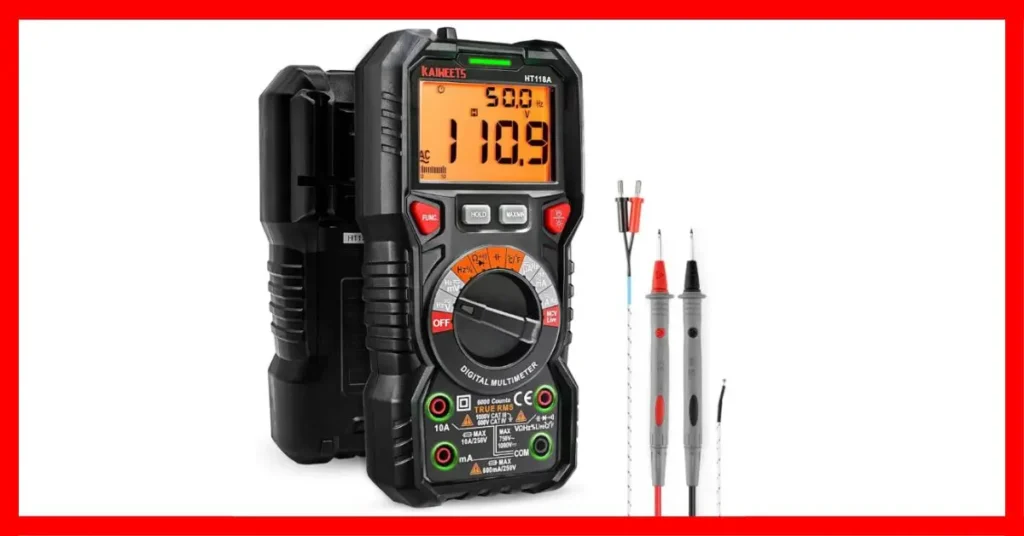
Best Overall – KAIWEETS Digital Multimeter
I used the KAIWEETS meter for my car and home projects. It handled both jobs well. If you want one tool for everything, this is it. The readings are clear and accurate. The best budget multimeter should feel solid and give results you can trust.
Key Specs:
- 6000-count resolution for precise readings
- True RMS for AC measurements
- Auto-ranging and manual modes
- Safety rated CAT III 600V / CAT IV 300V
What I Like
- Very accurate for AC and DC
- Works for home and car projects
- Safety features like overload protection
What I Don’t Like
- No clamp for current measurements
- Slight learning curve for beginners
Best For:
Homeowners and car users who need a versatile tool.
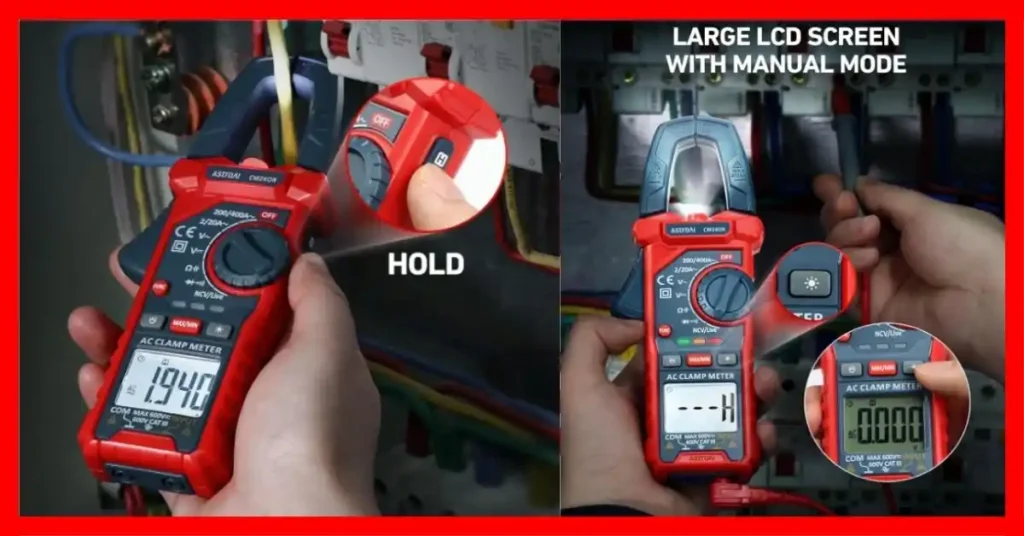
Best for Beginners – AstroAI Clamp Meter
The first time I used a clamp meter, I was nervous about touching wires. The AstroAI made it simple and safe. Beginners will like it. It is easy to read and works well for basic tasks. If you are new, this is a stress-free option.
What I Like
- Clamp design means no direct contact
- Very easy to use
- Good for AC current
What I Don’t Like
- Cannot measure DC current
- Lower accuracy (2000 counts)
Best For:
Beginners or quick checks at home and in the car.
Best Cheap Multimeter Under $50
If you only need a simple meter for small jobs, there are good options under $50. They measure voltage, continuity, and resistance. They are not as precise as KAIWEETS or AstroAI. But for light home work, they are fine. A cheap multimeter can still be safe and useful.
Best For:
People on a budget or who need a meter occasionally.
Best Multimeter for Home and Auto
Some meters can handle both home and car tasks. Look for one that measures AC and DC and gives reliable readings. KAIWEETS fits this perfectly. Having one tool for both saves money and space. For everyday tasks, this is the most practical pick.
👉🏿👉🏻 Check Latest Price and Offer at Amazon 👈🏻👈🏿
👉🏿👉🏻 Check Latest Price and Offer at Amazon 👈🏻👈🏿
Clamp Meter vs Digital Multimeter (Which Is Better?)
Choosing between a clamp meter and a digital multimeter can feel tricky. I’ve tried both, and each works best in different situations. The short answer: use a clamp meter if you want safety and ease. Use a digital multimeter if you want more control and detail.
Clamp Meter
A clamp meter is very safe. You don’t touch live wires. You just clamp around a wire, and it reads the current. I like using it on my car battery and home outlets. It is simple and fast. The best clamp meters let beginners test safely and easily.
Digital Multimeter
A digital multimeter gives more precise readings. It measures voltage, resistance, and continuity. Some can also read current. I use it for home wiring and car troubleshooting. It takes a little practice but can do more jobs. The best digital multimeter under $100 works for most tasks.
Which One Should You Pick?
If you are new or just need quick checks → go clamp. It is safe and easy.
If you want accuracy and full control → go digital. You can handle more complex jobs.
Key Features to Look for in the Best Budget Multimeter
Choosing a budget multimeter can be confusing. I’ve tested many, and a few key features make a big difference. The short answer: focus on accuracy, safety, ease of use, and a few useful extras.
1. Accuracy (Counts Matter)
Accuracy tells you how precise your readings are. Most meters show counts like 2000 or 6000. A 2000-count meter is fine for simple tasks, like checking a battery. A 6000-count meter is better for detailed jobs, like home wiring. I use higher-count meters for more confidence.
2. Safety Ratings
Safety ratings protect you from shocks. CAT III is good for home wiring and outlets. CAT IV handles higher-power areas, like breaker panels. Always check the rating before testing live wires. A safe multimeter keeps you protected.
3. Auto-Ranging vs Manual
Auto-ranging meters pick the right setting automatically. This is great for beginners. Manual meters give more control but need practice. I use auto-range when switching tasks quickly. It saves mistakes and keeps testing simple.
4. Extra Features That Actually Help
Some extras make life easier. A backlight helps in dark areas. NCV (non-contact voltage) lets you find live wires without touching them. Data hold freezes a reading so you can note it down. I look for these because they make testing safer and faster.
Best Multimeter for Home Use (What You Really Need)
If you just need a multimeter for home, keep it simple. Focus on three main tasks: checking voltage, testing continuity, and measuring resistance. You don’t need a pro-level tool for most small fixes. My KAIWEETS meter handles all these jobs without trouble.
Voltage testing is key. You can check outlets, light switches, and batteries safely. Continuity testing tells you if wires or fuses are connected. Resistance checks help with small appliance repairs and basic troubleshooting.
Tip: choose a meter with auto-ranging. It makes switching between tests easy. Manual meters can confuse beginners, but auto-range keeps things simple. Extras like backlight or data hold are nice, but not required.
For home use, a meter that reads voltage, continuity, and resistance is enough. Auto-range makes testing safer and faster. That’s really all you need for everyday fixes.
Best Multimeter for Automotive Use
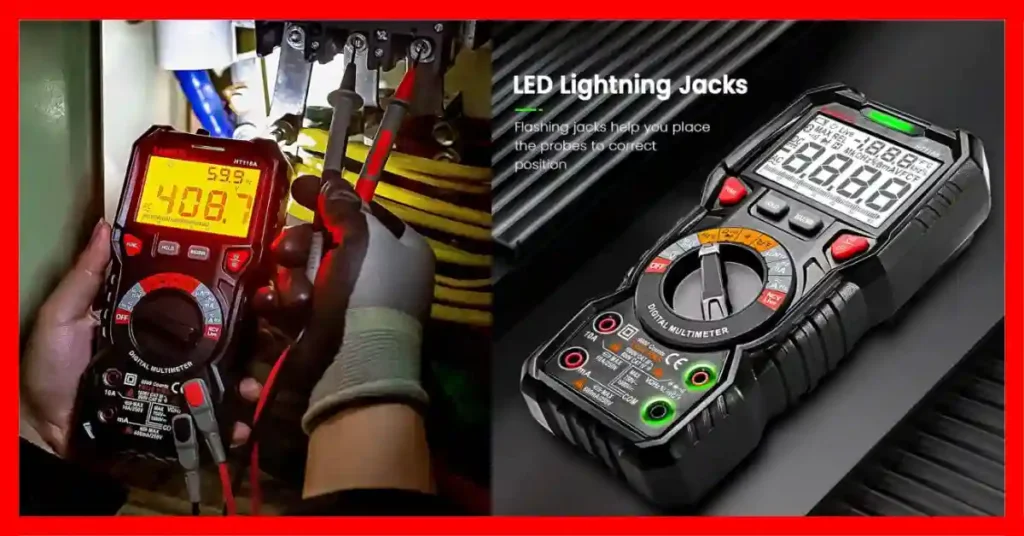
If you work on cars, a multimeter is a must-have. I use mine for checking batteries, alternators, and DC current. You don’t need a fancy tool. A good budget multimeter can do all of this well.
Battery testing is simple. You can see if the battery is healthy or needs replacing. Alternator checks show if the car is charging properly. DC current tests help find circuit problems. I like the KAIWEETS because it is accurate and safe.
Auto-ranging makes life easier. TRMS lets you read AC and DC signals correctly. Clamp meters are safe for AC, but digital meters like KAIWEETS give more precise results. For car repairs, accuracy matters most.
For home or garage fixes, focus on battery, alternator, and DC current. KAIWEETS works for beginners and pros. It gives reliable results without extra cost.
Best Multimeter Under $100 – Is It Enough?
Yes, a multimeter under $100 works well for most home and car tasks. You can test batteries, check outlets, and measure voltage safely. Models like the KAIWEETS give good accuracy and have safety features. You don’t need an expensive meter for simple fixes—this one is enough.
Higher-end meters have extra features, but they are not needed for everyday use. If you want to check your car or do small repairs at home, a good budget multimeter will cover it all. Focus on accuracy, safety, and ease of use, and you’ll be ready for most jobs.
Common Mistakes Beginners Make (From My Experience)
A big mistake is picking the wrong mode. I’ve seen beginners test a battery on the wrong setting. This gives wrong readings and can confuse you. Always check the mode before testing.
Another mistake is measuring current the wrong way. I once tried checking my car battery without switching modes. The reading was all over the place. Follow the instructions carefully to avoid errors.
Ignoring safety ratings is risky. Some cheap meters do not have CAT III or CAT IV ratings. I learned that safety features really matter. They protect you from shocks when testing outlets or car circuits.
Buying too cheap can backfire. I once bought a $20 meter. It was slow, inaccurate, and frustrating. Spending a little more on a budget-friendly, reliable multimeter saves time and stress.
FAQs
What is the best multimeter for beginners?
If you are new, pick a simple and safe meter. I like the AstroAI clamp meter. It is easy to use and protects you from touching wires. You get quick, clear readings without stress.
What is the best cheap multimeter?
Look for a digital meter under $50 with basic functions. My pick reads voltage and resistance well. Extra features are not needed for home or car use.
Is a cheap multimeter accurate?
Yes, many budget meters work fine for home and car checks. They are not lab-grade but are accurate enough for simple tasks. Check counts and safety ratings first.
What is the best multimeter for home and auto?
KAIWEETS digital meter works for both. It tests AC, DC, car batteries, and outlets. You can use it at home or for your car without switching tools.
What is the best multimeter under $100?
A meter under $100 is usually enough. You get safe readings and good counts. Most home and car tasks do not need expensive meters.
Do I need a clamp meter or a multimeter?
Use a clamp meter for safe current checks. Use a digital multimeter for more control and options. I keep both, but a beginner can start with a clamp meter safely.

Final Verdict – Which Budget Multimeter Should You Buy?
If you want something easy to use, go for the AstroAI clamp meter. It is safe and simple. You can check wires and batteries without touching them. It is perfect for quick home or car tasks.
If you want more accuracy and features, the KAIWEETS digital multimeter is best. It reads AC and DC, voltage, and resistance well. It works for home projects and car checks. The high count makes readings precise.Honestly, if I had to pick one today, I’d choose the KAIWEETS. It is solid, reliable, and covers most tasks. You can trust it for everyday use.
To Get More About Home and Kitchen Product You Can Visit Our Site. If You Found our Posts Helpful Leave a Comment Below