
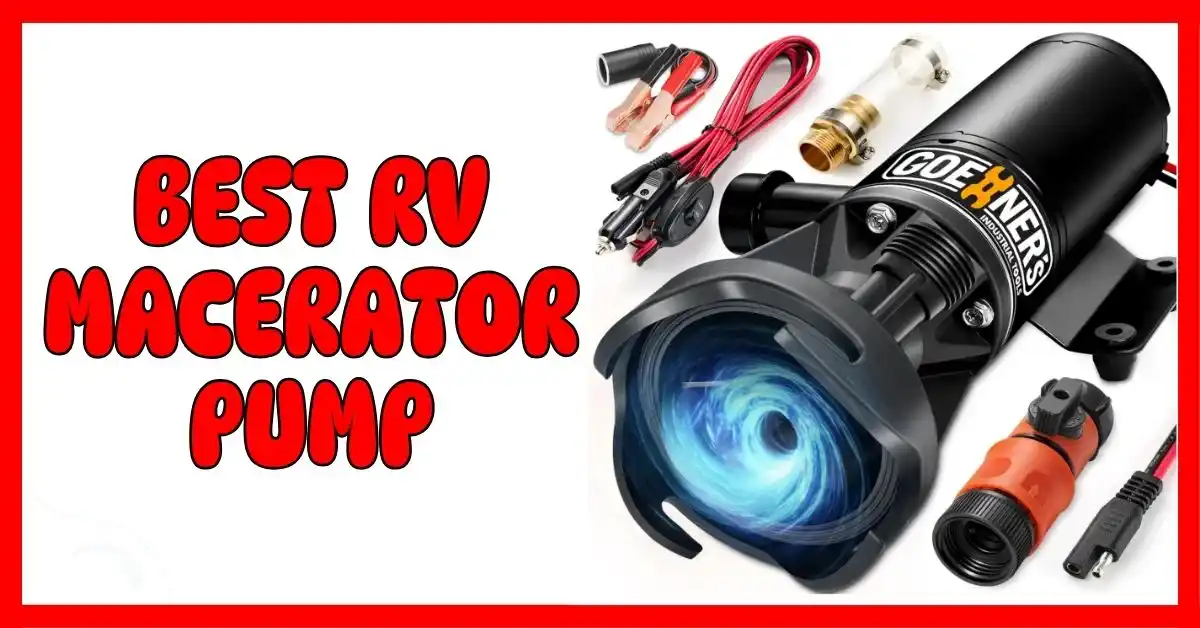
My first RV dump was bad. The hose bent. The line grew. Stress hit fast. That mess pushed me to find the Best RV Macerator Pump that works in real U.S. camps.
After many trips, I’ve tested each rv macerator pump in real use, not ads. In this guide, I share what it does, who needs one, and which pumps make dumping clean, quick, and calm.
What Is an RV Macerator Pump? (Simple Explanation)
An RV macerator pump is a small electric pump that grinds waste and moves it out through a thin hose. In simple terms, it makes dumping cleaner and easier. My first time using one felt like a relief after years of fighting gravity hoses. The short answer is this: it replaces messy gravity dumping with smooth pumping.
A macerator pump for RV use works in two clear steps. First, sharp blades break solid waste into a thin liquid. Then the pump pushes that liquid through a narrow hose. The key thing to know is this: it crushes, then pumps, so nothing rushes out by surprise.
The main difference between gravity dumping and an rv macerator pump is control. Gravity dumps need the sewer hole to be lower than your RV, and mistakes happen fast. A macerator pump lets you control speed, flow, and direction. From real use, that control alone makes dumping feel calmer and far less stressful.
Do I Need a Macerator Pump for My RV?
If you wonder whether you need a macerator pump for your RV, the short answer is: it depends. I didn’t think I needed one at first. Then I faced a long uphill run to the dump station. The gravity hose barely reached, and the line was crowded. That’s when a macerator pump made dumping much easier and cleaner.
Campers who dump uphill or far from sewer hookups benefit the most. The pump pushes waste easily without relying on gravity. If you often deal with long sewer connections, it saves time and avoids mess. At tight or shared dump stations, a macerator pump makes your turn faster and less stressful.
If your RV is near the dump and a gravity hose works, you might not need one. I’ve used both ways. The macerator felt like having a helper, while gravity dumps can be messy and slow. In short, a macerator pump is not required, but it makes dumping cleaner, faster, and less stressful.
Best RV Macerator Pump – Quick Comparison (Top Picks)
I tested several RV macerator pumps at real campgrounds. These picks are based on actual use, not marketing hype. They work well, are reliable, and make dumping easier.
Best Overall RV Macerator Pump
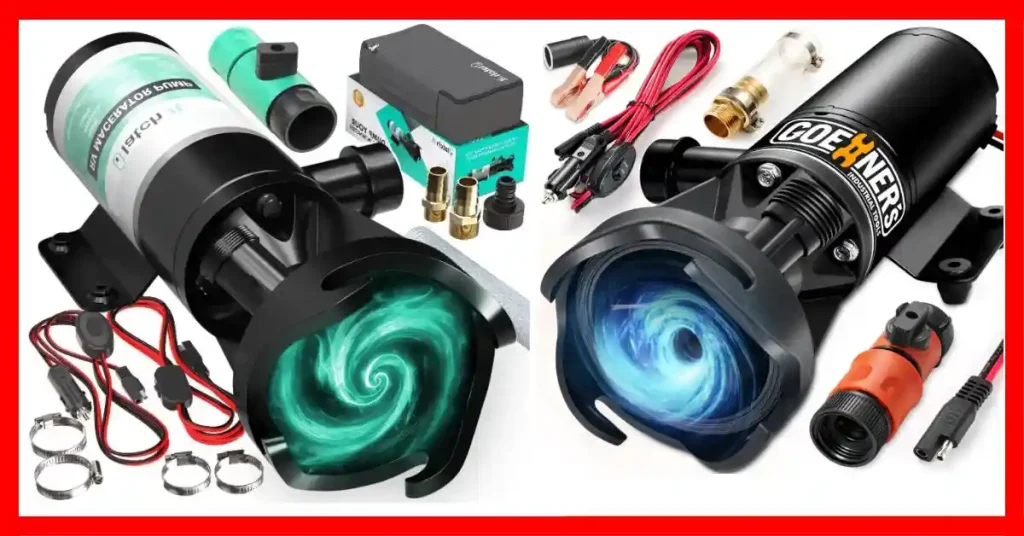
The best overall RV macerator pump balances power, noise, and reliability. It crushes waste and moves it through hoses smoothly. I found it saves time and makes dumping less messy. Popular options include Flojet and Rhino macerator pumps.
Best Quiet RV Macerator Pump
The quietest macerator pump is perfect if you care about noise. It hums gently instead of roaring. I used it near other RVs, and no one complained. Saniflo pumps are quiet and still strong enough for most jobs.
Best Budget RV Macerator Pump
Budget pumps can still be reliable. They are slower or a bit louder but get the job done. I tried a model from Sprance. It lasted, though it is not as fast as premium pumps. Good if you want value without spending too much.
Best Premium / Heavy-Duty Option
If you dump a lot or need fast flow, go for a premium pump. These have stronger motors and sharper blades. They handle uphill or long hose runs easily. Flojet and Rhino heavy-duty pumps work fast, clean, and with less stress.
These options cover most needs: quiet, budget, fast, or all-around reliable. A good macerator pump makes dumping easier, cleaner, and safer.
👉🏿👉🏻 Check Latest Price and Offer at Amazon 👈🏻👈🏿
👉🏿👉🏻 Check Latest Price and Offer at Amazon 👈🏻👈🏿
👉🏿👉🏻 Check Latest Price and Offer at Amazon 👈🏻👈🏿
Portable vs Permanent RV Macerator Pumps
When choosing an RV macerator pump, you can go portable or permanent. Both work, but they fit different needs. I’ve used both, and each has clear pros and cons.
Portable RV Macerator Pump
A portable RV macerator pump sits in a storage area. You plug it in only when you need it. It is easy to move and works at any dump site. I like it for weekend trips or travel RVs. The upside: no permanent installation. The downside: you must set it up each time.
Permanent RV Macerator Pump
A permanent RV macerator pump installs under your RV. It connects straight to the holding tank. It is always ready to use. I use one when camping long-term. Installation takes more effort and may need a professional. The payoff: no setup every time.
Bottom line: portable pumps are best for travelers and casual users. Permanent pumps suit full-time RVers or anyone who wants fast, ready-to-go dumping. Both are cleaner and easier than gravity dumps.
RV Macerator Pump Kit vs Pump-Only – What Matters?
When you buy an RV macerator pump, you can get just the pump or a full kit. Both work, but a kit makes setup easier. I learned this the hard way when I tried a pump-only setup. I had to find extra hoses and fittings, which took time and caused stress.
What a RV Macerator Pump Kit Usually Includes
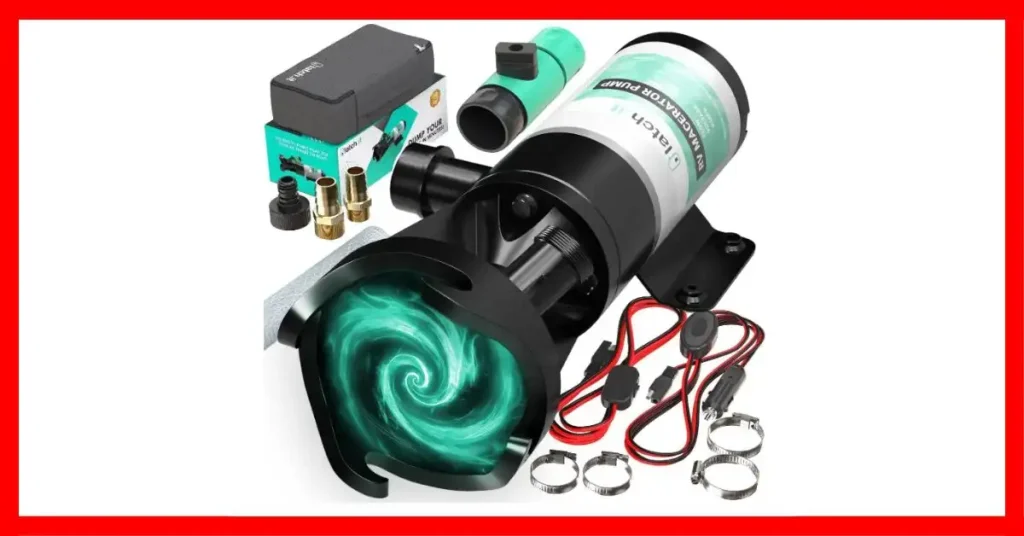
A full kit comes with hoses, fittings, clamps, and a power cable. Some kits even include a storage bag. Pump-only options give you just the motor and blades. If you want fast and easy setup, a kit is the better choice.
Why Fittings, Hoses, and Power Cables Matter
These small parts matter a lot. Wrong fittings can leak. A hose that is too short can limit where you dump. I once used a pump-only setup and had to run back and forth for extra parts. A kit usually solves this problem.
Real-World Setup Mistakes to Avoid
Check hose length and diameter before starting. Use the right clamps. Connect the power cable safely. Skipping these steps can cause leaks or clogs. A kit usually has the right parts to avoid these problems.
Bottom line: a RV macerator pump kit saves time and hassle. Pump-only works, but you may need extra parts. For clean, quick, and stress-free dumping, a kit is usually the smarter choice.
12V vs 110V RV Macerator Pumps
When you pick an RV macerator pump, you can choose 12V or 110V. Both work. The right one depends on how you camp. I’ve used both and here is what I found.
12V RV Macerator Pump
A 12V pump runs on your RV battery. It works anywhere, even without power. Quick answer: 12V pumps give freedom for dry camping. They are slower than 110V pumps and can drain your battery if used too long.
110V RV Macerator Pump
A 110V pump plugs into shore power. It works faster and does not touch your battery. Quick answer: 110V pumps are best if you camp with power access. They are not good for remote or dry camping.
Safety and Tips
Always run water while dumping. Never run the pump dry. Quick answer: using the right pump for your power setup avoids leaks, clogs, and battery issues.
Bottom line: use 12V for travel and dry camping. Pick 110V if you have shore power. Both make dumping faster, cleaner, and easier than a gravity hose.
What to Look for in the Best Macerator Pump for RV Use
Picking the right RV macerator pump makes dumping easy. Some pumps work well, some don’t. I learned this the hard way. Focus on a few key features to make your life simpler.
Flow Rate (GPM)
Flow rate tells you how fast the pump moves waste. A higher number means faster dumps. Most RVs do fine with 12–14 GPM. Too low, and dumping takes a long time.
Lift Height
Lift height is how far the pump can push waste uphill. If the dump station is higher than your RV, pick a pump with at least 3 feet of lift. It makes uphill dumping easy and saves stress.
Blade Material
Blades crush waste before it leaves your RV. Stainless steel lasts longer and handles solids better than cheap metal. Cheap blades can bend or dull quickly, which slows dumping and can cause clogs.
Noise Level
Some pumps are loud. If you camp near other RVers, a quiet pump is worth it. Quiet pumps make dumping less stressful, especially at night or in crowded sites.
Thermal & Run-Dry Protection
These stop your pump from burning out. If water stops flowing, the motor shuts off automatically. I once burned a pump by running it dry—it was avoidable with these features.
Hose Compatibility
Make sure the pump fits your hoses. The right size prevents leaks. Adapters help, but a good fit is always best.
Weight & Portability
Portable pumps should be light and easy to carry. Heavy pumps are okay for permanent setups. Light pumps make weekend trips or moving between sites much easier.
The best macerator pump for RV use balances speed, lift, durability, and quiet operation. Keep these points in mind, and dumping will be faster, cleaner, and less stressful every time.
How Loud Is an RV Macerator Pump? (Real Expectations)
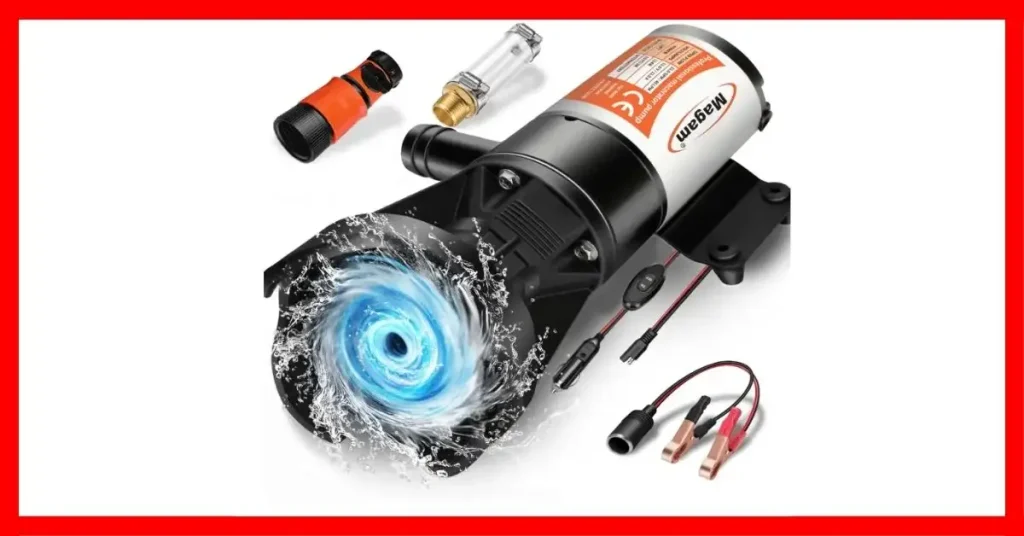
RV macerator pumps are not quiet. Most sound like a blender or a running shower. You will hear hum and vibration when it runs. I remember my first dump. Neighbors a few spots away looked curious. It was louder than I expected.
Some pumps are quieter than others. Smooth motors and tight hoses make a big difference. Using soft hose couplers cuts rattling. Noise depends on motor size, blade design, and hose fit. With the right setup, your pump can be much easier to handle.
Time of day changes how loud it feels. Night dumping seems louder. Midday, it blends into background noise. Running water while pumping and keeping hoses secure also lowers sound. This stops the pump from straining and keeps it steady.
In short, pumps are never silent. But good setup, tight hoses, and smart timing make noise manageable. You can dump cleanly without bothering neighbors or making a show.
Real-World Dumping Tips I Learned the Hard Way
When I started RVing, I thought dumping was simple. I quickly found out it can be messy and frustrating. A few small habits made it easier and faster for me.
Always run water while dumping.
Water keeps waste moving and stops clogs. It also makes your macerator pump work better. I once forgot this and had a clog that took forever to fix.
Never run the pump dry.
Running without water can hurt the motor and blades. Keeping water flowing protects the pump and makes it last longer. I learned this the hard way after a dry run ruined a pump.
Clean the pump after every use.
Rinse it with clean water. This prevents buildup and keeps bad smells away. A quick cleaning keeps the pump working well for years.
Store it properly.
Drain hoses and pump before storing. Keep it dry to stop rust and damage. I once left a hose on over winter and had to replace the motor.
Following these tips makes dumping faster and less stressful. Think of it like taking care of a coffee maker. A little care keeps it running smooth for a long time.
Common RV Macerator Pump Problems (And How to Avoid Them)
Even good RV macerator pumps can run into trouble. I have seen this happen more than once. Knowing the common issues helps you avoid them.
Clogging.
Clogs happen when waste or debris blocks the blades. Using plenty of water while dumping keeps waste moving. Avoid forcing too much through at once. This stops jams and keeps the pump running smooth.
Overheating.
Pumps can get hot if they run dry or work too hard. Always keep water flowing. Give the pump a break if you have a long dump. This keeps the motor safe and lasts longer.
Weak flow.
Low flow can happen if hoses are kinked or dirty. Check hoses and connections. Cleaning the pump after each use keeps water moving strong. Small clogs inside hoses can slow dumping a lot.
Leaks at fittings.
Loose or worn fittings can drip and make a mess. Tighten connections and replace old hoses. A small drip can turn into a puddle fast if ignored.
With a little care, these problems are easy to prevent. Think of your pump like a coffee maker. Clean it, use water, and handle it gently. It will work well for years.
FAQs – Best RV Macerator Pump
What is the best RV macerator pump for most people?
For most RV owners, the best macerator pump is one that balances power, reliability, and noise. Something like the Kitvance or Flojet pumps works well for everyday dumping. They handle typical RV waste easily and don’t overwhelm you with loud noise. If you want a pump that just works without drama, pick one with moderate flow and good customer reviews.
What is the quietest macerator pump?
Noise can be a big deal, especially in tight campgrounds. The quietest pumps usually have insulated motors and well-designed blades. In my experience, pumps labeled “low-noise” like some Flojet or Rhino models make dumping less stressful. Running water while dumping also keeps the motor quieter. A quieter pump is great if neighbors are nearby or if you dump early in the morning.
Do I need a macerator pump for my RV?
Not everyone needs a macerator pump. You’ll benefit most if you often dump uphill, have long sewer hose runs, or use crowded dump stations. If you mostly park close to a sewer with a short, straight hose, a gravity dump works fine. I personally added a pump after struggling with uphill dumps and long lines—it made life much easier.
Can I use a garden hose with a macerator pump?
Yes, you can use a garden hose to supply water during dumping, but it should provide steady flow. The water helps waste move smoothly and keeps the pump from running dry. In my experience, even a small drip from a garden hose can prevent clogs, but stronger flow works best. Avoid forcing too little water; it can slow down the dumping process.
How long does an RV macerator pump last?
A good RV macerator pump can last 5–10 years with proper care. Running water, cleaning after each use, and storing it properly all add years to its life. I’ve seen pumps fail quickly only when people ran them dry or left hoses attached over winter. Treat it gently, and it will serve you for many trips.
What is the best RV water pump vs macerator pump?
A regular RV water pump moves clean water for sinks, showers, and toilets. A macerator pump moves waste through hoses. They are not interchangeable. I’ve seen newbies try to use a water pump for waste—it doesn’t work and can ruin the pump. Think of them like two different tools: one for water, one for waste.

Final Verdict – My Honest Recommendation
After trying several RV macerator pumps on real trips, I can tell you what works. A good pump makes dumping faster, cleaner, and less stressful. For most RVers, a mid-range pump like Kitvance or Flojet works best. It balances power, noise, and reliability.
Who should get a macerator pump now? If you dump uphill, have long sewer hoses, or use busy dump stations, a pump will save you time and hassle. Even weekend travelers can benefit if gravity dumping is slow or messy. In short, anyone who wants easy, clean dumping should consider one.
Who can wait? If your RV is close to a sewer and your hose runs are short and straight, you can stick with gravity dumping. You only need a pump if you want extra reach or faster dumping. I waited a year before adding one, and it only helped when I started visiting tight or remote campgrounds.
The best RV macerator pump is one you trust to handle waste safely and reliably. Look for good flow, proper water use, and solid construction. With a little care, it will last for years. Think of it like a trusty coffee maker—small attention keeps it working smoothly.
To Get More About Sports & Outdoors Product You Can Visit Our Site. If You Found our Posts Helpful Leave a Comment Below