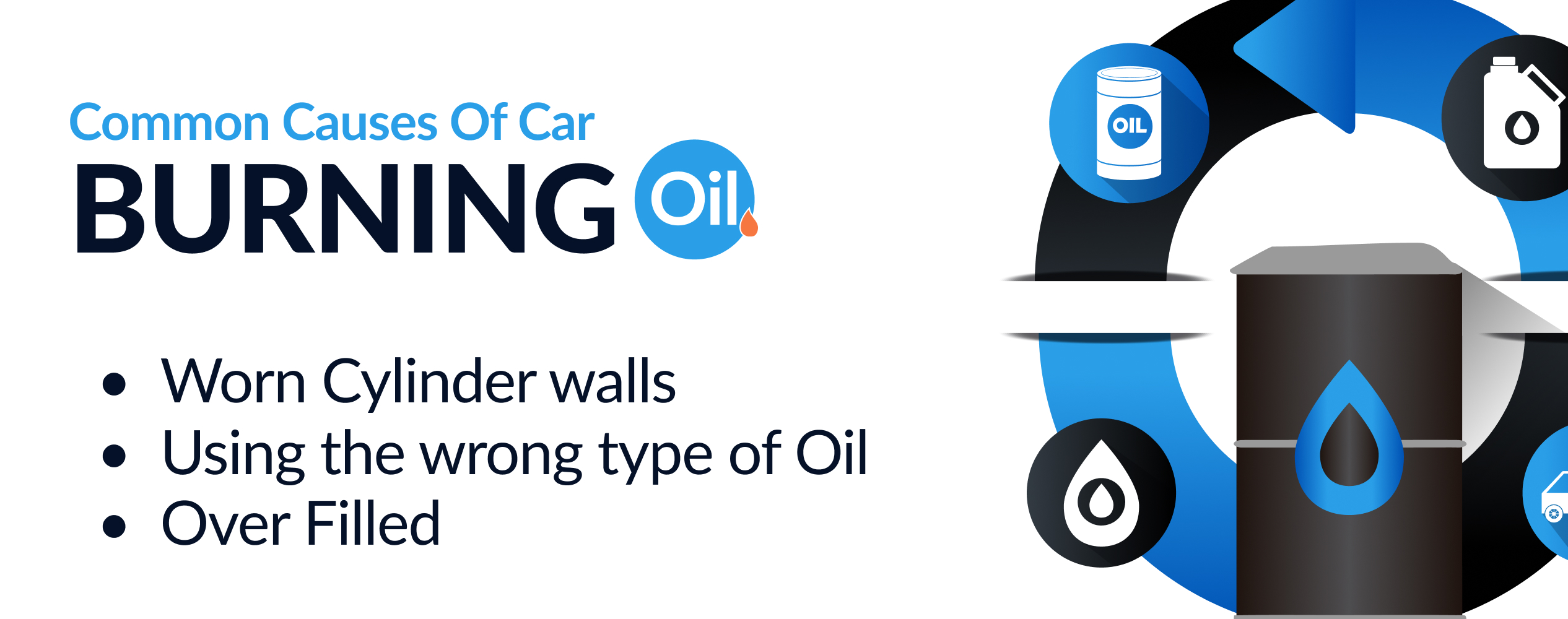
A car can burn oil without leaving a puddle when engine oil enters the combustion chambers and burns with fuel, or when a hidden leak drips onto hot engine parts. Worn piston rings, damaged valve seals, a faulty PCV system, and turbocharger problems are common causes. Check the oil level, watch for smoke, and arrange a repair before low oil damages the engine.
Across the United States, drivers may notice that their cars need oil between changes, even when their driveways and garages stay clean. A dipstick reading that keeps falling can be the first clue. Long highway trips, daily commutes, hot weather, and heavy traffic can all make an existing engine problem easier to notice, but the exact cause depends on the vehicle and its condition.
The lack of a visible leak does not mean the engine is healthy. Oil may enter the cylinders and burn, escape through the crankcase ventilation system, or leak onto a hot surface where it evaporates or burns away. The best approach is to check the oil level safely, record how quickly it drops, look for other symptoms, and use those clues to guide diagnosis rather than replacing parts at random.
A car burns oil without an obvious leak when engine oil gets into places where it should not be, especially the combustion chambers. The oil mixes with the hot gases inside the engine and burns along with the fuel. Some engines also lose oil through crankcase ventilation or develop leaks that leave no obvious mark on the ground.
Engine oil normally forms a thin film on moving parts. This film reduces friction, carries heat, and helps protect metal surfaces. When worn seals, damaged parts, or a faulty ventilation system allow too much oil to move beyond its intended path, the oil level can fall faster than expected.
A small change in oil level over time may be normal for some engines, depending on the design, age, driving conditions, and manufacturer specifications. A sudden increase in oil use, repeated low-level warnings, or a need to add oil far more often than before deserves attention. Check the owner’s manual for the manufacturer’s oil-consumption guidance before deciding that the rate is normal.
The key is to separate three possibilities: oil burning inside the engine, oil escaping through a hidden external leak, and an inaccurate reading or maintenance issue. Each needs a different response, so diagnosis should come before an expensive repair.
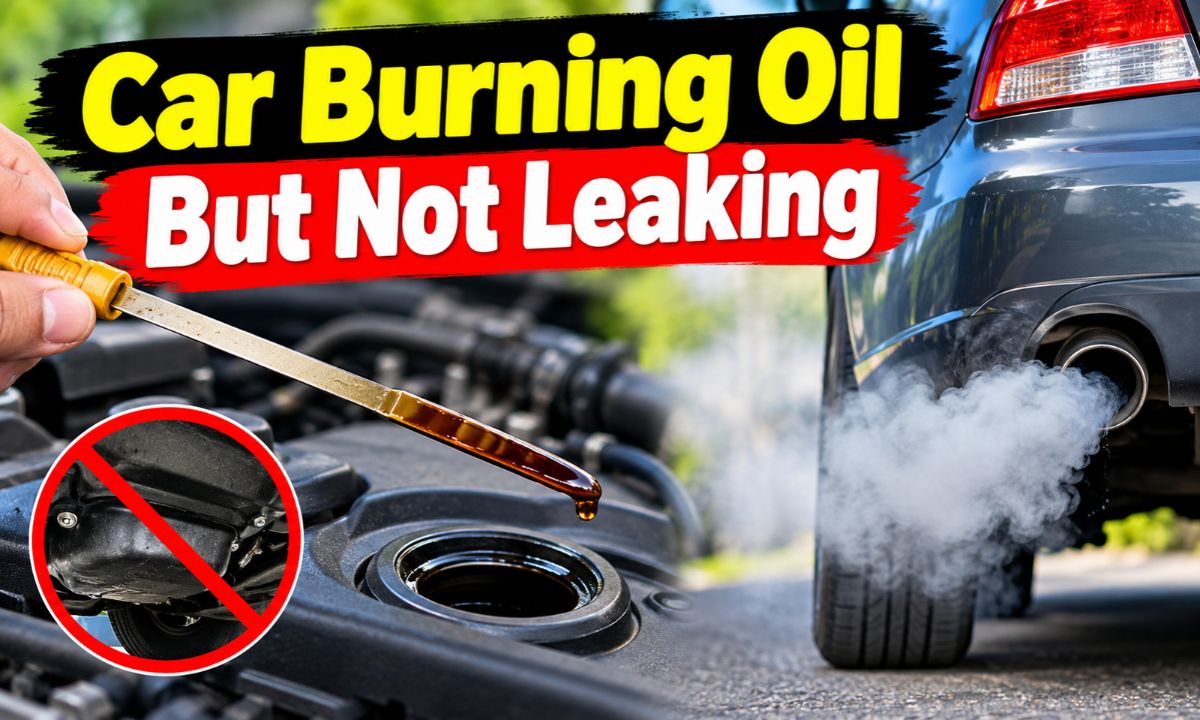
Source: www.youtube.com > car PROblems
Internal oil burning
Oil enters the combustion chamber through worn piston rings, valve seals, damaged cylinder walls, or certain turbocharger faults and burns during engine operation.
Hidden external leakage
Oil may seep onto the exhaust manifold, turbocharger, or another hot surface, where it can smoke or burn before reaching the ground.
Oil measurement or service issue
An incorrect dipstick reading, an oil change that left the engine underfilled, or the wrong checking procedure can make the oil level seem lower than expected.
Can a Car Lose Oil Without Smoke or a Smell?
Yes. Oil consumption can be difficult to see when the amount is small, the catalytic converter reduces visible exhaust pollutants, or the engine burns oil under conditions you do not often observe. A driver may notice only that the dipstick level falls between checks.
A hidden leak may also leave no strong smell. Airflow under the car can move oil away from the source, while a hot surface can burn off small amounts. If the level continues to drop, do not assume the issue has resolved simply because the exhaust looks clear.
Track the level
Record the oil level and odometer reading using the method in the owner’s manual. Repeat the check under similar conditions.
Look for other clues
Watch for blue-gray smoke, oily residue, a burning smell, rough running, warning lights, or repeated oil top-ups.
Common Causes of Oil Consumption Without Visible Leaks
The most likely cause depends on the engine design, mileage, maintenance history, and when the symptoms occur. A car that smokes briefly after starting may have a different problem from one that smokes under hard acceleration. These clues help narrow the list, but none confirms a fault by itself.
Start with the simpler checks, such as the crankcase ventilation system and signs of hidden leakage. Internal engine wear is possible, but it should not be assumed before easier causes have been checked. A careful diagnosis can prevent the cost of replacing major engine parts that are still in good condition.
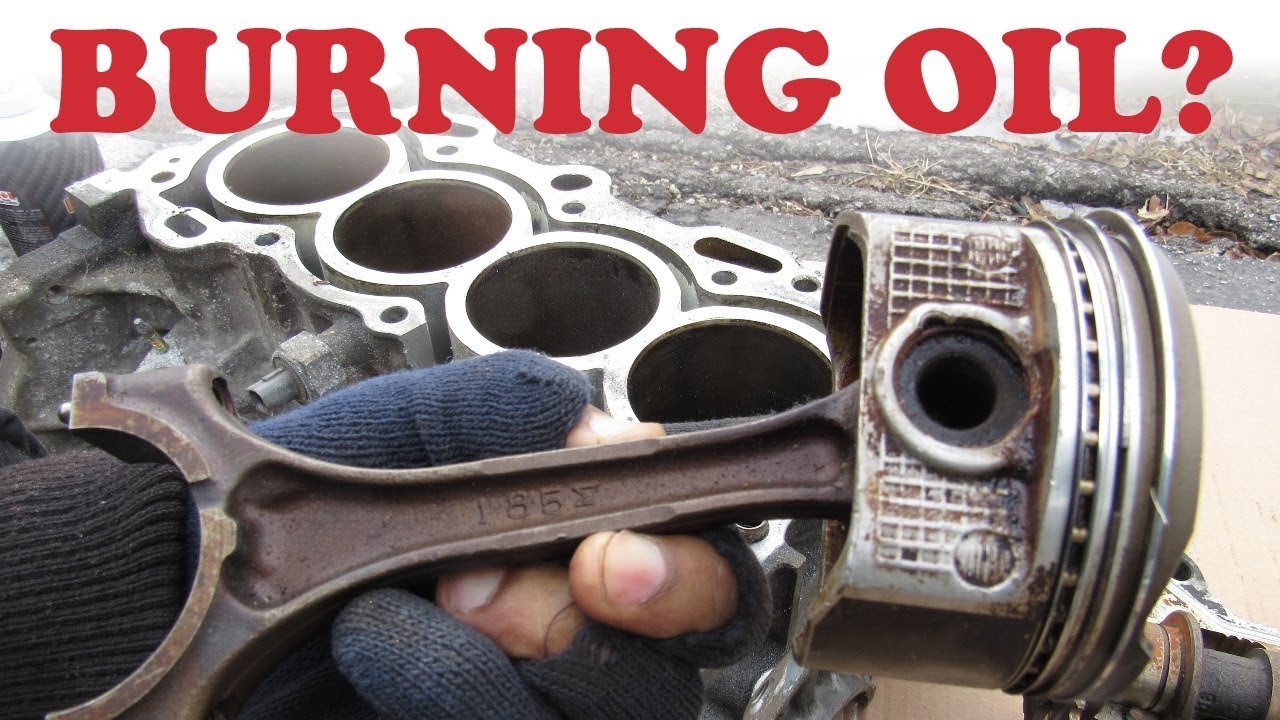
Source: YouTube > speedkar99
Worn or stuck piston rings
Piston rings help seal the space between the pistons and cylinder walls. Worn, damaged, or stuck oil-control rings can leave excess oil on the cylinder walls, allowing it to enter the combustion chamber and burn.
Worn valve stem seals or guides
Valve seals and guides help control oil around the engine’s intake and exhaust valves. When they wear, oil can enter the combustion chamber, often producing smoke after the engine starts or after a period of idling.
Faulty PCV system
The positive crankcase ventilation system manages gases that pass into the crankcase. A stuck valve, blocked passage, or related fault can upset crankcase pressure and may pull excess oil into the intake.
Turbocharger oil seal or bearing problem
On turbocharged engines, a fault in the turbocharger’s oil-control system or related oil drainage can allow oil into the intake or exhaust. Similar symptoms can also come from blocked drains or excessive crankcase pressure.
Worn cylinder walls
Scored or worn cylinder walls can prevent the piston rings from controlling oil properly. This may occur with high mileage, poor lubrication, overheating, or other engine damage.
Oil that does not match the specification
Oil with the wrong viscosity or required specification can affect engine lubrication and oil control. Using the specified oil is important, but changing oil grade alone will not repair worn parts.
Hidden external oil leak
A leaking valve cover gasket, oil filter housing, oil cooler, or other seal can allow oil to reach a hot component. The oil may burn away before it reaches the pavement.
Worn Piston Rings and Cylinder Walls
Piston rings have different jobs, including controlling oil on the cylinder walls and helping seal combustion pressure. When the oil-control rings stick because of deposits or wear, excess oil may remain on the cylinder walls. The engine can then burn that oil during normal operation.
Possible clues include ongoing oil loss, blue-gray exhaust smoke, oily spark plugs, reduced engine performance, or increased crankcase blow-by. Blow-by is the movement of combustion gases past the piston rings into the crankcase. These symptoms can overlap with other faults, so a mechanic may need compression and leak-down tests to assess the engine’s condition.
The repair depends on the cause and severity. Some deposit-related problems may respond to an approved cleaning procedure, but badly worn rings or damaged cylinder walls can require major engine work. Avoid relying on an engine flush or oil additive as a substitute for a proper diagnosis.
Useful diagnostic clues
Persistent oil use, exhaust smoke during acceleration, reduced compression, or excessive crankcase pressure can support further investigation of ring or cylinder problems.
Likely repair
A confirmed mechanical fault may require internal engine repair, such as piston ring replacement or cylinder work. The exact scope should follow test results.
Leaking Valve Seals
Valve stem seals control the amount of oil that reaches the area around the valves. If a seal hardens, cracks, or wears, oil may seep into the intake or exhaust port and then burn inside the engine.
A brief puff of blue-gray smoke after a cold start can be a clue. Smoke after the car has idled for a while and then accelerates may also point toward valve seal problems. However, smoke timing is not a reliable stand-alone test because other engine faults can produce similar patterns.
Repair options vary by engine design. Some engines allow valve seal replacement without removing the cylinder head, while others need more extensive disassembly. A mechanic should confirm the likely source before recommending the repair.
Common clue
A short burst of blue-gray smoke after starting or after extended idling may suggest oil passing the valve seals.
Repair approach
Replace worn seals or repair damaged valve guides as required by the inspection findings and the engine’s design.
A Faulty PCV Valve or Crankcase Ventilation System
The PCV system routes crankcase gases back into the intake so the engine can burn them. It also helps control crankcase pressure. If a valve sticks, a hose becomes blocked, or an oil separator fails, the system may carry excess oil mist into the intake or allow pressure to build.
Possible signs include unexplained oil use, oil residue inside intake pipes, rough idling, whistling, or oil seepage from seals. These symptoms are not exclusive to a PCV fault. Some modern systems use integrated oil separators or electronically managed components rather than a simple replaceable valve.
A mechanic can inspect the hoses, valve, separator, and crankcase pressure against the vehicle maker’s service procedure. Replacing the faulty part may be relatively simple compared with internal engine repairs, but only if testing confirms that it is the cause.
Check the system design
Use the owner’s manual or a vehicle-specific service guide to determine which ventilation parts your engine has and how they should be tested.
Avoid guesswork
Do not replace the PCV valve based only on oil use. Check related hoses, oil separators, pressure conditions, and any other faults.
Turbocharger Problems
A turbocharger uses engine oil to lubricate and cool its moving parts. If its oil-control components fail, its drain becomes restricted, or crankcase pressure rises too high, oil may enter the intake or exhaust path and burn.
Clues can include blue-gray smoke, oil accumulation in intake piping, unusual turbo noises, or a change in boost performance. A small amount of oil film in some intake systems is not enough on its own to prove a turbo failure. The mechanic must consider the engine’s ventilation system and the turbo’s oil supply and return.
A confirmed fault may require cleaning a restricted oil drain, correcting crankcase ventilation problems, or repairing or replacing the turbocharger. On some engines, continuing to drive with a severe turbo oil leak can lead to rapid engine damage, so heavy smoke or sudden oil loss requires prompt attention.
Check related systems
Inspect the turbocharger, oil feed and return lines, intake tract, and crankcase ventilation system as a connected group.
Act quickly when symptoms are severe
Stop driving and arrange professional help if thick smoke, a sudden drop in oil level, unusual mechanical noise, or major loss of power occurs.
Signs That Your Car Is Burning Oil
The most useful signs are a falling dipstick reading, blue-gray exhaust smoke, repeated low-oil warnings, and a burning-oil smell. One symptom alone may not identify the cause, but several signs together can help a mechanic choose the right tests.
Pay attention to when each symptom occurs. Smoke during acceleration may point toward one set of engine problems, while smoke after starting or idling may suggest another. These are diagnostic clues, not rules that can replace inspection.
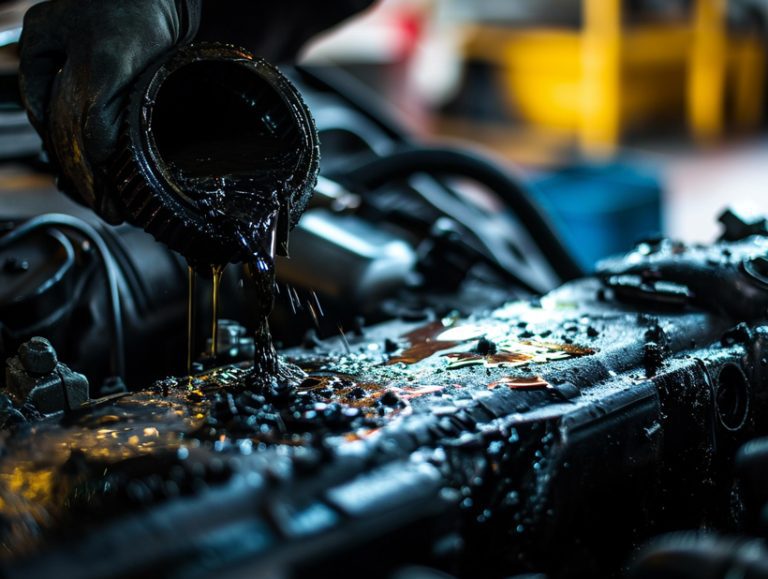
Source: carproblemsolved.com
Blue or blue-gray exhaust smoke
Oil burning in the engine can give the exhaust a blue or blue-gray tint. Smoke may be more visible when starting, accelerating, or returning to the throttle after idling.
Frequent oil top-ups
If you add oil often but cannot find an external leak, record the quantity added and the distance driven. This helps establish the rate of oil consumption.
Burning-oil smell
Oil dripping onto an exhaust component can create a sharp, burnt smell. Internal oil burning may also create unusual exhaust odors, although smell alone cannot confirm the source.
Spark plug deposits
Oil entering a cylinder can leave oily deposits on a spark plug and may contribute to misfires. A mechanic can inspect the plugs for evidence of oil contamination.
Engine or emissions warning lights
Oil consumption can contribute to misfires or emissions-system problems, but warning lights may also have unrelated causes. Read the diagnostic trouble codes rather than guessing.
Low oil pressure warning
A red oil-pressure warning may indicate inadequate oil pressure, which can damage the engine quickly. Stop the engine as soon as it is safe and follow the owner’s manual.
What Different Smoke Patterns May Mean
Smoke timing can help narrow the possible causes. A short puff after startup may fit a valve-seal problem, while smoke during acceleration can occur with ring wear or other faults. Smoke from under the hood rather than the tailpipe may indicate oil reaching hot engine parts.
White vapor on a cold morning can be ordinary condensation, especially when it fades as the exhaust warms. Persistent dense white smoke with coolant loss may point to a coolant-related problem instead. Black smoke often indicates a rich fuel mixture rather than oil burning, although symptoms can overlap.
Smoke at startup
Possible causes include valve seal leakage or oil entering the combustion chamber while the engine sits.
Smoke during acceleration
Possible causes include piston ring or cylinder wear, turbocharger faults, or another problem that allows oil into the intake or cylinders.
Smoke under the hood
Inspect for external oil leaks near hot engine or exhaust parts. Turn the engine off before looking closely and let hot components cool.
How to Check Why Your Car Is Losing Oil
You can perform a few basic checks at home before booking a repair, as long as the car is parked safely and the engine is handled according to the owner’s manual. These checks help establish whether the oil level is falling and whether an obvious external leak may be present. They do not replace tests needed to identify internal engine damage.
Use a level parking area, keep your hands and clothing away from moving parts, and never reach near a hot exhaust. If you are unsure how to check the oil on your vehicle, use the manual rather than applying a procedure intended for another model.
Source: autodoc.co.uk
Step 1: Check the oil level correctly
Park on level ground and follow the manual’s instructions for whether the engine should be cold or switched off for a specified waiting period. Read the dipstick, wipe and reinsert it if required, then check the level again.
Step 2: Confirm the oil specification
Check the oil grade and performance specification listed by the vehicle maker. If the last oil change used an unsuitable oil or the engine was underfilled, correct the service issue.
Step 3: Look for external oil traces
With the engine off and cool, look for fresh wetness around accessible areas such as the oil filter, valve cover, and lower engine surfaces. Do not crawl under a car supported only by a jack.
Step 4: Note smoke and odors
Record whether smoke appears at startup, during acceleration, after idling, or under the hood. Do not deliberately rev the engine or perform risky road tests to create smoke.
Step 5: Track oil added and distance driven
Write down each top-up, the amount added, the odometer reading, and the conditions in which you drive. Compare the rate with the vehicle maker’s guidance.
Step 6: Arrange targeted testing
If oil use continues without an obvious explanation, ask a mechanic to inspect the PCV system, intake, turbocharger if fitted, spark plugs, and engine sealing as indicated by the symptoms.
How to Track Oil Consumption
A simple log can show whether the problem is stable or getting worse. Start with the correct oil level, note the odometer reading, and check the level again using the same method after a known distance. Record the amount needed to return the level to the correct range.
For example, suppose a vehicle travels 1,000 miles and needs one quart of oil to restore the level to the same mark. The recorded consumption is one quart per 1,000 miles under those conditions. This is a hypothetical calculation, not a universal acceptable rate; compare it with the guidance for the exact engine.
Keep records consistent
Use the same parking surface, checking procedure, and dipstick reference points. Include the amount of oil added and the mileage.
Do not wait for the warning light
Check the level at the intervals stated in the manual, especially when you already know the engine consumes oil. Some warning systems activate only after a problem has progressed.
What a Mechanic May Test
A mechanic should select tests based on the symptoms rather than perform every possible test on every car. An external leak inspection may come first, followed by PCV system checks, spark plug inspection, and a review of stored diagnostic codes where relevant.
Compression testing measures how well each cylinder builds pressure during cranking. A leak-down test introduces compressed air into a cylinder and checks where it escapes. These tests can reveal sealing problems, but normal or similar compression readings do not always rule out faulty oil-control rings because oil control and compression sealing are related but distinct functions.
If an external leak is hard to find, a shop may use an approved leak-detection dye or clean the affected area and recheck it. Turbocharged engines may need a specific inspection of the turbo oil system and intake. The repair should follow the evidence gathered from the vehicle, not just a generic symptom list.
Visual inspection
Checks gaskets, seals, oil lines, filter areas, and nearby hot components for evidence of external leakage.
PCV and intake inspection
Looks for faulty ventilation parts, blocked passages, unusual crankcase pressure, or excessive oil in the intake tract.
Engine sealing tests
Compression and leak-down testing can help assess cylinder sealing when internal wear is suspected.
Targeted component checks
Depending on the engine, the mechanic may inspect valve seals, spark plugs, turbocharger components, and oil-control systems.
How to Fix a Car That Burns Oil but Does Not Leak
The right repair depends on where the oil is going. A faulty PCV valve may be a relatively simple fix, while worn piston rings can require major engine work. Confirm the cause first so you do not spend money replacing a part that was never responsible for the oil loss.
If the engine is otherwise running well, do not treat that as proof that the issue is harmless. An engine can consume oil before it develops obvious noise or performance problems. The goal is to restore correct oil control and protect the engine, catalytic converter, and other affected systems.
Source: hitchesguide.com
Repair a faulty PCV system
Replace or repair the confirmed faulty valve, hose, oil separator, or related component according to the vehicle maker’s service procedure.
Replace worn valve seals when confirmed
Have the affected seals or guides repaired as required by the engine design. Confirm the diagnosis because startup smoke can have more than one cause.
Repair piston rings or cylinder damage
Internal wear may require engine disassembly, ring replacement, cylinder repair, or a replacement engine. Compare the repair estimate with the vehicle’s condition and value.
Address turbocharger oil problems
Repair a blocked drain, correct excessive crankcase pressure, or service the turbocharger as indicated by inspection. Replacing the turbo without correcting the underlying cause can lead to repeat trouble.
Fix hidden external leaks
Replace the failed gasket, seal, oil line, or other component. Clean the affected area and confirm that fresh oil no longer appears.
Correct oil type and service errors
Use oil that meets the exact required viscosity and specification, and correct any underfill or overfill. Do not assume the oil grade alone will repair mechanical wear.
Can Thicker Oil Stop Oil Burning?
Thicker oil is not a universal solution for oil consumption. Some vehicle makers approve more than one viscosity for certain engines and climates, but the correct choice depends on the engine design, temperature range, and required oil specification.
Using oil that is too thick can affect cold-start lubrication and the operation of systems designed around a specific viscosity. It may also fail to address the real cause of oil loss. Check the owner’s manual or a qualified technician before changing grades.
Use the specified oil
Follow the required viscosity and performance standard rather than selecting oil only because it is thicker.
Do not mask a major fault
If the engine keeps losing oil, arrange diagnosis even if a different oil appears to slow the loss.
Do Oil Additives or Engine Flushes Work?
An oil additive or engine flush cannot rebuild worn piston rings, restore damaged cylinder walls, or repair a broken valve seal. Some products claim to reduce consumption, but results depend on the underlying problem and product compatibility. A change in the dipstick reading after using a product does not prove that the mechanical issue has been fixed.
Unapproved cleaning products can create risks for some engines, particularly if they disturb deposits or are incompatible with the required oil. Use only products allowed by the vehicle maker, and seek a diagnosis before trying a chemical treatment for an unexplained loss of oil.
When a product may be considered
A mechanic may recommend a vehicle-compatible treatment for a specific, supported condition after reviewing the service history and manufacturer guidance.
When a product is not enough
Heavy smoke, rapid oil loss, low oil pressure, or confirmed mechanical wear calls for proper repair rather than repeated additive use.
How Much Does an Oil-Burning Repair Cost?
Repair costs vary widely across the United States because labor rates, parts prices, engine layout, and the amount of disassembly differ by vehicle. A PCV valve or accessible gasket may cost far less to repair than piston rings, cylinder damage, or a turbocharger assembly.
It is better to get a written estimate based on test results than to rely on a generic online price. Ask the shop to explain the confirmed fault, which tests support the diagnosis, what parts and labor are included, and whether related damage has been found.
Lower-complexity repairs
A confirmed faulty PCV component, accessible seal, or minor external leak may be less labor-intensive, though costs still depend on the vehicle.
Higher-complexity repairs
Valve work, turbocharger replacement, piston ring repair, and cylinder machining can involve substantial labor and additional parts.
Compare repair and replacement options
For major engine damage, compare the estimate for repair with a professionally assessed replacement engine and the vehicle’s overall condition.
What Happens If You Keep Driving While the Engine Burns Oil?
Continuing to drive without monitoring the oil level can lead to serious engine damage. Oil protects bearings, pistons, camshafts, and other moving parts. If the level drops far enough, the oil pump may not maintain the lubrication and pressure the engine needs.
Oil burning can also harm the catalytic converter and oxygen sensors over time. Deposits may build up on spark plugs, contribute to misfires, and increase emissions. These secondary problems can make a repair more expensive than addressing the original fault early.
The risk depends on how much oil the engine is losing and whether the oil pressure remains within specification. A car that uses a small, stable amount may be managed under the manufacturer’s guidance while a repair is planned, but a sudden drop or warning light changes the situation.
Source: auttomotogeek.com
Engine bearing or internal damage
Low oil levels can reduce lubrication and cause severe wear or engine seizure.
Catalytic converter damage
Burning oil can contaminate emissions-control components and shorten their useful life.
Spark plug fouling and misfires
Oil deposits can interfere with ignition and lead to rough running or warning lights.
Unexpected breakdown
A rapid loss of oil or pressure can turn a manageable repair into major engine damage while driving.
When Should You Stop Driving?
Stop in a safe place and shut off the engine if the red oil-pressure warning appears, the engine develops loud knocking, or thick smoke appears with a sudden loss of oil or power. Follow the owner’s manual and arrange roadside assistance or a tow when continued driving could cause damage.
If the dipstick shows no oil or the level is below the safe range, do not keep driving to reach a repair shop. Add the correct oil only when it is safe and appropriate to do so, and do not restart an engine that has shown a serious oil-pressure problem until the cause has been assessed.
Urgent warning
A red oil-pressure light, severe knocking, heavy smoke, or sudden oil loss calls for stopping the engine and getting professional help.
Lower urgency does not mean no repair
If the level is within range and no severe warning is present, arrange diagnosis soon and keep monitoring the level according to the manual.
How to Prevent Excessive Oil Consumption
Routine maintenance can reduce avoidable oil-related problems, although it cannot prevent every form of engine wear. The most useful habits are to use the correct oil, change it on schedule, monitor the level, and respond to new symptoms early.
Driving conditions matter, too. Repeated short trips, severe operating conditions, heavy loads, and high engine temperatures can affect maintenance needs on some vehicles. Follow the schedule and severe-service guidance in the owner’s manual rather than relying on a single interval for every car.
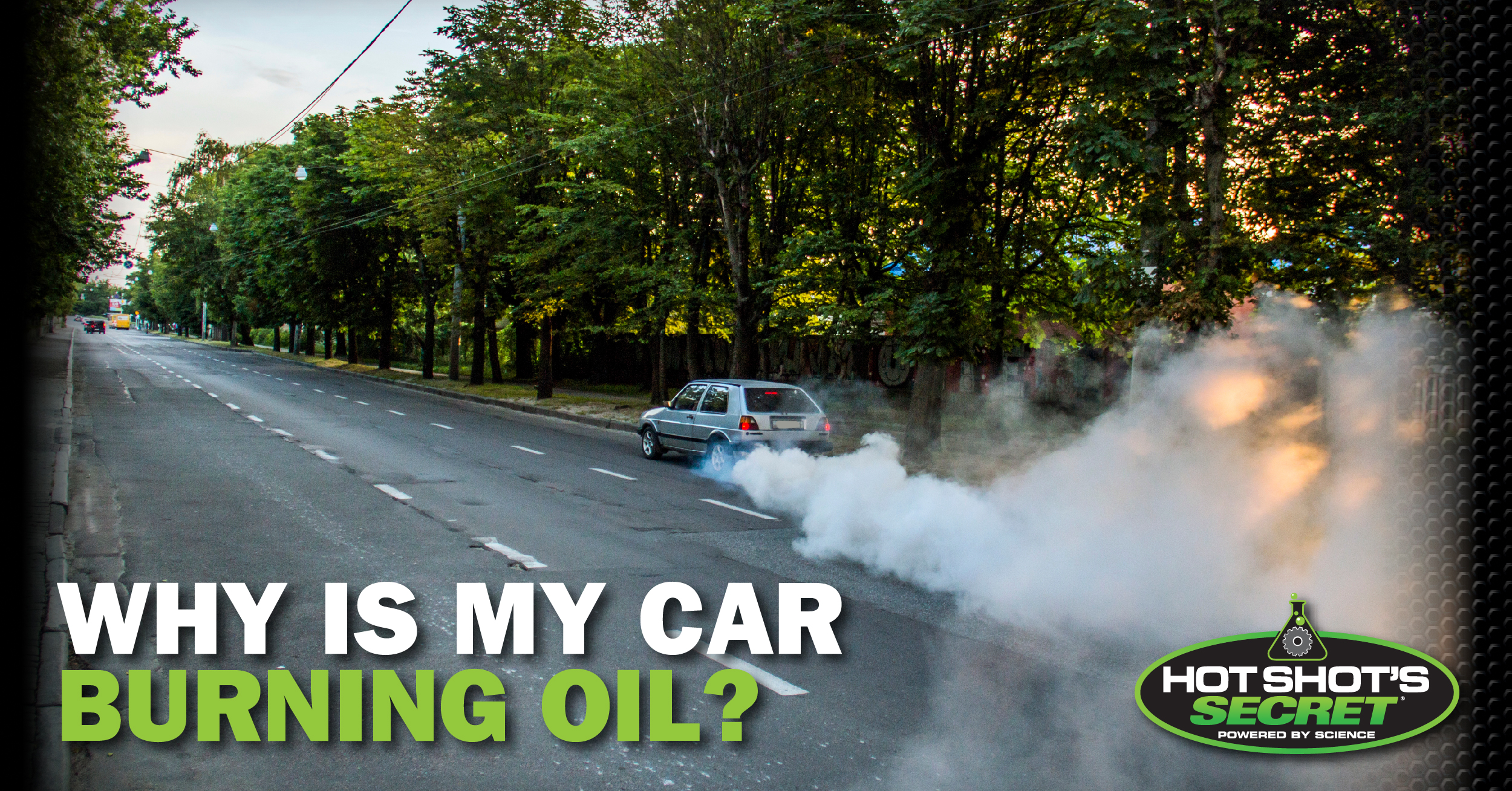
Source: hotshotsecret.com
Use the correct oil grade
Choose oil that meets the viscosity and performance specifications required for the exact engine.
Follow the service schedule
Change the oil and filter at the intervals specified by the vehicle maker, including any severe-service schedule that applies.
Check the level regularly
Use the method and frequency recommended in the manual. Check more often if your vehicle has a known consumption issue.
Maintain the PCV system
Inspect or service ventilation components when the manufacturer calls for it or when symptoms indicate a fault.
Respond to overheating
Stop safely if the engine overheats and address the cause. Excessive heat can contribute to engine damage and oil-control problems.
Keep service records
Record oil changes, oil top-ups, mileage, warning lights, and repairs so changes in consumption are easier to identify.
Check for Recalls, Service Bulletins, and Warranty Coverage
Some vehicle models may have manufacturer service information related to oil consumption or particular engine components. Whether it applies depends on the exact make, model, model year, engine, vehicle identification number, and current warranty terms.
In the United States, you can check the National Highway Traffic Safety Administration’s recall lookup for safety recalls. A recall search does not identify every service bulletin, warranty extension, or known repair issue, so contact the manufacturer’s dealer or customer support with your vehicle details if excessive oil consumption persists.
Check safety recalls
Use the official NHTSA recall lookup and enter the vehicle identification number when available.
Ask about applicable service information
Request confirmation of any relevant service bulletin, warranty extension, or manufacturer oil-consumption procedure for your exact vehicle.
How to Choose the Right Next Step
The safest next step depends on the oil level, the rate of loss, and any other symptoms. A falling oil level with no warning light still needs attention, while a red oil-pressure warning or severe engine noise calls for immediate action.
Use the following table to organize your observations and decide what to do next. These are practical triage suggestions, not a substitute for a vehicle-specific diagnosis.
Source: satjapan.com
Oil level is stable and within range
Continue the manufacturer’s recommended checks and record the level if you suspect a gradual change.
Oil level keeps dropping without visible leaks
Check for service errors and obvious external traces, then book an inspection for internal consumption or hidden leakage.
Blue-gray smoke or a burning smell appears
Arrange a prompt inspection and describe when the smoke or smell occurs.
Red oil-pressure light or loud knocking occurs
Stop the engine as soon as safely possible and arrange professional assistance.
Symptom and Action Guide
The pattern of symptoms helps set priorities. Oil use that develops slowly may allow time for a planned inspection, but rapid changes deserve a faster response. If two or more serious symptoms appear together, treat the situation as urgent.
Falling oil level, no smoke
Check the level correctly, record the amount added and mileage, and arrange an inspection if the loss continues.
Blue smoke at startup
Ask the mechanic to assess valve seals and other possible paths for oil to enter the combustion chamber.
Blue smoke under acceleration
Request an inspection of the piston rings, cylinder condition, ventilation system, and turbocharger if fitted.
Burning smell with smoke under the hood
Turn the engine off in a safe place, avoid touching hot parts, and arrange an inspection for an external leak.
Oil-pressure warning or engine knocking
Stop the engine and do not continue driving until the cause has been checked.
Frequently Asked Questions
Q
Can a car burn oil without showing blue smoke?
Yes. A small amount of oil may burn without producing smoke that is easy to see. The catalytic converter can reduce visible signs, and smoke may appear only under certain driving conditions. If the dipstick level keeps falling, investigate the cause even when the exhaust looks normal.
Q
Why does my car lose oil but leave no puddle?
The oil may enter the combustion chamber and burn, pass into the intake through a faulty crankcase ventilation system, or leak onto a hot engine or exhaust part. Oil may also collect on an underbody panel instead of reaching the ground. A careful inspection can help separate these causes.
Q
Is it safe to drive a car that burns oil?
It depends on the oil level, how quickly it is falling, and whether warning signs are present. Do not drive with a red oil-pressure warning, severe knocking, or a dangerously low oil level. If the level remains within the specified range and no urgent symptoms occur, arrange a prompt inspection and monitor it as directed in the owner’s manual.
Q
How often should I add oil to a car that burns oil?
There is no single safe interval for every vehicle. Check the level at the frequency recommended by the manufacturer, and more often if your car has a known oil-consumption problem. Record each top-up and the mileage, use the specified oil, and have the engine checked if consumption is rising or exceeds the manufacturer’s guidance.
Q
Can an oil change fix an engine that burns oil?
An oil change can correct a problem caused by unsuitable or degraded oil, and correcting an underfill can restore the proper level. However, an oil change will not repair worn piston rings, damaged valve seals, or a faulty turbocharger. Use the correct specification and diagnose persistent oil loss rather than relying on repeated oil changes.
Q
Does burning oil mean the engine needs to be replaced?
No. Some causes, such as a faulty PCV valve or an accessible external leak, may be repaired without major engine work. Other causes, including severe piston ring or cylinder damage, may require extensive repairs. Testing and a written estimate help determine whether repairing the engine or replacing it makes more sense for the vehicle.
Q
Can low oil cause the check engine light to turn on?
Low oil can contribute to engine problems, and oil burning may foul spark plugs or affect emissions equipment. However, the check engine light does not identify oil consumption by itself. Read the diagnostic trouble codes and check the oil level using the correct procedure. Treat a red oil-pressure warning as a separate urgent warning.
✦ Wrapping Up
Conclusion
When a car burns oil but does not leak onto the ground, the oil may be entering the combustion chamber, passing through the crankcase ventilation system, escaping through a turbocharger, or burning on a hot engine part. Worn piston rings, valve seals, and hidden leaks are all possible causes. The symptoms can narrow the list, but a proper inspection is needed to confirm the fault.
Start by checking the oil level according to the owner’s manual, confirming that the correct oil was used, and recording how much oil the engine consumes over a known distance. Watch for smoke, odors, warning lights, and changes in engine performance. If the loss continues, ask a mechanic to perform targeted tests rather than replacing parts based on guesses.
Most importantly, do not let the absence of a puddle create a false sense of security. Keep the oil within the specified range, follow the manufacturer’s maintenance guidance, and stop driving if the oil-pressure warning appears or the engine develops severe noise or sudden heavy smoke. Early diagnosis can help prevent avoidable damage and keep repair decisions grounded in evidence.
💡 Key Takeaway
Check the oil level safely today, record the odometer reading and any oil added, and arrange a targeted inspection if the level keeps falling. Stop the engine and seek assistance if the oil-pressure warning appears or severe symptoms develop.