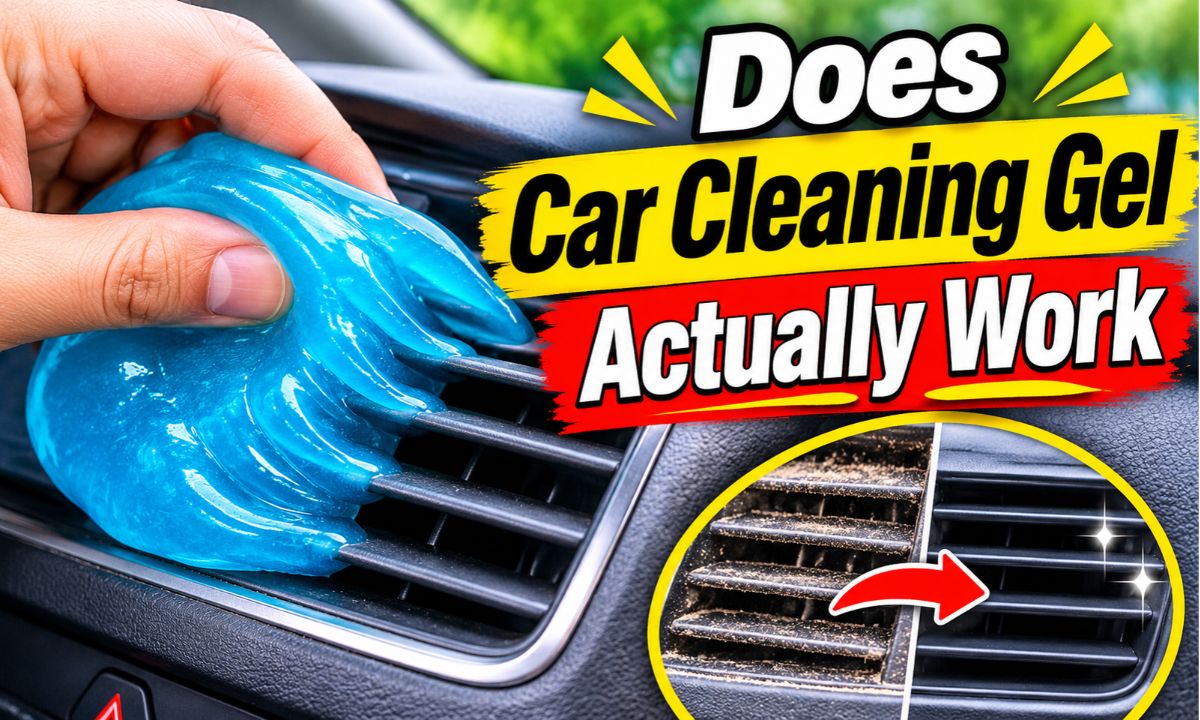
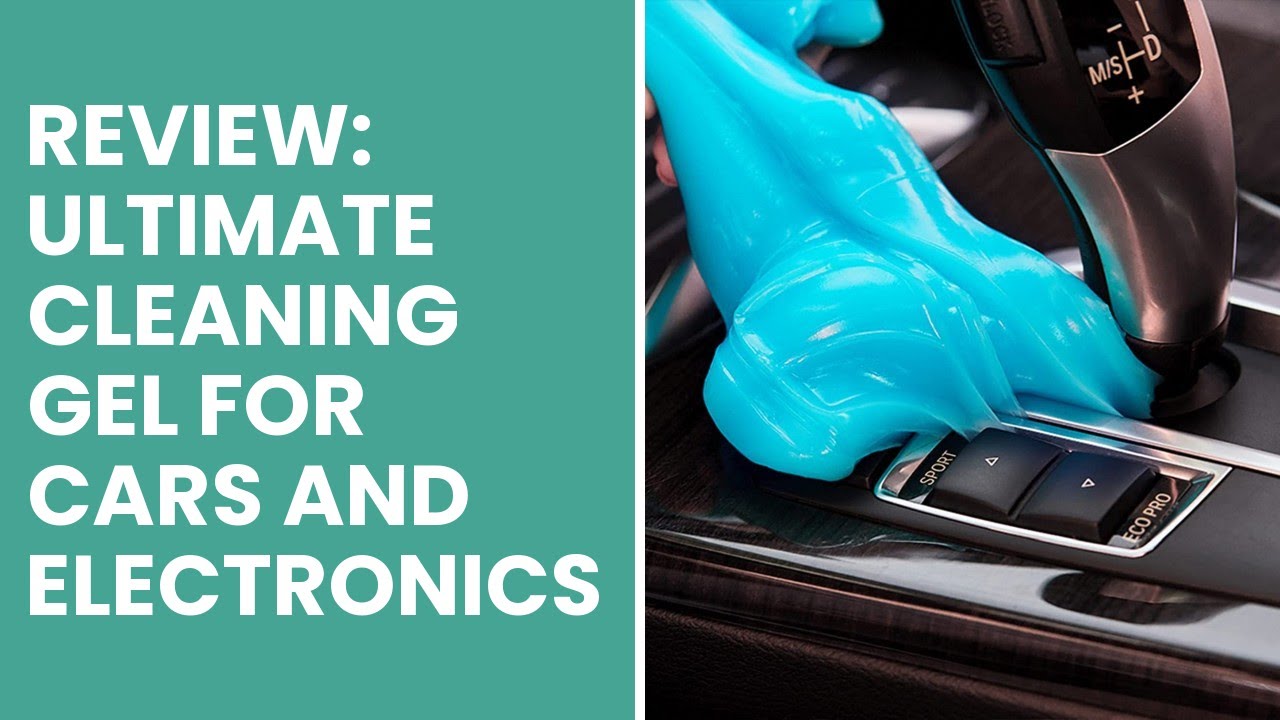
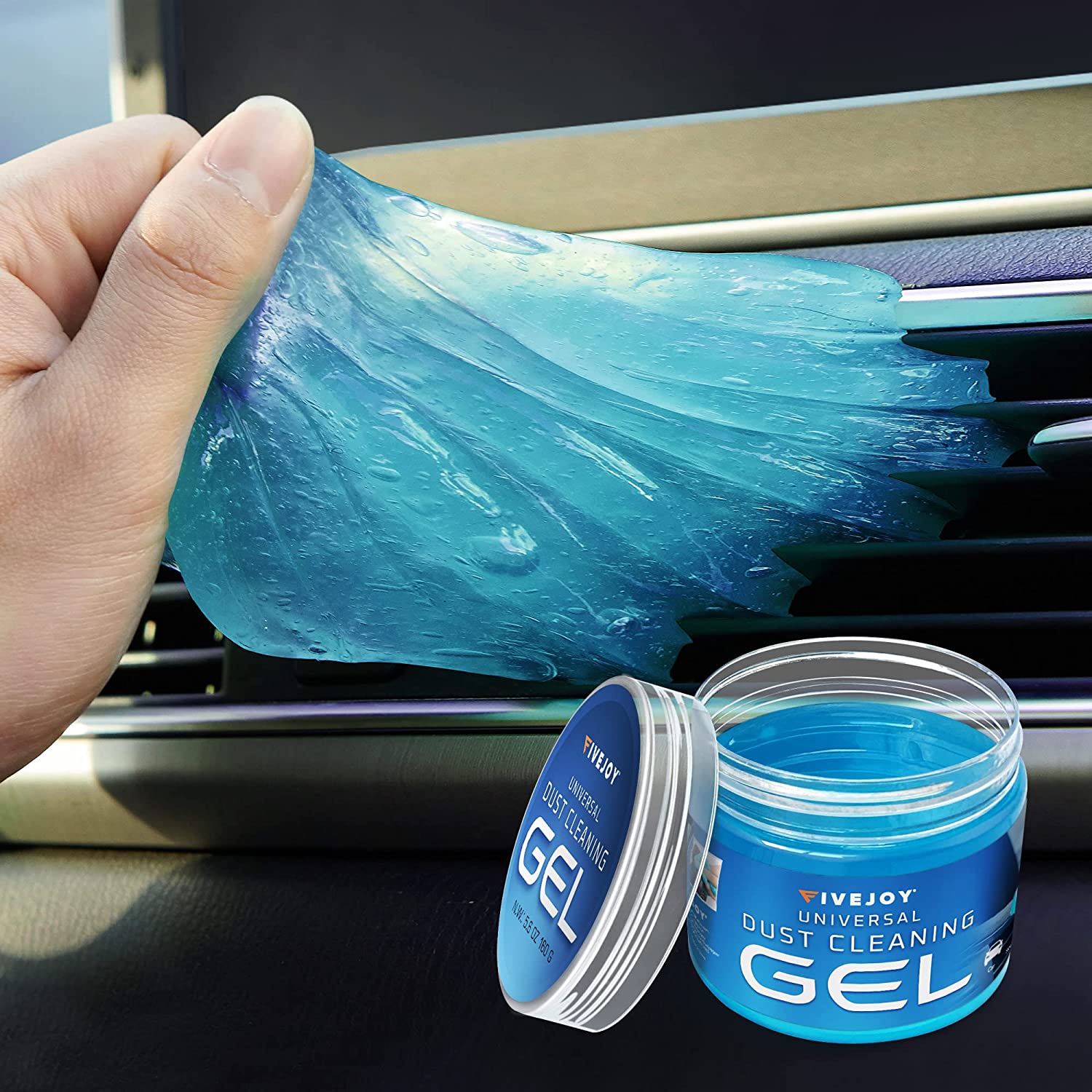
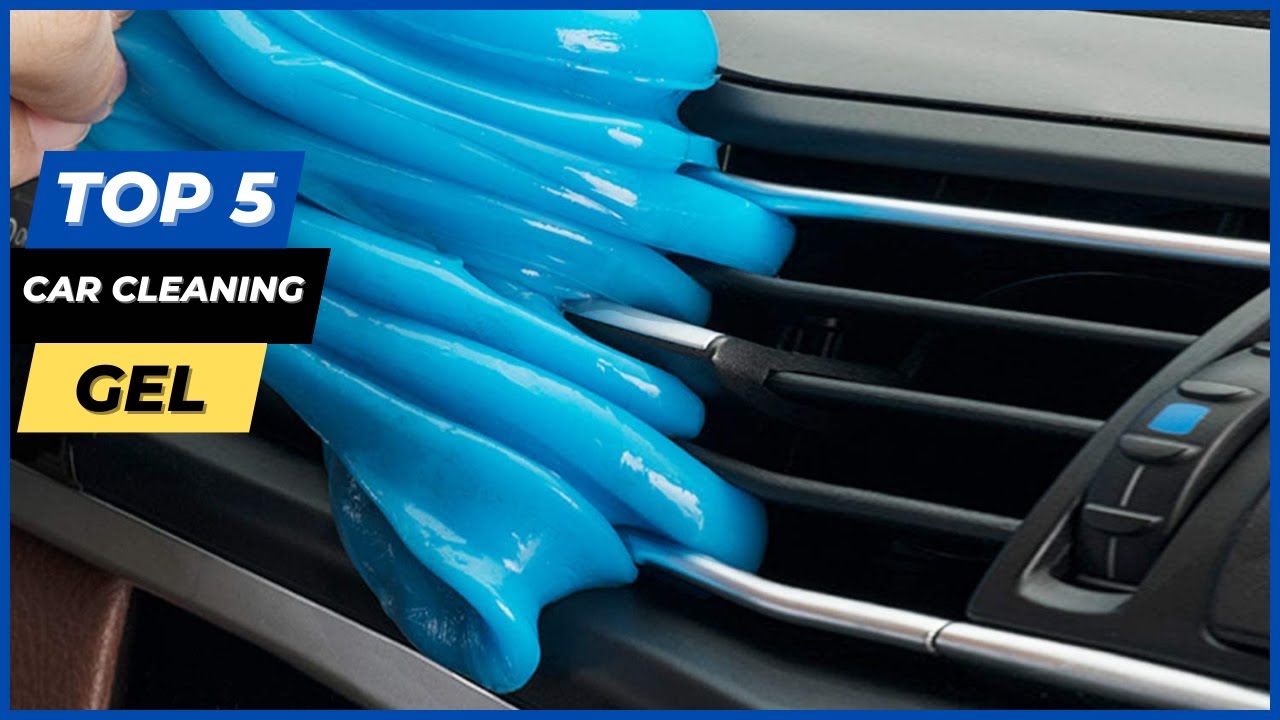
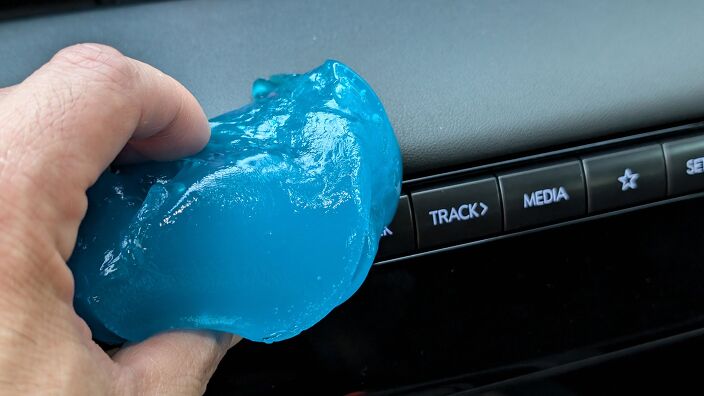
Yes, car cleaning gel works for lifting loose dust, crumbs, and small debris from hard-to-reach areas, but it cannot replace a proper interior cleaner.
Keeping a car clean is part of regular vehicle care for drivers across the United States. From daily commutes in New York to long road trips across Texas and California, car interiors collect dust, food crumbs, pet hair, and dirt. Much of this mess settles in places that a normal cleaning cloth cannot reach.
That is where car cleaning gel comes in. This soft, sticky material is designed to fit into small gaps and lift loose dirt when you press it against a surface. You may have seen videos showing colorful gel picking up dust from air vents, cup holders, dashboards, and other tight spaces. The process looks simple, but does it really work?
The short answer is yes, within limits. Car cleaning gel can pick up loose particles from suitable hard surfaces. However, it does not dissolve grease, remove deep stains, or clean dirty fabric. Its results depend on the gel formula, the surface, the type of dirt, and how you use it.
Understanding these limits can help you decide whether this small cleaning tool deserves a place in your car care kit. It can make quick interior touch-ups easier, but it works best alongside a vacuum, microfiber cloth, and suitable interior cleaner.
Yes, car cleaning gel actually works when you use it for the right kind of dirt. Its main job is to collect loose dust, small crumbs, and light debris from areas that are hard to reach with a cloth. The sticky texture helps particles cling to the gel as you press and lift it.
Think of it as a soft dust catcher. A cloth moves across the surface, while the gel molds around some small shapes and gaps. This makes it useful for narrow spaces between buttons, shallow dashboard seams, and the visible parts of air vents.
However, its cleaning power is limited. The gel does not contain the same cleaning action as a liquid interior cleaner. It cannot break down oily film or loosen a dried drink spill just by touching it.
The best way to judge it is to look at the job you need to do. If your car has loose dust in small gaps, gel may help. If the dashboard is greasy or the seats have stains, you need a different cleaning method.
Source: youtube.com
What it does well
It lifts loose dust, small crumbs, and light debris from suitable hard surfaces.
What it does poorly
It does not dissolve grease, remove dried spills, or pull deep dirt from upholstery.
What it cannot replace
It is not a substitute for vacuuming, wiping, stain removal, or surface-specific cleaning.
Why Does the Gel Pick Up Dirt?
Car cleaning gel uses a soft, tacky texture to collect loose particles. When you press it lightly against a suitable dry surface, it changes shape and makes contact with dust and crumbs. Those particles stick to the gel when you lift it away.
This process is based on physical contact rather than a chemical reaction. The gel does not need to dissolve dirt to pick it up. It simply holds small loose particles as it moves away from the surface.
Different brands use different formulas. Some are softer, while others feel firmer or more adhesive. This means one gel may work better than another in certain gaps, and the label should always guide its use.
Is It a Real Cleaning Tool or Just a Gimmick?
It is a real cleaning tool, but online demonstrations can create unrealistic expectations. A video showing a dirty gel after one press proves that the material collected something. It does not prove that the entire surface is clean or free from grease and other residue.
The useful part is its ability to reach some small spaces without the need for a special brush. The weak point is that it cannot clean every type of mess. Treat it as a small detailing aid rather than a complete car cleaning solution.
Where Does Car Cleaning Gel Work Best?
Car cleaning gel works best on dry, compatible, hard surfaces with loose dirt. Its flexible shape helps it reach places where a regular cloth may struggle. Still, the area must be easy to access, and you should be able to remove the gel in one piece.
You will get the most value from it during small cleaning jobs. It can help freshen up a dusty dashboard or collect crumbs from a shallow cup holder. It is less useful when the dirt is stuck to the surface or hidden deep inside a component.
Always check the product label before using it. Some formulas have stricter surface limits than others. A tool that works on one type of plastic may not be suitable for a delicate coating.
Source: amazon.com
Air vent slats
Lightly press the gel against accessible vent surfaces to collect loose dust. Keep the climate system off and never push the material deep into the vent.
Cup holders
Use it to pick up dry crumbs and loose dirt after removing cups and other items. Sticky drink spills need a suitable cleaner first.
Dashboard seams
The gel can collect loose particles from shallow gaps along compatible dashboard trim.
Center console
It may help remove dry debris from suitable gaps around the console and gear selector.
Door handle areas
It can lift loose dust from accessible hard trim around door handles and storage pockets.
Small control areas
It may collect surface dust around compatible buttons, provided you do not push it into openings or moving parts.
Cleaning Car Air Vents
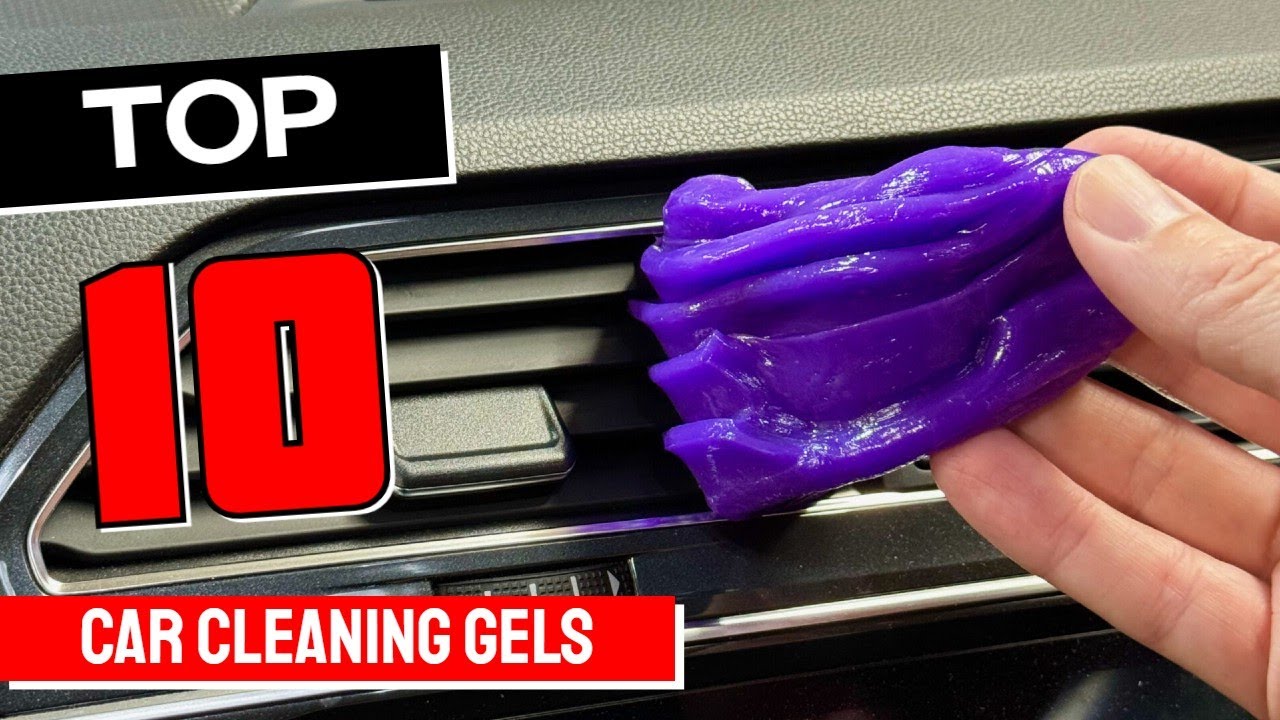
Air vents are among the most useful places for car cleaning gel. Dust often settles on the narrow horizontal and vertical slats. A normal cloth may not fit between them, but a small amount of gel can reach some visible areas.
Turn off the fan and climate system before starting. Use only light pressure on the visible slats. Lift the gel slowly and keep it in one piece.
Never force gel into the vent openings. If it stretches, breaks, or starts moving deeper into the grille, stop using it. A soft detailing brush or a suitable vent-cleaning tool is a better option for deep areas.
Cleaning Cup Holders and Small Gaps
Cup holders often collect dry crumbs, dust, and small bits of debris. After removing loose items, you can use the gel to lift remaining dry particles from suitable hard surfaces.
Do not use it as a solution for dried coffee, soda, syrup, or melted candy. These messes need a suitable cleaner and a microfiber cloth. If the cup holder has a removable insert, cleaning it separately may give you a better result.
Avoid narrow gaps where the gel could become trapped. If you cannot see the full area or remove the material without pulling, use a brush or cloth instead.
Where Should You Avoid Using Car Cleaning Gel?
Car cleaning gel is not suitable for every part of a vehicle. Its sticky texture can create problems on wet, soft, delicate, or highly sensitive surfaces. The safest choice is to follow both the gel manufacturer’s directions and your vehicle owner’s manual.
A common mistake is assuming that a product labeled universal is safe for every material. Universal usually describes the intended range of uses, not unlimited compatibility. Some interior finishes need special care, even when they look like ordinary plastic.
When you are unsure, skip the gel and choose a cleaning method made for that surface. A little caution is better than leaving sticky material in a vent or damaging an interior finish.
Source: youtube.com
Touchscreens
Avoid applying cleaning gel to infotainment screens, navigation displays, and other touchscreens. Use a screen-safe cleaning method recommended by the vehicle or display maker.
Leather and suede
Do not assume the gel is safe for leather, suede, or other delicate upholstery. Use the care method specified for the material.
Carpet and fabric seats
The gel may stick to fibers and leave pieces behind. A vacuum and suitable upholstery cleaner are better choices.
Wet surfaces
Moisture can change the gel’s texture and make it difficult to lift cleanly.
Greasy surfaces
Oil and grease can spread through the gel instead of being removed properly.
Electrical openings
Keep the gel away from USB ports, charging sockets, speaker openings, and exposed electrical components.
Damaged trim
Avoid chipped paint, peeling coatings, loose trim, and fragile or cracked surfaces.
Can Car Cleaning Gel Damage a Dashboard?
Yes, it can cause problems if the material is not compatible with the dashboard finish or if you use too much pressure. Some dashboards have soft coatings, textured finishes, or glossy trim that may react poorly to sticky cleaning compounds.
Heat can also affect the cleaning process. A dashboard that has been sitting in direct sunlight may be very warm. Some gels become softer or more adhesive in high temperatures, which can increase the chance of smearing or leaving residue.
Let the interior cool before cleaning. Check the product label, test a small hidden area if permitted, and lift the gel gently. Stop if you notice a change in color, shine, or texture.
Can You Use Cleaning Gel on a Car Touchscreen?
No, it is better to avoid car cleaning gel on touchscreens. Modern vehicle displays may have special surface coatings that need gentle care. A sticky compound can leave residue or create unwanted pressure on the screen.
Use a clean microfiber cloth and a screen-safe product approved for the display. Follow the vehicle manual because different screens may have different cleaning instructions.
Never spray liquid directly onto a screen or allow moisture to enter its edges, buttons, or nearby electrical openings.
How to Use Car Cleaning Gel Correctly
Using car cleaning gel is simple, but the right method matters. The goal is to lift loose dirt without pushing the material into small openings or leaving pieces behind. A gentle approach also helps protect the interior.
Before starting, read the instructions on the container. Check the approved surfaces, temperature limits, and storage directions. Not every cleaning gel has the same texture or formula.
You will need the gel, its storage container, and a clean microfiber cloth. A small soft brush can also help remove larger debris before you use the gel.
Source: wonderfulengineering.com
Step 1: Park safely
Park the vehicle, switch off the engine, and turn off the climate system before cleaning the dashboard and vents.
Step 2: Check the surface
Make sure the area is cool, dry, and approved for use. Remove loose objects and large crumbs by hand.
Step 3: Prepare the gel
Knead the material gently if the manufacturer instructs you to do so. Use clean, dry hands.
Step 4: Press lightly
Place the gel against a suitable surface. Let it conform to shallow gaps without forcing it into openings.
Step 5: Lift slowly
Pull the gel away carefully in one piece. Avoid dragging it across the surface.
Step 6: Check the result
Look for leftover dust, residue, or broken pieces. Use a clean cloth for any remaining surface dirt.
Step 7: Store or replace
Return usable gel to its container. Discard it when it becomes dirty, loses its useful texture, or leaves residue.
How Much Pressure Should You Apply?
Use only enough pressure to let the gel touch the surface. You do not need to squeeze it hard or push it deep into gaps. Excess pressure can force the material into areas that are difficult to reach.
A gentle press followed by a slow lift is usually the better approach. If the dirt does not come away, do not keep pressing harder. Try a soft brush or a suitable cleaner instead.
How Do You Know the Gel Is Working?
You should see loose dust and small particles attached to the gel after lifting it. The cleaned area may look less dusty, and the material should come away without leaving strands or sticky marks.
Check the cleaned surface under good light. If dust remains in the corners, repeat only if the gel is still clean and the surface allows another pass.
A dark color does not automatically mean the gel is finished, because some formulas are naturally colored. Look at how much dirt it holds and whether it still lifts cleanly.
Car Cleaning Gel vs. Other Interior Cleaning Tools
Car cleaning gel is useful, but it is only one part of a good interior cleaning kit. Different tools handle different types of dirt. Choosing the right one can save time and help prevent damage.
A microfiber cloth is better for wiping flat surfaces and removing fingerprints. A vacuum is better for carpets and larger debris. A soft brush can loosen dust in narrow areas, while a suitable interior cleaner can help remove oily marks and stuck-on dirt.
The best approach is to combine tools rather than expect one product to do everything. Use the gel for small, accessible areas where its tacky texture offers a real benefit.
Source: wonderfulengineering.com
Cleaning gel
Best for loose dust and small crumbs in suitable shallow gaps and textured hard surfaces.
Microfiber cloth
Best for fingerprints, light surface film, and wiping compatible flat interior panels.
Soft detailing brush
Best for loosening dust from vents, seams, and delicate areas where gel is not suitable.
Car vacuum
Best for floor mats, carpets, seats, and larger loose debris.
Interior cleaner
Best for suitable surfaces with oily marks, stains, and bonded dirt.
Cleaning Gel vs. Microfiber Cloth
A microfiber cloth and cleaning gel serve different purposes. The cloth wipes across a surface and collects dirt through its fibers. The gel changes shape and makes contact with loose particles in some narrow spaces.
For a dusty dashboard, a clean microfiber cloth may be faster. For loose crumbs in a shallow console seam, gel may be more convenient. Neither tool should be used on a surface unless its care instructions allow it.
Cleaning Gel vs. Car Vacuum
A car vacuum is the better choice for large areas and loose debris. It can remove crumbs from floor mats, dirt from carpets, and debris from seat gaps when used with the right attachment.
Cleaning gel is more useful for some small hard-surface gaps that a vacuum nozzle cannot reach easily. However, it should not be forced into deep seat gaps or around electrical connections.
For a thorough cleanup, vacuum first and use gel only on suitable remaining areas. This reduces the amount of dirt the gel needs to collect.
Cleaning Gel vs. Compressed Air
Compressed air can blow dust out of narrow openings, but it may also send particles deeper into the cabin or spread them around. You also need to control the airflow and follow the equipment instructions.
Gel can hold some particles instead of simply blowing them away. However, it should not be pushed into the same openings that you might clean with air.
A soft brush with a vacuum nearby is another option for many vent and trim areas. Choose the method that gives you control over where the dust goes.
Why Does Car Cleaning Gel Sometimes Stop Working?
Car cleaning gel can lose its usefulness as it collects dirt or changes texture. Repeated use, heat, moisture, and poor storage can all affect how well it works. A gel that once lifted dust may eventually start leaving marks instead.
There is no universal number of uses for every container. The useful life depends on the formula, the amount of dirt, and how often you use it. Follow the maker’s replacement guidance rather than relying on a fixed schedule.
Watch the texture and cleaning result. If the gel no longer lifts particles cleanly, it is time to stop using it.
Source: youtube.com
The gel is too dirty
Dust and debris can fill the material, reducing its ability to collect more dirt.
The gel has become too sticky
Changes in temperature, storage, or age may affect its texture and increase the risk of residue.
The gel has dried out
Poor storage or exposure to air may change the consistency and reduce its ability to mold around surfaces.
The surface is wet
Water and moisture can interfere with the gel’s intended texture and make removal harder.
The dirt is stuck on
Grease, syrup, and dried spills need a suitable cleaning product rather than a dust-lifting compound.
Can You Wash Car Cleaning Gel?
Most reusable car cleaning gels should not be washed with water unless the manufacturer specifically allows it. Many formulas depend on a certain tacky texture, and water can change that texture or damage the material.
Washing the gel may also spread trapped dirt through the compound. It can become difficult to restore its original consistency after contact with water.
Check the instructions on your specific product. If the maker says not to wash it, do not try to rinse or soak it. Replace the gel when it reaches the end of its useful life.
How Should You Store Car Cleaning Gel?
Keep the gel in its original sealed container after use. Store it in a cool, dry place away from direct sunlight and excessive heat. This helps protect its texture between cleaning sessions.
Do not leave it on the dashboard or inside a hot parked car. Summer temperatures inside a vehicle can rise sharply, and some gel formulas may soften or become messy.
Keep the container away from children and pets. Cleaning gel is not food or a toy, even when it looks like colorful slime.
Common Mistakes to Avoid When Using Car Cleaning Gel
Most problems with car cleaning gel come from using it on the wrong surface or expecting it to handle the wrong type of dirt. A few simple habits can help you avoid residue, trapped material, and unnecessary damage.
Take time to inspect the area before cleaning. Remove large debris first and make sure the surface is dry. If the area contains delicate parts or openings, choose a safer tool.
Source: autoguide.com
Pressing too hard
Hard pressure can force the gel into narrow openings and make it difficult to remove. Use a light touch.
Using it on wet surfaces
Moisture can change the gel’s texture. Dry the surface fully before using a product that requires dry conditions.
Cleaning a hot dashboard
Heat may soften the gel and increase the chance of smearing. Let the cabin cool first.
Using it on screens
Touchscreens may have delicate coatings. Use the screen maker’s approved cleaning method.
Dragging it across the surface
Dragging can spread dirt or cause the material to stretch. Press lightly and lift it straight away.
Reusing dirty gel
Saturated material may transfer dirt back to the interior. Replace it when it no longer picks up particles cleanly.
Using homemade slime
Toy slime and homemade mixtures are not automatically suitable for car interiors. Unknown ingredients may leave dye, residue, or other unwanted effects.
What Should You Do If Cleaning Gel Leaves Residue?
Stop using the gel as soon as you notice a sticky film or small pieces left behind. Do not press more gel onto the same area in an attempt to fix the problem. That may make the mess worse.
Check the vehicle manual and the cleaning product instructions for a suitable way to clean the affected surface. For compatible hard trim, a clean microfiber cloth and an approved mild cleaner may help.
Avoid sharp tools, harsh solvents, and aggressive rubbing. If the material has entered a vent, electrical opening, or inaccessible control, do not push it farther inside. Seek help from a qualified detailer or vehicle service professional.
Is Car Cleaning Gel Worth Buying?
Car cleaning gel may be worth buying if you often find loose dust and crumbs in small areas of your vehicle. It is compact, easy to store, and can make some quick cleaning tasks easier. Drivers who like keeping their dashboards and center consoles tidy may find it useful.
However, it is not a necessary item for every driver. If you already have a good microfiber cloth, soft detailing brush, and car vacuum, you may be able to clean most interior areas without it.
Think about how often you will use it and which surfaces need attention. Buying a container makes more sense when you have a regular need for cleaning shallow gaps and compatible hard trim. It makes less sense if your main problem is dirty seats, stained carpets, or greasy panels.
Source: autoguide.com
Worth considering if
You regularly clean air vent slats, cup holders, shallow console gaps, and other approved hard surfaces.
Probably unnecessary if
Your main cleaning needs involve large floor areas, fabric seats, deep stains, or heavy grease.
Not suitable if
You want one product to clean the entire vehicle, including screens, upholstery, glass, and delicate trim.
What Should You Check Before Buying?
Start by checking whether the product is specifically labeled for automotive interior cleaning. Avoid assuming that a general-purpose cleaning slime is suitable for vehicle materials.
Look at the surface restrictions and storage instructions. A clear warning label is useful because it tells you where not to use the material. Check whether the maker explains how to knead, press, lift, and replace the gel.
Also consider the container. A secure lid helps keep the material protected between uses. A product that becomes messy or loses its shape during storage may not be convenient for regular car care.
Do not judge a product only by its color, fragrance, or online videos. The most important questions are whether it is suitable for your interior and whether it can lift the type of dirt you actually have.
A Simple Car Interior Cleaning Routine That Works
A combination of basic tools will usually give you a better result than relying on cleaning gel alone. Start with larger dirt and work toward the small details. This keeps loose debris from spreading while you clean.
You do not need a large collection of products. A vacuum, microfiber cloths, a soft detailing brush, and a cleaner approved for your interior materials can handle many routine tasks. Add cleaning gel only if you have a clear use for it.
Source: autoguide.com
First, remove loose items
Take out trash, bottles, floor mats, and personal items before cleaning.
Second, vacuum larger areas
Clean floor mats, carpets, seats, and accessible gaps with suitable vacuum attachments.
Third, remove loose dust
Use a soft brush or compatible cleaning gel on suitable hard surfaces.
Fourth, wipe hard panels
Use a clean microfiber cloth and a surface-approved cleaner when needed.
Fifth, clean glass and screens
Use products and cloths suitable for automotive glass and display coatings.
Finally, check the interior
Look for leftover moisture, residue, and debris before returning items to the cabin.
How Often Should You Use Car Cleaning Gel?
There is no fixed schedule for using car cleaning gel. It depends on how quickly dust and crumbs collect in your vehicle. A car used for daily commuting may need more frequent touch-ups than one that stays parked most of the week.
Use it when you notice loose debris in suitable small areas. You do not need to apply it to every surface during every cleaning session. Regular vacuuming and wiping should remain the main parts of your routine.
Also remember that a gel container does not last forever. Inspect the material before each use and replace it when its texture or cleaning ability changes.
Frequently Asked Questions
Q
Does car cleaning gel really remove dust?
Yes. Car cleaning gel can remove loose dust from suitable dry, hard interior surfaces. Its tacky texture helps particles stick to the material when you press and lift it. It is especially useful for shallow gaps, vent slats, and cup holders. It will not remove every type of dirt, so a cloth or suitable cleaner may still be needed.
Q
Does car cleaning gel leave a sticky residue?
A suitable gel used as directed should lift away cleanly from approved surfaces. However, residue can occur if the material is old, overheated, too sticky, or used on an unsuitable surface. Always check the label and test a small permitted area first. Stop using it if it begins to smear or leave pieces behind.
Q
Can car cleaning gel remove pet hair?
It may collect a small amount of loose pet hair from some hard surfaces, but it is not the best tool for removing pet hair from fabric seats or carpets. Hair can become trapped in upholstery fibers. A vacuum with an upholstery attachment or a suitable pet hair removal tool is a better choice.
Q
How many times can you reuse car cleaning gel?
There is no universal reuse count. It depends on the product formula, how much dirt it collects, and how you store it. You can reuse it while it remains cohesive and lifts debris without leaving residue. Replace it when it becomes saturated, loses its useful texture, or no longer cleans properly.
Q
Can car cleaning gel clean air conditioner vents?
It can collect loose dust from accessible vent slats when the gel is approved for that surface. Turn off the climate system first and use very light pressure. Never push gel deep into the vent or air ducts. A soft vent brush is a better choice for areas that the gel cannot reach safely.
Q
Can you use car cleaning gel on a steering wheel?
Only if the product label and vehicle care instructions allow it for the steering wheel material. Steering wheels may have leather, coated plastic, rubber, or other finishes. Since the wheel is a high-touch safety control, a suitable cleaner and microfiber cloth are often the better options. Never leave a sticky film on the wheel.
Q
Does car cleaning gel remove grease and oil?
No, it is not designed to dissolve grease or oil. It mainly lifts loose particles through physical contact. Greasy dashboard marks and oily fingerprints need a cleaner approved for the specific interior surface. Use the cleaner according to its label and wipe away any remaining product.
Q
Should you keep car cleaning gel inside your vehicle?
It is better to store it in a cool, dry place rather than leave it inside a hot parked vehicle. High temperatures and direct sunlight can change the gel’s consistency. Keep it in its original sealed container and follow the maker’s storage instructions. Also keep it away from children and pets.
Q
Is car cleaning gel better than a microfiber cloth?
Neither tool is better for every job. Cleaning gel is useful for loose particles in some small gaps, while microfiber cloths are better for wiping flat surfaces and removing fingerprints. Most car interiors benefit from both tools. Choose based on the surface and type of dirt.
Q
Can car cleaning gel replace a full car interior cleaner?
No. Car cleaning gel is a helper tool, not a complete interior cleaning product. It cannot wash upholstery, remove deep stains, clean glass, or dissolve greasy dirt. For a proper interior cleanup, combine suitable cleaners with a vacuum, microfiber cloths, and soft brushes.
✦ Wrapping Up
Conclusion
So, does car cleaning gel actually work? Yes, it does when you use it for the right job. It can lift loose dust, crumbs, and small debris from suitable hard surfaces that are difficult to reach with a normal cloth.
Its biggest strength is convenience. You can use it for small cleaning tasks around accessible vent slats, shallow console gaps, cup holders, and dashboard seams. It is compact and easy to store, making it a useful extra tool for drivers who like a tidy car interior.
However, it has clear limits. It cannot remove grease, deep stains, dried spills, or dirt trapped in upholstery. It should also stay away from touchscreens, delicate materials, wet surfaces, and electrical openings unless the specific product and vehicle instructions clearly permit use.
A vacuum, microfiber cloth, soft brush, and suitable interior cleaner remain the foundation of good car care. Cleaning gel simply adds another way to collect loose dirt from certain hard-to-reach places.
💡 Key Takeaway
Before buying car cleaning gel, check its approved surfaces and instructions. If your main problem is loose dust in small interior gaps, it can be a useful addition. Start with a small, hidden, approved area, press gently, lift slowly, and replace the gel when it becomes dirty or stops cleaning properly.