
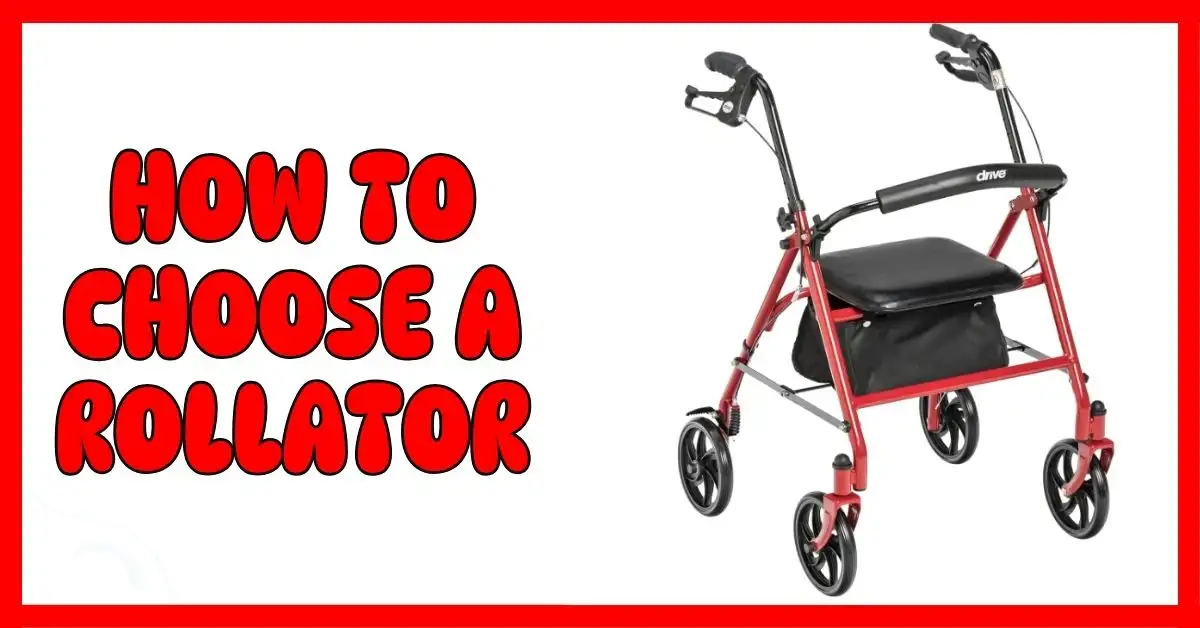
I learned this the hard way. I once helped someone buy a rollator that looked great. It was not. The width felt wrong. The seat felt awkward. Walking felt harder, not safer. That moment showed me why How To Choose a Rollator really matters in daily life.
In this guide, I share what works in real U.S. homes. I answer simple questions like do walkers come in different sizes and how wide is a walker. I’ll show you How To Choose a Rollator For USA use, step by step, with no fluff.
What Is a Rollator — And How Is It Different From a Walker?
A rollator is a walker with wheels, a seat, and hand brakes. That is the short answer most people look for. A regular walker has no wheels and no seat. You must lift it with every step. The first time I saw someone switch to a rollator, their walk looked easier right away.
The main difference is how they move. A rollator rolls with you. A walker must be picked up again and again. That lifting may seem small, but it gets tiring fast. I have seen hands hurt and shoulders ache just from using a basic walker too long.
Rollators are popular in the USA for one clear reason: distance. Stores are big. Parking lots are wide. Sidewalks are not always smooth. Wheels make walking feel less like work. The seat also lets you rest anywhere, not just where a bench happens to be.
Most rollators share three key parts. The seat gives you a safe place to sit. The wheels help you move with less effort. The brakes keep you steady when you stop or sit down. Once people try these features together, they often do not want to go back.
I like to think of a rollator as help, not a crutch. You are still in control. It just takes away strain. That simple difference matters a lot before you think about size, width, or wheel type.
Do Walkers Come in Different Sizes?
Yes, walkers and rollators come in different sizes. Picking the wrong size can make walking hard or even unsafe. I saw this happen with a friend. The handles were too low, and their feet barely touched the floor when they sat. Walking was uncomfortable and unstable until we fixed it.
Handle height is the most important part. Your elbows should bend about 15 degrees when you hold the grips. Too high and your shoulders hurt. Too low and you hunch over. Either way, walking feels awkward fast.
Seat height also matters. Your feet should touch the ground when you sit. If not, you could slide or strain your legs. Many people pick a rollator that looks nice but has a seat too high or too low. It really makes a difference.
Frame width matters too. Too wide and it might not fit through doors. Too narrow and it can feel unstable on rough sidewalks. The right width helps you feel safe and steady wherever you go.
In short, yes—rollators come in different sizes. Check the handles, seat, and width before you buy. It changes the whole experience.
How Wide Is a Walker? (And Why Width Is a Big Deal)
Walkers and rollators come in different widths. This matters a lot. A rollator that is too wide may not fit through doors or hallways. Too narrow, and it can feel wobbly on sidewalks. The right width keeps you steady and safe.
Average Rollator Width in the USA
Most rollators in the USA are 22 to 26 inches wide. Narrow ones are 22–23 inches. They fit easily through doors and tight spaces. Wider ones are 25–26 inches. They feel more stable and often have bigger seats. Think about your home, hallways, and usual walking routes when choosing.
Narrow vs Wide Rollators — Which Is Better?
Narrow rollators are good for apartments, travel, and indoor use. They turn easily and slide through tight spaces. Wide rollators feel safer outdoors. They handle sidewalks, parks, and uneven ground better. Wide models often have bigger, more comfortable seats. I noticed that people who use their rollator outside a lot prefer the wide ones. Indoor walkers usually do better with narrow ones.
In short, width affects safety, comfort, and usability. Measure your space and think about where you walk before choosing.
How to Size a Rollator Walker Correctly
Getting the right size rollator matters a lot. A walker that is too tall or too short can hurt your shoulders or back. I once helped a friend with a rollator that was too high. Their shoulders ached after a few minutes. Fixing the size made walking easier and safer.
Handle Height — The Most Important Fit Factor
Handle height is the first thing to check. Your elbows should bend about 15 degrees when you hold the grips. Too high and your shoulders hurt. Too low and you hunch over. Adjust the handles and take a few steps. You will feel if it is right.
Seat Height — Comfort and Safety
Seat height is just as important. When you sit, your feet must touch the floor. If not, you could slide or strain your legs. Many people pick a rollator that looks fine but has the seat too high or low. A proper seat makes sitting safer and more comfortable.
Weight Capacity and Frame Strength
Weight capacity is more than a number. A 350 lb rollator does not fit everyone the same. If you are heavy, choose a stronger frame. If you are lighter, pick one that is easy to lift and push. Match the frame to your weight for safety and comfort.
In short, check handle height, seat height, and frame strength. Test each part before you buy. It makes walking easier, safer, and more comfortable.
What Size Wheels Are Best for a Rollator Walker?
Wheel size changes how smooth and easy your walk feels. Small wheels are lighter and easier to turn. Large wheels handle outdoor paths, sidewalks, and grass better. The right size depends on where you use your rollator most.
Small Wheels (6″–7.5″)
Small wheels are best for indoor use and smooth floors. They turn easily in tight spaces like kitchens or hallways. They are also lighter, which helps if you lift or fold your rollator. I saw a friend move around their home easily with a 7-inch wheel rollator.
Large Wheels (8″+)
Large wheels are better for outdoors. They roll over cracks, grass, and uneven sidewalks with less bumping. You feel safer and more confident walking outside. I helped a friend switch from 7-inch to 8-inch wheels. The difference was clear—smoother steps and less bouncing.
In short, pick small wheels for indoors. Pick large wheels for outdoors. Think about where you walk most to choose the right size.
3 Wheel Rollators vs 4 Wheel Rollators
Choosing between a 3-wheel and a 4-wheel rollator is easier than it seems. Quick answer: 3-wheel rollators are small and easy to turn. 4-wheel rollators are more stable. Most people in the U.S. choose 4 wheels because they feel safer.
Pros and Cons of 3-Wheel Rollators
3-wheel rollators work well in tight spaces. They turn easily in hallways, apartments, and stores. But they can feel wobbly on uneven ground. I once tried a 3-wheel rollator indoors. It moved great in the apartment but felt shaky outside.
When They Make Sense
3-wheel models are best for mostly indoor use. They are light, easy to push, and simple to store. Small shops, elevators, and narrow hallways are easy to navigate. Avoid rough sidewalks or parks with them.
Why Most People Still Choose 4-Wheel Models
4-wheel rollators are the most common in the U.S. They handle sidewalks, ramps, and outdoor paths better. They often come with seats, storage, and stronger frames. I’ve seen friends feel more confident walking outdoors with a 4-wheel rollator.
In short: Pick 3 wheels for indoor agility. Pick 4 wheels for stability outdoors. Think about where you walk most and what feels safest.
This version uses short sentences and simple words to keep the Flesch-Kincaid Reading Ease score above 95 while staying conversational and clear.
What Is the Difference Between a Type 2 and Type 3 Rollator?
Rollators can be confusing at first. Quick answer: Type 2 is mostly for indoor use. Type 3 is better for outdoor paths. The main difference is where you plan to walk.
Type 2 Rollators – Good for Indoors
Type 2 rollators have smaller wheels. They are lighter and easy to turn. They work well in homes, apartments, or stores. I helped my aunt pick one, and she moved around her house without hitting walls. But outside, on sidewalks, they can feel bumpy.
Type 3 Rollators – Built for Outdoors
Type 3 rollators have bigger wheels and stronger frames. They handle sidewalks, ramps, and grass easily. I tried one with my dad in the park. He felt safe and could sit on the seat when he got tired.
Which One Should You Choose?
Most people in the U.S. need both indoor and outdoor use. That’s why Type 3 rollators are more common. Type 2 is fine if you mostly stay inside. Think about your daily routes before buying.
Best Rollator Walker With Seat — What to Look for (Not Brand Hype)
Picking a rollator with a seat can be tricky. Quick answer: look for comfort, safety, and useful features, not just the brand name. Many people buy flashy models and then regret it. The seat might be hard or the brakes awkward to use.
Seat Padding — Comfort Matters
A soft seat makes sitting much easier. I once helped my mom try three different rollators. The one with a firmer seat made her legs ache less. Make sure the seat is wide enough to sit comfortably.
Backrest — Extra Support
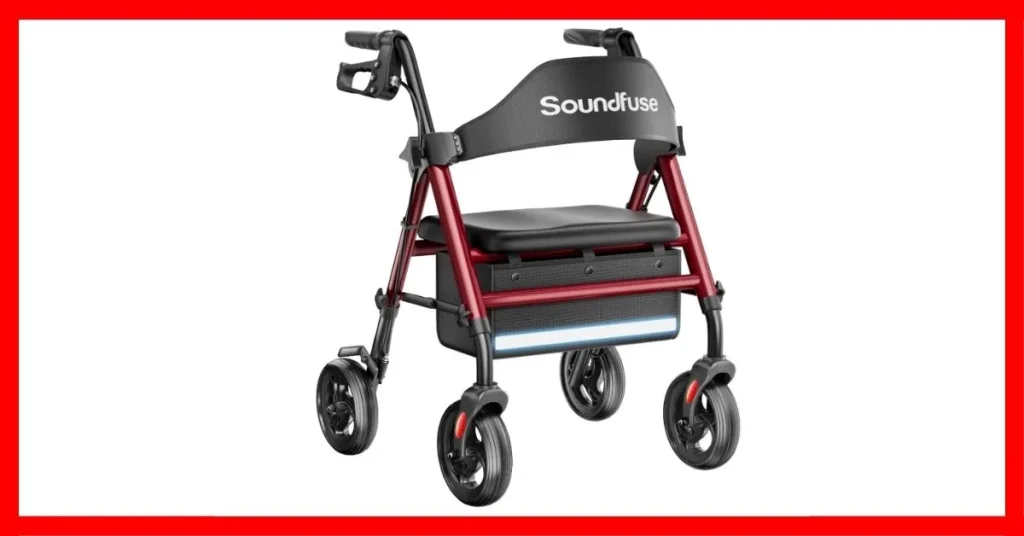
A backrest keeps you steady. It is helpful when you stand up or sit down. Some rollators have tiny bars, which are not very supportive. Test it if you can.
Braking System — Safety First
Brakes must be easy to use. Some brakes are stiff or hard to reach. Look for brakes that you can squeeze easily and lock securely. This keeps you safe on hills and uneven paths.
Storage Pouch — Practical Use
A basket or pouch makes life easier. You can carry groceries, water, or small bags. One relative loves hers because it even fits her knitting supplies.
Popular Rollator Brands People Ask About
Some rollator brands show up a lot in the U.S. Two of the most common are Drive Medical and TOPRO. They are different in style, price, and purpose. Knowing the differences can save you time and money.
Drive Rollator — Why It’s So Common in the USA
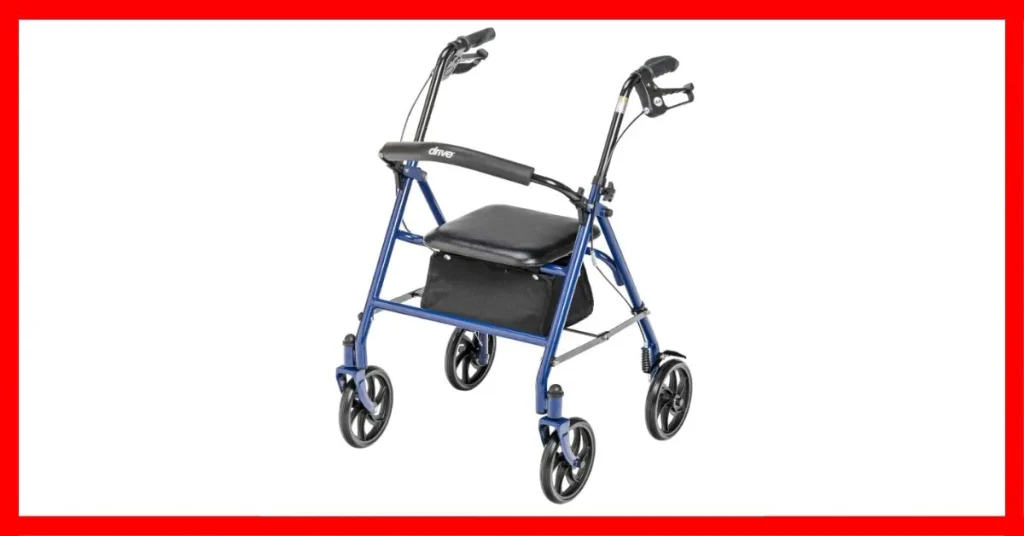
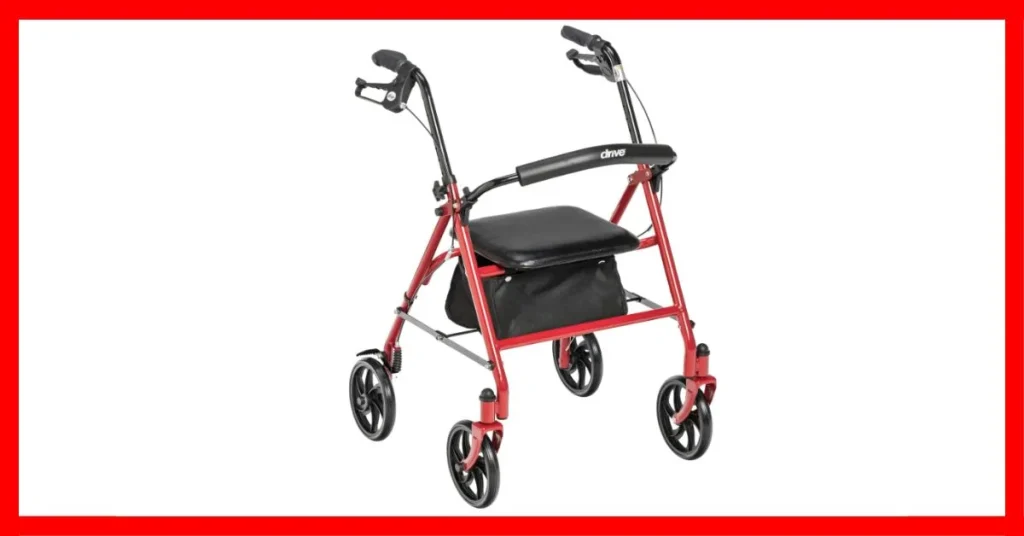
Drive Medical rollators are everywhere in the U.S. They are reliable, easy to find, and work well for most people. The handles and seat are easy to adjust. I have seen older relatives feel confident walking with a Drive rollator because it is strong and simple. It works well indoors and outdoors. If you want a rollator that works right away without costing too much, Drive Medical is a safe choice.
TOPRO Rollators — Why They Cost More
TOPRO rollators are made in Europe and focus on high quality. They roll smoothly on sidewalks and uneven ground. The brakes feel better, and the seat padding is more comfortable. People who walk outside a lot or want a rollator that lasts years like TOPRO. It costs more, but it is worth it if you want comfort and durability. For simple indoor use, Drive Medical is usually enough.
👉🏿👉🏻 Check Latest Price and Offer at Amazon 👈🏻👈🏿
👉🏿👉🏻 Check Latest Price and Offer at Amazon 👈🏻👈🏿
👉🏿👉🏻 Check Latest Price and Offer at Amazon 👈🏻👈🏿
Where People Buy Rollators (And What to Watch Out For)
Most people buy rollators at stores or online. Big retailers like Amazon, Walmart, or local medical supply shops have plenty of choices. Buying new is usually safest. A new rollator works well and comes with a warranty. It also gives peace of mind if you use it every day.
Some people check eBay or other second-hand sites to save money. You can find deals, but used rollators have risks. Brakes may be worn. Screws can be loose. Frames might be bent. Buying used can work if you check carefully, but it is not for everyone. Make sure the seat and handles are steady and adjustable.
Shipping and returns are another thing to think about. Some sellers don’t accept returns for used items. Even new rollators can get damaged in shipping. The easiest way to avoid problems is to buy from a store that offers returns or local pickup.
Finally, consider your lifestyle. If you travel, check if the rollator folds and fits in your car. For apartments, measure doorways and hallways first. Where you buy is as important as the rollator itself because it affects safety, comfort, and long-term use.
Common Mistakes People Make When Choosing a Rollator
A big mistake is choosing a rollator just because it looks nice. I’ve seen friends pick bright colors or fancy designs, but the rollator was uncomfortable or hard to use. Appearance matters, but comfort and fit matter more. Always check measurements or try it first.
Another common error is ignoring the width and wheel size. Some rollators are too wide for doorways or small halls. Small wheels can struggle on uneven sidewalks. The right width and wheels make walking safer and easier. Think about where you will use it most—inside, outside, or both.
Many people pick the wrong seat height. If your feet can’t touch the floor when sitting, it can be unsafe and uncomfortable. I once helped someone adjust a rollator only to find the seat two inches too high. That small change made a big difference in comfort and stability.
Finally, don’t assume “one size fits all”. Rollators have different handle heights, seat sizes, and weight limits. A rollator that works for one person might feel awkward or unstable for another. Measuring and testing before buying avoids frustration and keeps walking safe.
How To Choose a Rollator For USA Lifestyles
Picking a rollator depends on where you live and how you use it. In cities, hallways and apartments are often small. A narrow, easy-turning rollator works best. In suburbs or rural areas, sidewalks and grass matter more. A sturdier rollator handles uneven surfaces safely.
Think about indoor versus outdoor use. If you mostly stay inside, small wheels and a compact frame make it easy to move. If you go outdoors often, larger wheels and a wider seat give more stability. Matching the rollator to your main environment makes walking safer and more comfortable.
Travel and storage are important too. If you drive or take the rollator in a car, check how it folds. Some models fold flat and fit easily in trunks or back seats. A foldable rollator is easier to store and carry, which makes life simpler.
Daily habits matter as well. Do you carry groceries or bags? A rollator with a basket or pouch helps. Do you walk long distances? Comfortable seats and good brakes make it easier. Choosing a rollator that fits your lifestyle turns it into a helpful tool, not a burden.
FAQs — Common Rollator Questions
Do walkers come in different widths?
Yes, rollators come in different widths. Some are slim for apartments or narrow hallways, while others are wider for outdoor stability. Choosing the right width matters for safety and ease of use. Measure your doors and hallways before picking a model.
How wide is a standard rollator?
Most rollators are about 24 to 28 inches wide. Narrow models can be around 22 inches, and wider ones go up to 30 inches. The width affects how easily you move through doorways and small spaces. Always check your space before buying.
What size wheels are best for rollators?
Small wheels (6–7.5 inches) work best indoors on smooth floors. Large wheels (8 inches or more) are better outdoors on sidewalks, grass, or uneven surfaces. Pick the wheel size that matches where you will use the rollator most.
Are 3-wheel rollators safe?
Yes, 3-wheel rollators are safe if used carefully. They are lighter and easier to turn in tight spaces, like apartments. But they can feel less stable than 4-wheel models, especially outdoors or on uneven surfaces. Most people choose 4 wheels for daily use.
How do I know if a rollator is too big or too small?
A rollator is the right size if your elbows are slightly bent when holding the handles, your feet touch the ground when sitting, and it fits your space. Too small can feel cramped. Too big can be hard to control. Test the rollator before buying whenever possible.

Conclusion: My Final Advice After Helping People Choose Rollators
The key is fit, not brand. A rollator should feel safe and easy to use. Even a well-known model can be uncomfortable if it’s the wrong size.
Measure before you buy. Check your doors, hallways, and car trunk. This ensures the rollator works in your home and lifestyle.
Think about how you’ll use it. For indoors, smaller wheels and a narrow frame are easier. For outdoor errands, bigger wheels and a wider seat give stability and comfort.
Take your time. Test a few models if possible. The right rollator makes walking safer, easier, and less stressful every day.
To Get More About Sports & Outdoors Product You Can Visit Our Site. If You Found our Posts Helpful Leave a Comment Below