Your car may sound louder because of an exhaust leak, engine trouble, worn tires, loose parts, or a problem with the brakes. Find when the noise starts, check for warning signs, and fix the cause before it leads to damage.
If your car suddenly gets louder on an American highway, during a school run, or on your daily drive to work, do not ignore the change. A deeper engine roar, a sharp rattle, or a steady hum can point to different problems. Some are minor, while others need quick attention.
The key is to notice when the noise occurs. Does it happen at startup, while you press the gas, when you turn, or as you slow down at a traffic light? These clues help narrow down the cause without replacing parts at random. This guide explains the likely problems, what you can safely check at home, and when to call a mechanic.
A louder sound does not always mean the engine is failing. Cold weather, a rough road, a change in tire pressure, or a normal increase in engine speed can make a car sound different. Still, a sudden change, a new metallic knock, or noise paired with a warning light deserves careful attention.
Your car sounds louder when a part that normally controls, absorbs, or produces sound changes. The exhaust system quiets engine pulses, engine mounts help limit vibration, and tires transfer road noise into the cabin. When one of these systems wears out or develops a fault, you may hear more noise than before.
The sound itself is useful evidence, but it does not prove which part has failed. A low rumble can come from an exhaust leak or tire noise. A ticking sound may come from the valve train, an exhaust leak, or another moving part. The timing and location of the noise matter as much as its tone.
Start by noting whether the noise is new, whether it changes with engine speed or road speed, and whether it comes with vibration, smoke, a warning light, or poor performance. This simple record can help a repair shop focus its inspection.
Source: carxplorer.com
Noise at idle
A rough idle, ticking, rattling, or unusually deep rumble may point to an engine, exhaust, mount, or accessory problem.
Noise when accelerating
A roar, hiss, or metallic rattle may come from an exhaust leak, intake issue, loose heat shield, or engine-related fault.
Noise that follows road speed
A hum, growl, or rhythmic thump may come from tires, a wheel bearing, or another rotating component.
Noise while braking or turning
Grinding, squealing, clicking, or clunking may involve the brakes, tires, steering, or suspension.
1. A Damaged or Leaking Exhaust System
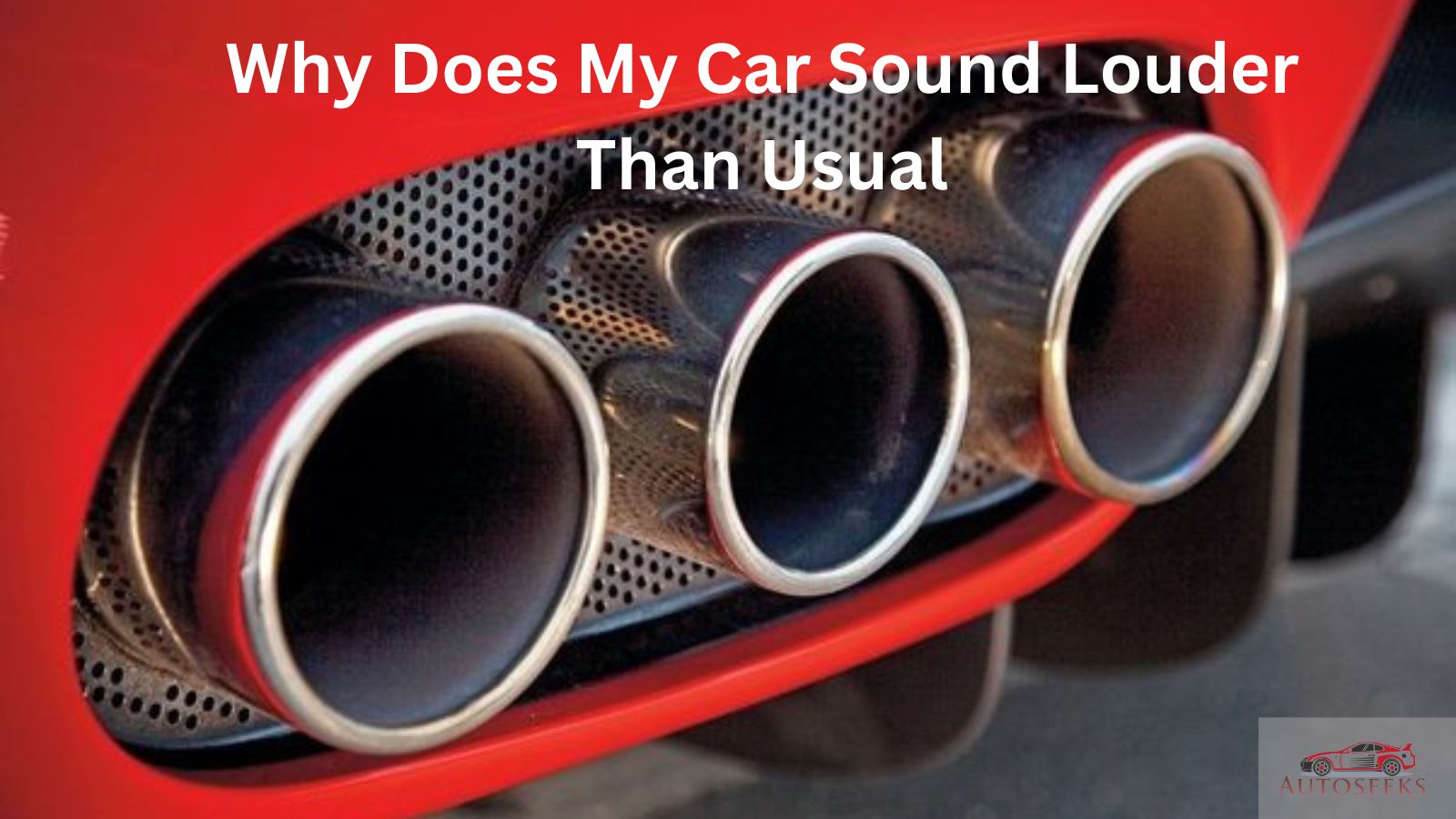
An exhaust leak is one of the main reasons a car becomes much louder. The exhaust system carries hot gases away from the engine and reduces noise through pipes, mufflers, and resonators. A hole, crack, failed gasket, or loose joint can let sound escape before it reaches the muffler.
The noise may sound like a deep growl, a rough roar, or a sharp puffing sound. It can become more noticeable when you press the gas because the engine sends more exhaust through the system. Rust, road debris, age, and damaged joints can all contribute to exhaust problems.
An exhaust leak can also allow harmful gases, including carbon monoxide, to enter the passenger cabin under some conditions. Carbon monoxide has no color or smell, so a lack of odor does not prove that the cabin is safe.
Source: autotechiq.com
Common signs
A sudden increase in exhaust volume, a ticking sound near the engine, visible pipe damage, or fumes entering the cabin.
Likely fixes
A mechanic may replace a failed gasket, repair an approved repairable section, secure a loose joint, or replace a damaged pipe or muffler.
What to avoid
Do not crawl under a running car or touch exhaust parts to find a leak. Hot gases and components can cause severe burns.
How to tell whether the exhaust may be the problem
Compare the sound at startup, idle, and gentle acceleration only if the car is safe to operate. A sudden, deep exhaust roar or a sharp puffing noise can support suspicion of a leak, but a visual check by a qualified technician is needed to confirm the source.
If you smell exhaust inside the car, feel dizzy, develop a headache, or feel sick while driving, stop in a safe outdoor location, get everyone out, and seek help. Do not continue driving with possible exhaust fumes entering the cabin.
Best next step
Arrange an exhaust inspection. If fumes enter the cabin or the exhaust is hanging loose, avoid driving and request roadside assistance.
2. Low Engine Oil or an Engine Lubrication Problem
Low engine oil can make an engine noisier because moving parts may not receive the lubrication they need. Depending on the engine, you may hear ticking, tapping, rattling, or a deep knocking sound. A low oil level can result from a leak, oil consumption, or a missed service interval.
Oil that is too low is not the only possible cause of engine noise. Incorrect oil, a worn component, a failing tensioner, or another mechanical fault can create similar sounds. The noise alone cannot tell you which oil or part is needed.
Check the owner’s manual for the correct oil specification and the proper way to measure the level. Many vehicles require the engine to be off and the car to be parked on level ground for a stated period. Some newer models use an electronic oil-level display rather than a dipstick.
Source: thesupercarkids.com
Check the oil level
Follow the manual and add only the specified oil if the level is low. Avoid overfilling, which can also harm engine operation.
Look for leaks
Check for fresh oil on the ground or visible oily areas around the engine without touching hot parts.
Know when to stop
If the red oil-pressure warning light stays on while the engine runs, or a deep knock begins, shut the engine off as soon as it is safe and arrange professional help.
Could an oil change make a car sound louder?
A change in engine sound after an oil change does not automatically mean the new oil is wrong. The noise may be unrelated, or the service may have left the level incorrect, used an unsuitable specification, or disturbed a component. Check the invoice and verify the oil level according to the owner’s manual.
If a new metallic noise starts right after service, contact the shop that performed the work. If the oil-pressure warning appears or the engine knocks heavily, do not keep driving to see whether the noise goes away.
Practical fix
Have the oil level, specified oil, filter installation, and any related leaks checked before replacing engine parts.
3. Worn Engine Mounts or Loose Engine Parts
Engine mounts hold the engine in place and help limit vibration that reaches the body of the car. When a mount wears, cracks, or breaks, the engine may move more than intended as you start, accelerate, or shift between drive and reverse. The extra movement can create a thud, clunk, or strong vibration that makes the cabin feel much noisier.
Loose covers, brackets, exhaust heat shields, and other components can also rattle. A thin metal heat shield may buzz at a certain engine speed, while a loose plastic cover may vibrate over rough pavement. These faults can sound severe even when the engine itself is running normally.
The fix depends on the part that has come loose or worn out. A mechanic can inspect mounts and fasteners, check for contact between components, and replace damaged parts. Engine mounts often need proper support and tools during replacement, so this is not a safe task to attempt without suitable equipment and training.
Source: barrysautobody.com
Listen for rattling
A metallic buzz at a narrow range of engine speeds may suggest a loose shield or bracket.
Notice vibration
Strong vibration at idle or a thump during gear changes may point to a mount or drivetrain issue.
Avoid risky checks
Do not place hands near moving belts or ask someone to rev the engine while you lean over it.
4. Worn Tires or Incorrect Tire Pressure
Tires can make a car sound louder even when the engine and exhaust are in good shape. Tire tread contacts the road, and the pattern, wear, pressure, and pavement surface all affect the sound that reaches the cabin. Some tread designs are naturally louder than others.
Uneven tire wear can create a steady hum, growl, or repeating roar. Incorrect pressure may also affect handling and tire wear, though it does not always cause an obvious noise. A sound that changes with road speed but not engine speed can help point attention toward the tires or wheels.
Check tire pressure when the tires are cold and use the pressure listed on the driver’s door-jamb label or in the owner’s manual. Do not use the maximum pressure printed on the tire sidewall as the normal vehicle setting. Inspect tread for uneven wear, bulges, cuts, or exposed cords.
Source: autoowa.com
Uneven tread wear
Have a shop assess alignment, tire balance, suspension condition, and rotation needs where applicable.
Low or high pressure
Set each tire to the vehicle maker’s recommended cold pressure and check the spare if required.
Visible tire damage
Do not drive on a tire with a serious bulge, exposed cords, or other major structural damage. Arrange a safe replacement.
Why does the noise change on different roads?
Road texture has a strong effect on tire noise. Coarse asphalt, concrete joints, and rough pavement may create more cabin noise than smooth pavement. If the sound changes with the road surface, tire noise is one possibility, but a worn wheel bearing or another fault can behave in a similar way.
If the noise remains strong on many surfaces or comes with vibration, steering changes, or uneven tire wear, arrange an inspection rather than assuming the pavement is the only cause.
Useful check
Record the road surface, approximate speed, and whether the noise changes during gentle acceleration or coasting. Do not perform sudden maneuvers to test it.
5. A Worn Wheel Bearing or Other Rotating Part
A wheel bearing lets a wheel rotate with little friction. When a bearing wears, it may produce a steady hum, growl, or rumble that becomes more noticeable as road speed rises. The sound can sometimes change during a gentle turn, but that clue alone cannot identify which bearing has failed.
Other rotating parts can also make a car sound louder. Depending on the vehicle, the cause could involve a driveshaft joint, differential, transmission, or another wheel-end component. Some of these faults can affect control or lead to further damage if ignored.
A mechanic can raise the vehicle with suitable equipment, inspect the wheels and suspension, and test for bearing play or roughness. Some bearing faults make noise before obvious looseness appears, so a wheel that feels firm does not rule out a problem.
Source: hospital-times.co.uk
Common clue
A growing hum or growl that tracks road speed deserves inspection, especially if it is new or steadily worsening.
Possible repair
The shop may need to replace a worn bearing or repair another damaged rotating component after confirming the source.
Safety limit
Stop in a safe place and arrange roadside assistance if the noise is severe or comes with wheel wobble, strong vibration, or loss of control.
6. Worn Brake Pads or a Brake System Problem
Brakes may squeal, scrape, or grind when parts wear or become damaged. Some brake pads have wear indicators that make a high-pitched sound as the friction material gets thin. A grinding noise can mean the friction material is worn through or that another part is rubbing against the rotor.
Not every brake squeal means the pads need replacement. Moisture, surface rust after rain, dust, or certain pad materials can create temporary sounds. However, noise that persists, gets worse, or comes with a change in braking performance should be checked promptly.
A mechanic can measure pad thickness, inspect rotors and calipers, and look for loose or damaged hardware. The correct repair may involve replacing pads, rotors, clips, or another component. Do not apply household oil or general-purpose lubricant to braking surfaces.
Source: automadesimply.com
High-pitched squeal
May come from a wear indicator, surface conditions, or brake material. Arrange an inspection if it continues.
Metallic grinding
May indicate serious brake wear or damage. Avoid driving and arrange professional assistance when safe braking is uncertain.
Soft pedal or pulling
A pedal that sinks, braking that feels weak, or a car that pulls sharply can indicate a safety-critical fault.
7. A Clogged Air Filter or Intake Leak
The engine intake brings air into the engine, and changes in this path can alter the sound under the hood. A loose intake hose, damaged duct, or poorly seated air-filter housing may create a hiss, whistle, or deeper intake roar. On some vehicles, a faulty intake connection can also affect engine performance.
A dirty air filter can restrict airflow, depending on its condition and the engine design. It may contribute to reduced performance, but it is not a universal explanation for a suddenly loud engine. Replacing a filter without checking the actual symptom may waste money and leave the real fault unresolved.
Check the owner’s manual for the correct filter and inspection method. With the engine off and cool, you may be able to inspect the accessible air-filter housing and visible intake ducts for a loose cover, torn hose, or poor fit. Do not disconnect sensors or alter intake parts unless you know the correct procedure.
Source: thedailyautomotive.com
Hissing or whistling
May indicate an intake leak, a vacuum leak, or another airflow-related problem.
Roar when accelerating
Could be normal intake sound, a loose duct, or an aftermarket part that changes the sound.
Best fix
Correctly seat or replace damaged components and have any related engine warning light diagnosed.
8. A Cooling Fan or Belt-Driven Accessory Is Making Noise
The engine cooling fan, belt, pulleys, and accessories can all produce sounds that seem to come from the engine. A worn belt may squeal, a damaged pulley bearing may whine or grind, and a cooling fan may become noticeably louder when extra cooling is needed. The exact design varies by vehicle.
A fan that runs loudly for a short time may be operating normally, especially when the engine is hot or the air conditioner is on. If the noise is new, constant, accompanied by overheating, or paired with a charging warning, a fault may be present.
Do not reach into the engine bay while the engine is running. Electric cooling fans can start unexpectedly, even when you do not expect them to be moving. Keep hands, clothing, and tools away from belts and pulleys.
Source: autotoride.com
Belt squeal
A slipping belt, worn belt, misaligned pulley, or failing accessory may be responsible.
Fan roar
May be normal cooling operation or a sign of a fan, sensor, or cooling-system issue.
Overheating
If the temperature warning appears or the gauge reaches the danger zone, stop safely, shut the engine off, and let it cool. Never open a hot pressurized coolant cap.
How to Find the Cause of a Loud Car Without Guessing
The safest way to narrow down a new car noise is to gather simple clues before replacing parts. Start with warning lights and changes in how the car drives. Then note when the sound happens and check only the items you can inspect safely.
Do not try to recreate a dangerous noise at high speed. If the car has strong vibration, weak brakes, a deep engine knock, an overheating warning, or a strong exhaust smell in the cabin, stop testing and arrange professional help.
Step 1: Check for urgent warning signs
Look at the dashboard and assess braking, steering, temperature, and engine behavior. Stop when a critical warning or unsafe symptom appears.
Step 2: Identify when the noise occurs
Record whether it happens at idle, during acceleration, at a steady road speed, while turning, or while braking.
Step 3: Check simple items
When parked safely with the engine off, inspect tire condition, cold tire pressure, oil level using the correct procedure, and visible loose covers.
Step 4: Describe the sound
Use clear terms such as hum, hiss, squeal, rattle, knock, grind, or thump. Note whether the sound is constant or comes and goes.
Step 5: Arrange the right inspection
Share your notes with a repair shop. The technician can choose the appropriate road test, scan, lift inspection, or mechanical test.
Symptoms and likely causes at a glance
Use this table as a starting point, not a final diagnosis. Different faults can produce similar sounds, and some problems occur together.
Deep roar that grows with acceleration
Possible exhaust leak, intake noise, or another engine-related issue. Check for fumes and changes in performance.
Ticking or tapping from the engine
Possible low oil, valvetrain noise, exhaust leak, or another mechanical fault. Check the oil safely and stop if the sound is severe.
Hum or growl that follows road speed
Possible tire wear, wheel bearing wear, or another rotating component.
Squeal or grinding during braking
Possible brake wear, surface conditions, or damaged brake hardware. Persistent grinding needs prompt inspection.
Rattle at a certain engine speed
Possible loose heat shield, bracket, cover, or a component inside the engine.
Clunk when shifting or moving off
Possible engine mount, suspension, or drivetrain fault.
What if the noise began after a repair?
If the sound started immediately after an oil change, tire replacement, brake job, or exhaust repair, contact the shop that did the work. Explain exactly when the sound began and whether it changes with speed, engine load, braking, or turning.
A recent repair is a useful clue, but it does not prove that the shop caused the problem. Ask for an inspection of the parts touched during the service and a clear explanation of any recommended repair.
Bring useful details
Share the service date, invoice, warning lights, noise conditions, and any changes in performance.
When Is a Loud Car Noise Dangerous?
A sudden change in sound deserves more attention when it comes with a warning light, vibration, smoke, loss of power, fluid leakage, or a change in steering or braking. These signs can point to a problem that affects safe operation or causes further damage.
A noise that is mild and stable may allow time for a scheduled inspection, depending on the cause. A loud metallic knock, severe grinding, burning smell, or rapidly worsening rumble is different. Do not rely on the sound alone to judge whether a car is safe.
Red oil-pressure warning
Pull over safely and shut the engine off. Do not keep running the engine to see whether the warning disappears.
Brake failure signs
If the brake pedal sinks, braking weakens, or grinding is severe, stop in a safe place and arrange assistance.
Exhaust fumes in the cabin
Get everyone out into fresh air and seek help. Do not drive the car until the cause has been addressed.
Overheating or steam
Stop safely, shut off the engine, and let it cool. Do not remove a hot radiator or coolant-system cap.
Severe wheel or steering noise
If the car wobbles, pulls sharply, or feels unstable, do not continue driving. Arrange a tow or roadside inspection.
Can you keep driving if the car is louder but still runs?
Sometimes a small change in tire or exhaust sound does not mean the car will fail at once. However, the fact that the vehicle still moves does not prove that it is safe. A damaged brake, wheel bearing, or lubrication system may worsen while the car is driven.
Use the type of symptom to guide your next step. A minor, stable sound without other symptoms may justify a prompt service appointment. A severe, sudden, or safety-related sound calls for stopping and getting help rather than driving to the repair shop.
Do not drive
Choose roadside assistance when the brakes, steering, wheels, engine lubrication, or exhaust safety may be compromised.
How Much Can It Cost to Fix a Loud Car?
Repair cost depends on the failed part, vehicle design, local labor rates, and whether the problem has caused other damage. A simple loose shield may cost far less to correct than a damaged catalytic converter, wheel bearing, or internal engine fault.
There is no reliable price based on noise alone. Before approving a major repair, ask the shop to explain the confirmed fault, how it was tested, what parts are needed, and whether the estimate includes labor, taxes, and related work.
Lower-complexity work
A loose accessible cover, routine air-filter replacement, or tire-pressure correction may be relatively simple when inspection confirms the issue.
Moderate repairs
Brake parts, exhaust sections, engine mounts, and wheel bearings may require more labor and vehicle-specific parts.
Potentially major repairs
Internal engine damage, a failed catalytic converter, or a complex drivetrain fault can require extensive diagnosis and costly work.
How to avoid paying for the wrong repair
Ask the technician to distinguish a suspected cause from a confirmed diagnosis. For example, a humming noise may suggest a wheel bearing, but tire wear can produce a similar sound. A useful diagnosis explains what test or inspection supports the repair recommendation.
If the estimate is high and the vehicle remains safe to leave parked, consider a second opinion. Do not keep driving a potentially unsafe car just to obtain another quote.
Request a clear estimate
Ask for the fault found, the proposed repair, parts and labor costs, and any urgent related work.
Common Mistakes When a Car Gets Louder
Guessing at a repair can turn a small problem into a larger bill. A sound that resembles an exhaust leak may come from another component, and replacing a filter or tightening a random bolt will not solve a fault that has not been identified.
Avoid testing the car in ways that put you or others at risk. Do not drive fast to reproduce a hum, brake hard to test a squeal, or crawl under a vehicle held up by a jack. A professional inspection is safer than trying to force a clear answer from a dangerous symptom.
Ignoring a warning light
A warning light combined with new noise can signal a problem that needs immediate attention.
Adding the wrong oil
Use the oil specification in the owner’s manual. The wrong type or an incorrect level may cause problems.
Assuming all squeals are harmless
Some sounds come from moisture or normal operation, but persistent brake noise needs inspection.
Replacing parts based on sound alone
Confirm the cause before spending money on a repair that may not address the problem.
Using unsafe lifting methods
Never work under a vehicle supported only by a jack. Use properly rated stands and the vehicle maker’s lifting points, or leave the work to a shop.
How to Prevent Your Car From Becoming Noisy Again
Routine care can help catch some causes of excess noise before they grow. Follow the maintenance schedule for oil changes, air filters, brakes, tires, and other service items. Pay attention to new sounds rather than waiting until they become loud.
Prevention cannot stop every part from wearing out, but it can help you spot changes early. Keep a record of recurring noises, service dates, and repairs so you can tell whether a symptom is new or has changed over time.
Check tires regularly
Use the recommended cold pressure and look for uneven tread wear, damage, or unusual changes in noise.
Follow oil service guidance
Use the correct oil specification and check the level at the interval and in the manner stated in the manual.
Address small exhaust problems
Have loose hangers, visible damage, and new exhaust noise inspected before the problem worsens.
Keep brake service current
Investigate persistent squealing, scraping, or changes in pedal feel rather than masking the sound.
Use a written noise log
Record when the noise occurs, road conditions, engine temperature, warning lights, and recent repairs.
Research Gap Map and Editorial Scope
The main reader need is to identify why a vehicle has become louder and decide whether it is safe to keep driving. The most useful supporting details are symptom-based diagnosis, safe checks, urgent warning signs, and the next step when the source remains uncertain.
The following gap map is an editorial assessment of useful reader needs, not a claim about live search volume or a verified ranking. No competitor pages were opened and compared for this draft, so competitor coverage is marked as not checked rather than described as missing from the wider web.
Question: Is a loud car safe to drive?
Reader stage: urgent decision. Basis: inferred next need from the main troubleshooting task. Competitor coverage: not checked. Benefit: helps the reader avoid driving with possible brake, oil-pressure, overheating, wheel, or exhaust hazards. Evidence basis: general vehicle safety principles. Priority: high. Placement: warning-sign section.
Question: Does noise after an oil change mean the wrong oil was used?
Reader stage: after service. Basis: inferred next need. Competitor coverage: not checked. Benefit: directs the reader to verify oil level, specification, and service details without assuming fault. Evidence basis: vehicle-specific maintenance guidance. Priority: high. Placement: engine lubrication section.
Question: How can I tell tire noise from a bad wheel bearing?
Reader stage: diagnosis. Basis: inferred next need. Competitor coverage: not checked. Benefit: explains why road speed and surface are clues but not proof. Evidence basis: mechanical reasoning and the need for physical inspection. Priority: high. Placement: symptom table and wheel-bearing section.
Question: How can I avoid replacing the wrong part?
Reader stage: repair planning. Basis: inferred next need. Competitor coverage: not checked. Benefit: encourages evidence-based diagnosis and a clear repair estimate. Evidence basis: the limits of symptom-only diagnosis. Priority: medium. Placement: repair-cost section.
Frequently Asked Questions
Q
Why is my car suddenly louder than usual?
A sudden increase in noise may come from an exhaust leak, loose heat shield, damaged intake hose, worn tire, wheel bearing, or engine fault. Note when the noise starts and check for warning lights, vibration, smoke, or changes in braking. If the noise is severe or comes with a safety warning, stop driving and arrange help.
Q
Why does my car sound louder when I accelerate?
Acceleration increases engine load and exhaust flow, so an exhaust leak, intake problem, loose component, or some engine faults may become more noticeable. If the noise rises with engine speed, tell the mechanic how it behaves at idle and during gentle acceleration. Avoid testing at high speed or continuing to drive with a deep knock or loss of power.
Q
Why is my car louder inside the cabin?
Cabin noise may increase because of worn tires, poor door or window seals, damaged underbody panels, exhaust noise, or vibration from mounts and rotating parts. Road surface and vehicle speed can help narrow the possibilities. If you smell exhaust fumes inside the cabin, stop in a safe outdoor place, get everyone out, and seek assistance.
Q
Can low oil make an engine sound louder?
Yes. Low oil can reduce lubrication and contribute to ticking, tapping, or knocking. Check the level using the method in the owner’s manual and use only the specified oil. If the oil-pressure warning stays on or a deep knock develops, shut the engine off as soon as it is safe and arrange professional help.
Q
Why does my car hum louder as speed increases?
A hum that follows road speed may come from tire tread, uneven tire wear, a wheel bearing, or another rotating component. If the sound changes with pavement texture, tire noise is one possibility, but that does not rule out a mechanical fault. Arrange an inspection if the noise is new, worsening, or paired with vibration or unstable handling.
Q
Will a louder car always need an expensive repair?
No. Some causes, such as an accessible loose cover or incorrect tire pressure, may be simple to address. Other causes, including damaged exhaust parts, worn bearings, brake faults, or internal engine problems, may require more work. The only reliable way to estimate the cost is to identify the cause and get a vehicle-specific repair estimate.
✦ Wrapping Up
Conclusion
A car that sounds louder than usual is giving you a clue that something may have changed. Exhaust leaks, engine lubrication problems, loose parts, tire wear, wheel bearings, brakes, and intake or cooling-system faults can all create extra noise. The sound can narrow the search, but it cannot confirm a diagnosis on its own.
Start by checking for urgent warning signs, then note whether the noise follows engine speed, road speed, braking, or turning. Make only safe checks with the vehicle parked, and use the owner’s manual for maintenance details. If the noise is severe, gets worse, or comes with warning lights, weak brakes, overheating, fumes, or unstable handling, stop driving and seek qualified help.
💡 Key Takeaway
Write down when the noise occurs, check the dashboard for warnings, and inspect only safe, accessible items. Arrange a professional diagnosis if the cause is unclear or the noise is new, persistent, or severe.