
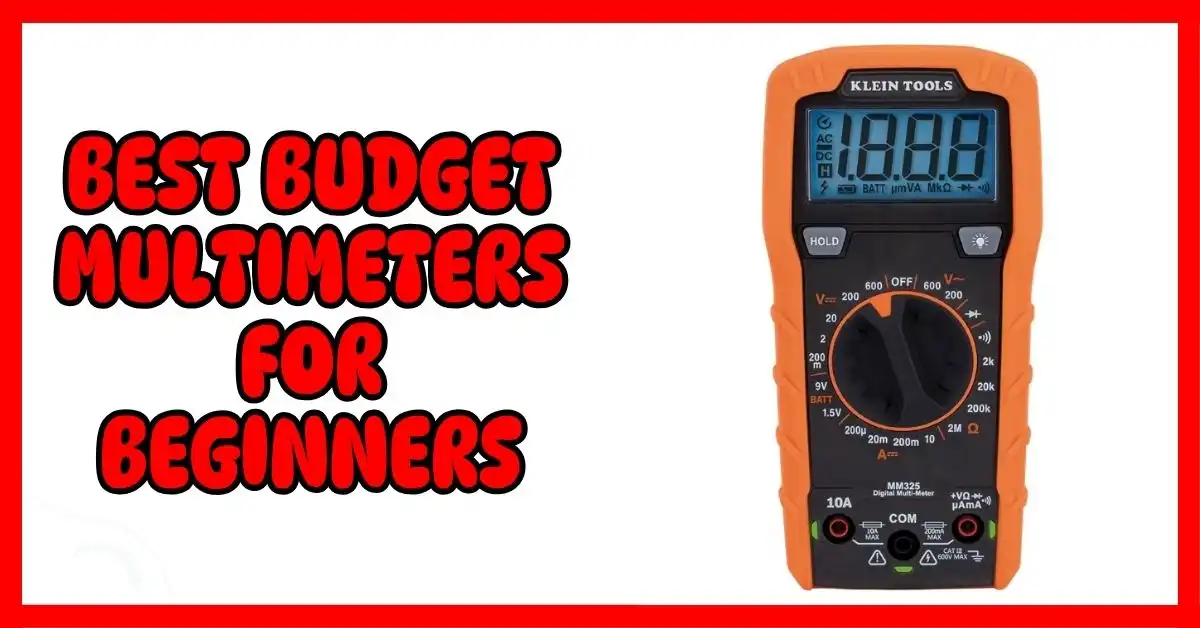
The first time I used a multimeter, I picked the wrong setting and got stuck. It felt confusing and slow. So I made this guide on the Best Budget Multimeters for Beginners to help you avoid that. I have tested simple tools at home and on my car. Here, I will share easy picks and clear tips to help you find a simple, easy to use multimeter fast.
What Is a Multimeter? (Super Simple Explanation)
The first time I picked up a simple multimeter, it felt confusing. A multimeter is a small tool that checks electricity. It measures voltage, current, and resistance. Think of it like a health check for wires and devices. It shows if power is flowing, weak, or blocked. This makes it the easiest multimeter to use once you know the basics.
I first used mine to check batteries at home. When a remote stopped working, I tested the battery. A multimeter can quickly tell if the battery is dead or still good. That simple check saved me money and frustration.
Next, I tested wall outlets. I was nervous at first. The multimeter showed clearly if the outlet had power. It felt like finally turning on the lights in a dark room. I could see problems fast.
Later, I used it on my car when it would not start. I checked the battery voltage and saw it was low. A multimeter helps you find problems in seconds, even in cars. It turned guesswork into clear answers.
Beginners need a multimeter because it makes small fixes easy. It shows you what is working and what is not. After using it a few times, it feels less like a tool and more like a helper you can trust.
How to Choose the Best Budget Multimeter (Beginner Guide)
1. Auto-Ranging vs Manual (Keep It Simple)
The easiest way to start is with an auto-ranging multimeter. It picks the right setting for you. You just read the number and move on. Manual meters can work too, but they need practice. For beginners, a simple, easy to use multimeter is less confusing and safer.
2. Safety Ratings Matter
Every multimeter has a safety rating, like CAT II or CAT III. These numbers show how much electricity the meter can handle safely. Beginners should stick to a meter with a good rating. A CAT III meter is better for outlets and home wiring. It protects you from shocks.
3. Must-Have Features
Some features make testing much easier. A backlit screen helps you read numbers in dark spots. Continuity testing shows if wires are connected. Data hold freezes the reading so you don’t rush. These small features make a multimeter beginner-friendly. They help you find problems fast and easily.
4. Features You Can Skip (At First)
Extras like frequency, temperature, and advanced modes are not needed for simple home or car checks. Focus on the basics first. A simple meter keeps learning fast and easy. You can explore advanced features later once you feel confident.
Best Budget Multimeters for Beginners (My Top Picks)
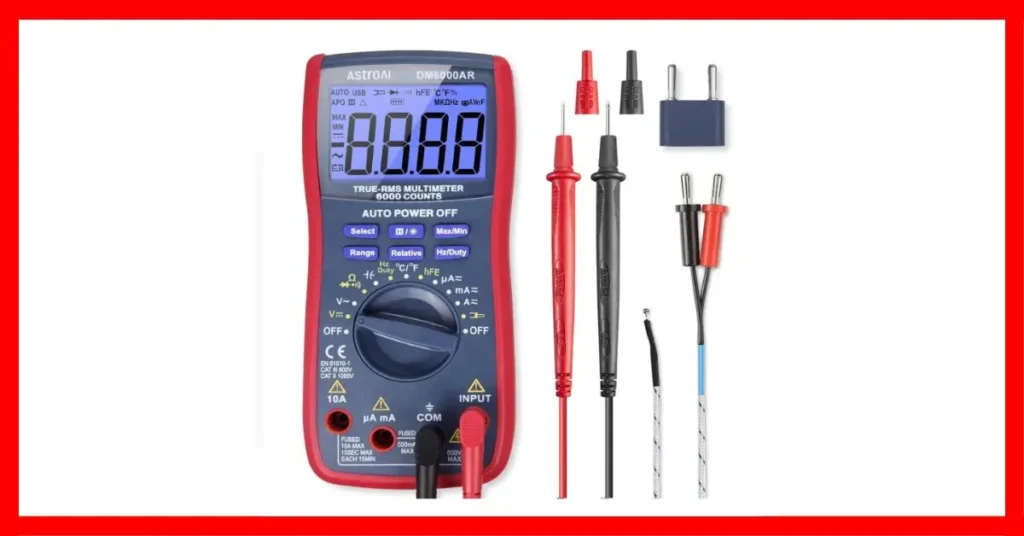
Best Overall Budget Multimeter – AstroAI Model
The AstroAI multimeter is my top pick for beginners. It is simple, accurate, and easy to read. The meter auto-ranges, so you don’t have to guess the settings. The short answer: it works well for home, car, and hobby projects. Pros: safe, reliable, and affordable. Cons: the screen is a bit dim in low light.
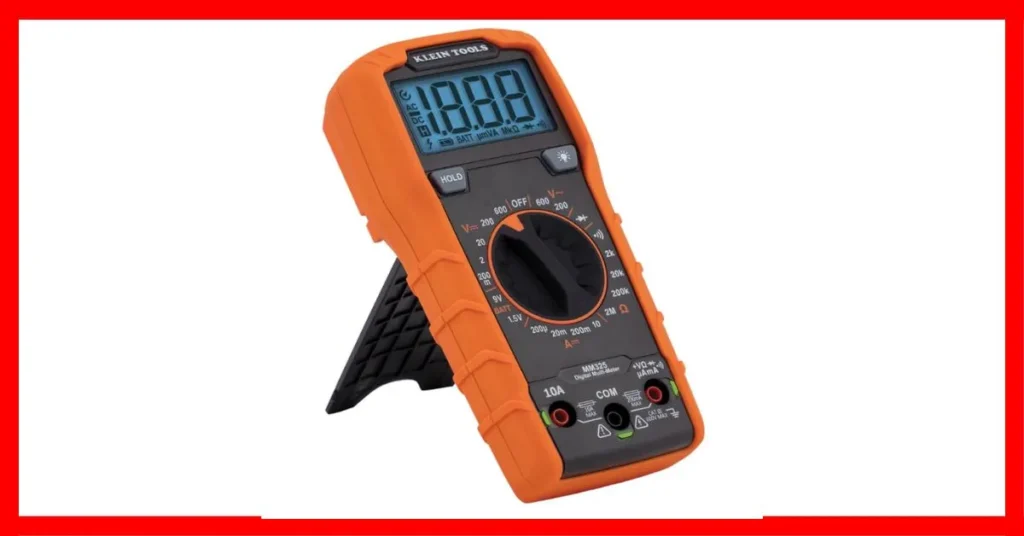
Best Simple Multimeter for Home Use – Klein MM325
The Klein MM325 is strong and built to last. It focuses on the basics. The quick answer: if you want a best multimeter for home use, this one is easy and straightforward. Perfect for checking outlets, batteries, or small repairs. Pros: durable, easy to read, long-lasting. Cons: no advanced features like temperature or frequency checks.
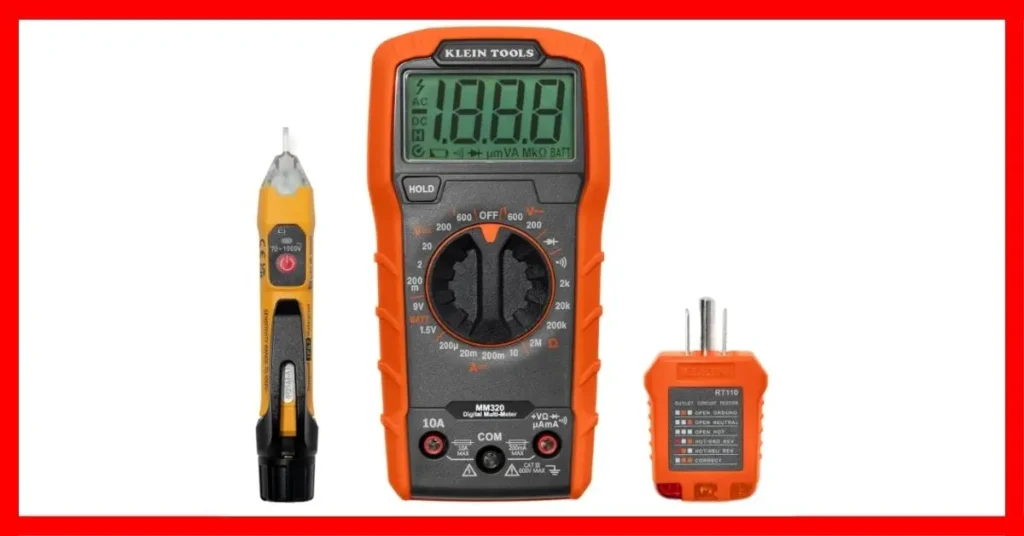
Best All-in-One Kit for Beginners – Klein Test Kit
The Klein Test Kit comes with probes, clips, and the meter itself. The short answer: this best cheap multimeter kit gives you everything you need under $100. Great for home wiring and car projects. Pros: complete kit, beginner-friendly, versatile. Cons: a little bulkier than single meters.
👉🏿👉🏻 Check Latest Price and Offer at Amazon 👈🏻👈🏿
👉🏿👉🏻 Check Latest Price and Offer at Amazon 👈🏻👈🏿
👉🏿👉🏻 Check Latest Price and Offer at Amazon 👈🏻👈🏿
Real-World Comparison (Easy Table Section)
When I tested beginner multimeters, some were much easier to use than others. The AstroAI meter is very simple. It auto-ranges, has a backlit screen, and shows readings clearly. It works well for home projects, car checks, and hobby use.
The Klein MM325 is simple but built to last. It covers basic functions, making it easy for home tasks like checking outlets or batteries. The Klein Test Kit comes with probes and clips. It is great for home wiring or car troubleshooting, though it is a bit bigger than single meters.
Here’s a quick comparison:
| Model | Ease of Use | Features | Safety | Best For |
| AstroAI | Very easy | Auto-range, backlight, data hold | CAT III | Home, car, hobby |
| Klein MM325 | Easy | Basic, durable | CAT II | Home projects |
| Klein Test Kit | Moderate | Full kit with probes & clips | CAT III | Home wiring, car checks |
From my experience, the AstroAI is the easiest multimeter to use for most beginners. The Klein MM325 is perfect if you want a simple, durable meter for home use. The Klein Test Kit works best if you want a complete set without buying extra tools.
This table makes it easy to see which meter fits your needs. It answers the common beginner question: which is the best multimeter for home, car, or hobby projects.
My Real Experience Using Budget Multimeters
The first time I used a budget multimeter, I felt nervous. I worried I might make a mistake or break something. The AstroAI meter helped me feel safe. It has auto-ranging, so it picks the right setting for voltage or current. The screen lights up, which is great in low light. I could test batteries and outlets without stress.
The Klein MM325 is very sturdy. I dropped it once, but it still worked fine. I mostly used it at home. It helped me check old outlets and fix small appliances. The simple buttons make it easy to use, even if you are new. Beginners will find it safe and reliable.
The Klein Test Kit is perfect for bigger projects. It comes with extra probes and clips. I used it to check garage wiring and a car battery. At first, it felt tricky to handle all the tools. After a few tries, it saved me time and made tests more accurate.
I also learned that mistakes happen. I once placed the probes on the wrong terminals. The meter beeped and warned me immediately. Always start with small tests and double-check your connections. This keeps you safe and builds confidence fast.
Budget multimeters work very well for beginners. You don’t need an expensive meter to get accurate readings. With practice, you can test batteries, outlets, and car circuits with ease.
Manual vs Auto-Ranging (Beginner Decision Guide)
When you start using a multimeter, you have to choose manual or auto-ranging. Auto-ranging meters pick the right scale for you. You don’t have to guess volts, amps, or ohms. This makes it easier and safer for beginners. Just connect the probes and read the number.
Manual meters give you more control. You set the range yourself, like choosing a speed on a bike. If you pick the wrong range, the reading might be wrong. Beginners often find this confusing at first.
For most beginners, an auto-ranging digital multimeter is best. It saves time, avoids mistakes, and helps you feel confident. Manual meters are okay if you want to learn more and don’t mind adjusting the settings. For home use, car checks, or small projects, auto-ranging is the easier choice.
Common Beginner Mistakes (And How to Avoid Them)
When you first use a multimeter, mistakes happen. A big one is using the wrong dial. I once tried to check a battery and set the dial wrong. The reading was all wrong. Always check the dial before you test. This keeps you safe and gives correct readings.
Another common error is wrong probe placement. If you switch red and black, the meter may show zero. I did this while testing a wall outlet. The reading was useless. Match red to positive, black to negative. Always check before touching wires.
Many beginners ignore safety ratings. Multimeters have CAT ratings like CAT II or CAT III. I once used a CAT II meter on a wall circuit that needed CAT III. It worked, but it could have been unsafe. Check the rating for your job.
Avoid these mistakes: wrong dial, wrong probes, and ignoring safety. Take it slow, check twice, and you will get accurate results. Learning by testing small things first is the best way to gain confidence.
Best Multimeter for Home vs Auto Use
Choosing a multimeter depends on what you will use it for. For home work, you want a simple and safe meter. Look for a clear display, easy dial, and good safety rating. This helps you check outlets, switches, and small repairs without stress.
For car work, your meter needs to handle 12V circuits, check batteries, and test fuses. A backlit screen and fast readings help in a garage or on the road. A small, durable model is easier to carry and use.
Some meters work for both home and car jobs. These combo meters have auto-ranging and manual modes. You can switch easily between home wiring and car batteries.
In short, pick a home meter for indoor tasks. Pick an auto meter for your car. Or get a combo if you want one meter for everything. This saves money and gives reliable readings.
Are Cheap Multimeters Worth It?
Cheap multimeters are good for beginners. They work well for small tasks like checking batteries or testing outlets. You don’t need an expensive meter to start.
The limits are durability and features. Cheap models may wear out faster. They often miss extra functions like temperature or frequency checks.
If you only use it at home or for hobbies, a cheap multimeter is fine. For car repairs or heavy use, a stronger model is better. It gives safer and more reliable readings.
In short, cheap multimeters are okay for learning and light use. Upgrade when you need more durability, safety, or advanced features. This way, you save money but still get accurate results.
USA vs UK Buyers
US and UK multimeters are not always the same. US meters usually run on 120 volts. UK meters run on 230 volts. Using the wrong one can give wrong readings.
Plug shapes are different. US plugs are flat. UK plugs are round. You might need an adapter or a UK-specific model.
Safety rules can change too. UK meters often have stricter rules for high voltage. US meters have different CAT ratings. Always check the local safety rules.
In short, check voltage, plug type, and safety before buying. Picking the right meter keeps you safe and gives accurate readings.
FAQs
What is the easiest multimeter to use?
The easiest multimeter has auto-ranging. You don’t have to pick the range. It shows numbers clearly. This makes testing quick and safe.
What is the best multimeter for beginners under $100?
A good beginner multimeter is simple and accurate. Many digital models under $100 work well. They handle home and car jobs easily. You don’t need extra features yet.
Can I use a cheap multimeter safely?
Yes, if it has proper safety ratings. Always check the CAT rating first. Follow instructions closely. This keeps you safe while testing.
What should I look for in a beginner multimeter?
Look for auto-ranging, backlit screen, and continuity test. Simple buttons help a lot. Extra features are nice but not needed at first. Pick one that feels easy to use.
Is auto-ranging better for beginners?
Yes. Auto-ranging stops you from choosing the wrong range. It makes reading values easy. Beginners make fewer mistakes this way.

Final Verdict
You don’t need an expensive multimeter to get started.
The best overall is simple and accurate. It works well for home and car tasks.
The best simple model is great if you only need basic checks. It is sturdy and easy to read.
The best kit comes with all the tools for home wiring and car fixes. It saves time and hassle.
No matter which one you choose, follow safety rules. Start small. Even a cheap multimeter can be very helpful for beginners.
To Get More About Home and Kitchen Product You Can Visit Our Site. If You Found our Posts Helpful Leave a Comment Below