
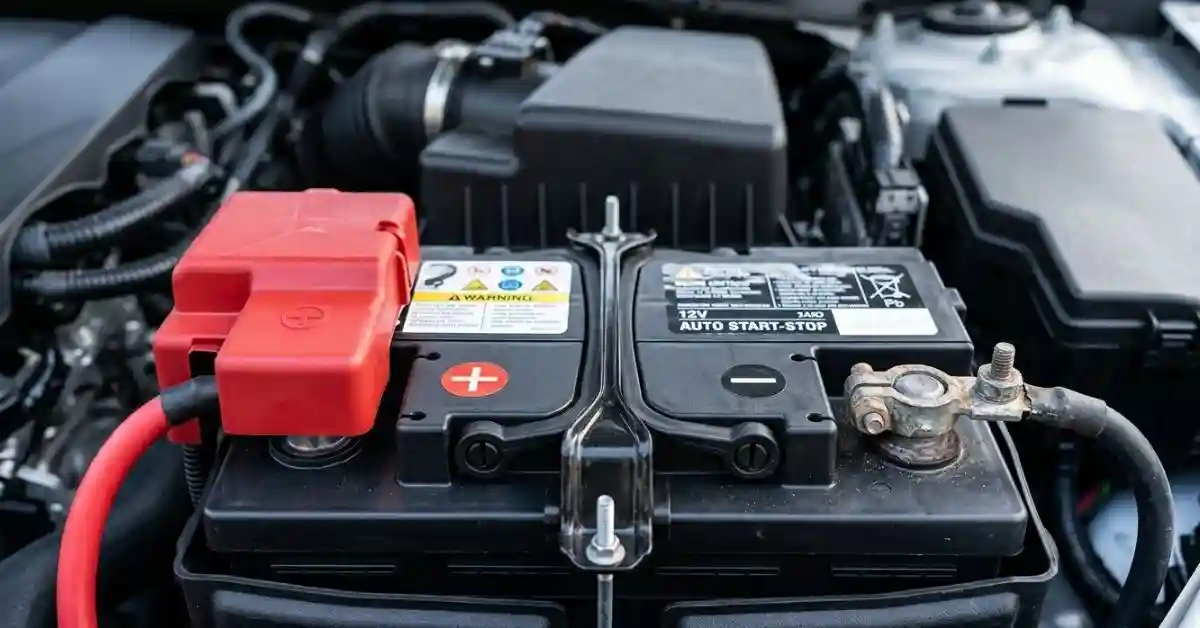
I used to think battery terminal covers were just one of those small car parts that manufacturers added for neatness. After dealing with batteries, loose tools, corrosion, and the occasional electrical issue, I changed my mind. Are battery terminal covers necessary? Not in every situation, but they serve a very useful safety purpose.
A battery terminal cover can help prevent accidental electrical shorts, protect a terminal from dirt and moisture, and reduce the chance of something metal touching the positive terminal. In this guide, I’ll explain when they matter, when you may be able to live without them, and what I would do in real-world use.
Are Battery Terminal Covers Necessary on a Car Battery?
For most car batteries, I would keep the terminal covers in place, especially the cover over the positive terminal. It is a simple piece of plastic, but it can prevent a surprisingly serious problem.
A car battery can deliver very high current. If a metal tool touches the positive terminal and another grounded metal part at the same time, the result can be a short circuit. That can create sparks, heat, or even damage.
| Battery terminal cover | Main job |
| Positive cover | Helps prevent accidental short circuits |
| Negative cover | Adds protection from dirt and contact |
| Both covers | Keeps terminals cleaner and safer |
The positive terminal is usually the one that deserves the most attention. The negative side connects to the vehicle’s chassis, so accidental contact around the positive terminal can be especially troublesome.
Why the Positive Battery Terminal Cover Matters Most
The positive battery terminal is electrically live even when the engine is off. That is easy to forget when working under the hood.
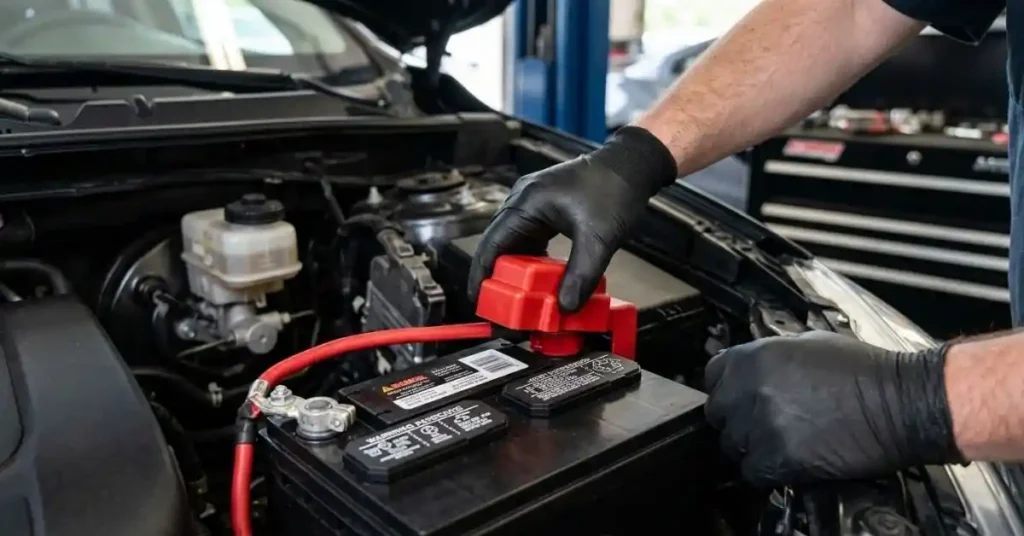
I’ve found that this is where a small cover makes the biggest difference. If a wrench slips while working nearby, the cover can help stop the tool from making direct contact with the terminal.
That does not make the battery completely safe. It simply adds another layer between the live connection and an accidental metal object.
What Does a Battery Terminal Cover Actually Protect Against?
A terminal cover is not designed to protect the battery from every possible problem. Its main purpose is to shield the terminal and reduce accidental contact.
| Risk | How a cover helps |
| Metal tool contact | Reduces chance of direct contact |
| Dirt and debris | Helps keep the terminal area cleaner |
| Moisture exposure | Provides some physical shielding |
One thing I misunderstood at first was corrosion. A battery terminal cover can help reduce exposure, but it is not a complete corrosion solution.
If the terminal is already dirty or corroded, simply putting a plastic cover over it will not fix the problem. The connection still needs proper cleaning and inspection.
Can a Battery Terminal Cover Prevent a Short Circuit?
It can help prevent an accidental short, but it cannot guarantee one will never happen.
For example, imagine a wrench is placed near the battery while someone is working. If the wrench lands across the positive terminal and a grounded metal part, current can flow through the tool.
A properly fitted terminal cover makes that accidental contact less likely.
That is why I see the cover as a basic safety barrier rather than a decorative part.
What Happens If You Drive Without a Battery Terminal Cover?
In many vehicles, the engine will still start and run normally without the cover. The missing cover does not usually stop the battery from supplying power.
The problem is the increased exposure.
Without the cover, the positive terminal is easier to touch with a tool or another conductive object. Dirt, moisture, and road debris may also have easier access to the connection.
| Without a cover | With a cover |
| Terminal is more exposed | Terminal has added protection |
| Higher chance of accidental contact | Lower chance of accidental contact |
| Less protection from debris | Better physical shielding |
This is one of those situations where something can be unnecessary for basic operation but still worthwhile for safety.
Is It Safe to Leave the Cover Off Temporarily?
For a short repair or battery replacement, the cover may need to come off. That is normal.
What I would avoid is treating temporary removal as permanent. Once the work is finished, I would reinstall the cover if the vehicle was designed to have one.
If the original cover is broken or missing, replacing it is a small maintenance job compared with dealing with an avoidable electrical short.
Are Battery Terminal Covers Necessary for Other Types of Batteries?
Not all batteries have the same setup. Terminal protection becomes particularly useful when the battery is installed near metal parts or where tools can easily reach the terminals.
This applies to more than standard car batteries.
| Battery type | Terminal cover value |
| Car battery | High, especially for positive terminal |
| Motorcycle battery | Useful where terminals are exposed |
| Boat battery | Useful because of moisture and corrosion concerns |
| RV battery | Useful around exposed battery banks |
The exact setup matters. Some batteries come with built-in protection, recessed terminals, or other barriers that already reduce the risk.
That means I would look at the battery installation rather than assuming every battery needs the same type of cover.
What I Learned About Battery Terminal Covers and Corrosion
This was another area where my expectations were a little off. I once thought a terminal cover would almost eliminate corrosion. It does not.
Battery corrosion can come from several sources, including battery fumes, poor connections, moisture, and other environmental conditions. A cover may reduce exposure, but it cannot correct an underlying battery or connection problem.
If I see white, blue, or greenish buildup around a terminal, I treat it as something worth investigating.
| What you see | What I would check |
| White powder | Terminal corrosion and battery condition |
| Loose connection | Terminal clamp and cable fit |
| Wet or dirty area | Battery case and surrounding area |
I also avoid simply scraping corrosion away and calling the job finished. The connection should be inspected and cleaned correctly, and the battery itself should be checked if corrosion keeps returning.
Does a Terminal Cover Stop Water From Reaching the Battery?
Not completely.
A cover is a physical shield, not a waterproof seal. Water can still enter the engine compartment from rain, washing, condensation, or other sources.
The important point is that normal engine-bay exposure does not mean the battery should be left completely unprotected. The cover is just one part of the overall setup.
Common Battery Terminal Cover Mistakes I Would Avoid
Small battery parts tend to get ignored. That is exactly why simple mistakes can happen.
I’ve learned that the most useful approach is to check the cover whenever I inspect the battery rather than waiting until there is a problem.
| Mistake | Better approach |
| Leaving a broken cover | Replace it |
| Covering a dirty terminal | Clean and inspect first |
| Using a loose homemade cover | Use a proper battery terminal protector |
| Ignoring recurring corrosion | Look for the underlying cause |
One mistake I would especially avoid is using random tape as a permanent replacement. Tape may look like a quick fix, but it is not the same as having a properly fitted terminal protector.
What If the Battery Terminal Cover Keeps Falling Off?
If the cover will not stay in place, I would first check whether it is cracked, stretched, or missing a retaining clip.
Sometimes the problem is not the cover at all. The battery may have been replaced with a different size or terminal arrangement, leaving the original cover poorly positioned.
A cover that constantly falls off is not doing much good. It should fit securely without interfering with the cable or terminal.
Do You Need Battery Terminal Covers for Battery Maintenance?
No cover should stop you from inspecting the battery.
This is an important practical point. Some people see the cover and assume the terminal is protected enough that it never needs checking.
I prefer to inspect the battery periodically for:
- Loose terminal connections
- Corrosion
- Damaged cables
- Cracked covers
- Swelling or physical damage
- Signs of leakage
The cover is there to reduce risk. It is not a substitute for maintenance.
Can You Replace a Missing Battery Terminal Cover?
Yes. In many cases, replacing a missing cover is quite straightforward.
The important part is getting the correct style and size for the battery terminal and cable arrangement. Universal terminal covers are available, but fit matters more than appearance.
| Replacement option | What to consider |
| Vehicle-specific cover | Usually gives the most natural fit |
| Universal cover | Check size and terminal layout |
| Original replacement | Useful when the factory cover is available |
I would not choose a replacement just because it looks similar. The cover needs to stay securely over the intended terminal without putting pressure on the cable.
Can You Make a Battery Terminal Cover Yourself?
People sometimes use rubber, plastic, or other insulating material as a quick solution. While an insulating material can reduce electrical contact, I would not rely on an improvised cover when a proper replacement is available.
The issue is fit and durability.
A homemade piece can move, melt, crack, fall off, or interfere with the battery cable. A purpose-made battery terminal protector is designed for this job and is generally the more sensible long-term solution.
Are Battery Terminal Covers Necessary on a New Battery?
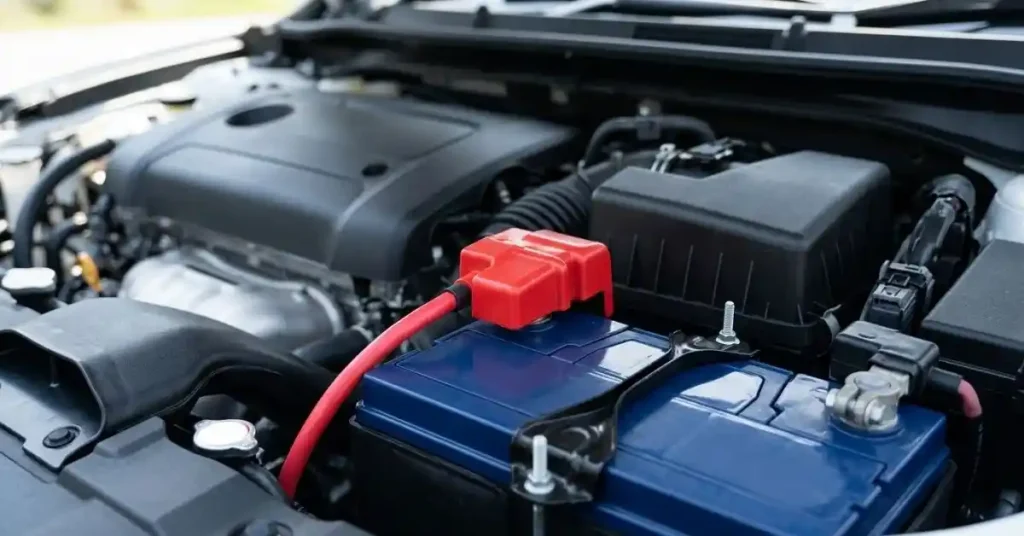
If the new battery or vehicle setup includes a terminal cover, I would keep it.
A new battery does not somehow remove the risk of an accidental short. In fact, a healthy battery can deliver plenty of current, so the safety reason for terminal protection still applies.
One thing I always try to remember is that new does not mean risk-free.
A clean battery with tight terminals and a secure cover is a much better setup than a new battery with exposed connections and loose hardware.
When a Battery Terminal Cover May Not Be Needed
There are situations where a separate cover may not be necessary.
For example, the battery may have recessed terminals, an integrated protective housing, or another design that already shields the electrical connections.
| Situation | Separate cover? |
| Exposed positive terminal | Generally useful |
| Built-in terminal protection | May not be needed |
| Recessed terminal | Depends on the battery design |
So I would not say every battery in every application must have an additional plastic cap.
The better question is: Is the live terminal already protected from accidental contact?
If the answer is yes, another cover may add little practical benefit.
My Practical Checklist for Battery Terminal Covers
After dealing with battery maintenance over time, I’ve found that a quick visual check is usually enough to spot the common problems.
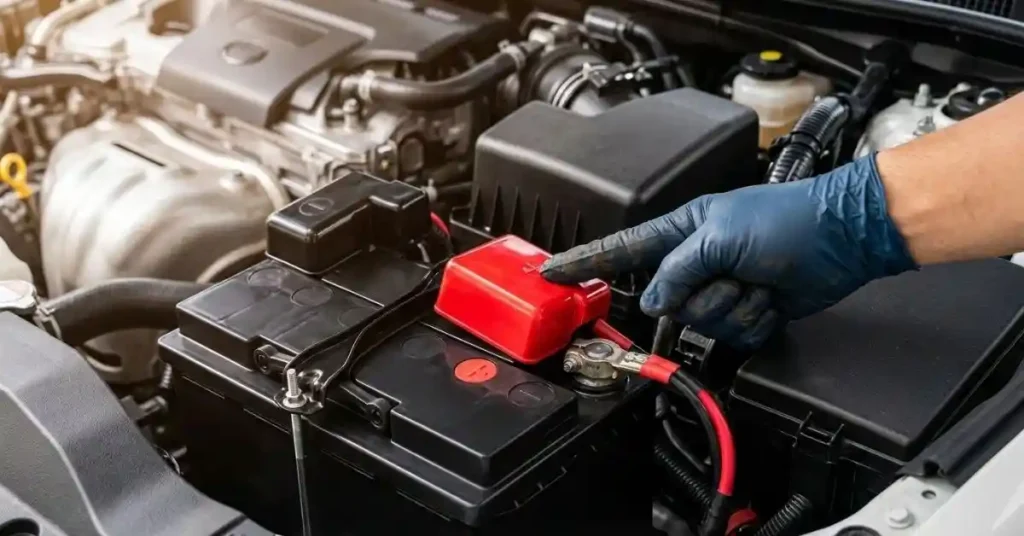
I look for a cover that is secure, intact, and positioned correctly. I also check the terminal underneath when doing normal battery maintenance.
| Check | What I want to see |
| Cover | Secure and not cracked |
| Terminal | Clean and free from heavy corrosion |
| Cable | Firm and undamaged |
| Surrounding area | No obvious leakage or damage |
If something looks unusual, I deal with that issue instead of simply putting the cover back and forgetting about it.
Are Battery Terminal Covers Necessary? My Take
After looking at the practical side of it, I would say battery terminal covers are not essential for the battery to operate, but they are an important safety feature when the terminal is exposed.
The positive terminal is the main concern. A simple cover can reduce the chance of an accidental short when tools, loose metal parts, or other conductive objects get near the battery.
I also would not expect a terminal cover to solve corrosion or battery problems. It is one small part of good battery care, not a replacement for inspection and proper maintenance.
For the small cost and simple design, keeping the original cover in place makes sense to me. If yours is missing or broken, I would replace it rather than leave the terminal exposed.
Frequently Asked Questions
1. Are battery terminal covers necessary on a car battery?
Yes, they are useful. A battery terminal cover helps shield the live positive terminal from tools, metal parts, dirt, and other items that may cause a short.
2. What does a battery terminal cover do?
A battery terminal cover helps protect the battery post from stray metal contact. It also gives some cover from dirt and water in the engine bay.
3. Can I drive without a battery terminal cover?
You can, but leaving the terminal open adds risk. A loose tool or metal part may touch the post and cause a short, so replacing a lost cover is wise.
4. Do battery terminal covers stop corrosion?
Not fully. A terminal cover can help keep dirt and water away, but it will not stop all corrosion. Clean the post and check the battery if buildup keeps coming back.
5. Can I replace a missing battery terminal cover?
Yes. You can use a proper car battery terminal cover made for your battery. Make sure it fits well and stays in place without pressing on the cable.
To Get More About Home, Car Tools Product You Can Visit Our Site. If You Found our Posts Helpful Leave a Comment Below