
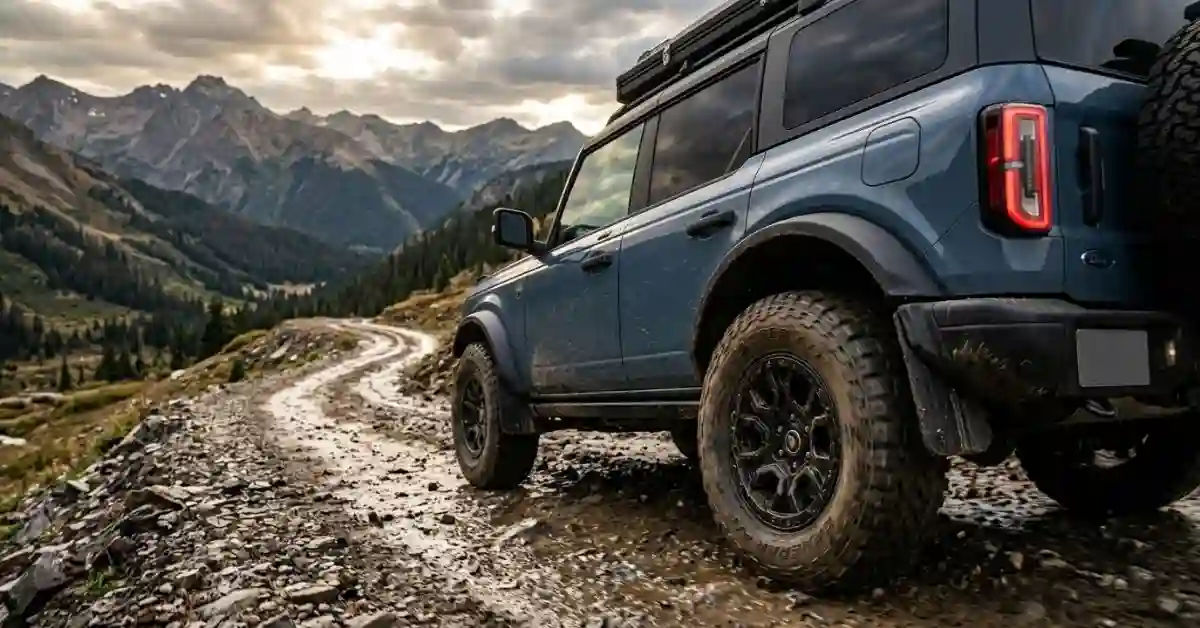
When I shop for tires, I look beyond the brand name. I want to know how well the tires grip wet roads, how long they last, and whether they stay comfortable after months of driving. A lower price means little if I end up replacing the tires too soon.
So, Are General Tires Good? Yes, General Tires can be a good choice for many drivers. The brand offers tires for daily driving, highway use, SUVs, trucks, and performance cars. However, the right model matters more than the name alone.
In this guide, I’ll explain what I learned from researching General Tires, including their strengths, weaknesses, wet-weather performance, tread life, and everyday value. I’ll also cover the mistakes I would avoid when choosing a set.
Are General Tires Good for Everyday Driving?
General Tires are a reasonable option for drivers who want practical performance without automatically paying premium-brand prices. Their suitability depends on the specific tire, vehicle, and road conditions.
I think about tires as the only part of a car that touches the road. That makes grip, braking, and proper fit more important than saving a few dollars at checkout.
What Makes General Tires Worth Considering?
General Tire offers several product families, including Altimax, Grabber, and G-MAX. Each serves a different driving need.
| General Tire Family | Main Use |
| Altimax | Passenger cars and daily driving |
| Grabber | SUVs, trucks, and highway use |
| G-MAX | Performance-focused driving |
A comfortable highway tire is not automatically the best choice for a sporty car. Likewise, a performance tire may not be ideal for someone who mainly wants a quiet, long-lasting commute.
My first lesson from tire research is simple: Choose the tire for your driving needs, not just its brand or advertised price.
How General Tires Compare With Premium Brands
General Tires compete in several price and performance segments. Depending on the model, they may offer a practical alternative to more expensive tires.
However, I would not assume that every General Tire performs like a premium tire. Testing results, tread design, warranty coverage, and vehicle fit can vary.
| Comparison Point | What to Consider |
| Purchase price | Does it fit your budget? |
| Road grip | Does it suit your normal weather? |
| Tread life | Does the warranty match your needs? |
A lower price can be useful, but it should not replace checking safety and performance requirements.
General Tires Wet and Dry Traction
Wet grip is one of the first things I would check before buying tires. Rain can change stopping distance and road grip quickly, especially when water builds up on the road.
General Tire models receive positive feedback for dry and wet performance, but results differ by product.
Are General Tires Good in the Rain?
Some General models perform well in wet conditions. For example, Tire Rack customer feedback for the G-MAX AS-07 shows strong wet-traction ratings, with many reviewers praising grip and resistance to hydroplaning. These are customer reports, not a guarantee for every General tire.
I would still check the exact model before buying. A tire designed for dry performance may behave differently from one built for all-season driving.
| Road Condition | What Matters Most |
| Light rain | Wet grip and steering control |
| Heavy rain | Tread design and hydroplaning resistance |
| Dry roads | Braking, cornering, and stability |
No tire can remove the risks of speeding on wet roads. Tire condition, inflation pressure, and driving speed still matter.
Dry Road Handling
General G-MAX tires have received favorable customer feedback for dry traction and steering response. The G-MAX AS-07, for example, shows strong dry-traction ratings in Tire Rack’s customer review data.
That makes this type of tire worth considering for drivers who want a more responsive feel.
Still, I would not choose a performance tire only because it has good dry grip. Ride comfort, noise, tread life, and wet-weather behavior matter during normal driving too.
Are General Tires Good for Highway Driving?
For highway driving, I would focus on comfort, stability, noise, and predictable wet-weather grip.
A tire can feel excellent on a smooth road but become less pleasant on rough pavement. That is why I pay attention to road noise and ride quality, not just handling.
General Grabber Tires for SUVs and Trucks
The General Grabber range includes highway and all-season tires for SUVs and trucks. The Grabber HTS and HTS 60 are examples of models designed for highway-oriented use.
Customer feedback for the Grabber HTS reports good dry traction, comfortable ride quality, and useful wet-weather performance. Some reviews also mention reduced grip in more demanding snow and ice conditions.
| Driving Need | What to Check |
| Highway commuting | Ride comfort and noise |
| SUV use | Load rating and vehicle fit |
| Truck driving | Load needs and road conditions |
One mistake I would avoid is buying a tire based only on its aggressive appearance. A rugged-looking tire is not always the best match for daily highway driving.
Are General Tires Quiet?
Some General Tire models receive positive feedback for low road noise and comfortable rides.
For example, customer reviews of the G-MAX AS-07 and Grabber HTS mention smooth ride quality and manageable noise.
But road noise depends on several factors:
- Tread pattern
- Road surface
- Tire wear
- Vehicle insulation
- Correct inflation
A tire that feels quiet in one car may sound louder in another. I would check reviews from vehicles similar to mine before making a decision.
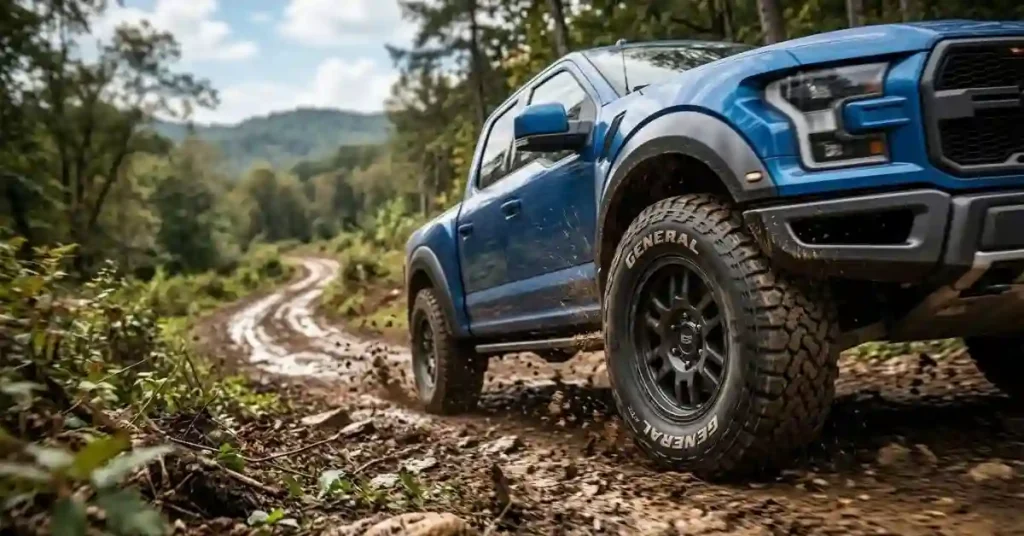
Are General Tires Good for Tread Life?
Tread life is where I would look beyond the first impression. A tire can feel great when new, but its value depends on how it performs as the tread wears.
General Tires have different treadwear warranties and expected service lives. You should check the warranty for the exact model and size.
How Long Do General Tires Last?
There is no single mileage figure for every General Tire.
Service life depends on:
- Driving habits
- Tire rotation
- Wheel alignment
- Inflation pressure
- Road conditions
- Tire model
For example, the G-MAX RS is a performance summer tire. Customer reviews show positive feedback about treadwear, but some drivers also report faster wear under demanding use.
This is a useful reminder: A performance tire may need different expectations from a highway touring tire.
| Factor | Effect on Tire Life |
| Underinflation | Can increase uneven wear |
| Poor alignment | May wear one edge faster |
| Aggressive driving | Can reduce tread life |
| Regular rotation | May help even out wear |
I would rather inspect my tires regularly than assume the warranty guarantees a certain number of miles.
Does Tire Rotation Really Matter?
Yes, rotation can help promote more even wear when the vehicle and tire design allow it.
Front and rear tires can wear at different rates. This is especially important on vehicles with different tire sizes or certain drivetrain layouts.
I would follow the vehicle and tire manufacturer’s rotation guidance rather than use the same schedule for every car.
General Tire Warranty and Value
A tire warranty can help you understand the manufacturer’s coverage, but it is not the same as a promise that your tires will last for a fixed number of years.
General Tire offers warranty coverage that varies by product and purchase date.
What Should You Check Before Buying?
I would review the warranty details before paying for a full set.
| Warranty Item | Why It Matters |
| Treadwear coverage | May provide mileage-related coverage |
| Workmanship coverage | Addresses certain manufacturing issues |
| Road hazard coverage | May cover specific damage, if included |
The General Tire warranty document lists coverage terms and exclusions. Some models also have customer satisfaction trial programs.
Do not assume every General tire has the same warranty. Read the model-specific terms and confirm the seller’s conditions.
Is a Lower Price Always Better?
Not necessarily.
A tire’s total value includes the purchase price, installation, maintenance, performance, and service life.
For example, a cheaper tire that wears unevenly may cost more over time. A slightly more expensive tire that better fits your driving needs could be a more practical purchase.
I would compare the full cost rather than focus only on the price printed on the shelf.
Common Mistakes When Buying General Tires
Tire shopping can become confusing fast. I would avoid these common mistakes when comparing General Tires.
Mistake 1: Choosing by Brand Alone
A trusted brand does not mean every model suits every driver.
Better approach: Start with your vehicle’s tire size, driving conditions, and performance needs.
Mistake 2: Ignoring the Weather
An all-season tire is not the same as a dedicated winter tire.
If you drive in heavy snow or icy conditions, check whether the tire is designed for those conditions.
| Mistake | Better Approach |
| Buying by brand only | Compare the exact model |
| Ignoring tire size | Follow vehicle specifications |
| Skipping tire inspections | Check pressure and tread often |
Mistake 3: Waiting Too Long to Replace Worn Tires
Tire performance can change as tread wears. I would not wait until a tire looks completely bald before checking its condition.
Inspect tread depth, cracks, bulges, and uneven wear. If you notice a problem, have the tire checked by a qualified professional.
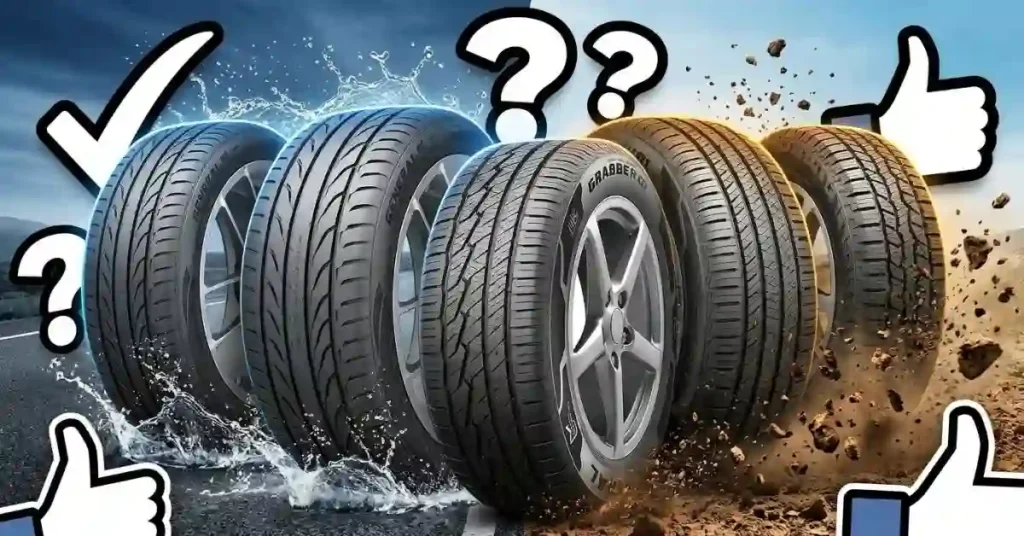
Which General Tire Is Right for You?
The best model depends on your car and the roads you drive on.
I would divide the choice into three broad needs: daily passenger-car driving, highway SUV or truck use, and performance driving.
For Daily Driving
Look for a model that offers the right balance of comfort, wet grip, tread life, and price.
General’s Altimax range is worth investigating for passenger-car applications, but check the exact tire’s specifications and reviews.
For SUVs and Trucks
The Grabber range includes models aimed at highway and truck use.
Check load ratings, tire size, driving conditions, and whether you need highway, all-terrain, or another tire type.
For Performance Cars
G-MAX models may be worth considering if you want responsive handling.
However, I would pay close attention to ride comfort, treadwear, and seasonal limitations. A performance tire may not be the right choice for every climate or driving style.
| Driver Type | What to Prioritize |
| Daily commuter | Comfort and wet grip |
| SUV owner | Load rating and highway stability |
| Performance driver | Handling and traction |
This approach helps avoid choosing a tire that looks good on paper but does not fit your real needs.
How to Get Better Performance From General Tires
Even a good tire needs proper care. Maintenance can affect both safety and service life.
Check Tire Pressure Regularly
Use the vehicle manufacturer’s recommended cold tire pressure. You can find this information in the vehicle manual or on the tire information label.
Do not use the maximum pressure printed on the tire sidewall as your normal target unless the manufacturer specifies it.
Inspect Tread and Wear
Look for:
- Uneven tread wear
- Cracks
- Bulges
- Embedded objects
- Low tread depth
If you see unusual wear, have the tire and wheel alignment checked.
Match Tires Properly
Use the correct size, load rating, and speed rating for your vehicle. Avoid mixing tires in ways that conflict with the vehicle manufacturer’s guidance.
Good tire care will not fix a tire that is unsuitable for your vehicle. Choosing the right product comes first.
Final Thoughts on Are General Tires Good?
So, Are General Tires Good? They can be a sensible choice for drivers who find a suitable model at a reasonable price. Customer feedback for several General models points to positive dry grip, wet traction, comfort, and treadwear experiences, though results vary by tire.
My biggest lesson is to avoid judging a tire by its brand alone. Check the exact model, compare reviews, understand the warranty, and match the tire to your vehicle and road conditions.
If you’re considering General Tires, start with your car’s tire size and your normal driving needs. That will help you narrow the options and make a more informed purchase.
General Tires may be worth considering—but the right model matters more than the logo on the sidewall.
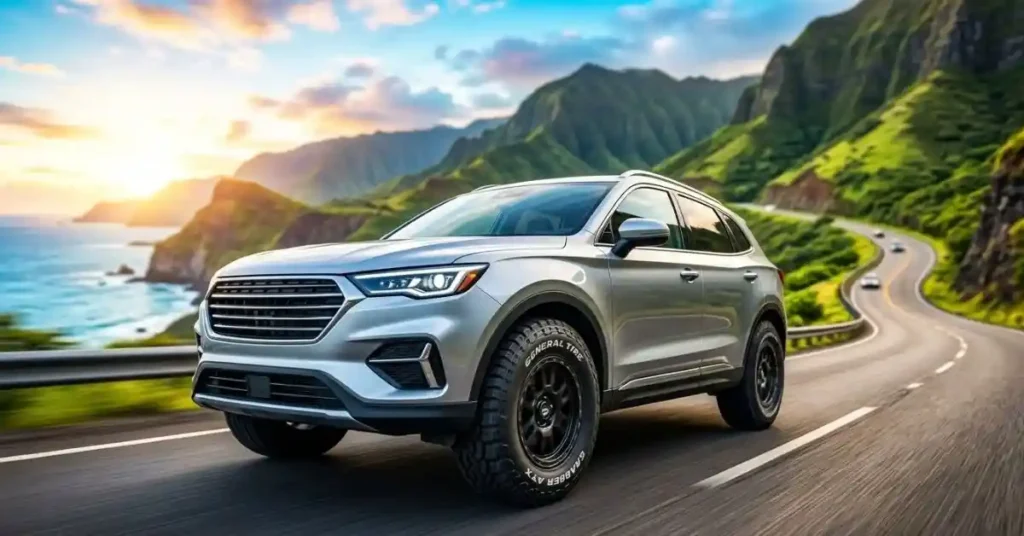
FAQs About Are General Tires Good?
1. Are General Tires Good for Daily Driving?
Yes, General Tires can suit daily driving. They offer options for cars, SUVs, and trucks. Check the model, grip, comfort, and tread life before you buy.
2. Are General Tires Good in the Rain?
Many General Tire models offer good wet grip. Results vary by model. Check tread design, reviews, and road needs before choosing tires for rain.
3. How Long Do General Tires Last?
General Tires have different tread lives. Care, road type, tire pressure, and driving habits all matter. Check the model warranty and inspect wear often.
4. Are General Tires Better Than Cheap Tire Brands?
General Tires may offer a useful mix of price and performance. Compare the exact model, grip, comfort, and warranty with other tire brands before you buy.
5. Are General Tires Good for Highway Driving?
Yes, some General Tires suit highway use. Look for good grip, low noise, and a smooth ride. Check the model’s fit and load rating for your vehicle.
To Get More About Home, Car Accessories Product You Can Visit Our Site. If You Found our Posts Helpful Leave a Comment Below