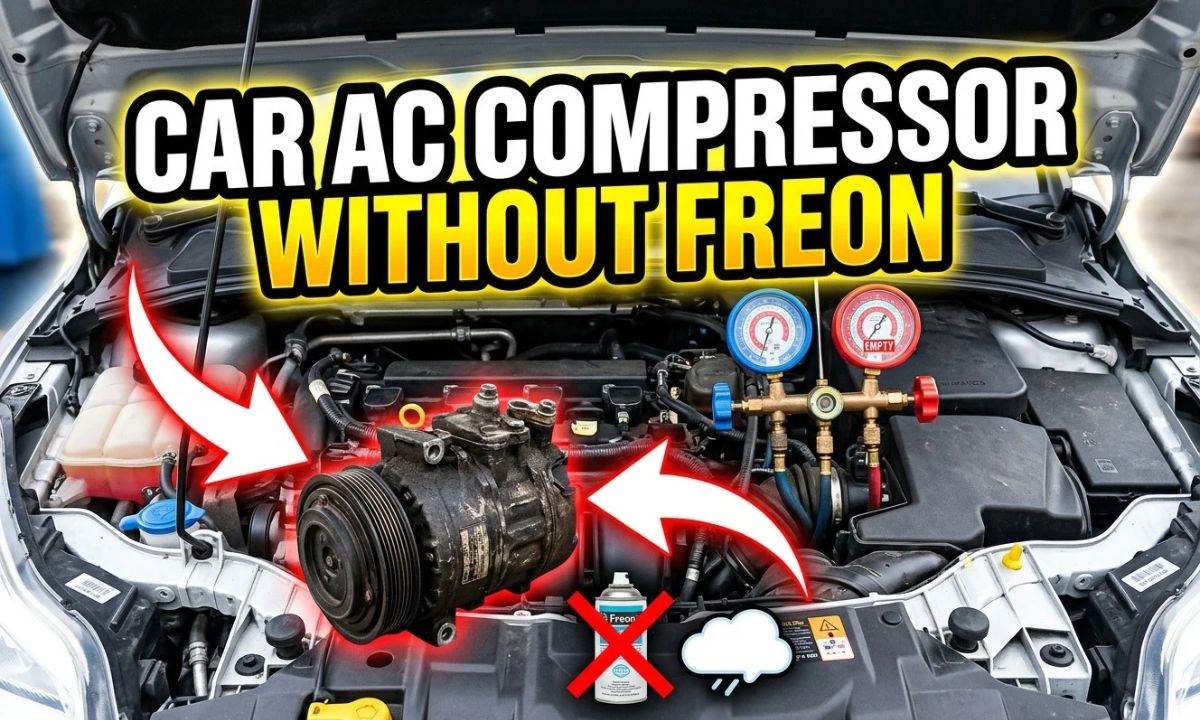
A car AC compressor should not operate for long without refrigerant because low refrigerant can reduce oil circulation, cooling, and compressor protection.
For drivers in the United States, a car air conditioner that suddenly blows warm air can be more than an inconvenience, especially during a hot summer commute in Texas, Florida, Arizona, or another warm-weather state. One common cause is low or lost refrigerant, often called Freon even though modern vehicles may use other refrigerants. If the refrigerant charge is very low, the AC compressor may be prevented from running by the vehicle’s control system, but the exact behavior depends on the vehicle and AC system design.
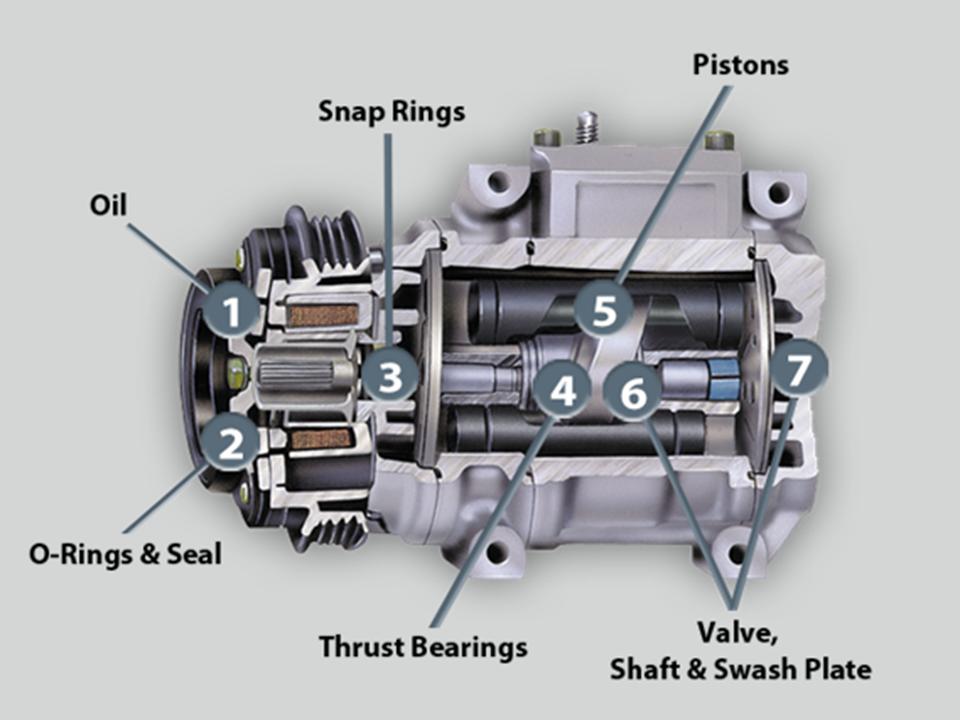
The key point is that refrigerant is not simply a cooling ingredient. In a conventional automotive AC system, refrigerant circulates through the system with refrigerant oil that helps lubricate the compressor. When a system has little or no refrigerant, the compressor may not receive the normal operating conditions needed for lubrication and heat management. Continuing to force the compressor to operate can therefore increase the risk of compressor damage. The safest approach is to diagnose the refrigerant loss and repair the underlying problem before recharging the system.
What Happens to a Car AC Compressor Without Refrigerant?
A compressor with no usable refrigerant charge cannot perform normal air-conditioning work because the refrigerant is part of the system’s operating cycle. The compressor is designed to circulate refrigerant vapor, raise its pressure, and send it toward the condenser. Without an adequate charge, the system cannot provide normal cooling.
Many vehicles use pressure sensing or control logic that can stop the compressor from engaging when system pressure becomes too low. This protection is useful because it can reduce the chance of operating the compressor under abnormal conditions. However, protection is not identical on every vehicle, and a compressor should not be assumed to be safe simply because it occasionally turns on.
If the compressor is allowed to run with an extremely low charge, the system may have inadequate refrigerant flow and oil circulation. That can increase friction and heat inside the compressor and can contribute to wear or failure. The risk depends on the vehicle, compressor design, remaining refrigerant, oil distribution, and how long the compressor operates.
Source: detroitchinatown.org
Cooling stops or becomes very weak
With insufficient refrigerant, the AC system cannot maintain the pressure and refrigerant flow needed to absorb heat from the passenger compartment.
The compressor may not engage
A low-pressure condition can cause the vehicle’s AC control system to prevent compressor operation.
The compressor can be placed under abnormal conditions
If the compressor continues operating with an inadequate charge, lubrication, cooling, and refrigerant flow may no longer match normal operating conditions.
Damage can become expensive
A compressor failure can spread debris through the AC system and may require substantially more work than repairing a refrigerant leak before compressor damage occurs.
Why the Compressor Needs Refrigerant
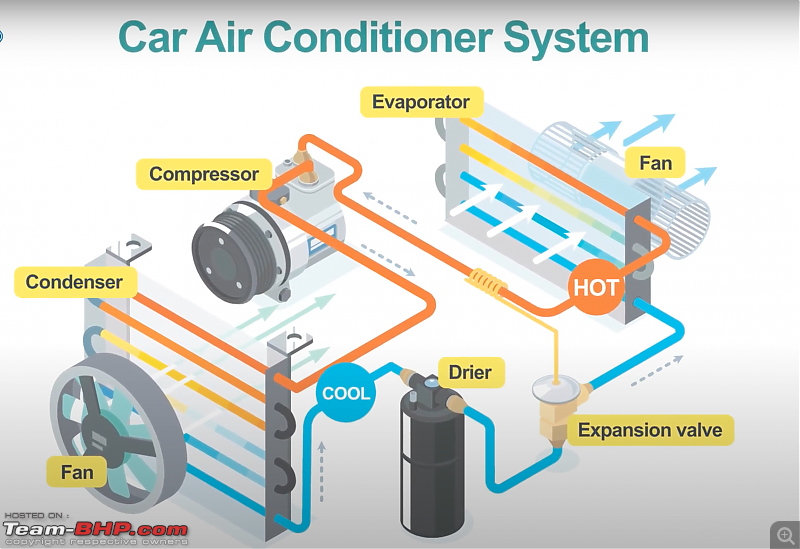
The compressor is one part of a closed refrigeration circuit. It receives low-pressure refrigerant vapor from the evaporator and compresses it into a higher-pressure vapor that moves toward the condenser. The refrigerant then changes state as it travels through the rest of the system, allowing heat to be removed from the vehicle cabin.
Refrigerant also carries a measured amount of oil through the system. That oil is essential to compressor lubrication. The relationship between refrigerant circulation and oil movement is one reason a severely depleted system should not simply be treated as though it were a dry mechanical pump.
Compressor
Raises refrigerant pressure and drives refrigerant through the AC circuit.
Condenser
Releases heat from the high-pressure refrigerant to the outside air.
Expansion device
Controls refrigerant flow into the low-pressure side of the system.
Evaporator
Allows refrigerant to absorb heat from air passing into the passenger compartment.
Will a Car AC Compressor Turn On Without Freon?
It may, but it should not be assumed that every vehicle behaves the same way. Many automotive AC systems use a low-pressure switch, pressure sensor, or electronic control strategy to prevent compressor operation when system pressure falls below an acceptable range. If enough refrigerant has leaked out, the compressor clutch may never engage when you press the AC button.
Some systems can behave differently depending on refrigerant level, ambient temperature, compressor design, and the vehicle’s control strategy. A compressor that clicks on briefly does not prove that the system has an adequate refrigerant charge.
The phrase Freon also needs clarification. Freon is commonly used in everyday speech for automotive refrigerant, but modern vehicles can use refrigerants such as R-134a or R-1234yf depending on the vehicle. The correct refrigerant is determined by the vehicle and its service information, not by the generic term Freon.
Source: hitchesguide.com
No compressor engagement
Very low system pressure can cause the control system to keep the compressor off.
Brief engagement
A compressor may cycle briefly if pressure is near a control threshold, but this does not establish that the charge is correct.
Forced engagement
Bypassing a pressure switch or control circuit to force the compressor to run is not a proper repair and can increase the risk of damage.
What If the AC Clutch Does Not Engage?
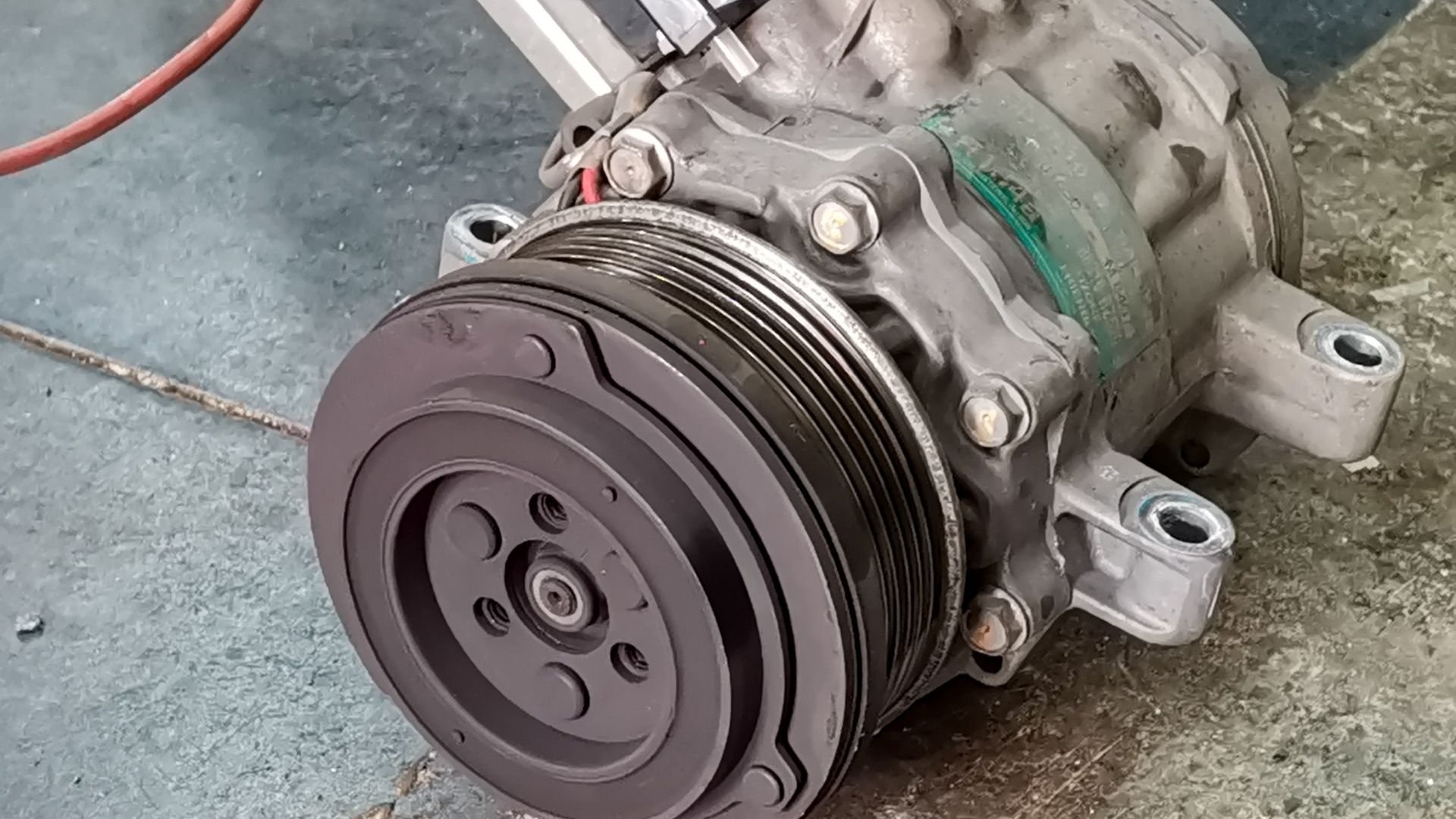
Do not immediately conclude that the compressor itself has failed. A non-engaging compressor can result from low refrigerant pressure, an electrical fault, a failed relay, a fuse problem, a faulty pressure sensor, control-module logic, or a compressor clutch problem on systems that use a conventional clutch.
The useful diagnostic step is to determine why the compressor is not being commanded to operate. Refrigerant pressure should be checked with equipment appropriate for the vehicle, and electrical and control-system checks should be performed when necessary.
Check for obvious refrigerant loss
Look for signs of oil residue around AC connections or components, although the absence of visible residue does not rule out a leak.
Check the correct refrigerant specification
Use the vehicle label and manufacturer service information to identify the correct refrigerant rather than guessing from the vehicle’s age.
Do not bypass safety controls
Pressure and electrical protections are part of the system’s operating strategy and should not be defeated as a shortcut.
Why Low Refrigerant Can Harm the AC Compressor
Low refrigerant can create compressor problems because the AC system is engineered to operate with a specified refrigerant charge. When a substantial amount has escaped, the pressure relationship, refrigerant flow, and oil circulation can move outside the conditions expected by the compressor and the rest of the system.
The compressor also relies on the AC system’s refrigerant flow and operating conditions for heat management. An inadequately charged system can therefore place additional stress on the compressor, particularly if someone forces it to run despite a low-pressure condition.
This does not mean that every low-refrigerant event immediately destroys a compressor. A properly functioning protection strategy may prevent the compressor from operating, and the extent of any risk depends on the amount of refrigerant remaining and the system design. The practical lesson is to repair the cause of the low charge rather than repeatedly adding refrigerant or forcing compressor operation.
Source: hitchesguide.com
Reduced oil circulation
Refrigerant and compressor oil circulate through the AC system together, so a major loss of refrigerant can affect normal oil movement.
Abnormal compressor operation
Operating outside the designed pressure and flow conditions can increase mechanical and thermal stress.
Potential compressor wear
If abnormal operation continues, internal components can wear or fail, although the outcome depends on the specific system and conditions.
Possible system contamination after failure
A severely damaged compressor can introduce debris into the AC circuit, making the eventual repair more extensive.
Does Low Refrigerant Always Mean the Compressor Is Bad?
No. Low refrigerant and a failed compressor are separate problems. A vehicle can have a healthy compressor and a refrigerant leak at a hose, seal, condenser, evaporator, service port, or another component. Conversely, a vehicle can have a compressor problem while still showing a reasonable refrigerant charge.
That distinction matters because replacing a compressor without diagnosing the original cause can waste money. A proper diagnosis should establish whether the system is low on refrigerant, why it became low, whether the compressor can operate correctly, and whether other components are functioning.
Low refrigerant
Usually points toward refrigerant loss or an incorrectly charged system.
Electrical fault
Can prevent the compressor from engaging even when refrigerant pressure is acceptable.
Mechanical compressor failure
Can prevent proper refrigerant compression and may produce abnormal noise or other system symptoms.
Common Signs Your Car AC Is Low on Refrigerant
The most useful signs are weak or warm cooling, unusual compressor cycling, and evidence of a refrigerant leak. These symptoms are not unique to low refrigerant, so they should be treated as clues rather than proof.
A gradual loss of cooling is especially worth investigating. Automotive AC systems are closed systems, so refrigerant does not normally need to be consumed like engine fuel. If the charge is low, there is often a leak or a previous service issue that needs attention.
Source: vehiclechef.com
Warm air from the vents
The AC may produce air that is only slightly cooler than cabin air or may stop cooling altogether.
Compressor does not engage
A low-pressure condition can prevent compressor operation on systems designed to protect the compressor this way.
Rapid compressor cycling
The compressor may switch on and off more frequently than expected when pressure is near a control threshold, although other faults can cause cycling too.
Visible oily residue
Refrigerant leaks can sometimes leave traces of oil around fittings or damaged components, but many leaks are not visible without proper testing.
Cooling changes with driving conditions
Changes in cooling performance can occur with vehicle speed, engine speed, ambient temperature, or system pressure, so this symptom alone does not identify the fault.
Warm Air Does Not Automatically Mean Low Refrigerant
Warm air can also result from a failed compressor, blocked expansion device, condenser airflow problem, electrical fault, blend-door problem, cooling fan issue, or other HVAC fault. Diagnosing the system from vent temperature alone can therefore lead to the wrong repair.
A useful diagnostic process combines system pressure or charge information with electrical checks, visual inspection, leak testing, and the vehicle manufacturer’s service procedure when needed.
Cooling system issue
Poor condenser airflow or a related cooling problem can affect AC performance.
HVAC air-mixing issue
A blend-door or control problem can allow unwanted warm air into the airflow path.
Compressor problem
A compressor that cannot create the required pressure difference can result in poor or absent cooling.
What to Do When the Car AC Has No Refrigerant
The best approach is to diagnose the system before adding refrigerant. A recharge can restore cooling if the charge is low, but it does not permanently solve a leak. The EPA specifically explains that topping off or recharging does not repair the underlying leak, while repairing the leaking component provides a longer-lasting solution.
For a U.S. vehicle, the service process should use the refrigerant specified for that vehicle. A professional shop can recover any remaining refrigerant, check the system for leaks, evacuate the system when appropriate, and recharge it with the manufacturer’s specified amount. This is more reliable than guessing how much refrigerant the system contains.
Do not intentionally release automotive refrigerant into the atmosphere. U.S. EPA rules prohibit intentional venting of refrigerants from motor vehicle air-conditioning systems, and paid MVAC refrigerant service requires appropriate Section 609 certification and equipment.
Source: hitchesguide.com
Step 1: Confirm the complaint
Determine whether the AC is warm, intermittently cool, completely inactive, or producing unusual compressor behavior.
Step 2: Identify the refrigerant
Check the vehicle’s AC label and service information rather than assuming that the vehicle uses a particular refrigerant.
Step 3: Check for the cause of refrigerant loss
Use an appropriate leak-detection method and inspect hoses, fittings, service ports, condenser areas, evaporator-related components, and other potential leak points.
Step 4: Recover remaining refrigerant correctly
If service requires refrigerant removal, use approved recovery equipment and follow applicable U.S. requirements.
Step 5: Repair the leak or failed component
Replacing lost refrigerant without correcting a leak can lead to another low-charge condition.
Step 6: Evacuate and recharge when required
After appropriate repairs, the system can be evacuated and charged with the specified refrigerant amount using suitable service equipment.
Step 7: Verify operation
Check compressor operation, system pressures, vent performance, condenser airflow, and other relevant operating conditions.
Should You Keep Adding Refrigerant?
Repeatedly adding refrigerant is not a good long-term repair. If the system loses refrigerant, the underlying cause should be identified. Overcharging can also impair system performance, so adding an unknown amount simply because the AC is not cold can create another problem.
The EPA explains that technicians cannot determine the exact amount of refrigerant remaining simply by arriving at a vehicle, which is why a proper evacuation and recharge can be used to install the precise amount specified by the vehicle manufacturer.
Temporary cooling is not a leak repair
A recharge can improve cooling while leaving the leak in place.
Too much refrigerant is also a problem
Overcharging can impair AC performance and should be avoided.
Use the specified refrigerant
Different vehicle systems require specific refrigerants and service procedures.
Can You Run the AC Compressor With No Freon?
You should not deliberately run a car AC compressor with no refrigerant. If the system’s protective controls prevent operation, leave those controls intact. If the compressor is running despite a suspected empty or severely depleted system, turn the AC off and arrange for proper diagnosis.
Bypassing a pressure switch, applying power directly to a compressor clutch, or repeatedly forcing the AC to engage does not fix the refrigerant problem. It can remove a protective layer designed to prevent operation under abnormal pressure conditions.
A vehicle’s exact response depends on its compressor and control system. Some modern systems use electronically controlled compressors rather than a simple on-off clutch, so the diagnosis cannot be reduced to whether a visible clutch plate clicks.
Source: hitchesguide.com
Do not bypass pressure protection
A pressure sensor or switch may be preventing operation for a legitimate reason.
Do not assume a clicking clutch proves normal operation
Engagement only shows that a control condition has been met; it does not prove the refrigerant charge is correct.
Use vehicle-specific service information
Compressor control systems vary considerably among vehicle manufacturers and model years.
When to Stop Troubleshooting at Home
Stop DIY troubleshooting if the system may still contain refrigerant and you do not have the equipment and training needed to recover it safely. Refrigerant is stored under pressure, and incorrect service can damage components or expose you to hazardous conditions.
Professional diagnosis is especially appropriate when the compressor is noisy, the system has suffered a major leak, an unknown refrigerant may have been introduced, the compressor has seized, or the system requires recovery and recharge.
Unknown refrigerant
Do not mix refrigerants or assume the system contains the refrigerant shown on an old label if the vehicle may have been modified.
Major component failure
A failed compressor, condenser, evaporator, or contaminated system can require specialized repair procedures.
Refrigerant recovery required
Use a qualified U.S. MVAC service provider when refrigerant must be recovered or the system needs professional recharge service.
Low Refrigerant vs. Bad Compressor: How to Tell the Difference
Low refrigerant and compressor failure can produce similar symptoms, but they require different repairs. The most reliable diagnosis combines the AC system’s pressure or charge condition with compressor operation, electrical controls, and other system checks.
A compressor that does not engage is not automatically defective. The control system may be intentionally preventing engagement because pressure is too low. Likewise, adding refrigerant is not proof that the compressor was the problem if the system becomes cold again only temporarily.
Source: vehiclechef.com
Possible low refrigerant
Cooling is weak or absent, the system may show low pressure, and the compressor may be prevented from engaging.
Possible electrical problem
The compressor may not receive the required control signal even though refrigerant pressure is acceptable.
Possible compressor failure
The compressor may fail to create the required pressure difference or may show mechanical symptoms such as abnormal noise.
Possible airflow or HVAC fault
The refrigeration circuit can be working while a fan, condenser airflow problem, or cabin air-mixing issue prevents normal cooling.
A Practical Diagnostic Decision Path
Start with the symptom rather than replacing parts. If the AC is warm, determine whether the compressor is being commanded to operate. If it is not, investigate pressure and electrical controls. If it is operating, determine whether the system is creating the expected pressure difference and whether airflow through the condenser and cabin is normal.
If the refrigerant charge is low, identify the reason for the loss before treating the system as repaired. If the charge is correct but the compressor cannot produce normal pressure or has mechanical symptoms, compressor diagnosis becomes more important.
Warm AC plus low system charge
Investigate refrigerant loss and repair the leak before returning the system to service.
Warm AC plus normal charge
Look beyond refrigerant quantity and evaluate compressor, controls, expansion components, airflow, and HVAC operation.
Compressor does not engage
Check whether the system is intentionally preventing operation before assuming the compressor has failed.
Compressor is noisy or mechanically damaged
Have the compressor and the rest of the AC circuit evaluated before continuing to operate the system.
Important U.S. Refrigerant Service and Safety Rules
For U.S. vehicle owners, refrigerant handling is regulated. The EPA states that automotive refrigerant must not be intentionally vented, and people servicing motor vehicle air-conditioning systems for payment must meet Section 609 certification requirements and use approved refrigerant handling equipment.
This matters because automotive AC service is not simply a matter of connecting a can and releasing refrigerant into the system. Proper service includes identifying the refrigerant, recovering it when necessary, preventing cross-contamination, addressing leaks, and charging the system according to the vehicle manufacturer’s specifications.
The refrigerant used also varies by vehicle and model year. Many newer vehicles use R-1234yf, while numerous older vehicles use R-134a. Older vehicles can have other configurations, including systems that were converted from an original refrigerant. Always use the refrigerant specified for the actual vehicle.
Source: hitchesguide.com
Do not intentionally vent refrigerant
U.S. EPA rules prohibit intentional release of automotive refrigerants during servicing.
Use approved recovery equipment
Professional MVAC service requires equipment that meets applicable EPA requirements.
Verify the refrigerant type
Use the vehicle label and service information rather than assuming the system uses R-134a or another refrigerant.
Repair leaks instead of repeatedly topping off
A recharge restores the charge but does not permanently correct a leaking component.
Why the Correct Refrigerant Matters
Automotive AC components, lubricants, fittings, and service procedures are designed around specific refrigerants and system requirements. Introducing an incompatible refrigerant or mixing refrigerants can create performance and service problems and may contaminate the system.
If the refrigerant identity is uncertain, professional identification and recovery are safer than guessing. EPA guidance also recognizes that automotive systems can contain contaminated or unfamiliar refrigerants after improper servicing.
Check the vehicle label
The label is the first place to verify the specified refrigerant and relevant charging information.
Avoid mixing refrigerants
Different refrigerants should not be casually combined because contamination can complicate recovery and servicing.
Frequently Asked Questions
Q
Can a car AC compressor run with no Freon?
It can depend on the vehicle and the remaining system pressure. Many vehicles prevent compressor operation when refrigerant pressure becomes too low, but some systems may behave differently. You should not intentionally force the compressor to run without an adequate refrigerant charge.
Q
Will no refrigerant damage an AC compressor?
A severely depleted refrigerant charge can create operating conditions that are unfavorable for the compressor, including reduced refrigerant flow and potentially reduced oil circulation. If the compressor is allowed to operate under those conditions, damage can occur. The exact risk depends on the vehicle and system.
Q
Does adding Freon fix a bad AC compressor?
No. Adding refrigerant can restore cooling when the system is simply low on refrigerant, but it cannot repair a mechanically failed compressor. If the system repeatedly loses refrigerant, the leak also needs to be diagnosed and repaired.
Q
Why does my AC compressor not turn on after losing refrigerant?
Many vehicles use a low-pressure switch, pressure sensor, or electronic control strategy that prevents compressor operation when system pressure is too low. This protection can help prevent compressor operation under abnormal conditions.
Q
Can I recharge my car AC myself in the United States?
Some vehicle owners use consumer recharge products, but refrigerant service requires care because the correct refrigerant, charge amount, system pressure, and leak condition all matter. U.S. EPA rules also regulate refrigerant handling and prohibit intentional venting. Professional service is the safer option when the system needs recovery, leak diagnosis, or a complete evacuation and recharge.
✦ Wrapping Up
Conclusion
A car AC compressor should not be intentionally operated without an adequate refrigerant charge. When refrigerant is very low, the vehicle may shut the compressor down through its pressure or electronic controls. If the compressor continues to operate under severely depleted conditions, normal refrigerant flow, lubrication, and heat management can be disrupted, increasing the possibility of compressor damage.
The right response is not to bypass the pressure protection or keep adding refrigerant without investigating the cause. Confirm the correct refrigerant, diagnose the low charge, repair any leak or failed component, and recharge the system according to the vehicle manufacturer’s specifications. For refrigerant recovery and professional MVAC service in the United States, use properly certified service and approved equipment.
💡 Key Takeaway
If your car AC has lost its refrigerant, turn the AC off if compressor operation is suspected under a very low charge, avoid bypassing safety controls, and have the system checked for leaks and proper refrigerant charge before continued operation.