Yes. Many U.S. car dealers can deliver a purchased vehicle to your home, workplace, or another agreed location, but delivery is not automatically offered by every dealership and may have distance, paperwork, insurance, or fee requirements.
For car shoppers in the United States, buying a vehicle no longer necessarily means spending hours at a dealership and then driving the car home yourself. Many dealerships now offer some form of home delivery, especially when the purchase is arranged online or remotely. Autotrader, for example, describes dealer home-delivery services in which participating dealers can bring the vehicle to the customer’s location and complete the purchase paperwork there.
The key distinction is that dealer delivery is a service offered by an individual dealership, not a universal right that every dealer must provide. One dealer may deliver within a local radius, another may arrange third-party vehicle transport for a longer-distance purchase, and another may require you to pick up the vehicle in person. Before sending a deposit or signing a contract, confirm exactly who will deliver the vehicle, where it will be delivered, when delivery will occur, and whether a delivery or transportation charge applies.
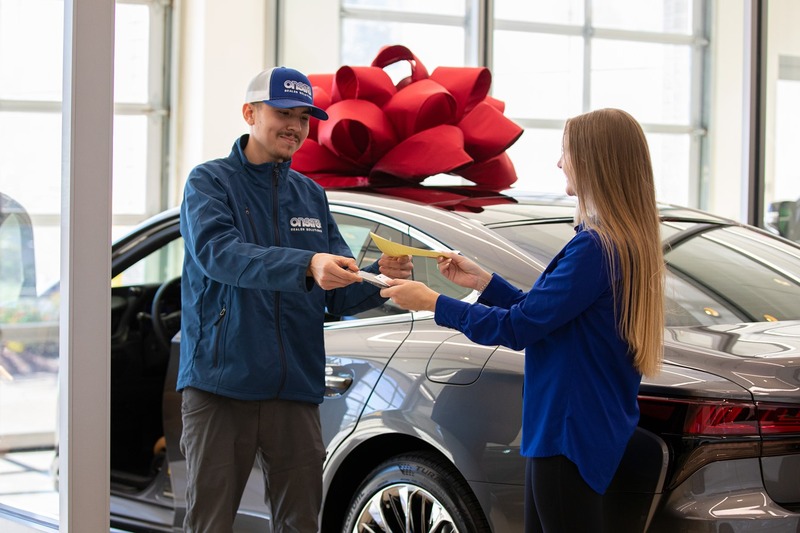
Car dealer delivery usually means the dealership brings a vehicle you have purchased to an agreed location instead of requiring you to collect it from the dealership. Depending on the dealer’s process, you may complete some or all of the purchase online before the vehicle arrives.
A typical transaction can include remote negotiation, financing or cash-payment arrangements, trade-in paperwork, identity and insurance verification, electronic signatures, and a final delivery appointment. The vehicle may then be driven to your address or transported by a carrier. At delivery, you may receive the keys, remaining documents, temporary registration materials, and instructions for the vehicle.
The process varies significantly among dealerships. Some dealers advertise home delivery as part of their digital retailing services, while others arrange it only when a buyer asks. Autotrader’s current dealer-home-service information confirms that participating dealers can set their own delivery distances, so the fact that a dealership offers delivery does not necessarily mean it will deliver anywhere in the United States.
Source: onsitedealersolutions.com
Local delivery
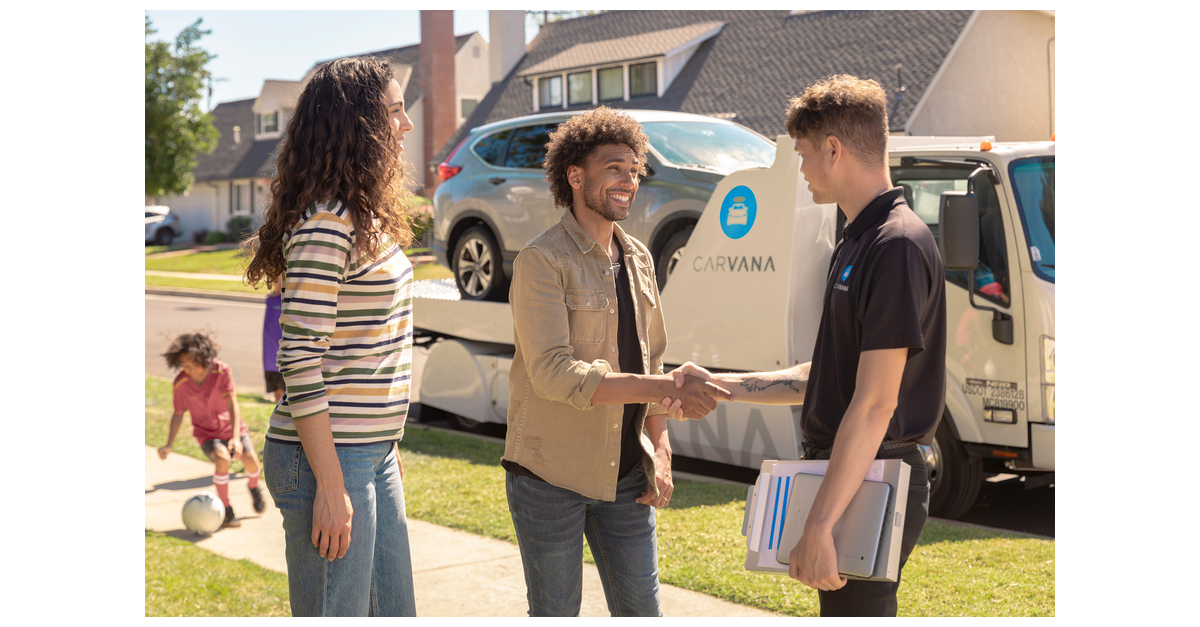
A dealership employee or contracted driver may drive the vehicle to a nearby home or workplace. This is more likely when the buyer is within the dealer’s normal service area.
Third-party vehicle transport
For a longer-distance purchase, the dealer may arrange a professional auto transporter. The vehicle can be shipped on an open or enclosed carrier depending on the arrangement.
Online purchase and delivery
Some dealers let buyers complete much of the transaction remotely and then bring the vehicle to the buyer for final paperwork, inspection, and handoff.
Pickup instead of delivery
A dealer may offer delivery as an optional convenience while still allowing the customer to collect the vehicle at the dealership.
Will a Dealer Deliver a New Car?
Yes, many dealers can deliver new cars, particularly when the vehicle is already in dealer inventory and the buyer has completed the necessary purchase steps. Delivery can be especially convenient for buyers who live some distance from the dealership or who complete the transaction online.
Before relying on the delivery date, confirm that the specific vehicle is physically available or has a reliable arrival schedule. The FTC’s current automobile pricing guidance emphasizes that dealers must advertise vehicle availability accurately and should not use unavailable vehicles simply to attract shoppers. Ask for the vehicle identification number, or VIN, when appropriate so you know which vehicle is being delivered.
Confirm the exact vehicle
Match the VIN, trim, color, equipment, mileage, and agreed condition to the vehicle you are purchasing.
Confirm the delivery window
Get a specific date or agreed delivery range rather than relying on a vague promise such as ‘soon.’
Will a Dealer Deliver a Used Car?
Yes. Used-car dealers also may provide home delivery, and individual dealerships sometimes offer delivery as part of remote or online buying. Because used vehicles can differ substantially in condition, buyers should be especially careful about documenting the vehicle before accepting it.
Request the vehicle history report, a written description of known damage or defects, photographs of the actual vehicle, and the final purchase terms. For a used vehicle, the FTC advises consumers to obtain the out-the-door price in writing and confirm that the vehicle is actually available before making the trip or finalizing the purchase.
Ask for current photos
Stock photos are not a substitute for images of the actual used vehicle you are buying.
Review the Buyers Guide
For covered used-car sales, the FTC Used Car Rule requires dealers to display and provide a Buyers Guide describing important warranty information.
Do Car Dealers Charge for Home Delivery?
Sometimes. Home delivery may be free, included as part of a dealership’s service, or subject to a separate delivery or transportation charge. There is no single nationwide delivery price because the cost depends on distance, vehicle type, transportation method, dealer policy, and the specific transaction.
A short local delivery may require little additional expense for the dealership, while a vehicle shipped several states away can involve a professional transport company and a substantially higher cost. Enclosed transport, expedited delivery, remote locations, and special handling can also change the price.
Do not evaluate the vehicle solely on its advertised sticker price. Ask the dealer for the complete out-the-door figure and have the delivery arrangement clearly explained before you commit. Current FTC automobile pricing guidance states that required dealer fees must be reflected in advertised vehicle pricing, while consumers should still clarify government charges, optional items, shipping or transportation arrangements, and any other transaction-specific costs.
The safest approach is to treat delivery as part of the total transaction rather than as an afterthought. If a dealer tells you the car costs $30,000 and delivery costs $800, compare the resulting total with other available vehicles rather than comparing only the $30,000 advertised figure.
Source: businesswire.com
Free delivery
Some dealers absorb local delivery costs or include delivery as part of their online buying program.
Dealer delivery fee
A dealership may charge a stated amount for bringing the vehicle to your location. Ask exactly what the fee covers.
Vehicle shipping charge
A long-distance purchase may require a professional auto transporter, with the shipping cost depending on distance and transport conditions.
Optional transportation
You may be able to avoid a delivery charge by picking up the vehicle yourself, although that can create travel and time costs.
What Should Be Included in the Price Quote?
Ask for a written out-the-door quote showing the vehicle price, mandatory dealer charges, taxes, title and registration amounts when applicable, agreed add-ons, financing-related costs when applicable, and any delivery or transportation charge. The exact government charges vary by state and sometimes by local jurisdiction.
The FTC has recently emphasized automobile price transparency because consumers should not discover mandatory dealer charges only after investing time in the transaction. A written quote also makes it much easier to compare a local purchase with a vehicle being delivered from another state.
Ask for one total
Request the amount you would actually need to pay or finance to complete the purchase, with individual charges identified.
Ask whether delivery is mandatory
If delivery appears as a charge, find out whether you can pick up the vehicle instead and whether the price changes.
How to Arrange Home Delivery From a Car Dealer
The easiest way to arrange dealer delivery is to ask for the service before finalizing the purchase. Delivery terms can affect the total cost, timing, insurance arrangements, and paperwork, so they should be settled before you consider the transaction complete.
You do not need to use complicated language. Tell the salesperson that you want the vehicle delivered and ask whether the dealership provides delivery to your ZIP code. Then request the conditions in writing.
Source: entrepreneur.com
1. Confirm delivery availability
Ask whether the dealership delivers to your exact ZIP code and whether there is a mileage or geographic limit.
2. Identify the vehicle
Confirm the year, make, model, trim, VIN when available, mileage, equipment, color, and condition.
3. Get the out-the-door price
Ask for the complete written price before you agree to the purchase or send a nonrefundable payment.
4. Confirm financing or payment
Determine whether the transaction is cash, dealership financing, outside financing, or a lease and identify what must be completed before delivery.
5. Complete required documents
Depending on the dealer and state, this may include identity documents, proof of insurance, financing documents, title and registration paperwork, and electronic signatures.
6. Schedule delivery
Agree on the delivery date, approximate arrival window, destination, driver contact method, and what happens if the delivery is delayed.
7. Inspect before accepting
Compare the vehicle with the written agreement and inspect the exterior, interior, glass, wheels, tires, equipment, mileage, and included accessories.
8. Sign the final documents
Do not sign documents containing unexpected prices, products, fees, or terms. Ask questions before completing the handoff.
What to Ask the Dealer Before Delivery
A short checklist can prevent most delivery misunderstandings. Ask the salesperson to answer these questions in writing whenever possible.
Will you deliver to my address? Is there a mileage limit? Is delivery free? If not, what exactly is the delivery or transport charge? Who will transport the vehicle? Is the vehicle insured during transport? When will I receive the title, temporary registration, and other documents? Can I inspect the vehicle before signing the final paperwork? What happens if the vehicle arrives damaged or does not match the agreed condition?
Delivery responsibility
Find out whether the dealership, an employee, a contracted driver, or a professional carrier is responsible for transportation.
Damage procedure
Ask what you should do if the vehicle arrives with new damage or missing equipment.
Final paperwork
Confirm which documents will arrive with the vehicle and which will be sent separately.
What Should You Check When the Dealer Delivers the Car?
Treat a delivered vehicle like a dealership pickup: inspect it before completing the final handoff. Delivery convenience should not replace the normal buyer’s inspection.
Start with the vehicle identification number and compare it with your purchase documents. Then check the mileage and compare the vehicle with the agreed trim, color, options, accessories, and condition. Walk around the vehicle in good lighting and look for scratches, dents, paint damage, wheel damage, cracked glass, missing parts, or signs of transportation damage.
For a used vehicle, check that the actual condition matches the description you received. If the dealer promised repairs, replacement parts, a second key, floor mats, charging equipment, or other accessories, verify that those items are present.
Before driving the vehicle, make sure the insurance and registration requirements for your state have been handled. The dealer may provide temporary registration materials, but the exact process varies by state. If something is materially different from the agreement, stop and resolve the issue before signing final documents or accepting the vehicle.
Source: cstatic-images.com
VIN
Make sure the VIN on the vehicle matches the VIN on the purchase documents.
Mileage
Check the odometer and ask about any difference from the mileage previously disclosed.
Exterior
Inspect paint, panels, bumpers, wheels, glass, lights, mirrors, and tires for damage.
Interior
Check seats, carpets, displays, controls, climate systems, cameras, charging equipment, and other agreed features.
Documents
Confirm you receive the paperwork, keys, manuals, temporary tags, and other items that were promised.
Condition
Photograph the vehicle at delivery, particularly if it has been transported by a third-party carrier.
What If the Car Arrives Damaged?
Do not simply accept new transportation damage without documenting it. Photograph the affected areas immediately, notify the dealer and carrier, and follow the delivery inspection procedure provided by the transport company. If the damage is significant, ask the dealer how it will be repaired or otherwise resolved before completing the transaction.
The exact remedy depends on the purchase agreement, transportation arrangement, insurance coverage, and applicable law. A written record is much easier to use than a verbal disagreement after the driver leaves.
Photograph the damage
Take clear photos and video from multiple angles before the vehicle is moved.
Record the mileage
Document the odometer reading at delivery.
Notify the responsible parties
Contact the dealership and transportation provider promptly and preserve copies of all messages.
When Will a Dealer Not Deliver a Car?
A dealer may decline delivery when your address is outside its delivery area, the vehicle requires a pickup process, the transaction has not been approved, the required documents are incomplete, or the dealership does not offer home delivery at all.
Delivery can also become complicated when a buyer is purchasing from another state. Registration, taxes, title paperwork, temporary tags, financing requirements, and state-specific rules can vary. The dealer may be willing to ship the vehicle but unwilling or unable to handle every registration task for the buyer’s home state.
Another limitation occurs when the vehicle is not actually available. A listing may describe a vehicle that is in transit to the dealership or otherwise unavailable for immediate delivery. The FTC’s automobile guidance specifically addresses advertising vehicles that are in transit and requires advertising to be accurate about their availability and status.
If a salesperson promises delivery but cannot provide clear terms, treat that uncertainty as a reason to pause rather than a reason to send more money. A legitimate transaction should have a clear vehicle, price, delivery arrangement, and set of responsibilities.
Source: onsitedealersolutions.com
Outside the delivery radius
The dealer may limit delivery to nearby ZIP codes or a specified mileage range.
Incomplete paperwork
A dealer may require financing approval, identification, insurance, signatures, or other documentation before releasing the vehicle.
Vehicle not available
A vehicle that is sold, allocated to another customer, or not yet available may not be deliverable when promised.
State-specific complications
An out-of-state transaction can require additional title, tax, registration, inspection, or temporary-tag coordination.
Dealer Delivery vs. Car Shipping
Dealer delivery and vehicle shipping are related but not identical. Dealer delivery often describes the entire convenience service of bringing the purchased vehicle to you, while vehicle shipping describes the transportation portion. A dealership might use its own driver for a nearby customer but hire a transport carrier for a buyer several states away.
For long-distance purchases, ask whether the shipping price is included in the vehicle deal or arranged separately. Also ask whether the carrier is open or enclosed, whether the vehicle is insured during transport, whether delivery is door-to-door or terminal-to-terminal, and how damage claims are handled.
Local dealer delivery
Usually simpler and potentially less expensive when the buyer is close to the dealership.
Professional auto transport
More appropriate for long-distance purchases but requires careful attention to carrier arrangements and delivery inspection.
Frequently Asked Questions
Q
Can I buy a car from a dealer and have it delivered to another state?
Often, yes. Some dealerships sell and ship vehicles to buyers outside their immediate market, while others restrict sales or delivery to a defined area. Before paying a deposit, ask whether the dealer will sell to an out-of-state buyer, who handles transportation, and how title, taxes, temporary registration, and other paperwork will be handled.
Q
Will a dealership deliver a car for free?
Sometimes, but there is no universal rule. Some dealers include local delivery in their service, while others charge a delivery or transportation fee. Always ask for the complete out-the-door price and have any delivery-related charge explained before signing.
Q
Can I test drive a car at home before buying it?
Some participating dealerships offer at-home test drives. Autotrader’s dealer-home-service program specifically supports dealers that offer test drives at the customer’s location, although the dealer can set geographic limitations. Ask whether the test drive is available at your address and whether there are mileage or scheduling restrictions.
Q
Do I have to accept a car delivered by a dealer if it has damage?
Do not assume that you must accept a vehicle that materially differs from the agreed condition. Document the damage, notify the dealer and any carrier immediately, and review the purchase and transportation documents before signing final acceptance. The available remedy can depend on the contract, carrier arrangement, insurance, and applicable state law.
Q
Should I get the out-the-door price before agreeing to home delivery?
Yes. A written out-the-door price helps you understand the actual transaction instead of comparing only an advertised vehicle price. The FTC advises car shoppers to request out-the-door prices in writing and has emphasized that mandatory dealer fees must be reflected transparently in automobile advertising.
Q
Can a dealer deliver a used car that I bought online?
Yes. Many dealers can arrange delivery of used vehicles, but availability and distance limits vary. Because used cars can have unique condition issues, request the actual vehicle’s photos, history information, written condition details, Buyers Guide when applicable, and delivery terms before finalizing the purchase.
✦ Wrapping Up
Conclusion
So, will car dealers deliver? In many cases, yes. Home delivery is now a legitimate part of the U.S. car-buying process, particularly for dealers that support online or remote transactions. However, delivery is a dealership-specific service rather than something every dealer automatically provides.
The best way to avoid surprises is to settle the important details before the transaction becomes final. Confirm that the exact vehicle is available, get the out-the-door price in writing, ask whether delivery costs extra, verify the delivery area and timing, and determine who is responsible for transporting the vehicle. When the car arrives, inspect the VIN, mileage, condition, equipment, documents, and keys before completing the handoff.
If the dealer cannot clearly explain the delivery process or keeps changing the price, vehicle, or delivery terms, pause the transaction. Convenience is useful, but a clear written agreement is more important.
💡 Key Takeaway
Before buying, send the dealer one written request: Please confirm the exact vehicle, out-the-door price, delivery fee if any, delivery date, delivery location, transport method, included paperwork, and what happens if the vehicle arrives damaged or does not match the agreed condition.