A car that sways on the highway may have tire, suspension, steering, alignment, or wind-related problems. Slow down safely and arrange an inspection if the movement persists.
On American highways and interstates, a car should track steadily when the road is smooth and the driver holds the wheel with a relaxed but firm grip. If your vehicle drifts, rocks from side to side, or feels loose at highway speeds, something may be affecting its stability. Crosswinds and road grooves can cause temporary movement, but worn tires, loose steering parts, and damaged suspension parts can create a more serious problem. The first step is to recognize the type of movement and respond safely.
A car that sways at 65 mph on an interstate does not always have the same problem as one that wanders at 45 mph on a windy road. The timing, road surface, braking, and steering response can help narrow down the cause. You can check tire pressure and look for visible damage when the vehicle is parked in a safe place. However, a mechanic should inspect persistent sway, unusual tire wear, loose steering, or any sudden change in handling before you continue normal highway driving.
What Does It Mean When a Car Sways on the Highway?
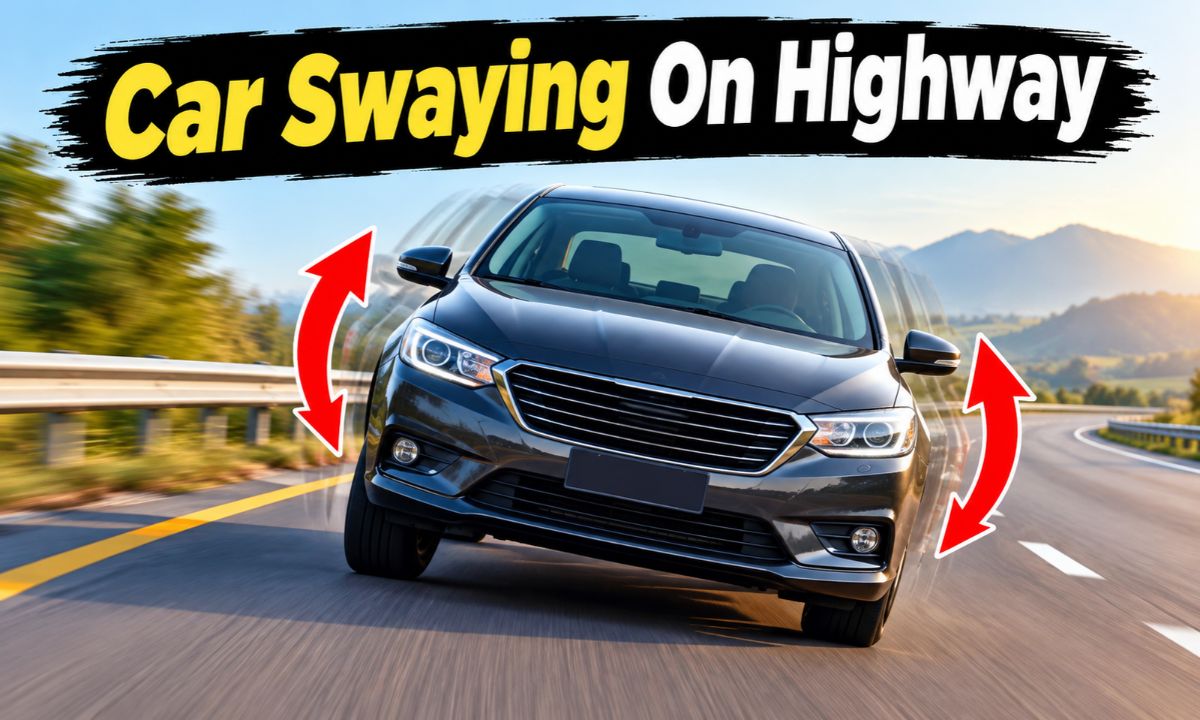
Highway sway occurs when a vehicle moves sideways, wanders within its lane, or feels unstable instead of following the intended path. The driver may need to make frequent small steering corrections to keep the car centered. In some cases, the body leans or rocks after a bump, while in others, the vehicle shifts when a truck passes or a gust of wind hits it.
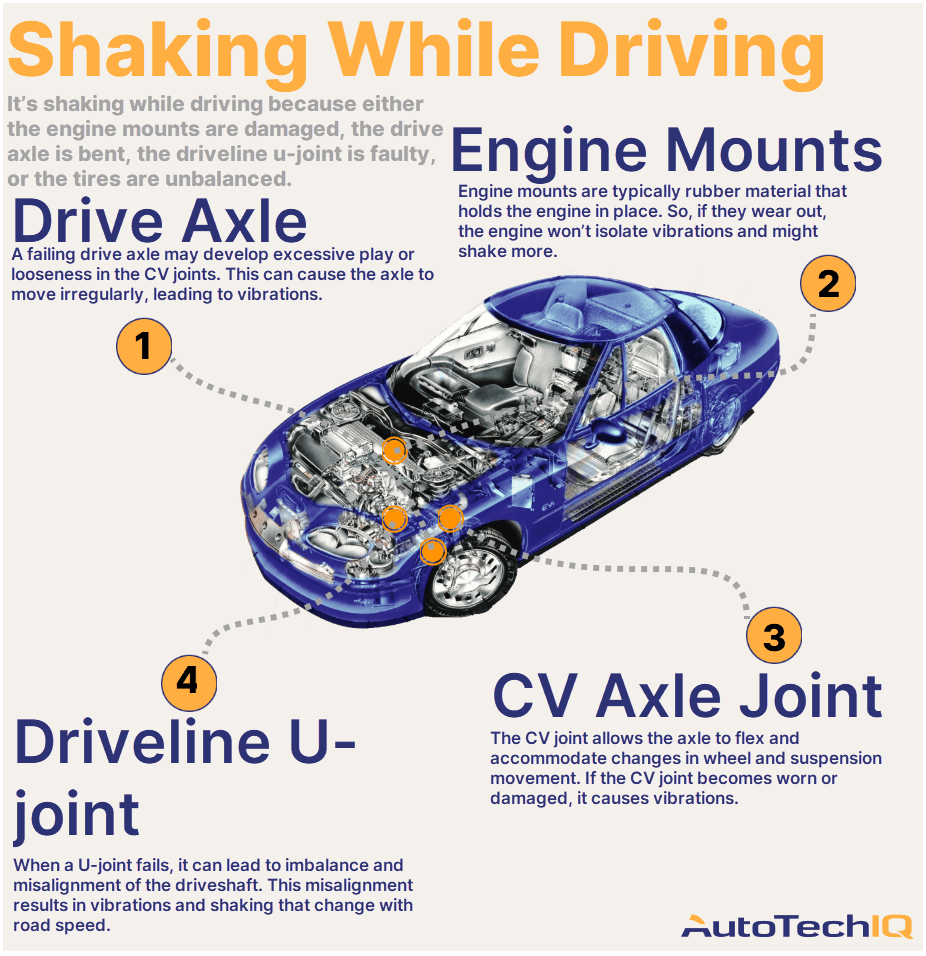
Sway is not the same as vibration. Vibration usually feels like shaking through the steering wheel, seat, or floor. Sway involves changes in the vehicle’s direction or body position. A car can have both symptoms at once, so the difference helps guide diagnosis rather than proving a single cause.
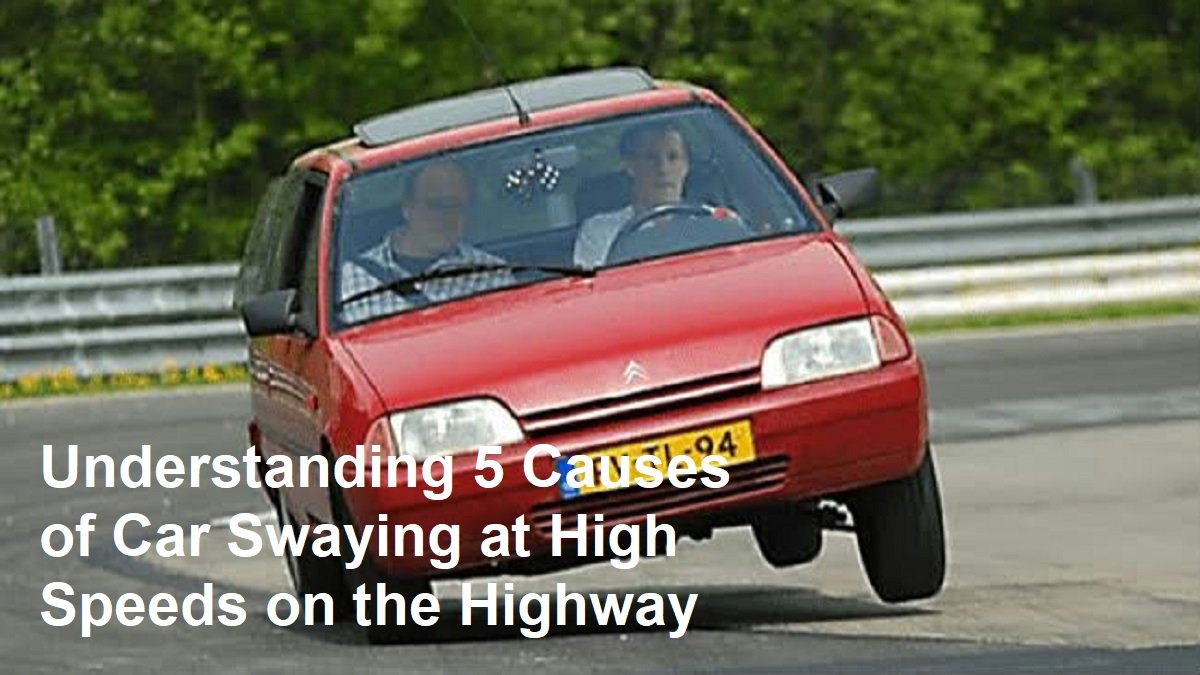
Some movement is normal when driving in strong crosswinds or over uneven pavement. Tall SUVs, vans, pickup trucks, and vehicles carrying roof loads may react more noticeably to wind because of their shape and exposed surface area. However, a new or worsening tendency to wander should not be dismissed as normal, especially if it occurs on calm days or smooth roads.
Source: klxnews.com
Side-to-side wandering
The vehicle drifts left or right and requires repeated steering corrections. Possible causes include alignment problems, tire issues, steering wear, or road conditions.
Body roll
The vehicle leans noticeably during turns or lane changes. Excessive roll can point to suspension wear, damaged stabilizer components, or a load that affects handling.
Bouncing after bumps
The body continues to move after crossing a road dip or bump. Worn shocks or struts may be responsible, although tire and spring problems can also contribute.
Sudden movement in wind
The vehicle shifts when passing a large truck or entering an exposed stretch of road. Wind may be responsible, but poor mechanical condition can make the reaction harder to manage.
Why Highway Speed Makes Sway More Noticeable
At highway speeds, a small steering disturbance can have a larger effect on the vehicle’s path. Wind pressure, uneven tire contact, and worn steering joints may become more noticeable as speed increases. The driver also has less time to respond to a sudden change in direction.
Do not deliberately increase speed to reproduce the symptom. A safer diagnosis starts with observations from normal driving, visible checks while parked, and a professional inspection when the cause is uncertain.
Record the conditions
Note whether the problem occurs during wind, braking, acceleration, turns, or travel over bumps. These details help a technician narrow the possibilities.
Avoid unsafe experiments
Do not weave between lanes, release the steering wheel, or make sudden movements to test the vehicle’s stability.
The Most Common Causes of Highway Sway
The main causes of highway sway fall into four groups: tires and wheels, suspension, steering and alignment, and outside forces. More than one problem can exist at the same time. For example, worn shocks may make a vehicle less settled over bumps, while uneven tire wear can add wandering.
The symptom alone cannot confirm which part has failed. A useful diagnosis connects the timing of the movement with the vehicle’s condition and then checks the most likely parts. The following causes are common possibilities, not a ranking based on measured failure rates.
Source: bryansgarage.com
Incorrect tire pressure
Tires inflated above or below the recommended pressure can change steering response and tire contact with the road. Different pressures from side to side can also contribute to uneven handling.
Worn or damaged tires
Uneven tread wear, internal tire damage, separated belts, or mismatched tires may affect stability. A tire with a bulge or exposed cords is unsafe to drive on.
Wheel alignment problems
Incorrect toe, camber, or caster settings can affect tracking and steering behavior. Alignment may change after a hard pothole impact or curb strike.
Worn shocks or struts
These components control spring movement and help keep the tires in contact with the road. Wear may cause extra bouncing, body movement, or unsettled handling.
Loose steering or suspension joints
Worn tie rods, ball joints, bushings, wheel bearings, or related parts can create unwanted movement. Some failures can cause a sudden loss of control.
Wind and road conditions
Crosswinds, air turbulence near large vehicles, crowned roads, and deep pavement grooves may push or guide the car away from its intended path.
Uneven cargo or towing setup
Poorly secured cargo, excessive weight, an overloaded vehicle, or an improperly balanced trailer can affect stability and steering response.
Tires and Wheels
Tires are the vehicle’s only direct contact with the road, so their condition matters greatly. Incorrect pressure can alter the size and shape of the contact patch, affecting how the vehicle responds to steering inputs. Uneven wear can also suggest alignment trouble, suspension wear, or a tire pressure issue that has been present for some time.
Wheel imbalance usually causes vibration rather than true side-to-side sway, but a damaged wheel or tire can produce several symptoms at once. If the steering wheel shakes, the car wanders, or a tire has a visible bulge, have the wheel and tire assembly checked instead of assuming that a simple balance will fix everything.
Check pressure correctly
Use a reliable tire pressure gauge when the tires are cold. Follow the pressure listed on the driver’s door placard or in the owner’s manual, not the maximum pressure printed on the tire sidewall.
Look for damage
Check for cuts, bulges, exposed cords, embedded objects, and unusual tread wear without placing yourself in traffic or under an unsupported vehicle.
Suspension and Steering Parts
The suspension helps each wheel follow the road while controlling body movement. Shocks and struts damp spring motion, while springs support vehicle weight. Control arms, bushings, ball joints, and stabilizer links help guide or control wheel and body movement.
Steering components transfer the driver’s input to the wheels. If a tie rod or steering joint has excessive play, the wheels may not respond consistently. A loose component is more serious than a routine comfort problem, so avoid driving a vehicle that has obvious steering looseness, sharp clunks, or sudden changes in direction.
Watch for repeated bouncing
Continued body movement after a bump can suggest weak damping, although broken springs, tire issues, and other suspension faults can produce similar behavior.
Notice steering delay
If the car seems to respond late to small steering inputs or changes direction unexpectedly, arrange an inspection before another highway trip.
Crosswinds, Trucks, and Road Grooves
Strong side winds can push a vehicle across its lane, especially on bridges, open plains, and exposed highways. Airflow around a passing tractor-trailer can also change rapidly, causing a brief movement as the vehicles approach, pass, and separate.
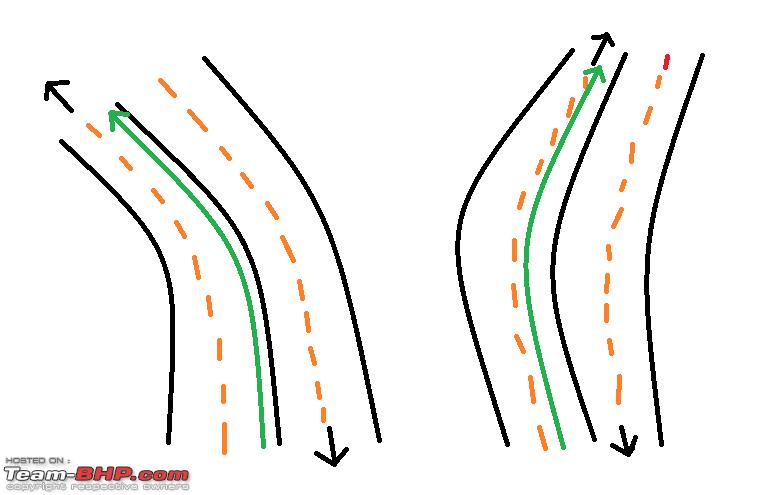
Road grooves and pavement ruts can influence the direction a tire follows. This is sometimes called tramlining. It may be more noticeable with certain tire designs or wear patterns, but it should not be used to explain away a sudden or severe handling change.
Reduce exposure
In strong winds, lower your speed appropriately, leave more space around other vehicles, and avoid sudden lane changes.
Separate weather effects from mechanical symptoms
If the car remains unstable in calm weather or on a different smooth road, arrange a mechanical inspection rather than assuming the wind is the only cause.
How to Diagnose a Car That Sways on the Highway
Start with safety, then inspect the simplest visible causes before moving to alignment, suspension, and steering checks. You do not need to dismantle the vehicle to gather useful information. The goal is to identify warning signs and give a repair professional a clear description of the problem.
If the sway is sudden, severe, or accompanied by a damaged tire, loose steering, grinding, or a strong pull, do not continue a highway trip just to collect more information. Arrange roadside assistance or towing when the vehicle may be unsafe to drive.
Source: autotechiq.com
Step 1: Decide Whether It Is Safe to Continue
If the vehicle starts swaying while you are driving, keep both hands on the steering wheel and look toward a safe path ahead. Ease off the accelerator, avoid abrupt braking or sharp steering, and allow the speed to fall gradually. Signal and move to a safe stopping place when you can do so without creating another hazard.
Once parked away from moving traffic, assess the situation from a safe position. If a tire looks damaged, a wheel appears out of place, or the steering suddenly feels loose, do not drive the vehicle to a repair shop. Call for help instead.
Stop driving and seek help
Do this when there is severe sway, a visible tire bulge, exposed tire cords, a suspected broken suspension part, a loose wheel, or a sudden major change in steering.
Continue only when the situation is clearly safe
A brief, mild response to a gust of wind may settle when conditions change. If the cause is uncertain or the handling still feels abnormal, do not resume highway travel.
Step 2: Check Tire Pressure and Condition
Park on a level surface away from traffic and let the tires cool before checking pressure. Compare each tire’s reading with the cold pressure specified on the vehicle’s tire information placard or in the owner’s manual. Front and rear recommendations may differ, so use the correct value for each axle.
Inspect the tread and sidewalls for uneven wear, cuts, bulges, or other visible damage. Also consider whether the tires are the correct size and type for the vehicle. Do not attempt to repair a sidewall bulge or drive on a tire with serious structural damage.
Correct low pressure
Inflate a tire to the manufacturer’s recommended cold pressure when there is no sign of damage. If pressure drops again, have the tire and wheel checked for a leak.
Do not overinflate
The maximum pressure printed on the tire is not automatically the correct operating pressure for the vehicle.
Step 3: Review the Conditions When Sway Occurs
Think about when the symptom first appeared. Did it begin after hitting a pothole, replacing tires, carrying a heavy load, or having suspension work done? Does it occur only in wind, during braking, over bumps, or on certain road surfaces?
These details help a technician distinguish between several possible causes. For example, sway that began after a pothole impact raises concern about tire, wheel, alignment, and suspension damage. Movement that occurs mainly during braking may point toward brake, tire, or suspension problems and deserves a separate inspection.
Record the symptom
Write down the approximate speed, road condition, weather, warning lights, unusual sounds, and any recent maintenance or impact.
Avoid deliberate road tests
Do not speed up, brake hard, or make repeated lane changes to reproduce the symptom. Let a qualified technician conduct any necessary road test under controlled conditions.
Step 4: Ask for a Steering and Suspension Inspection
If tire checks do not explain the problem, a shop should inspect steering and suspension components for looseness, wear, damage, or leaks. A technician may examine tie rods, ball joints, control-arm bushings, springs, shocks, struts, wheel bearings, and mounting points as appropriate to the vehicle.
A wheel alignment check may follow, but it should not replace the physical inspection. Alignment readings can identify incorrect geometry, while worn or damaged parts may need repair before a reliable alignment can be completed.
Request specific findings
Ask the shop to explain which parts are worn or damaged, how the finding relates to the symptom, and whether the vehicle is safe to drive.
Review alignment results
Ask for the before-and-after readings when an alignment is performed and whether any adjustment was limited by damaged or nonadjustable components.
How to Fix a Car That Sways at Highway Speeds
The right fix depends on the confirmed cause. Correct tire pressure can solve a pressure-related handling issue, while damaged tires, worn steering parts, or weak shocks require different repairs. Replacing parts without a diagnosis can waste money and leave the actual safety problem unresolved.
Some checks are suitable for an owner, but suspension and steering repairs often require special tools, lifting equipment, and knowledge of the vehicle’s design. Never work beneath a car supported only by a jack. If you are not trained to perform a repair safely, leave it to a qualified technician.
Source: cdn.thedailyautomotive.com
Correct tire pressure
Set cold tire pressure to the vehicle manufacturer’s specification. Investigate recurring pressure loss instead of repeatedly adding air without finding the cause.
Replace damaged or unsuitable tires
A tire with structural damage must be assessed promptly. Replace unsafe tires and ensure replacement tires meet the vehicle’s size, load, speed, and compatibility requirements.
Repair alignment-related problems
Have the alignment measured and corrected when the readings are outside the manufacturer’s specifications. Repair bent or worn parts first if they prevent proper adjustment.
Restore suspension control
Replace failed shocks, struts, springs, bushings, or related parts as diagnosed. The correct repair depends on the damaged component and the vehicle’s service requirements.
Repair steering looseness
Have worn tie rods, joints, or other steering components repaired before normal highway use. Follow any required alignment and post-repair inspection procedures.
Correct load or towing issues
Remove excess cargo, secure items, follow the vehicle’s load limits, and check that any trailer is properly loaded and connected.
When Wheel Alignment Is the Right Fix
Wheel alignment adjusts the angles of the wheels to the vehicle manufacturer’s specifications. Incorrect alignment can cause wandering, an off-center steering wheel, or uneven tire wear. If the vehicle began pulling or drifting after a pothole strike or curb impact, an alignment check is a sensible part of the diagnosis.
Alignment alone will not fix a loose tie rod, a damaged tire, a bent wheel, or a worn suspension joint. A shop should inspect the vehicle first and identify any part that prevents accurate adjustment. Otherwise, the same handling problem may remain after the alignment.
Good reason to check alignment
The steering wheel is off center, the vehicle drifts on a suitable level road, or the tires show uneven wear.
Do not stop at alignment
If the car still sways after alignment, ask the shop to reassess tires, steering, suspension, wheel condition, and the original symptoms.
When Shocks or Struts Need Attention
Shocks and struts help control suspension movement after bumps and during changes in direction. When they wear out or become damaged, the car may feel less settled, bounce excessively, or lean more than expected. A visible fluid leak can be a warning sign, but the absence of a leak does not prove the parts are in good condition.
The technician should assess the parts according to the vehicle’s design and service information. If replacement is needed, ask whether related mounts, springs, bushings, or other components also require attention. A repair should address the diagnosed fault rather than relying on a generic parts replacement list.
Describe the movement
Tell the shop whether the car bounces after bumps, leans excessively, or feels unstable during normal turns.
Check related components
Ask whether worn mounts, damaged springs, or other suspension faults could affect the result of the repair.
How to Tell Wind-Related Sway From a Mechanical Problem
Wind-related movement often matches changes in weather, exposed roads, or the airflow around large vehicles. Mechanical problems are more concerning when the sway is new, persistent, repeatable under similar driving conditions, or accompanied by unusual tire wear, noises, or steering looseness. These patterns can help guide an inspection, but they cannot prove the cause on their own.
A useful distinction is whether the movement appears tied to an outside force or happens during ordinary driving without a clear environmental trigger. If a car wanders even on calm roads, or if the driver must constantly correct the steering, have the vehicle checked. Wind and mechanical faults can also occur together.
Source: team-bhp.com
Movement during strong gusts
A brief shift in exposed areas may reflect wind pressure. Reduce speed and increase following distance rather than making sudden steering corrections.
Movement after a pothole impact
Inspect the tires and wheels and arrange a steering, suspension, and alignment check if the handling changed after the impact.
Movement during braking
Have the brakes, tires, steering, and suspension inspected. Do not assume that a pulling or swaying sensation during braking is caused by alignment alone.
Movement over bumps
Repeated bouncing or excessive body movement may indicate suspension trouble, but tire damage and other faults should also be considered.
Movement with cargo or a trailer
Check the vehicle’s load limits, cargo placement, trailer loading, and towing setup. Stop if the combination becomes difficult to control.
Why SUVs and Pickup Trucks May React Differently
Vehicle shape, height, weight distribution, wheelbase, suspension design, and tire setup all influence handling. A tall vehicle may respond more visibly to crosswinds than a lower passenger car, but height alone does not mean that a vehicle is unsafe or defective.
Changes in load can also alter how a vehicle responds. Follow the load limits in the owner’s manual and on the vehicle labels. For towing, use the manufacturer’s instructions for trailer weight, tongue weight, hitch setup, and any required towing equipment.
Keep cargo within limits
Do not exceed the vehicle’s rated load or towing capacity. Secure heavy items and avoid placing unnecessary weight high above the vehicle.
Check towing setup
If sway occurs while towing, slow down smoothly, follow the vehicle and trailer manufacturers’ emergency guidance, and stop at a safe place to inspect the setup. Do not make abrupt steering or braking movements.
Common Mistakes That Can Make Highway Sway Worse
A common mistake is assuming that every handling problem needs a wheel alignment. Alignment is useful when wheel angles are incorrect, but it cannot repair a tire with internal damage or a worn steering joint. Replacing parts based on guesswork can also delay the repair that actually matters.
Another mistake is continuing to drive because the sway appears only at high speed. A fault that becomes obvious at highway speeds can still involve a safety-critical component. Avoid repeated high-speed tests, ignore no sudden changes in handling, and do not use a public road to check whether a repair worked.
Source: i.ytimg.com
Ignoring tire pressure
A pressure warning or a visibly underinflated tire deserves attention. Check pressure safely and investigate repeated pressure loss.
Using the tire sidewall maximum as the target
Use the vehicle’s specified cold pressure instead of treating the maximum printed on the tire as the normal operating setting.
Blaming every problem on wind
Weather can explain some temporary movement, but persistent sway or a new handling change still needs investigation.
Replacing shocks without checking the rest of the suspension
Several worn parts can create similar symptoms. A full inspection helps prevent missed faults and unnecessary spending.
Driving with loose steering
Excessive play, clunks, or sudden changes in direction may signal a serious fault. Stop driving and arrange professional help.
Working under an unsupported vehicle
A jack alone is not a safe support for working underneath a car. Use suitable equipment and training or have a professional perform the work.
What to Tell the Repair Shop
A clear symptom report can help the technician diagnose the issue more efficiently. Describe what the car does rather than naming a part you suspect has failed. For example, say that the car drifts right on smooth roads at ordinary highway speeds and began doing so after a pothole impact.
Mention any recent tire replacement, wheel service, suspension repair, collision, or change in cargo. Ask whether the vehicle is safe to drive and request an explanation of the inspection findings before approving repairs.
Share useful details
Provide the speed range, road surface, weather, direction of movement, sounds, vibration, and whether braking changes the symptom.
Ask for evidence of the fault
Request the measured alignment results or an explanation of the worn, loose, or damaged component that supports the repair recommendation.
How Much Can It Cost to Fix a Swaying Car?
Repair costs depend on the vehicle, the failed part, local labor rates, parts availability, and whether several problems exist together. A tire pressure correction may cost nothing if no repair is needed, while tire replacement, suspension work, steering repairs, or multiple alignment-related repairs can cost much more. There is no reliable single price for every car that sways on the highway.
Because this is a safety-related symptom, choose the repair based on diagnosis rather than the cheapest possible quote. Ask for an itemized estimate that separates inspection, parts, labor, alignment, and any additional work. If the shop finds several faults, ask which ones make the vehicle unsafe to drive and which can be scheduled later.
Source: cdn.thedailyautomotive.com
Pressure correction
If pressure is the only issue and the tire is undamaged, setting it to the specified level may resolve the problem without replacing parts.
Tire or wheel repair
Costs depend on whether the tire can be safely repaired, needs replacement, or has damaged a wheel. Some tire damage requires replacement rather than repair.
Alignment service
The cost depends on the vehicle and the type of alignment required. Bent or worn parts may add repair costs before alignment can be completed.
Steering or suspension repair
Costs vary with the specific component, vehicle design, labor needed, and whether related parts are damaged.
How to Avoid Paying for the Wrong Repair
Ask the technician to connect each proposed repair to an inspection finding. If an alignment is recommended, ask whether the shop has checked for loose joints, damaged tires, and bent components that could affect the readings. If shocks or struts are recommended, ask what signs of wear or damage support the diagnosis.
A second opinion can be reasonable when a large estimate contains unclear recommendations, provided the vehicle can be transported safely. If the steering or suspension may be unsafe, arrange towing rather than driving to another shop.
Request an itemized estimate
Separate parts, labor, diagnostic fees, alignment, and related work so you can compare like-for-like quotes.
Prioritize safety-critical repairs
Address damaged tires, loose steering parts, and serious suspension faults before returning to normal highway driving.
How to Prevent Highway Sway From Returning
Routine maintenance can help catch many problems before they affect highway handling. Tire pressure checks, tread inspections, prompt attention to new noises, and regular service help identify developing faults. Maintenance cannot prevent every failure, but it can reduce the chance that a known problem goes unnoticed.
Follow the maintenance schedule in the owner’s manual because inspection needs vary by vehicle, mileage, driving conditions, and component design. Rough roads, potholes, heavy loads, and frequent towing may justify earlier inspection when symptoms appear. After a repair, confirm that the original complaint has been addressed before returning to normal driving.
Source: carxplorer.com
Check tire pressure regularly
Measure pressure when the tires are cold and use the vehicle manufacturer’s specifications. Check more often when temperatures change sharply or a tire loses pressure.
Inspect tire wear
Look for uneven tread, cuts, bulges, and objects embedded in the tire. Have unusual wear investigated instead of simply replacing the tires without checking the cause.
Respond to impacts
After a significant pothole or curb impact, watch for changes in handling, tire pressure, vibration, or steering position. Arrange an inspection if anything changes.
Maintain the suspension and steering
Follow the service schedule and have new clunks, looseness, leaks, or unusual body movement checked promptly.
Load the vehicle correctly
Stay within the stated load limits and secure cargo. Use the manufacturer’s towing instructions when pulling a trailer.
Check the repair afterward
Ask the shop to verify the repair and explain any remaining limitations. If the same sway returns, report it promptly rather than assuming the vehicle needs time to settle.
What Good Results Should Look Like
After a successful repair, the car should track more predictably under comparable road and weather conditions. The steering should respond consistently, and there should be no unexplained looseness, new clunks, or excessive bouncing. A repaired vehicle may still move slightly in strong crosswinds because no passenger vehicle is completely immune to outside forces.
If the original symptom remains, tell the shop exactly when it occurs. Ask whether additional checks are needed for tires, alignment, suspension, steering, wheels, or load-related issues. A repair should be judged by the confirmed fault and the resulting handling, not by the number of parts replaced.
Expected improvement
The original wandering or excessive body movement should be reduced or resolved when the diagnosed cause has been corrected.
Signs that need more attention
Persistent sway, a new pull, abnormal vibration, or loose steering after repair requires further assessment before normal highway travel.
A Quick Diagnostic Guide by Symptom
The symptom pattern can help you decide which systems need attention first. Use the table below as a starting point for describing the issue, not as proof that a specific part has failed. Several faults can produce similar behavior, and a professional inspection may be needed to distinguish them.
Source: carxplorer.com
Match the Symptom to the Next Check
Begin with the condition that most closely matches what you noticed. If the movement started suddenly or the vehicle is difficult to control, skip routine troubleshooting and arrange safe assistance. Never keep driving at highway speed to confirm a suspected fault.
Sways mainly during strong winds
Reduce speed safely, allow extra space, and consider whether the movement continues when wind exposure changes. Persistent instability still requires an inspection.
Wanders on smooth roads in calm weather
Check tire pressure and condition, then arrange steering, suspension, and alignment checks.
Bounces after bumps
Have the shocks, struts, springs, tires, and related suspension parts assessed.
Pulls or sways while braking
Arrange an inspection of the brake system, tires, steering, and suspension. Stop driving if the braking response is unsafe.
Started after a pothole or curb strike
Check for visible tire or wheel damage and arrange a suspension, steering, and alignment inspection.
Appears after new tires or service
Ask the shop to verify tire fitment, pressure, wheel installation, balance where relevant, and alignment as indicated by the symptoms.
Frequently Asked Questions
Q
Is it safe to drive a car that sways on the highway?
It depends on the severity and cause, but sudden or persistent sway should be treated seriously. If the car becomes difficult to control, the steering feels loose, a tire looks damaged, or you hear a sharp clunk, slow down safely and stop away from traffic. Arrange roadside assistance or towing if a mechanical fault may make the vehicle unsafe.
A brief shift caused by a strong gust may settle as conditions change, but you should not assume that every episode is weather-related. If the vehicle continues to wander or feels unstable, arrange an inspection before returning to highway speeds.
Q
Can bad wheel alignment make a car sway?
Yes. Incorrect wheel alignment can contribute to wandering, pulling, an off-center steering wheel, and uneven tire wear. Alignment problems may follow a pothole impact, curb strike, or worn suspension component.
However, alignment is only one possible cause. If steering joints are loose, tires are damaged, or suspension parts are worn, those faults may need repair before the alignment can be corrected properly.
Q
Can worn shocks or struts cause highway instability?
Yes. Worn or damaged shocks and struts can reduce control over spring movement and allow more bouncing or body movement. The vehicle may feel less settled after bumps or during changes in direction.
These symptoms can also come from damaged springs, worn bushings, tire problems, or other suspension faults. A technician should inspect the system before deciding which parts need replacement.
Q
Why does my car sway when a truck passes?
Airflow around a large truck can change as the vehicles approach and pass, and the resulting pressure changes may briefly push or shift your car. Crosswinds can add to the effect, especially on exposed highways and bridges.
Maintain a safe following distance, keep a steady grip on the steering wheel, and avoid abrupt corrections. If the car reacts excessively or also sways in calm conditions, have its tires, steering, and suspension inspected.
Q
Why does my car sway when I brake?
Sway during braking can be linked to uneven braking force, brake component problems, tire issues, or worn steering and suspension parts. The sensation alone cannot identify which system is responsible.
Arrange a prompt inspection, especially if the car pulls strongly, the brake pedal feels abnormal, the steering wheel shakes, or stopping distance seems longer. If braking is unreliable, do not continue driving.
Q
Can low tire pressure make a car wander at highway speeds?
Yes. Low or uneven tire pressure can affect tire shape, road contact, and steering response. A damaged tire may also lose pressure repeatedly, so inflation alone may not solve the underlying problem.
Check cold pressure against the vehicle manufacturer’s specification and inspect the tires for visible damage. If pressure keeps dropping or the tire has a bulge, cut, or exposed cords, arrange professional tire service.
Q
Will an alignment fix my car if it still sways after tire replacement?
Possibly, but tire replacement does not establish that alignment is the cause. The new tires should be checked for correct size, pressure, fitment, and condition. Depending on the symptoms, the shop may also need to inspect the wheels, steering, suspension, and alignment.
If the sway began immediately after tire service, return to the shop and describe the change. Avoid highway driving if the vehicle feels unsafe or a wheel or tire may have been installed incorrectly.
Q
Can overloading a car cause it to sway?
Yes. Excessive or poorly placed cargo can change weight distribution and affect steering, braking, suspension behavior, and stability. An incorrectly loaded trailer can add another source of sway.
Stay within the vehicle’s stated load and towing limits, secure heavy items, and follow the manufacturer’s instructions for trailer loading. If the vehicle or trailer becomes difficult to control, slow down smoothly and stop in a safe location.
✦ Wrapping Up
Conclusion
A car swaying on the highway may be reacting to crosswinds or uneven pavement, but it can also have a tire, alignment, suspension, or steering problem. The safest approach is to pay attention to when the movement occurs, check visible tire conditions while parked safely, and arrange a professional inspection if the symptom persists or appears suddenly.
Do not assume that a wheel alignment or new set of tires will solve every handling problem. The correct repair depends on the actual cause, and loose steering parts or damaged tires can create serious risks. A careful diagnosis can help prevent unnecessary repairs while restoring predictable handling.
💡 Key Takeaway
If your car is swaying now, ease off the accelerator, avoid sudden steering or braking, and pull over safely if control feels uncertain. Check tire pressure and visible tire condition only when parked safely. Arrange a steering, suspension, tire, and alignment inspection before returning to normal highway driving if the cause is not clearly a brief environmental disturbance.