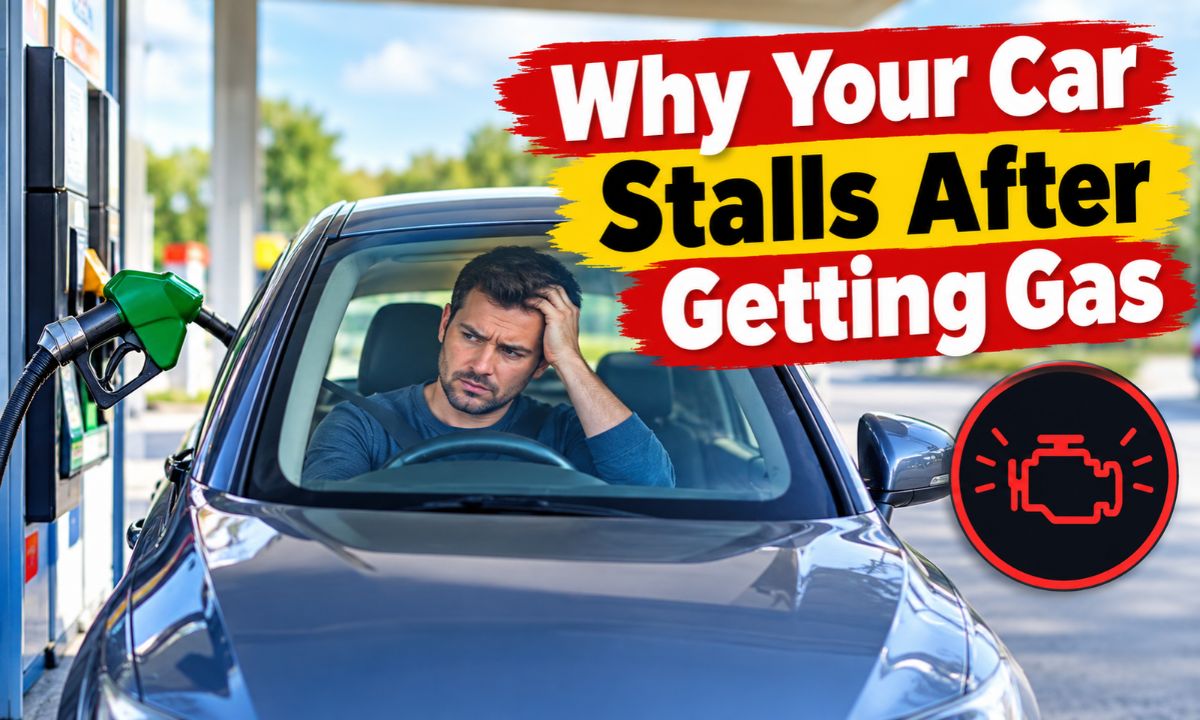
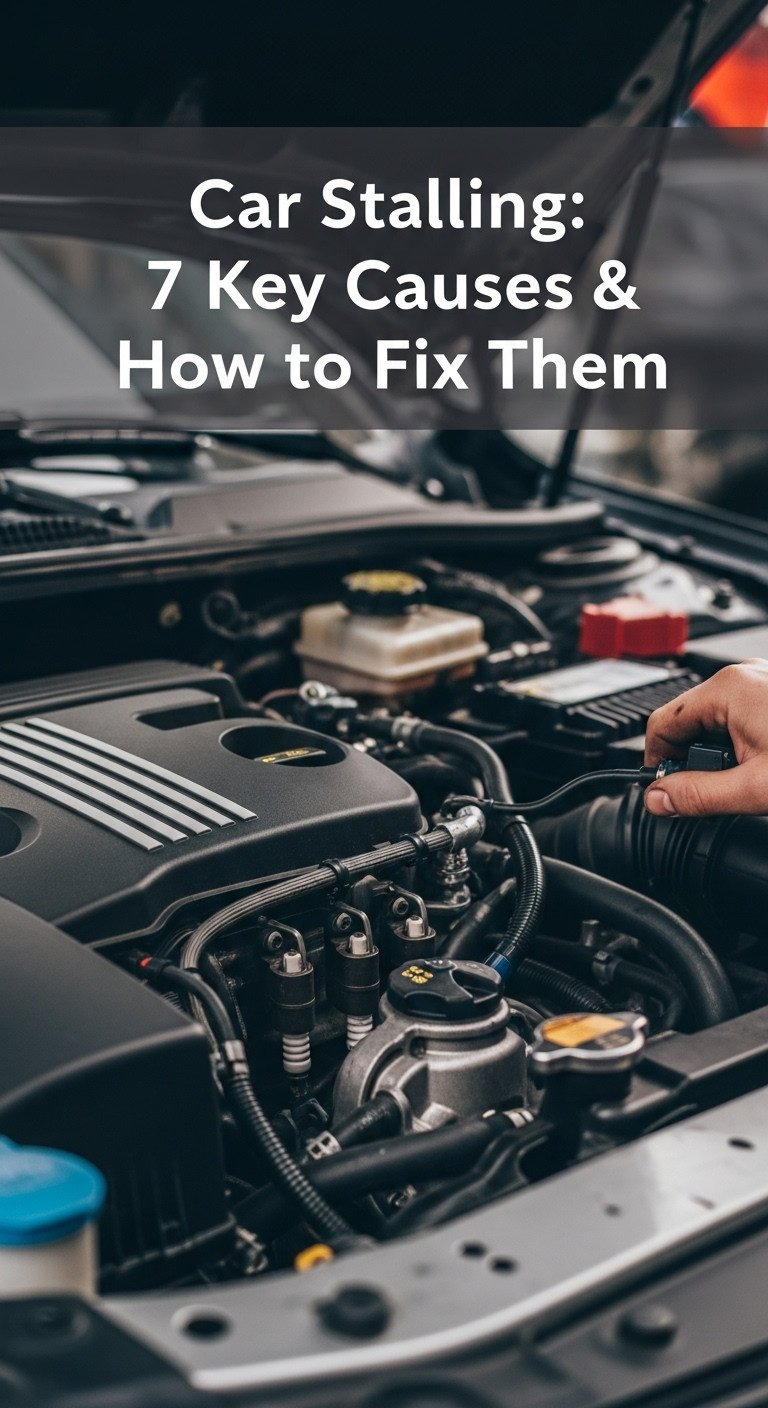
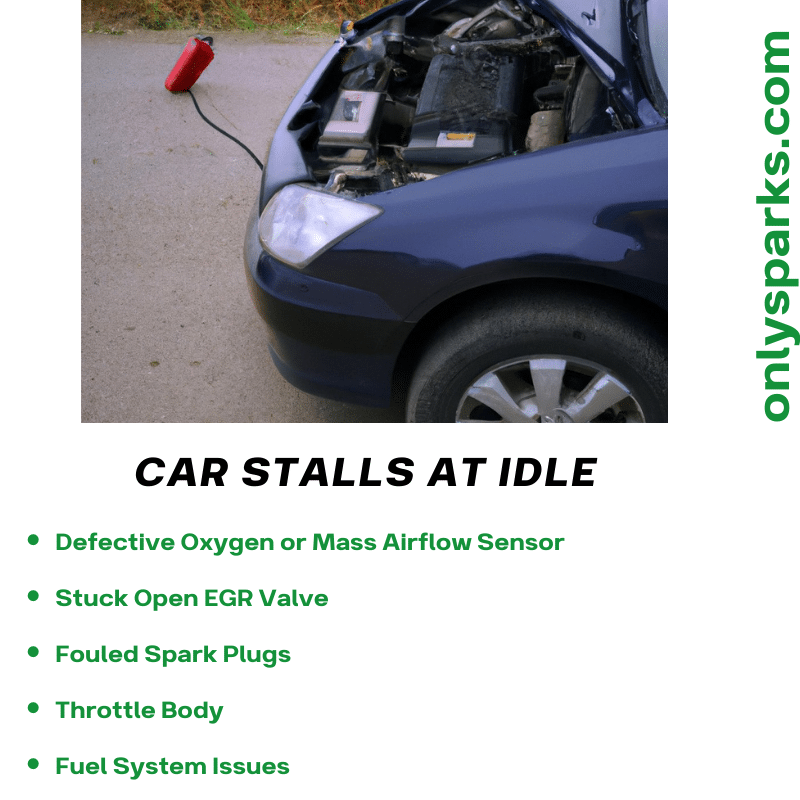
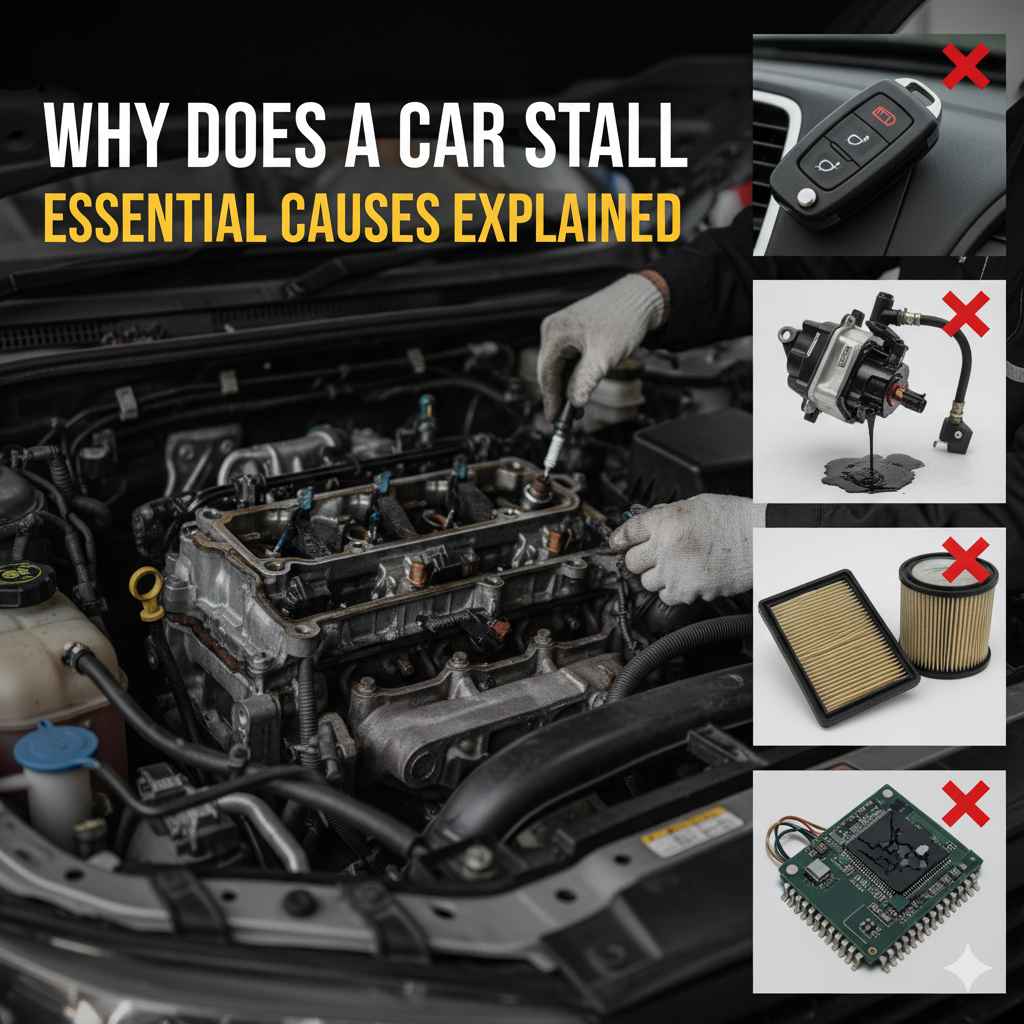
A car that stalls after getting gas may have a faulty EVAP purge valve, a blocked fuel tank vent, a fuel delivery problem, or contaminated fuel. A failed purge valve is a key suspect when the engine starts and then dies after refueling.
If your car starts to shake, sputter, or die right after you fill the tank at a gas station in the United States, you may wonder whether you bought bad gas. Sometimes that is the cause, but the problem can also come from a part that controls fuel vapors. The timing of the stall is a useful clue, especially if the car runs well before you stop for fuel.
Modern gasoline vehicles use an evaporative emissions control system, often called the EVAP system, to keep fuel vapors from escaping into the air. A valve in this system helps send stored vapors into the engine at the right time. If that valve sticks open, extra vapor can enter the engine during startup and upset the air-fuel mixture. This can cause rough running, hard starting, or stalling after a fill-up.
The safest approach is to note when the engine stalls, check for warning lights, and look for simple clues without opening fuel lines or removing hot engine parts. A loose fuel cap, a faulty purge valve, and a weak fuel pump need different checks, so replacing parts without a diagnosis can waste money. If the engine repeatedly dies in traffic or will not stay running, arrange a safe tow or professional inspection rather than continuing to drive.
A car may stall after refueling because the engine receives an incorrect mixture of air and fuel, cannot get enough fuel, or cannot control fuel vapors as designed. The most useful clue is whether the trouble begins during the first start after filling the tank or continues during normal driving. If the engine ran normally before refueling and struggles immediately afterward, start by checking the systems that change during a fill-up.
Gasoline engines need a controlled mix of air and fuel to keep running. Too much vapor, too little fuel, or a weak spark can prevent the engine from maintaining a steady idle. The engine control module may detect some faults and turn on the check engine light, but not every problem triggers a warning.
A vehicle that stalls only after a fill-up points toward a different set of possibilities than one that dies at random while cruising. Still, the pattern is a clue rather than a diagnosis. A mechanic may need to test the EVAP system, fuel pressure, sensor readings, and ignition system to find the actual cause.
Source: carxplorer.com
Stalls immediately after starting
A stuck-open EVAP purge valve is worth checking first, especially if the starter turns normally but the engine struggles to stay running after a full tank.
Cranks for a long time before starting
Fuel pressure problems, excessive fuel vapor entering the intake, or other starting faults may be involved.
Runs poorly during the drive
A weak fuel pump, ignition fault, sensor problem, or contaminated fuel may be more likely if the symptoms continue well beyond the gas station.
Dies at idle but runs when the accelerator is pressed
An air-fuel mixture problem, a purge valve fault, a dirty throttle body, or an idle control issue may need investigation.
Why the timing of the problem matters
Refueling changes the conditions inside the fuel tank and adds vapor to the EVAP system. A fault that becomes noticeable right after filling the tank may therefore be linked to vapor control or tank ventilation. If the vehicle also stalls at other times, the technician should consider faults that are not limited to refueling.
Keep track of whether the problem occurs after every fill-up, only when the tank is nearly full, or after using a particular fuel station. These details can narrow the diagnostic path, although none of them proves a specific fault on its own.
After every fill-up
Ask for an EVAP purge valve and tank ventilation check, along with a review of diagnostic trouble codes.
Only after the tank is filled to the top
Report the exact filling pattern and whether you continued adding fuel after the pump shut off. Tank ventilation and liquid fuel entering the vapor system may need checking.
1. A Faulty EVAP Purge Valve
A faulty EVAP purge valve is one of the first parts to investigate when a gasoline car stalls after refueling. The valve controls when stored fuel vapors move from the charcoal canister into the engine intake to be burned. If the valve sticks open when it should be closed, the engine may receive more vapor than it can handle during startup.
This extra vapor can make the air-fuel mixture too rich. The engine may crank for several seconds, start roughly, shake, or shut off soon after starting. Some vehicles may start more easily if the driver presses the accelerator, but this behavior is not proof of a purge valve failure and should not be used as a repair method.
A purge valve can fail mechanically or electrically. The engine computer may record an EVAP-related diagnostic code, but a code does not automatically mean the valve is defective. Wiring, hoses, the charcoal canister, and other EVAP parts can produce overlapping symptoms.
Source: askmyauto.com
Common clues
Hard starting after refueling, rough idle, stalling soon after startup, or a check engine light with an EVAP-related code.
What a technician checks
The valve’s commanded state, electrical circuit, ability to seal when closed, vapor flow, and related hoses and canister components.
Typical repair
Replace the purge valve only when testing confirms it is faulty, then clear codes if appropriate and verify the repair under the conditions that caused the problem.
Can a bad purge valve cause a car to stall at idle?
Yes. A purge valve that allows unwanted vapor into the intake can upset the mixture when the engine is idling, when airflow is low. The result may be a shaky idle, falling engine speed, or a stall. However, dirty throttle components, vacuum leaks, and other engine management faults can cause similar behavior.
If the engine stalls both after refueling and at stoplights, tell the technician about both patterns. The combination may point to an issue that affects normal idle as well as startup.
Do not replace parts by code alone
Use the stored code as a starting point and confirm the cause with the correct diagnostic tests for the vehicle.
2. A Blocked Fuel Tank Vent or EVAP Problem
A gasoline tank must allow air and fuel vapor to move in a controlled way as fuel is used and added. The EVAP system manages those vapors, while tank ventilation prevents unwanted pressure or vacuum from interfering with fuel delivery. If a vent path is blocked or an EVAP component fails, the car may develop fuel system symptoms.
A ventilation fault can make filling the tank unusually difficult. The pump nozzle may shut off repeatedly even when the tank is not full, or fuel may flow slowly into the filler neck. Some faults can also contribute to poor running or stalling, although those symptoms have several possible causes.
Do not try to fix a suspected vent problem by blowing compressed air into fuel lines or opening the tank. Fuel systems may contain flammable vapor, and improper pressure can damage components. A repair shop can inspect the vent lines, valves, charcoal canister, and pressure behavior using suitable equipment.
Source: carserviceperth.com.au
Repeated pump shutoff
If the pump keeps clicking off early, stop forcing more fuel into the tank and report the symptom during diagnosis.
Fuel odor near the car
A persistent gasoline smell may indicate a leak or vapor system fault. If you see liquid fuel or smell strong fumes, shut the engine off, keep away from ignition sources, and seek professional help.
Stalling with other EVAP symptoms
Ask for an inspection of the purge valve, vent valve, vapor lines, and charcoal canister rather than replacing the gas cap without evidence.
Why topping off the tank can make matters worse
The fuel pump nozzle is designed to stop filling when it detects that the tank is full. Adding more fuel after the first automatic shutoff can push liquid gasoline into parts of the vapor recovery system that are meant to handle vapor, not liquid fuel. This may damage or saturate the charcoal canister and can create running or emissions problems.
For normal refueling, stop when the nozzle clicks off. Do not keep squeezing the handle to round up the price or force additional fuel into the tank. If the car began stalling after repeated topping off, tell the repair shop because that history may help guide testing.
Safer filling habit
Use the nozzle as intended and stop at the first automatic shutoff.
3. A Weak Fuel Pump or Restricted Fuel Supply
A weak fuel pump or restricted fuel supply can cause stalling, hesitation, and hard starting. The pump moves fuel from the tank to the engine, where the fuel system supplies the pressure needed for proper combustion. If pressure or flow falls outside the vehicle’s required range, the engine may not receive enough fuel to keep running.
A fuel pump problem often causes symptoms during acceleration, climbing hills, or sustained driving, but it can also cause hard starting or stalling at idle. If the vehicle runs normally before refueling and then repeatedly stalls only after filling up, a purge or tank ventilation fault may fit the pattern better. A technician should still consider fuel delivery when the symptoms support it.
The fuel level may affect some failing pumps, but the idea that every full-tank stall means a bad fuel pump is not accurate. Fuel pressure, electrical supply, fuel quality, and the vehicle’s design all matter. Testing should come before a pump replacement because the repair can be costly and other faults can produce similar symptoms.
Source: autotoride.com
Signs of weak fuel delivery
Loss of power under load, hesitation when accelerating, extended cranking, intermittent stalling, or a measured fuel pressure that does not meet the vehicle’s specifications.
Possible restrictions
A clogged filter where a serviceable filter is fitted, a restricted pickup, damaged lines, or a failing pump can reduce fuel delivery.
Useful diagnostic step
Have the technician compare measured fuel pressure and delivery with the specifications for the exact make, model, engine, and fuel system.
Can a full gas tank cause a weak fuel pump to fail?
Filling a tank does not normally damage a healthy fuel pump. Many in-tank pumps use fuel around them to help manage heat, but the exact arrangement depends on the vehicle. A pump that is already worn may show symptoms under certain conditions, yet the fact that the tank is full does not establish that the pump is bad.
If the car loses power at different fuel levels, stalls while driving, or struggles under acceleration, ask for a complete fuel delivery check. Do not keep driving a vehicle that loses power unpredictably, especially in fast traffic.
Avoid guessing
Use pressure and electrical tests to distinguish a weak pump from a power supply issue, restriction, or unrelated engine fault.
4. Contaminated or Incorrect Fuel
Contaminated fuel can make an engine run poorly, misfire, lose power, or stall. Water, debris, or a fuel grade or type that is not suitable for the vehicle may interfere with combustion. If the symptoms begin soon after a fill-up and continue during the drive, fuel quality deserves attention.
The timing may be meaningful if the car began running badly immediately after refueling, but it does not prove the station supplied contaminated gasoline. An existing ignition or fuel system fault may have appeared at the same time. A technician should consider the full symptom pattern and use appropriate tests before deciding whether the tank needs to be drained.
If you suspect that you put diesel in a gasoline car or gasoline in a diesel vehicle, stop the engine as soon as it is safe to do so. Do not restart it to see whether it clears up. Contact roadside assistance or a qualified repair facility and explain what fuel was added.
Source: wikihow.com
Symptoms that support a fuel concern
Rough running, repeated misfires, unusual loss of power, or symptoms that begin immediately after refueling and persist beyond the first start.
What to record
Keep the receipt, note the fuel grade, record the approximate amount added, and state whether the engine was running normally before the stop.
What not to do
Do not add random fuel additives or attempt to dilute suspected contamination without advice from a qualified technician.
Should you blame the gas station?
Not without more evidence. A stall after a fill-up can be caused by the vehicle’s own vapor control system, a sensor, or a fuel delivery fault. If multiple vehicles show similar symptoms after using the same source, that may be useful information, but it still needs verification.
Save your receipt and document the symptoms. A repair facility can inspect the fuel system and determine whether the fuel itself appears to be the problem.
Preserve useful details
Record the station location, date, fuel type, and symptoms without making an unsupported claim about the cause.
5. A Loose Gas Cap or Damaged Seal
A loose, damaged, or incorrect gas cap can allow fuel vapor to escape and may trigger the check engine light. The cap helps seal the fuel filler opening on vehicles designed with a conventional cap. A damaged seal or an improperly fitted cap can cause an EVAP leak code.
However, a loose cap alone is not the most likely explanation for a car that repeatedly starts and then stalls immediately after refueling. The cap and its seal are easy to inspect, but a purge valve, vent valve, or another fault may still be present if the engine will not run properly.
If your vehicle has a capless fuel filler, follow the manufacturer’s instructions for checking its seal and filler mechanism. Do not insert tools or force parts inside the filler opening. If the check engine light remains on or the car continues to stall, arrange a diagnostic scan.
Source: plugspecs.com
Check the cap safely
With the engine off, inspect a conventional cap for visible damage and fit it according to the owner’s manual.
Watch the warning light
A steady check engine light may indicate an emissions fault. A flashing light can signal a serious misfire, so stop driving when it is unsafe to continue and seek prompt assistance.
Know the limit
A properly fitted cap may resolve a cap-related leak, but it will not repair a defective purge valve, damaged vapor line, or weak fuel pump.
Can a new gas cap cause stalling?
A correctly specified and properly installed gas cap should not cause stalling. If the issue began after replacing the cap, check that the part matches the vehicle and fits as intended. An incorrect cap may fail to seal, but immediate stalling still calls for a broader diagnosis.
Do not assume that installing a new cap fixes every EVAP fault. The vehicle may need code checks and further testing to determine whether the cap was the actual cause.
Confirm fit
Use the cap specified for the exact vehicle and follow the instructions in the owner’s manual.
6. Ignition, Airflow, or Sensor Problems
An engine can stall after refueling because of an ignition, airflow, or sensor fault that happens to become noticeable at that time. Spark plugs and ignition coils help ignite the air-fuel mixture. The throttle body, air intake, and engine sensors help the computer manage the amount of air and fuel needed for stable running.
A dirty throttle body may contribute to a low or unstable idle, while a vacuum leak can introduce unmeasured air into the engine. Faulty readings from sensors such as the mass airflow sensor or engine temperature sensor can also affect fuel control. These faults may cause stalling after refueling, but they often produce symptoms at other times too.
The right repair depends on the vehicle and test results. Cleaning parts without checking the cause may fail to help, and some electronic throttle systems require a specific relearn procedure after service. Avoid spraying cleaners into the intake or disconnecting sensors unless the vehicle’s service procedure specifically calls for it.
Source: acko-cms.ackoassets.com
Ignition fault
Misfires, shaking, poor acceleration, or a flashing check engine light can point toward an ignition problem.
Airflow or vacuum problem
An unstable idle, hissing sound, or fuel mixture codes may justify an intake and vacuum leak inspection.
Sensor fault
Stored codes and live diagnostic readings can help identify incorrect signals without replacing sensors based on symptoms alone.
Why does the car stay running when you press the accelerator?
Pressing the accelerator opens the throttle and changes the air entering the engine. On some vehicles, this can temporarily help an engine that struggles to maintain idle. The behavior may point toward an airflow or mixture issue, but it does not identify one faulty part by itself.
Do not use repeated accelerator presses as a workaround for a car that stalls after refueling. If the engine cannot idle reliably, it may also stall when you slow down or stop in traffic. Have the cause diagnosed before relying on the vehicle.
Report the exact behavior
Tell the technician whether the engine dies only at idle, also stalls while moving, or runs normally once it warms up.
How to Troubleshoot a Car That Stalls After Refueling
Start with safety, then record the symptoms, inspect only accessible parts, and use diagnostic tests to narrow the cause. A careful sequence is more useful than replacing several parts at once. You do not need to remove fuel lines, open the tank, or handle gasoline to collect the first set of clues.
If the car stalls in a live lane or another unsafe spot, prioritize your safety. Turn on the hazard lights if possible, follow local roadside safety guidance, and move away from traffic when it is safe. Do not stand behind the vehicle on a busy road or attempt a repair near moving traffic.
Source: autotoride.com
Step 1: Note when the stall happens
Record whether the engine stalls during the first start, within a few seconds of starting, at idle, during acceleration, or later in the drive.
Step 2: Check for warning signs
Note any check engine light, flashing warning light, gasoline odor, visible leak, unusual noise, or repeated fuel nozzle shutoff.
Step 3: Inspect the fuel cap if fitted
With the engine off and away from fuel vapors, check whether the cap is present, visibly damaged, or improperly seated. Follow the owner’s manual for capless systems.
Step 4: Read diagnostic codes
An OBD-II scanner can retrieve codes on most US light-duty vehicles sold with standardized OBD-II diagnostics. Record the codes before clearing them. A code points toward a system or condition and may not identify the failed part.
Step 5: Request targeted tests
Ask the shop to check purge valve sealing, EVAP vent operation, relevant hoses, fuel pressure, and engine data based on the recorded symptoms and codes.
Step 6: Verify the repair
After the repair, confirm that the engine starts and idles normally under the same conditions that caused the problem. The shop may also need to verify EVAP operation and monitor readiness status.
What the diagnostic codes may tell you
Diagnostic trouble codes help narrow the search, but they are not a list of parts that must be replaced. For example, codes in the P0440 through P0457 range often relate to EVAP system faults, while P0172 can indicate a rich fuel mixture on systems that support that code. Other codes may point toward misfires or fuel trim problems.
The exact meaning and diagnostic steps depend on the vehicle. A purge-related code does not automatically prove the purge valve is bad, and a fuel mixture code can result from several different faults. Ask for the code number, the test results, and the reason for the proposed repair.
Record codes before clearing them
Stored and pending codes, along with freeze-frame information when available, may help a technician reproduce the conditions that triggered the fault.
Avoid random part replacement
A confirmed diagnosis can prevent spending money on a gas cap, sensor, valve, or pump that is not causing the problem.
Which Cause Best Matches Your Symptoms?
The symptom pattern can help you decide which systems to investigate first. Use the table below to organize the evidence before speaking with a mechanic. These are diagnostic clues, not definitive tests.
Source: bsautosupplies.com
Best first lead for an immediate post-fill stall
An EVAP purge valve that does not seal properly deserves early attention, especially when the car otherwise runs normally.
Symptom-to-cause guide
Compare the main symptom with the possible causes and the next useful check. More than one fault can exist at the same time, so a mechanic should confirm the cause before replacing parts.
Starts, shakes, then dies after refueling
Possible cause: purge valve fault or an air-fuel mixture problem. Next check: scan for codes and test purge valve sealing and EVAP operation.
Pump nozzle repeatedly clicks off
Possible cause: a tank ventilation or vapor recovery issue. Next check: inspect the filler and EVAP vent path.
Loses power during acceleration
Possible cause: fuel delivery, ignition, or sensor fault. Next check: compare fuel pressure, electrical readings, and engine data with vehicle specifications.
Runs rough after using a different fuel source
Possible cause: fuel quality or an unrelated fault that appeared at the same time. Next check: document the fuel used and have the fuel system assessed.
Check engine light after refueling but no stalling
Possible cause: an EVAP leak or another emissions fault. Next check: read the diagnostic codes and inspect the cap or capless filler system as applicable.
Stalls at stoplights as well as after refueling
Possible cause: purge valve, throttle, airflow, ignition, or fuel delivery problem. Next check: diagnose the broader idle and engine management symptoms.
Is It Safe to Drive a Car That Stalls After Getting Gas?
A car that repeatedly stalls is not safe to drive in normal traffic until the cause is understood. When the engine stops, power assistance for steering or braking may be reduced, depending on the vehicle. The car may still be steerable and capable of braking, but the effort required can increase, and restarting may not be possible.
If you smell strong gasoline fumes, see liquid fuel leaking, or suspect the wrong fuel was added, shut the engine off when safe and avoid sparks, smoking, or other ignition sources. Move away from the vehicle if the smell is strong or a leak is visible, and contact roadside assistance or emergency services as appropriate.
If the engine stalls once in a safe parking area and then runs normally, that does not guarantee the issue is gone. A recurring fault can return at an intersection or while entering a busy road. Arrange an inspection promptly, and use a tow if the engine cannot idle reliably or stalls again.
Source: cdn.thedailyautomotive.com
Stop and seek assistance
Do this if the engine repeatedly dies, will not restart, loses power while moving, or has a strong fuel odor or visible leak.
Do not test the car in traffic
Avoid driving around to see whether the problem clears. Repeated stalling can put you and others at risk.
Use the right repair route
A qualified mechanic can diagnose the cause, while roadside assistance can transport a vehicle that is unsafe or unreliable.
When a tow is the safer choice
A tow is the safer option when the engine will not remain running, the car stalls while moving, a fuel leak is suspected, or the vehicle has a serious warning such as a flashing check engine light with rough running. A tow can also prevent a breakdown in a dangerous location.
Tell the roadside provider that the stall began after refueling and mention any fuel odor, leak, or possibility of incorrect fuel. That information helps them choose a safe response.
Do not restart after suspected misfueling
Keep the engine off and contact a qualified repair service.
How Much Can the Repair Cost?
Repair costs depend on the failed part, vehicle design, labor rates, and diagnostic time. A simple cap replacement may cost much less than replacing an in-tank fuel pump or repairing a damaged EVAP system. Without the year, make, model, engine, and test results, a reliable price estimate is not possible.
Ask the shop to separate the diagnostic charge, parts, labor, and any required follow-up work. If the shop recommends replacing several components, ask which test supports each replacement. This makes it easier to compare estimates and avoid paying for parts that have not been shown to be faulty.
Source: wikihow.com
Gas cap or filler seal
Often a relatively simple repair when the cap or seal is confirmed to be the problem.
Purge valve or vent component
Cost depends on access, the specific valve, related hoses, and whether additional EVAP damage is present.
Fuel pump or tank repair
May involve more labor because access can require work around the fuel tank or related components.
Fuel contamination
Costs vary with the type of fuel, amount involved, required draining and cleaning, and whether the engine or fuel system was operated.
What to ask before approving the repair
Ask what diagnostic evidence identified the faulty component and whether the repair addresses the original symptom. If an EVAP part is being replaced, ask whether the shop checked for related faults that could cause the same code to return. Request an estimate before authorizing extra work.
Request the evidence
Ask for the stored codes, relevant test results, and a plain-language explanation of why the part failed.
Confirm the follow-up
Ask whether the shop will verify that the engine starts normally after refueling and that the original fault is resolved.
How to Prevent the Problem From Returning
You cannot prevent every purge valve, fuel pump, or sensor failure, but good refueling habits can reduce avoidable problems. Follow the owner’s manual, use the correct fuel, and stop filling when the nozzle automatically clicks off. Do not keep topping up the tank after the pump says it is full.
Respond to warning lights rather than ignoring them for weeks. A check engine light can indicate an emissions issue that is easier to diagnose before other symptoms develop. Keep records of repairs and note whether the problem returns after a fill-up or occurs at other times.
If the car has already stalled after refueling, prevention starts with finding the cause. Replacing the gas cap, adding a cleaner, or changing fuel stations without diagnostic evidence may not address the fault. A verified repair and a repeat check under the original conditions provide a better basis for confidence.
Source: carserviceperth.com.au
Stop at the first automatic shutoff
Avoid pushing extra liquid fuel into the vapor recovery system.
Use the specified fuel
Follow the grade and fuel-type requirements in the owner’s manual, especially for diesel vehicles and engines that require premium gasoline.
Keep repair records
Save diagnostic codes, invoices, and notes about when the stall occurs so a recurring issue can be traced more quickly.
Investigate repeat symptoms
If the car stalls again after a repair, return with the original diagnostic information rather than assuming the new part has failed.
What if the car stalls only when the tank is full?
Tell the technician that the problem depends on the fuel level. This pattern may help direct attention toward the EVAP system, tank ventilation, or components affected by filling. It does not prove that the tank itself is defective or that the fuel pump must be replaced.
Record whether the problem happens after the first automatic shutoff or only when you continue filling. Do not deliberately overfill the tank to repeat the symptom.
Use the pattern as evidence
Share the exact fuel level and refueling behavior with the repair shop so it can choose an appropriate test.
Frequently Asked Questions
Q
Why does my car start and then die after I get gas?
A faulty EVAP purge valve is a leading possibility because it may allow too much fuel vapor into the engine during startup. A blocked vent, fuel delivery issue, contaminated fuel, or another engine fault can cause similar symptoms. A diagnostic scan and targeted tests are needed to confirm the cause.
Q
Can a bad purge valve damage my engine?
A faulty purge valve can cause hard starting, rough idle, stalling, and increased emissions. The exact risks depend on the failure and vehicle. Do not ignore repeated stalling, and have the valve and related EVAP components checked before the problem creates a safety risk or leads to further drivability issues.
Q
Why does my car stall after filling the tank completely?
The pattern may point toward a purge valve, tank ventilation fault, or a problem caused by topping off the tank after the pump clicks off. However, a full tank does not automatically mean the fuel pump is bad. Stop at the first automatic shutoff and tell the technician exactly when the stall occurs.
Q
Can a loose gas cap make a car stall?
A loose or damaged cap can cause an EVAP leak and trigger the check engine light. It is less likely to explain repeated stalling immediately after refueling by itself. Check the cap or capless filler system as directed by the owner’s manual, and investigate further if the engine still stalls.
Q
Should I keep driving if my car stalls after getting gas?
No, not if the engine repeatedly stalls or cannot idle reliably. An unexpected stall can leave you unable to accelerate normally and may reduce steering or braking assistance. Stop in a safe place and arrange an inspection or tow. If there is a fuel leak, strong gasoline odor, or suspected wrong fuel, keep the engine off and seek professional help.
Q
Can bad gas cause stalling right after refueling?
Yes. Contaminated fuel or the wrong fuel type can cause rough running, misfires, power loss, or stalling. But a problem that starts after a fill-up is not proof that the gasoline was contaminated. Keep the receipt, record the symptoms, and have the fuel system assessed before attempting any treatment.
Q
Will disconnecting the battery reset the problem?
Disconnecting the battery does not repair a faulty valve, blocked vent, weak pump, or contaminated fuel. It may also erase useful diagnostic information and reset some vehicle settings or emissions readiness monitors. Record the diagnostic codes first and follow the vehicle manufacturer’s service guidance.
✦ Wrapping Up
Conclusion
When your car stalls after getting gas, the timing can help narrow the cause, but it cannot identify the failed part on its own. A faulty EVAP purge valve is an important possibility, especially when the engine starts roughly and dies soon after a fill-up. Tank ventilation problems, fuel delivery faults, contaminated fuel, and other engine issues may also be responsible.
Start by recording the symptoms, checking for fuel leaks or strong gasoline odors, and noting any warning lights. Inspect only accessible items, such as a conventional gas cap, and leave fuel system testing to a qualified technician. An OBD-II scan can provide useful clues, but the stored code must be confirmed with the right tests.
Most importantly, do not keep driving a vehicle that stalls unpredictably. A safe diagnosis can prevent repeat breakdowns, reduce unnecessary parts replacement, and help restore reliable starting after refueling. Stop at the first automatic fuel nozzle shutoff and report whether the problem happens after every fill-up or only under specific conditions.
💡 Key Takeaway
If your car stalls immediately after refueling, record the symptoms and diagnostic codes, ask for an EVAP purge valve and vent system check, and have fuel pressure tested if the evidence points to a delivery problem. Tow the car if it stalls repeatedly, will not idle, or has signs of a fuel leak.