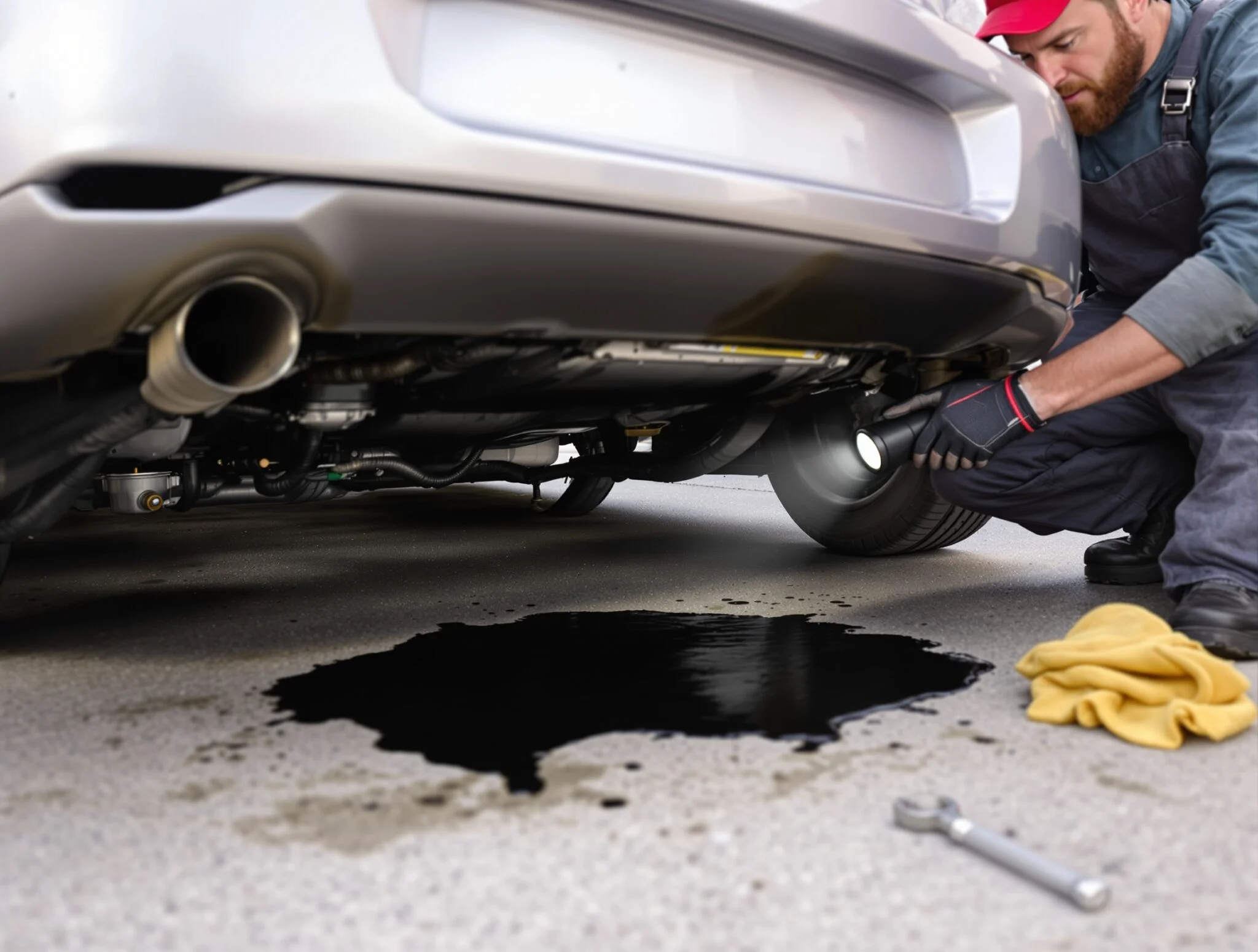
Your car may leak oil because of a worn gasket, a loose drain plug, a damaged oil filter, or a cracked seal. Check the oil level, note where the fluid lands, and look for fresh oil around the engine. Stop driving if the oil pressure warning light appears or the engine loses a large amount of oil.
Across the United States, many drivers rely on their cars for work, school, shopping, and long road trips. A dark spot on the driveway or garage floor can raise a simple but worrying question: where is the oil coming from? An oil leak may be a small seal problem, but it can also point to damage that needs quick care.
The best way to find the cause is to start with the safest checks. Look at the fluid, check the engine oil level, and note where the drip appears. Then inspect the areas you can reach without touching hot or moving parts. These clues can help you narrow down the source before you visit a repair shop, although a mechanic may need to clean the engine or use a leak-detection dye to confirm it.
This guide explains common leak points, how to check them, and when to stop driving. It also helps you tell engine oil from other car fluids, since a puddle under your vehicle does not always mean the engine is leaking oil.
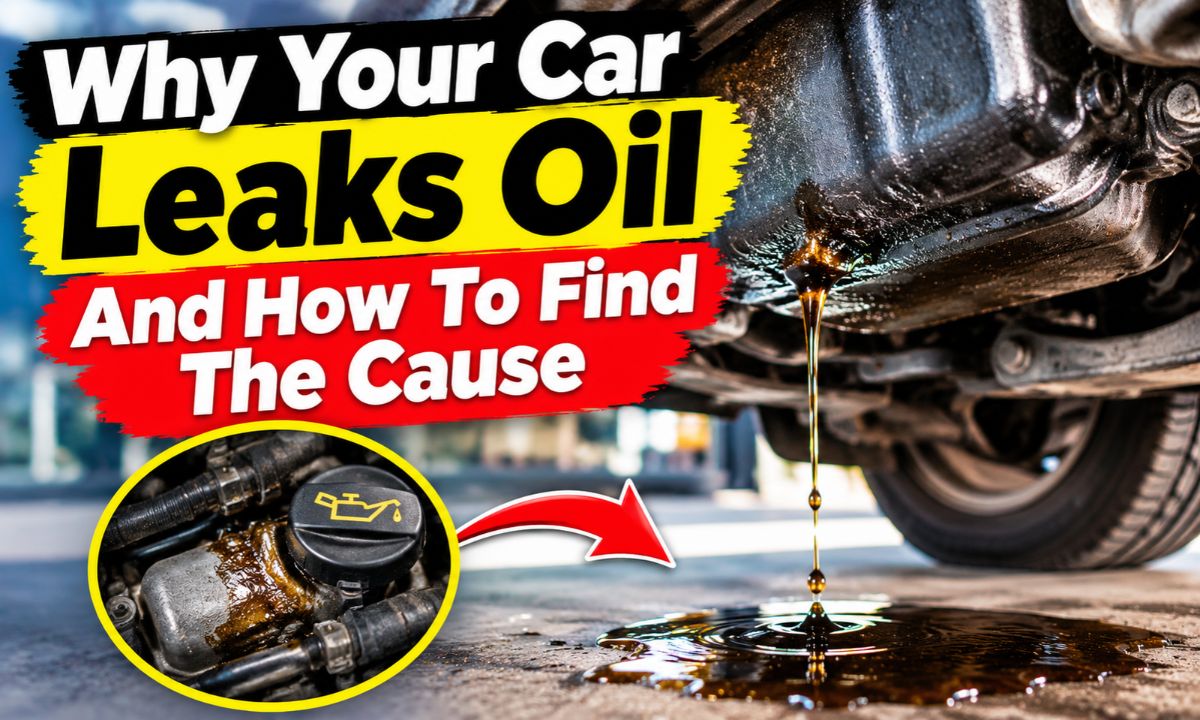
A car leaks engine oil when oil escapes from a part that should contain it. The engine uses gaskets, seals, threaded plugs, and metal housings to keep oil inside while it moves through the lubrication system. If one of these parts wears out, loosens, cracks, or gets damaged, oil can seep out.
Age and heat can make rubber seals and gaskets hard or brittle. A repair done with the wrong gasket, an overtightened drain plug, or a damaged oil filter seal can also cause a leak. In some cases, a leak starts after an oil change because a part was fitted incorrectly.
Not every wet patch means there is an active leak. Oil spilled during servicing may remain on the engine or undertray for some time. The useful question is whether fresh oil keeps appearing after the area has been cleaned and checked.
Source: autoserviceperth.com.au
Worn seals and gaskets
These parts help stop oil from escaping where engine components meet. Heat, age, and wear can make them leak.
Loose or damaged service parts
A drain plug, oil filter, or filter seal that is loose or damaged may let oil escape, especially after routine service.
Cracked or damaged components
An impact, corrosion, or a damaged housing may create a leak that needs repair or part replacement.
High oil pressure or excess oil
A lubrication or crankcase ventilation problem may push oil past weak seals. Too much oil can also cause problems, so verify the level before adding more.
Can an oil leak start suddenly?
Yes. A leak can begin suddenly if an oil filter seal fails, a drain plug loosens, or a component is damaged. A worn gasket may also leak slowly for weeks before leaving a visible spot. If the leak begins soon after an oil change or engine repair, tell the shop what work was done and when the first sign appeared.
How to Find the Source of an Oil Leak
Start by checking the oil level and looking for fresh oil without reaching under the vehicle. You do not need to remove parts to gather useful clues. A few careful observations can help you decide whether the car is safe to move or needs a tow.
Park on level ground in a safe place, switch off the engine, and allow hot parts to cool. Keep children and pets away from the area. If the car is in a busy roadway, on a slope, or in another unsafe spot, do not attempt a roadside inspection that puts you at risk.
Source: i.ytimg.com
Step 1: Check the dashboard
Look for an oil pressure warning light, an overheating warning, or other alerts. If the oil pressure warning light stays on while the engine is running, shut the engine off as soon as it is safe. Do not keep driving to see whether the light goes away.
Step 2: Check the oil level
Follow the owner’s manual. Many cars use a dipstick, while others display the oil level electronically. If the level is below the safe range, do not run the engine until you have checked for a serious leak and corrected the level with the specified oil, if it is safe to do so.
Step 3: Note the puddle
Look at the ground from outside the vehicle. Note the color, thickness, approximate size, and location of the spot. Use cardboard placed under a parked car only if it can be done safely and without going under the vehicle.
Step 4: Look from above
With the engine off and cool, use a flashlight to look for wet areas around the top and visible sides of the engine. Do not remove hot covers or reach near belts, fans, or electrical connections.
Step 5: Check recent service history
If the leak appeared after maintenance, record the date and work performed. The oil filter, drain plug, and filler cap are useful areas for a technician to check first.
Step 6: Arrange a closer inspection
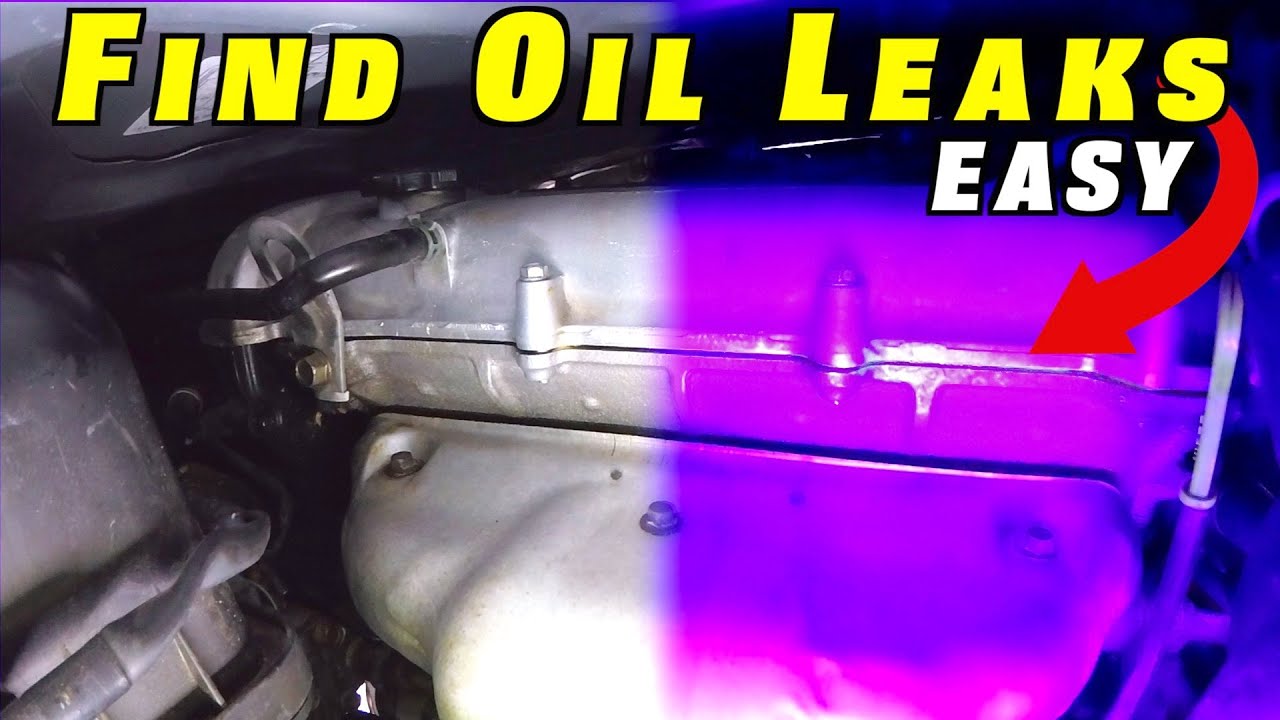
If the source is not visible, have a mechanic inspect the engine. Cleaning away old oil and checking for fresh traces may reveal the source. A suitable UV dye can help when the leak is difficult to locate.
What if you cannot see the leak?
Oil may collect on an engine cover, run along a metal surface, or drip from a lower shield far from the actual leak. Some cars have undertrays that hide the source. A small leak may also appear only when the engine is hot or running, so a quick look while parked may not reveal it.
Do not start the engine or drive the car just to make a hidden leak easier to spot if oil pressure is low or the leak is heavy. A repair shop can inspect the vehicle safely and use the right test for the engine design.
The Most Common Places Engine Oil Leaks Come From
The location of fresh oil can help narrow down the likely cause, but it cannot prove which part has failed. Oil often runs downward and backward as the car moves, so a drip near the front or rear of the engine may come from a higher point.
The following parts are common places to inspect. Their exact positions vary by vehicle, engine layout, and whether the car has a front, rear, or all-wheel-drive design.
Source: shieldoils.com
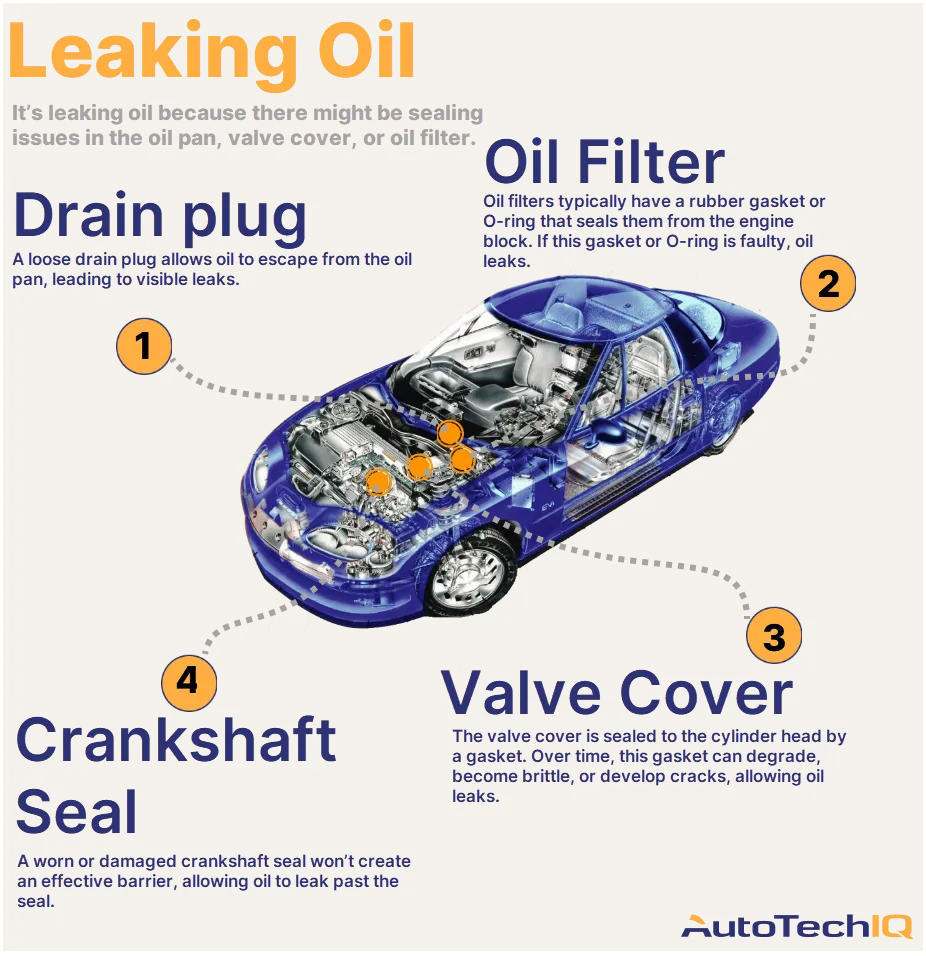
Valve cover gasket
This gasket seals the cover at the top of the engine. A leak may leave wet oil around the upper engine or near the edge of the cylinder head. Oil that reaches a hot exhaust part can create a burning smell or smoke.
Oil pan gasket
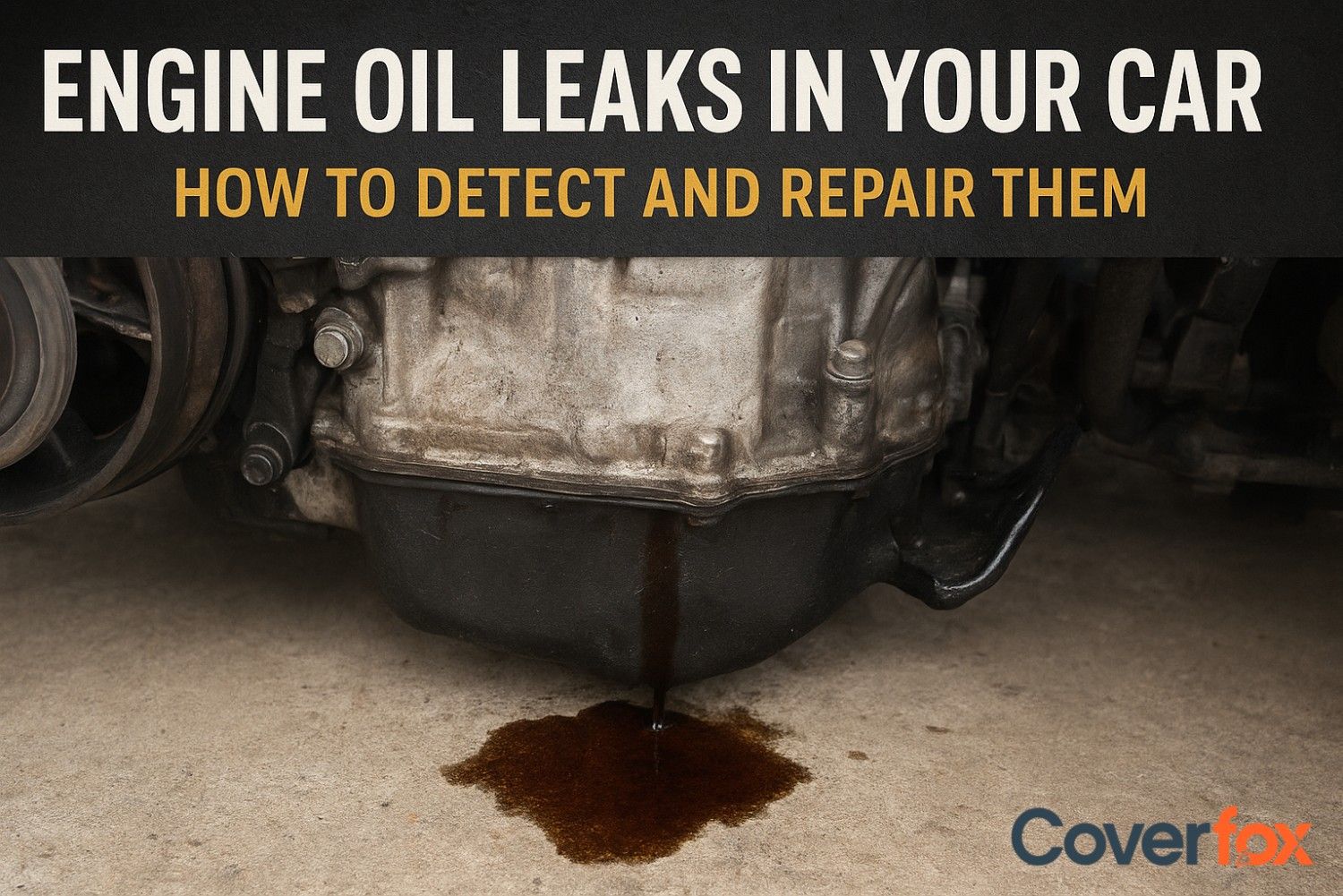
The oil pan holds oil at the bottom of the engine. A worn gasket or damaged pan may leave oil along the lower engine area or on the ground below it. A dent from road debris can also damage the pan.
Oil filter and filter housing
Oil may escape around a loose filter, a damaged seal, a faulty housing, or an old gasket left in place during service. A fresh leak soon after an oil change makes this area worth checking.
Oil drain plug
The drain plug seals the opening used to remove oil during service. A loose plug, damaged threads, or a worn sealing washer may cause drips under the oil pan.
Crankshaft and camshaft seals
These seals help keep oil inside where rotating shafts pass through the engine. A leak may appear near the pulleys or between the engine and transmission. Some repairs require substantial disassembly.
Oil filler cap or dipstick tube
A loose, cracked, or poorly sealed filler cap can let oil escape near the top of the engine. A faulty dipstick seal or tube may also leak. Confirm that the cap is seated and the dipstick is installed correctly.
Oil cooler lines and housings
Some engines use an oil cooler or external oil lines. A damaged hose, connector, or housing may cause oil loss. The exact setup depends on the vehicle.
How to read oil leak patterns
Fresh oil at the top of the engine points attention toward upper gaskets, the filler cap, or nearby fittings. Oil around the filter or drain plug may suggest a service-related problem. Oil near the engine-to-transmission joint can come from a rear engine seal, but oil from another part may run down to the same area.
Use these patterns to describe what you see, not to decide on a costly repair by sight alone. A proper diagnosis follows the wet trail to its highest fresh point and checks whether the suspected part is truly leaking.
How to Tell Engine Oil From Other Car Fluids
A puddle under your car does not always come from the engine. Cars contain several fluids, and their colors can overlap or change with age. Color and texture provide clues, but the vehicle’s layout, fluid level, smell, and leak location also matter.
Never taste a fluid or touch an unknown liquid with bare hands. Some automotive fluids are toxic or irritating. Keep pets and children away from any spill and clean it up in line with local rules.
Source: i.pinimg.com
Engine oil
Fresh engine oil is usually amber to light brown, while used oil often becomes dark brown or black. It feels slippery and leaves an oily stain. Its color alone cannot confirm the source.
Automatic transmission fluid
Transmission fluid may be red, pink, amber, or brown, depending on the fluid type and its condition. A transmission leak can appear near the middle or front of the vehicle, but the exact location varies.
Coolant
Coolant can be green, orange, pink, yellow, blue, or another color. It is often more watery than engine oil and may have a sweet smell. Never open a hot cooling system because pressurized coolant can cause severe burns.
Brake fluid
Brake fluid is often clear to amber when fresh and may darken with age. A brake fluid leak can reduce braking ability. If you suspect one, do not drive the car; arrange professional help.
Power steering fluid
Depending on the system, power steering fluid may resemble transmission fluid or another hydraulic fluid. Some cars use electric power steering and have no hydraulic steering fluid to leak.
Air conditioning water
Clear water dripping below a car after air conditioning use is often normal condensation. It usually does not feel oily. If the liquid has color, an unusual smell, or a slippery film, do not assume it is harmless water.
Does the color of the puddle prove it is oil?
No. Used oil can look almost black, but other fluids may darken or collect dirt. A fluid may also run across a dirty engine shield before reaching the ground. Treat color as one clue and confirm the fluid before choosing a repair.
Warning Signs That an Oil Leak Needs Urgent Attention
A small seep may allow time to arrange an inspection, but some signs mean you should stop the engine and get help. The key risks are loss of lubrication, oil reaching hot parts, and fluid leaks that you have mistaken for engine oil.
Engine oil forms a protective film between moving parts. If the oil level or pressure drops too far, metal parts may rub together and suffer serious damage. Topping up the oil does not make it safe to continue if the engine has lost pressure or the leak is severe.
Source: pierrepauldriving.com
Oil pressure warning light
If the red oil pressure warning stays on while the engine runs, pull over as soon as it is safe and switch the engine off. Check the owner’s manual and arrange assistance. Do not keep driving because the engine still sounds normal.
A large or fast-growing puddle
A steady stream, a large fresh pool, or oil that continues to pour out may indicate a serious failure. Do not start the engine; arrange a tow.
Smoke from the engine bay
Oil dripping onto hot exhaust parts can smoke and create a strong burning smell. Stop in a safe place, shut off the engine, and get out if there is fire or heavy smoke. Move away from the vehicle and call emergency services if needed.
A sudden drop in oil level
If the dipstick shows little or no oil, do not run the engine until the cause and correct oil level have been addressed. A leak may be severe, or the engine may also be consuming oil internally.
Unusual engine noise
Knocking, loud ticking, or grinding together with oil loss may signal inadequate lubrication or other serious damage. Shut the engine off and arrange professional diagnosis.
Possible brake or fuel leak
If you suspect a brake fluid or fuel leak, do not drive. Fuel may ignite, and a brake fluid loss may impair stopping. Keep away from flames and sparks and arrange suitable roadside help.
Can you drive with an oil leak?
There is no single answer for every leak. A slight seep with a normal oil level and no warning lights may not require an immediate emergency stop, but it still needs timely inspection. A fast leak, oil pressure warning, smoke, or signs of engine damage mean you should not continue driving.
If you are unsure how quickly oil is escaping, the safer choice is to leave the engine off and ask a repair shop or roadside service for guidance. A short trip can turn a small repair into major engine damage if lubrication fails.
What Causes Oil Leaks After an Oil Change?
If you notice a leak soon after an oil change, the recent service is a useful clue. It does not prove the shop caused the problem, but the filter, drain plug, sealing washer, and filler cap deserve an early check.
A filter may leak if its seal is damaged, incorrectly seated, or affected by an old gasket left on the mounting surface. A drain plug may leak because of damaged threads, an incorrect washer, or improper tightening. Oil spilled during filling can also drip for a while and resemble a new leak.
Source: aautomotives.com
Check the service receipt
Note the date, oil grade, and work performed. Keep the receipt so the repair shop can review the service and determine whether a follow-up inspection is appropriate.
Look for fresh oil without touching hot parts
With the engine off and cool, inspect visible areas around the filter housing and the lower engine. Do not crawl underneath the car or tighten a plug by guesswork.
Avoid repeated topping up without diagnosis
Adding oil may correct a low level temporarily, but it does not repair a loose part or failed seal. Too much oil can also harm the engine, so check the level and follow the manual.
Contact the service shop
Explain when the leak began and provide photos of the spot if available. If the leak is heavy or a warning light appears, do not drive back to the shop; ask about towing.
Could too much engine oil cause a leak?
Yes, overfilling can contribute to foaming, increased crankcase pressure, or oil entering places where it should not. The result depends on the engine design and how far the oil level exceeds the specified range. Some engines may also develop leaks because of a separate ventilation problem.
Check the oil level using the method in the owner’s manual. If the level is above the maximum mark, do not keep driving in the hope that the engine will burn off the extra oil. Have the excess removed correctly and investigate any new leak or warning sign.
How Mechanics Confirm an Engine Oil Leak
A mechanic usually confirms an oil leak by tracing fresh oil to its source instead of replacing the part nearest the puddle. The process may begin with a visual inspection and an oil level check. The technician may then clean the area and inspect it again after the engine has been operated under safe conditions.
If the source remains hidden, the repair shop may use an approved fluorescent dye that mixes with the engine oil. A UV lamp can then help show where the dyed oil escapes. This method is useful for small leaks, but it must be suitable for the vehicle and used according to the product and service instructions.
Source: i.ytimg.com
Visual inspection
The technician checks common leak points, nearby hoses, gaskets, seals, and signs of oil collecting on covers or shields.
Cleaning and rechecking
Old oil and dirt can hide the fresh trail. Cleaning the affected area helps the technician tell an active leak from a past spill.
Leak-detection dye
A compatible dye may make a small leak easier to see. The correct product and procedure depend on the engine and fluid system.
System checks
If oil appears to be pushed out through seals, the mechanic may check crankcase ventilation or other related conditions rather than replacing a gasket alone.
Why replacing the first wet gasket can fail
Oil can run down from a higher leak and collect around a lower gasket. Replacing the lower gasket without tracing the source may leave the real problem untouched. A careful diagnosis reduces the chance of paying for a repair that does not stop the leak.
Oil Leak Repair Costs and What Changes the Price
The cost to fix an oil leak depends on the failed part, labor time, vehicle design, local labor rates, and whether the leak has caused other damage. A loose service part may be simple to correct, while a rear crankshaft seal or a leak hidden behind major engine components may require extensive work.
There is no reliable single price for every vehicle. Ask the repair shop to identify the source, explain the evidence, and separate the parts and labor in the estimate. If the shop recommends replacing several seals, ask which ones are confirmed to be leaking and which are preventive suggestions.
Source: autotechiq.com
Oil filter or drain plug
These may be relatively simple to address if the parts and threads are in good condition. A damaged housing or stripped thread can increase the repair work.
Valve cover gasket
The price depends on access, engine layout, gasket design, and whether nearby parts must be removed.
Oil pan gasket or pan damage
Some oil pans are easy to reach, while others require removal of shields or nearby components. A damaged pan may need replacement rather than a new gasket alone.
Crankshaft or camshaft seal
These repairs can cost more when belts, pulleys, or other components must be removed to reach the seal. A rear main seal may require major labor.
Leak with engine damage
If low oil pressure or oil loss has damaged internal engine parts, the final bill may be much higher than the cost of repairing the original leak.
Questions to ask before approving a repair
Ask the technician to show you the leak or explain how it was confirmed. Find out whether the estimate includes diagnostic time, parts, labor, new oil, and any required seals or fasteners. If the diagnosis is uncertain, ask what additional test would confirm the source before expensive work begins.
What part is leaking?
Request the exact name and location of the part, rather than a general statement that the engine is leaking.
How was the source confirmed?
Ask whether the technician saw fresh oil, cleaned and rechecked the area, or used another suitable diagnostic method.
Is the vehicle safe to drive?
Get a clear answer based on the leak rate, oil level, warning lights, and any signs of damage.
Mistakes to Avoid When Looking for an Oil Leak
A careful inspection can save time, but a rushed check may lead to the wrong diagnosis or create a safety risk. Keep the inspection simple and stop when the next step requires tools, lifting equipment, or access to hot and moving parts.
The goal is to gather useful clues, not to dismantle the engine in a driveway. If the leak is hard to reach, professional inspection is often safer and more effective.
Source: crht1910.org.uk
Assuming every dark puddle is engine oil
Other fluids can look dark or become mixed with dirt. Check the fluid’s location and other clues before deciding what has leaked.
Following the drip instead of the source
Oil often runs down surfaces and travels while the car is moving. The lowest wet point may not be where the leak began.
Adding oil without checking the level
Too much oil can cause problems. Use the specified checking method and correct oil type, and avoid filling beyond the maximum mark.
Using stop-leak products as a first fix
A sealant may not suit every engine or leak. It cannot repair a cracked housing, a damaged oil pan, or a loose drain plug. Ask a qualified technician before using one.
Working beneath a car supported only by a jack
A jack can fail or shift. Never put any part of your body under a vehicle unless it is supported by properly rated equipment on a firm, level surface and the correct safety procedure is followed.
Ignoring small leaks for too long
A slow seep may grow, lower the oil level, or allow oil to reach hot parts. Check the level as directed and arrange a repair instead of relying on repeated top-ups.
Can you fix an oil leak at home?
Some minor issues may be within a capable owner’s skills, such as fitting a missing filler cap correctly or adding the specified oil when the level is low and the vehicle is otherwise safe. Repairs involving a filter, drain plug, gasket, seal, or damaged housing require the correct parts, tools, tightening procedure, and service information.
Do not attempt a repair if the engine is hot, the vehicle is unstable, oil is escaping quickly, or you cannot identify the fluid. If a warning light stays on or you suspect internal damage, arrange professional help.
How to Reduce the Risk of Future Oil Leaks
You cannot prevent every seal from wearing out, but regular maintenance can help catch problems before they become severe. Follow the maintenance schedule for your exact vehicle rather than relying on a single service interval for all cars.
Use the oil grade and specification listed in the owner’s manual. Check the oil level at the recommended interval, pay attention to new stains or smells, and investigate any sudden change in oil use. If your vehicle has a known leak, ask the repair shop how often the level should be checked until the repair is complete.
Source: cms-img.coverfox.com
Use the correct oil and filter
Follow the manufacturer’s specifications. An incorrect filter or oil that does not meet the required standard may cause problems or affect engine protection.
Keep service records
Record oil changes, repairs, and changes in oil level. These details help identify whether a leak began after service or has gradually worsened.
Check for new stains
Look at the parking area from time to time. A new wet spot can be an early clue, though its position alone does not identify the failed part.
Avoid impacts to the underside
Take care around deep potholes, road debris, and steep obstacles. An impact may damage an exposed oil pan or nearby components.
Address small problems early
Ask for an inspection when you first notice fresh oil, a burning smell, or an unexplained change in oil level. Early diagnosis can help limit further damage.
How often should you check engine oil?
The right interval depends on the vehicle, driving conditions, and the manufacturer’s guidance. Some owners’ manuals recommend checking oil at fuel stops or before long trips, while other vehicles use electronic monitoring. If your car is actively leaking oil, check it more often as advised by a technician and do not wait for the next scheduled service.
Frequently Asked Questions
Q
Why is my car leaking oil when parked?
Oil may drip while the car is parked because a gasket, seal, oil filter, or drain plug is allowing oil to escape. Oil left on the engine after a service can also drip onto the ground. Park on level ground, check the oil level safely, and look for fresh oil from above without reaching under the vehicle.
Q
Why is my car leaking oil but the oil level looks normal?
A small leak may not lower the oil level enough to show a clear change during a quick check. The leak may also occur only when the engine is hot or running. Keep checking the level as directed by the owner’s manual and arrange an inspection if fresh oil keeps appearing.
Q
Can an oil leak cause a burning smell?
Yes. Oil that reaches a hot exhaust part can produce a sharp burning smell or visible smoke. Turn off the engine in a safe place and let it cool. If smoke is heavy, there is a fire, or the leak is large, move away from the vehicle and seek emergency help or a tow as appropriate.
Q
Why is my car losing oil without a puddle underneath?
The engine may burn oil internally, or oil may leak onto a hot surface and burn before it reaches the ground. An undertray can also catch the oil and hide the leak. Blue-gray exhaust smoke, a falling oil level, or fresh oil residue may help a mechanic narrow down the cause.
Q
Does a small engine oil leak need to be fixed?
Yes, it should be inspected even if the oil level changes slowly. A minor seep can grow, affect nearby parts, or let oil reach a hot exhaust surface. The urgency depends on the leak rate, oil level, warning lights, and vehicle condition.
Q
Can an oil leak damage the engine?
Yes. If the leak lowers the oil level or pressure too much, engine parts may not receive enough lubrication. This can cause severe wear or engine failure. Stop the engine if the oil pressure warning light stays on, and do not restart it until the cause has been assessed.
Q
Why does my car leak oil only after driving?
Some leaks appear only when the oil is warm, the engine is running, or internal pressure changes. Oil may also spread across the underside while driving and drip after you park. Do not run the engine to reproduce the leak if oil loss is heavy or a warning light is present.
✦ Wrapping Up
Conclusion
A car oil leak often comes from a worn gasket, a failed seal, a loose drain plug, or a faulty oil filter. The best way to narrow down the cause is to check the oil level, note the puddle’s location, and inspect visible engine areas only when the car is safely parked and cool. Remember that the spot on the ground may not be directly below the source.
Do not ignore an oil pressure warning light, a fast leak, smoke, or unusual engine noise. These signs can point to a serious problem that may cause major damage if you keep driving. If you cannot identify the source, a mechanic can trace the fresh oil and confirm which part needs repair.
💡 Key Takeaway
Park safely, switch off the engine, check the oil level according to the owner’s manual, and record where fresh fluid appears. If the oil pressure warning light stays on, the oil level is dangerously low, or the leak is heavy, do not drive; arrange professional assistance.