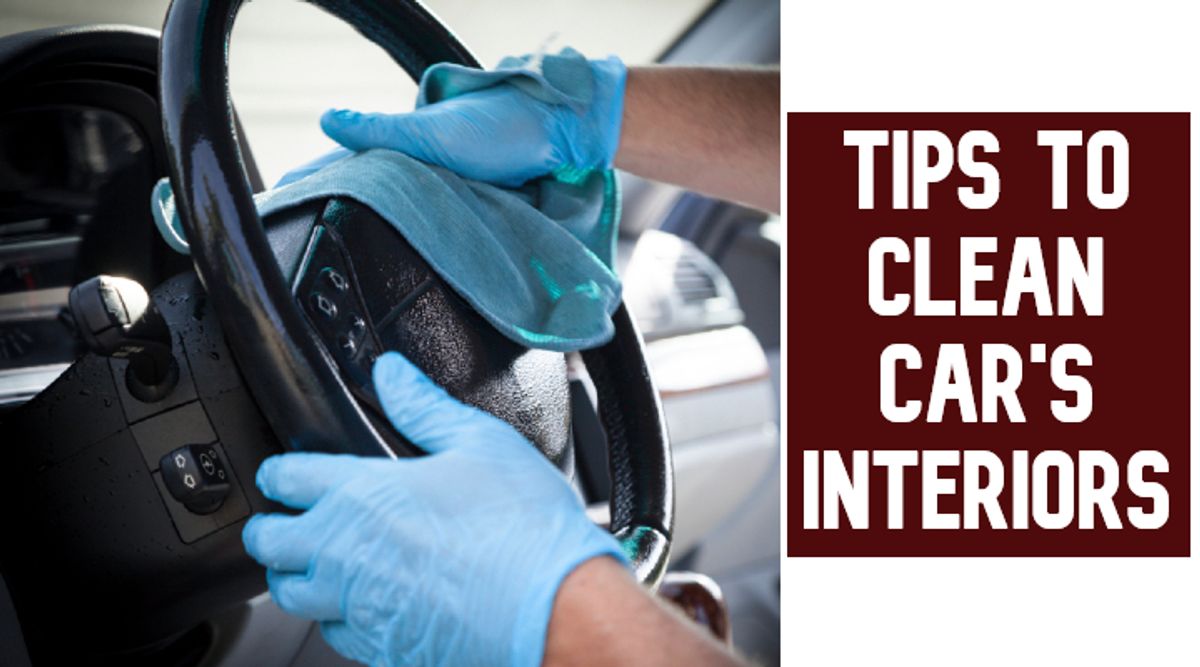
Wipe high-touch car surfaces once or twice a week, clean visible dirt as needed, and give the full interior a basic cleaning about once a month.
If you drive to work, take the kids to school, or spend hours on American highways, your car interior collects dirt every day. Your steering wheel, door handles, gear shifter, and center console get touched again and again. Food crumbs, dust, sweat, and fingerprints also build up during normal trips. Car cleaning wipes make it easy to remove much of this mess without setting aside time for a full detail.
A good cleaning routine does not mean wiping every surface every day. Frequent use of the wrong wipes can damage leather, leave marks on screens, or wear down some interior finishes. A better plan is to clean high-touch areas weekly, handle spills as soon as possible, and wipe the rest of the cabin when it needs attention. The right schedule depends on how often you drive, who rides with you, and which materials your car uses.
How Often Should You Clean a Car Interior With Wipes?
For most drivers, cleaning high-touch surfaces once or twice a week is a useful starting point. A quick wipe of the steering wheel, door handles, gear shifter, and center console helps control everyday dirt. You can clean the dashboard and other suitable surfaces every two to four weeks, or sooner when they look dusty.
There is no single cleaning schedule that fits every vehicle. Someone who drives alone for short trips may need less frequent cleaning than a parent who carries children, a rideshare driver, or someone who eats in the car. The amount of use matters more than the age or brand of the vehicle.
A monthly interior cleaning is a practical baseline for vacuuming and wiping suitable surfaces. However, that does not mean you should wait a month to clean a sticky steering wheel or remove a spilled drink. Deal with dirt and spills when they appear.
Source: m.media-amazon.com
Daily or after use
Remove fresh food spills, drink marks, mud, and other messes. You do not need to wipe the entire cabin every day.
Once or twice a week
Clean frequently touched hard surfaces, such as the steering wheel, gear shifter, door handles, and suitable console areas.
Every two to four weeks
Wipe the dashboard, door panels, cup holders, and other suitable interior surfaces. Adjust the timing based on visible dirt.
Once a month
Complete a basic interior cleanup. Vacuum the carpets and seats, remove loose debris, and clean suitable hard surfaces.
Is Weekly Interior Cleaning Enough?
Weekly cleaning is enough for many personal vehicles when the cabin gets normal use. It gives you a chance to remove fingerprints, dust, and light dirt before they build up. It also helps you spot sticky areas and small spills.
However, weekly cleaning may not be enough for a vehicle that carries many passengers. If you drive for rideshare services, transport pets, or take long family trips, you may need to wipe high-touch areas more often. Clean them after heavy use when needed.
Personal commuter car
A weekly wipe of high-touch surfaces and a monthly basic interior cleaning are often practical.
Family vehicle
Check the interior several times a week and clean spills and dirty handles as soon as possible.
Rideshare vehicle
Clean passenger touchpoints after busy periods or shifts, using products approved for each surface.
Which Car Interior Surfaces Need the Most Frequent Cleaning?
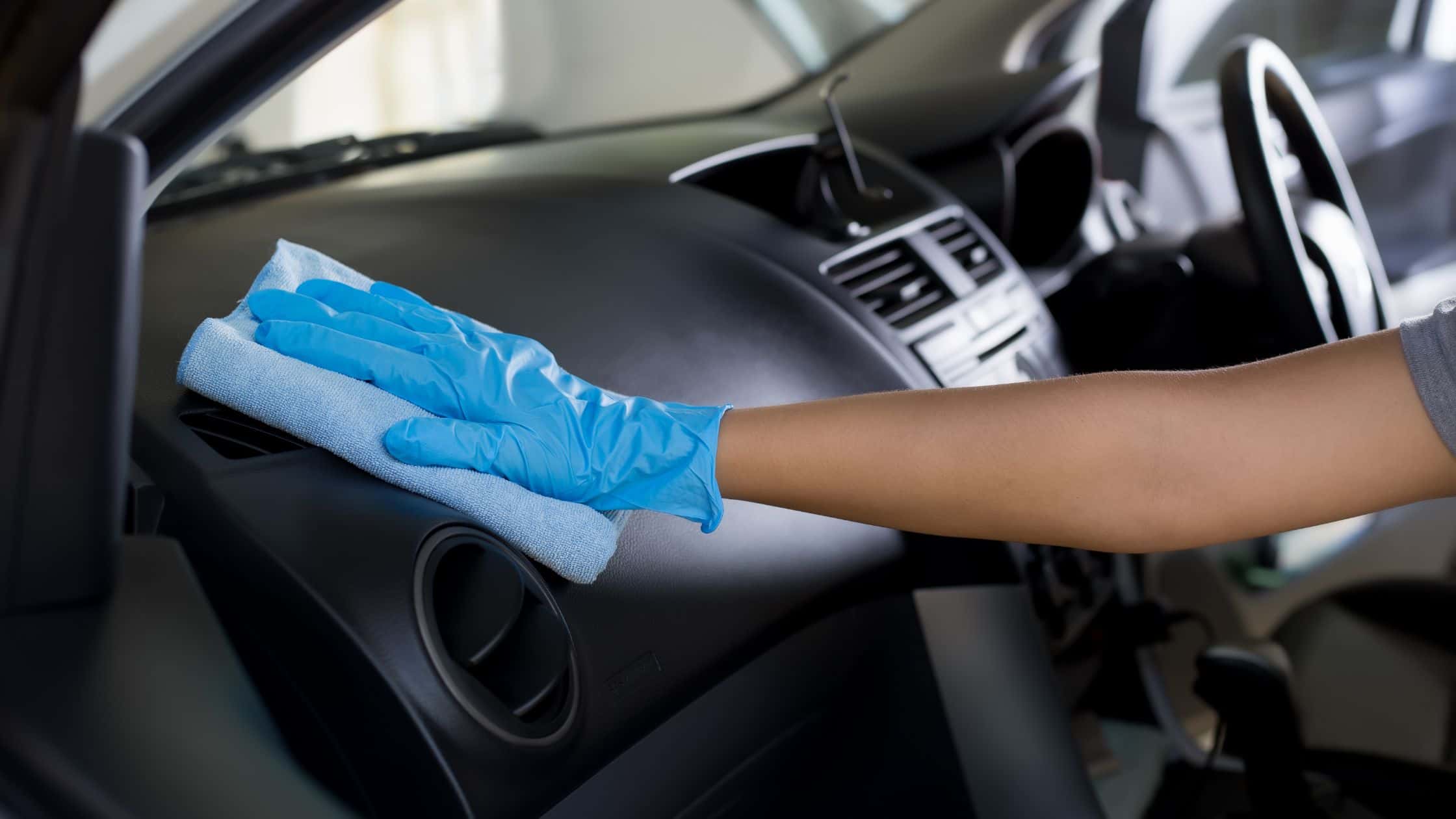
Focus on surfaces that your hands touch often. These areas collect skin oils, sweat, dust, and residue from everyday use. They also tend to show fingerprints and marks sooner than less-used parts of the cabin.
You do not need to treat every part of your car the same way. A steering wheel needs regular attention, while the headliner may only need spot cleaning when it becomes dirty. Use a wipe only when its label says it is suitable for that material.
The following schedule is a practical maintenance guide, not a manufacturer rule. Always check your owner’s manual before using a new cleaning product.
Source: m.media-amazon.com
Steering wheel
Clean about once or twice a week, or more often after heavy use. Use a product approved for the steering wheel material and avoid leaving a slippery film.
Gear shifter
Wipe weekly because hands touch it often. Pay attention to the edges and spaces where dirt can collect.
Door handles
Clean weekly and after especially dirty trips. These areas often collect fingerprints and hand residue.
Center console
Wipe weekly or when you notice dust, fingerprints, or drink residue. Use a dampened wipe rather than allowing liquid to collect around buttons.
Dashboard
Clean every two to four weeks, depending on dust and sunlight exposure. Use a dashboard-safe product that will not leave a distracting shine.
Cup holders
Check weekly and clean after spills. Sticky drink residue can attract more dust and crumbs.
Seat belts
Clean when visibly dirty, following the vehicle manufacturer’s instructions. Avoid soaking the belt or using unapproved chemicals.
Touchscreen
Clean only when needed with the method approved by the screen manufacturer. Do not assume ordinary car wipes are safe for electronic displays.
Why Should You Clean the Steering Wheel Regularly?
The steering wheel is one of the most frequently touched parts of your car. Your hands bring oils, sweat, dust, and residue from other surfaces onto it. Over time, this buildup can make the wheel feel greasy.
A weekly cleaning is a reasonable routine for normal driving. If you share your vehicle with other drivers, use it for work, or often drive after outdoor activities, clean it more often. Make sure the surface is fully dry before driving because a slippery wheel can affect your grip.
Use the right cleaner
Check whether the wheel is leather, coated leather, rubber, vinyl, or another material before choosing a wipe.
Avoid excess moisture
Keep liquid away from seams, buttons, and electronic controls.
Check the finish
Remove residue with a clean microfiber cloth if the product instructions allow it.
Should You Wipe the Dashboard Every Day?
No. Most drivers do not need to wipe the dashboard every day. A cleaning every two to four weeks is usually a sensible starting point, with extra attention when dust or fingerprints become visible.
Daily wiping can create unnecessary wear if you use a harsh product or an abrasive cloth. Some dashboards have textured finishes, soft-touch coatings, or special protective layers. Use a compatible cleaner and gentle pressure.
For light dust
Use a clean, soft microfiber cloth rather than a wet wipe every time.
For fingerprints
Use an interior-safe wipe and follow the product directions.
For stubborn marks
Choose a cleaner made for the exact dashboard material instead of scrubbing harder.
How Driving Habits Change Your Cleaning Schedule
Your driving habits can change how often you need to clean your car. A vehicle used for a short daily commute has different cleaning needs from one used for road trips, deliveries, or family outings. More passengers and more frequent use usually mean more dirt and contact with interior surfaces.
Think about what happens inside your car during a normal week. Do you eat lunch in the driver’s seat? Do your children leave crumbs in the back? Does your dog ride in the cargo area? These details help you create a schedule that works without wasting wipes.
Source: storage.coverinaclick.ie
Daily commuting
Wipe the steering wheel and other frequently touched surfaces weekly. Clean the dashboard and console every few weeks.
Family transportation
Check cup holders, door handles, seat edges, and other high-use areas several times a week. Remove food spills quickly.
Long road trips
Clean high-touch surfaces before and after the trip. Remove wrappers, crumbs, and drink residue during travel stops.
Rideshare and delivery work
Check the cabin after busy shifts. Clean commonly touched areas more often because more people may use the vehicle.
Pet transportation
Remove loose hair and dirt regularly. Use suitable cleaning methods for seats and fabric instead of relying on surface wipes.
Occasional driving
Check for dust and dirt before using the vehicle. Clean visible messes and inspect areas that may have collected moisture or debris.
How Often Should Families Clean a Car Interior?
Families often need a more flexible cleaning schedule. Children may bring snacks, drinks, toys, and outdoor dirt into the vehicle. A single spilled juice box can leave a sticky cup holder or seat before the next trip.
Check the cabin several times a week. Wipe suitable hard surfaces when they become dirty, remove crumbs from seats, and vacuum the floor when debris builds up. Do not wait for the monthly cleaning if a spill needs attention now.
After snack time
Remove crumbs and clean suitable hard surfaces with an appropriate product.
After outdoor activities
Remove mud and loose dirt before they spread through the cabin.
After illness
Clean appropriate high-touch surfaces and follow the directions on a suitable disinfecting product if disinfection is needed.
How Often Should Rideshare Drivers Use Interior Wipes?
Rideshare drivers may need to clean more often because passengers touch door handles, seat belts, armrests, and other areas. A quick inspection between busy periods can help identify visible dirt and spills.
Do not assume that wiping a surface once makes it disinfected. If you need to disinfect, use a product approved for the material and follow its full contact-time instructions. The surface may need to remain wet for a stated period to achieve the product’s labeled result.
Between busy shifts
Check passenger touchpoints and remove visible dirt.
After a spill
Clean the affected area promptly using a compatible product.
At the end of the day
Inspect the seats, handles, floor, and console. Vacuum or use material-specific cleaners where needed.
How to Clean Your Car Interior With Wipes Safely
A safe cleaning routine starts with the right wipe and a little preparation. Before cleaning, identify the surface material and check the product label. A wipe designed for plastic may not be suitable for leather, glass, fabric, or an electronic display.
You should also check your owner’s manual. Some vehicle makers restrict the use of alcohol, solvents, bleach, silicone, or other chemicals on certain interior parts. When the manual gives specific instructions, follow those instructions rather than relying on a general cleaning tip.
Source: vivatowels.com
Before you start
Gather compatible car interior wipes, a clean microfiber cloth, and a vacuum if you plan to clean the full cabin.
Check the label
Confirm that the wipes are suitable for the surface you plan to clean.
Test first
Try the product on a small, hidden area when the manufacturer recommends testing.
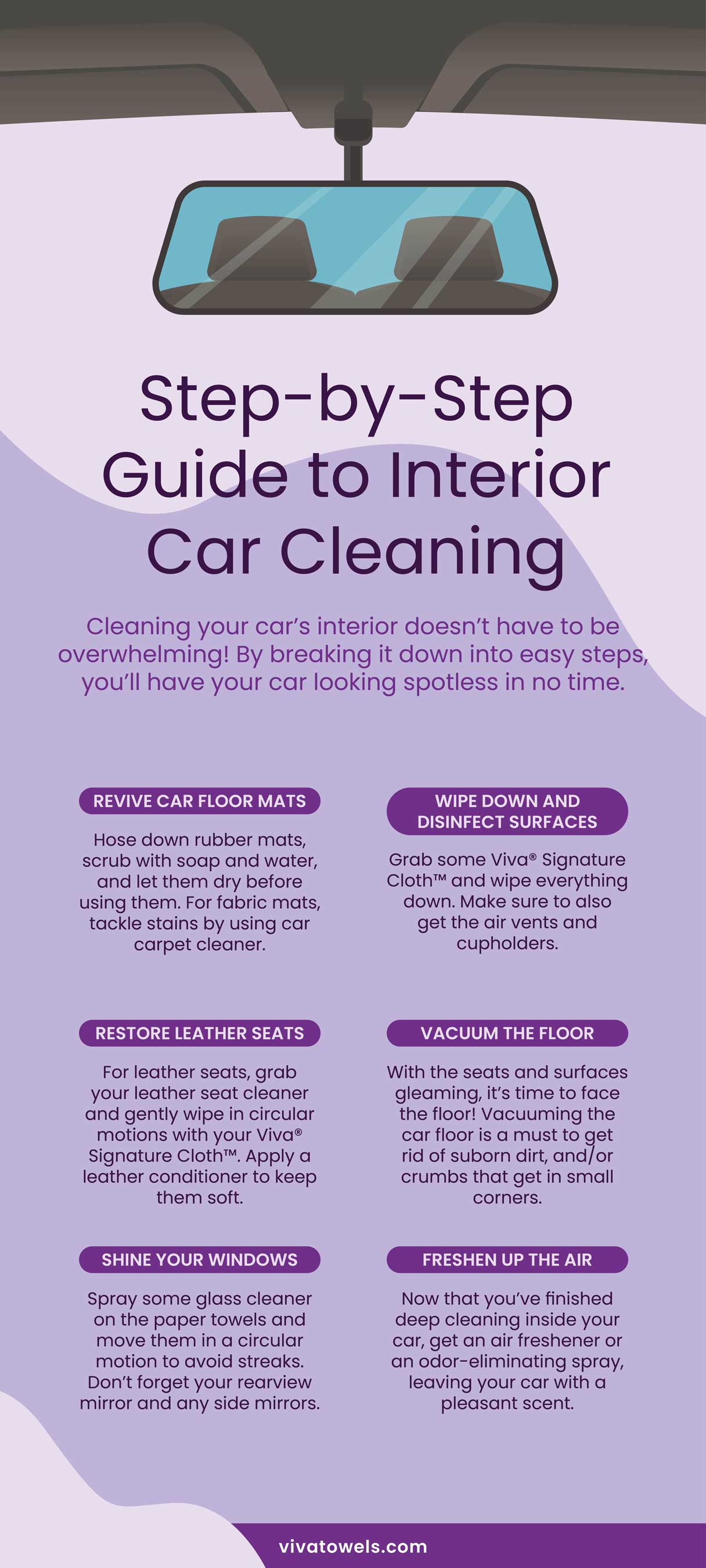
Step 1: Remove Loose Dirt and Debris
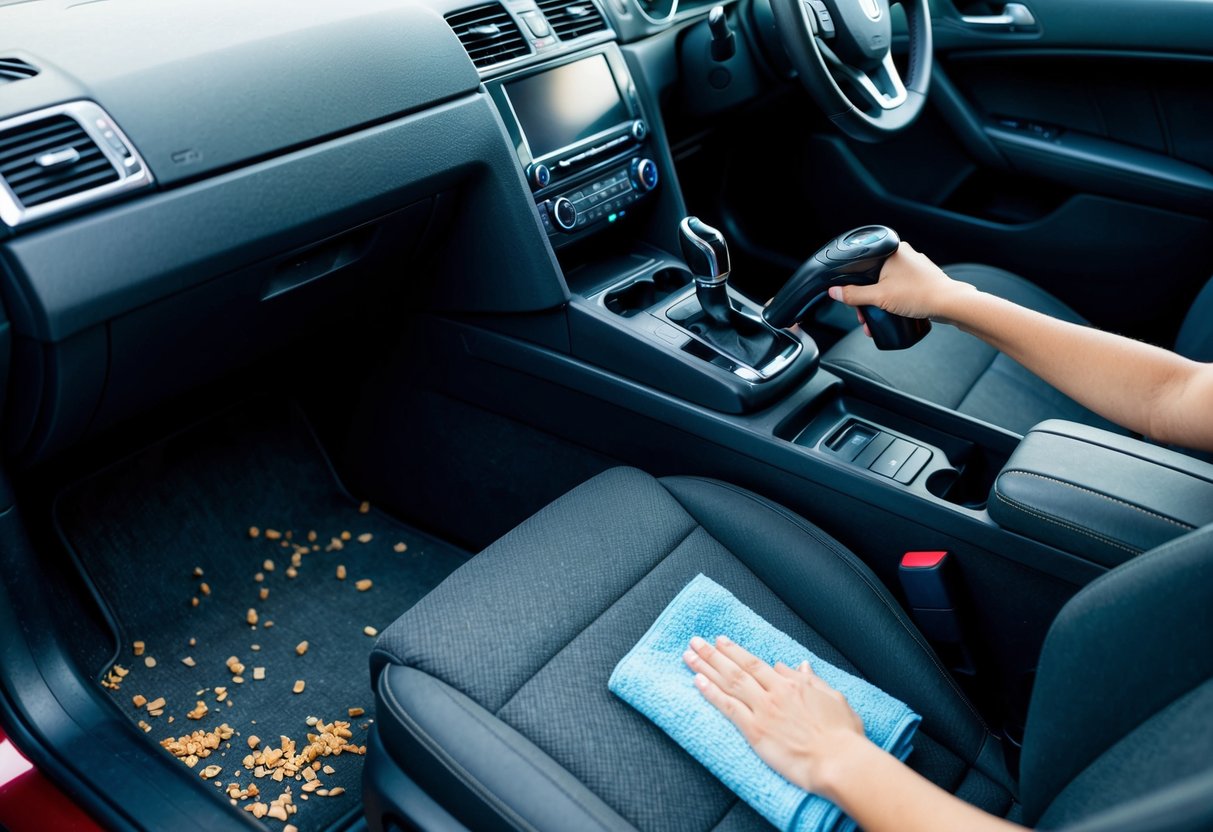
Start by removing loose dirt, crumbs, and dust. Shake out removable floor mats if appropriate and vacuum the seats and carpets. This step prevents you from spreading grit across the dashboard or other surfaces while wiping.
Use a soft brush or vacuum attachment for tight spaces. Avoid pushing dirt into seams, air vents, or small gaps around buttons.
Vacuum first
Remove loose particles from the seats, floor, and carpet.
Clear cup holders
Remove wrappers, crumbs, and other debris before wiping.
Step 2: Choose a Surface-Safe Wipe
Read the package before opening a wipe. Look for clear information about compatible materials, warnings, and directions for use. A product labeled for automotive interiors may still exclude leather, screens, or certain coated surfaces.
Avoid using household disinfecting wipes as a universal car cleaner. Some contain ingredients that may affect coatings, dyes, or finishes. If the label does not clearly approve a surface, choose a different cleaning method.
Plastic and vinyl
Use wipes specifically approved for automotive plastic or vinyl.
Leather
Use a leather-safe cleaner recommended for your seat or trim finish.
Electronic displays
Follow the display manufacturer’s cleaning instructions and use an approved soft cloth.
Step 3: Wipe From Cleaner Areas to Dirtier Areas
Start with the cleaner parts of the cabin and work toward areas with more visible dirt. Use light pressure and smooth movements. Avoid scrubbing textured plastic or delicate trim with a rough wipe.
Use a fresh wipe when the current one becomes dirty. A heavily soiled wipe can spread grease and debris rather than remove them. Do not push liquid into switches, seams, electrical controls, or vents.
Work in small sections
Clean one suitable surface at a time so the product does not dry unevenly.
Use gentle pressure
Let the cleaning product loosen the dirt instead of rubbing hard.
Change dirty wipes
Use a fresh wipe when the old one becomes loaded with grime.
Step 4: Remove Excess Product
Some interior wipes leave a thin film behind. If the product instructions allow it, use a clean microfiber cloth to remove excess residue. This can help reduce streaks and unwanted shine.
Pay special attention to the steering wheel, gear shifter, and other areas where a slippery finish may affect use. Allow cleaned surfaces to dry fully before driving.
Check for residue
Look for streaks, greasy marks, or wet patches.
Dry carefully
Use a clean microfiber cloth when the surface instructions permit it.
Step 5: Inspect the Interior
After cleaning, check the surfaces under normal light. They should look clean without greasy patches, streaks, or excess moisture. Buttons should move normally, and the steering wheel should feel dry rather than slippery.
If you notice a cloudy finish or sticky residue, stop using the product. Check the manufacturer’s instructions for a suitable way to remove the buildup. Do not add another chemical without confirming compatibility.
Look for streaks
Check dashboards, glossy trim, and other areas where residue may show.
Check the feel
Make sure frequently handled surfaces are dry and comfortable to touch.
Check for damage
Look for fading, discoloration, or changes in the surface finish.
Are Car Interior Wipes Safe for Every Surface?
No. Car interior wipes are not safe for every surface. The ingredients that work well on one material may damage another. This is why checking the product label and your owner’s manual matters more than choosing wipes based only on their cleaning strength.
Some car interiors contain several different materials. A single cabin may have textured plastic, coated leather, fabric, rubber, glass, and electronic displays. You may need more than one cleaning product to care for these parts properly.
Source: m.media-amazon.com
Plastic
Most automotive plastic surfaces can be cleaned with compatible interior wipes. Check the finish first, especially on soft-touch trim.
Vinyl
Use a vinyl-safe product. Avoid strong solvents and harsh chemicals that may affect the finish.
Leather
Use a suitable leather cleaner. Ordinary household wipes may remove protective oils or affect the surface coating.
Fabric
Use a fabric or upholstery cleaner. Surface wipes may spread dirt or leave moisture marks.
Touchscreens
Follow the screen maker’s instructions. Avoid ordinary household wipes unless they are specifically approved.
Glass
Use an automotive glass cleaner and a clean microfiber cloth to reduce streaks.
Can You Use Disinfecting Wipes on a Car Dashboard?
Only use disinfecting wipes on a dashboard if the product label and vehicle instructions permit them. Some disinfectants contain alcohol or other ingredients that may affect plastic coatings, soft-touch finishes, or decorative trim.
A general-purpose disinfecting wipe is not automatically an automotive interior cleaner. If you only need to remove ordinary dust and fingerprints, a compatible interior cleaner is often a better choice.
Keep moisture away from display edges, switches, and dashboard openings.
Respect contact time
If disinfection is required, follow the stated wet contact time. A quick pass may not achieve the labeled result.
Can You Use Car Wipes on a Touchscreen?
Do not use ordinary car interior wipes on a touchscreen unless the display manufacturer approves them. Some screens have protective coatings that can be affected by harsh chemicals, abrasive materials, or excess moisture.
Turn off the display if the manual recommends doing so. Use the approved microfiber cloth and cleaning method. Apply any permitted liquid to the cloth rather than spraying directly onto the screen.
Avoid household cleaners
Glass cleaners, bleach, and strong alcohol products may damage certain display coatings.
Use a soft cloth
Choose a clean microfiber cloth that will not scratch the screen.
Keep moisture controlled
Never allow liquid to enter the display edges or nearby controls.
Are Wipes Safe for Leather Car Seats?
Not all wipes are safe for leather. Some products may remove protective finishes or leave residue. Even leather seats with a coated surface can react differently to cleaners than other interior materials.
Choose a cleaner designed for the type of leather in your vehicle. Test a hidden area if the manufacturer recommends it, and avoid soaking the seat. For deep stains or damaged leather, a suitable leather-care product or professional service may be more appropriate.
Check the seat material
Find out whether the seat uses genuine leather, coated leather, synthetic leather, or vinyl.
Use light pressure
Do not scrub aggressively, especially on worn or cracked areas.
Avoid soaking
Use only the amount of cleaner recommended by the product maker.
Signs You Are Cleaning Your Car Interior Too Often
Frequent cleaning is not always better. Using wipes too often, especially the wrong type, can leave residue or affect some interior finishes. If your car looks worse after cleaning, the product or method may be the problem.
Pay attention to changes in the material. A dull dashboard, sticky steering wheel, or streaky console may mean that the cleaner is not suitable. Stop using it until you identify a safe way to clean the surface.
Source: koala.sh
Sticky surfaces
Excess cleaner or product residue may leave a tacky film.
Cloudy dashboard
The wipe may leave residue or react with the dashboard’s finish.
Faded appearance
An unsuitable chemical or repeated harsh cleaning may affect the surface coating.
Dry or rough leather
The product may not be suitable for the leather finish.
Strong chemical smell
The product may have a strong fragrance or require better ventilation during use.
Visible streaks
Too much product, a dirty wipe, or an incompatible formula may cause streaking.
What Should You Do if Wipes Leave a Sticky Film?
Stop using the wipes and check their label. The sticky feel may come from excess cleaning solution, added conditioners, or ingredients that do not suit the surface. Do not keep adding more wipes in an attempt to remove the film.
If the vehicle manufacturer permits it, use a clean microfiber cloth slightly dampened with water to remove light residue from a suitable hard surface. Dry the area afterward. If the problem remains, consult the vehicle care instructions or use a compatible cleaner.
Identify the product
Check the ingredients, intended surfaces, and directions.
Stop repeated wiping
Avoid further buildup while you determine the cause.
Use an approved removal method
Follow the vehicle manufacturer’s instructions for the affected material.
What if the Dashboard Looks Dull After Cleaning?
A dull finish can result from product residue, an unsuitable cleaner, or a change to the surface coating. First, check whether the wipe is designed for matte, textured, or soft-touch dashboards.
Avoid adding a shiny dressing to hide the problem. It may create more residue or glare. Use a suitable cleaning method recommended for your dashboard material.
Check the finish
Compare the product’s intended use with the dashboard material.
Avoid aggressive chemicals
Do not use bleach, strong solvents, or unapproved polishing products.
Seek help for damage
Ask an automotive interior specialist if the surface coating appears damaged.
Car Cleaning Wipes vs. Microfiber Cloths: Which Should You Use?
Car cleaning wipes are convenient for quick jobs, while microfiber cloths are useful for dusting, drying, and removing residue. Neither tool replaces every other cleaning method. The best choice depends on the type of dirt and the surface you are cleaning.
A wipe already contains cleaning solution, so it can save time when you need to clean a suitable hard surface. A microfiber cloth gives you more control over moisture and can often be washed and reused. Keeping both in your car-care supplies makes routine cleaning easier.
Source: hips.hearstapps.com
Choose wipes for convenience
Use compatible automotive wipes for quick cleaning of suitable plastic or vinyl surfaces.
Choose microfiber for dust
A dry microfiber cloth can remove loose dust without adding cleaning chemicals.
Choose microfiber for drying
Use a clean cloth to remove excess moisture when the product instructions allow it.
Choose upholstery cleaner for fabric
Use a product designed for fabric seats and carpets instead of relying on surface wipes.
Do You Need to Use a New Wipe for Every Surface?
You do not always need a new wipe for every small area, but you should replace it when it becomes dirty or loses its cleaning ability. Using one heavily soiled wipe across the whole cabin can spread grease and debris.
For a vehicle shared by several people, use a fresh wipe for important cleaning tasks and follow the product directions. If you are cleaning more than one vehicle, avoid transferring a dirty wipe from one cabin to another.
Use a fresh wipe for heavy dirt
Do not spread thick grime from one area to another.
Separate delicate surfaces
Use the correct cleaning tool for screens, glass, leather, and other materials.
Dispose of used wipes correctly
Follow the package instructions and never flush disposable wipes down a toilet.
Are Reusable Microfiber Cloths More Economical?
Reusable microfiber cloths can reduce the need to buy disposable wipes for routine dusting and drying. You can wash them according to their care instructions and use them again. They are also useful when you want to control how much liquid touches a surface.
However, microfiber cloths still need proper care. Wash them separately from lint-producing fabrics when possible, avoid fabric softener if the cloth maker advises against it, and let them dry fully before storage. Keep separate cloths for dirty exterior work and delicate interior surfaces.
Wash regularly
Remove trapped dirt and cleaning residue before using the cloth again.
Store clean and dry
Keep cloths in a clean place to prevent dust and dirt from collecting on them.
Replace worn cloths
Discard cloths that become rough, damaged, or unable to clean properly.
A Simple Weekly and Monthly Car Interior Cleaning Schedule
A simple schedule helps you keep the cabin clean without using too many wipes. Instead of cleaning every surface whenever you have free time, divide the work into small tasks. This approach also helps you notice when an area needs extra attention.
The schedule below is a suggested routine for a personal vehicle with normal use. It is not a strict rule. Adjust it for passengers, pets, weather, work use, and the condition of your car.
Source: cleanzen.com
Every day
Remove food wrappers, fresh spills, and visible dirt. Check for anything that could affect safe driving.
Once or twice a week
Wipe suitable high-touch surfaces, including the steering wheel, door handles, gear shifter, and center console.
Every two weeks
Inspect the dashboard, cup holders, door panels, and other areas that collect dust or fingerprints.
Every month
Vacuum the cabin, clean suitable hard surfaces, inspect the seats, and remove accumulated debris.
When needed
Treat spills, stains, pet messes, and visible dirt promptly with cleaners made for the affected material.
How Many Car Cleaning Wipes Do You Need Each Week?
There is no fixed number of wipes for every vehicle. The amount depends on cabin size, dirt level, the number of surfaces being cleaned, and how much solution each wipe contains.
For a small car with light dirt, a few wipes may be enough for a quick weekly cleanup. A large SUV or family vehicle may need more. Do not use extra wipes simply to make the cabin look freshly treated.
Small personal car
Use only enough wipes to clean the suitable high-touch areas without leaving residue.
Large family vehicle
Allow for more wipes when several rows of seats and multiple door handles need attention.
Heavily used vehicle
Keep extra wipes available for spills and visible dirt, but use suitable cleaners for deep cleaning.
How Can You Tell When Your Car Needs Cleaning?
Your car will often show clear signs when it needs attention. Dust on the dashboard, sticky cup holders, fingerprints on the console, and a greasy-feeling steering wheel are common signs.
Smell can also signal a problem, but wipes may not solve the cause. A musty odor may come from damp carpets, a wet floor mat, or a dirty cabin air filter. Find and fix the source rather than covering it with fragrance.
Visible dust
Clean suitable hard surfaces with a compatible cloth or wipe.
Sticky controls
Remove residue carefully without allowing liquid into buttons or switches.
Food crumbs
Vacuum seats and carpets rather than trying to pick up everything with wet wipes.
Unpleasant odors
Look for moisture, spills, trapped food, or other sources before using an odor product.
Common Mistakes to Avoid When Cleaning a Car Interior
A quick cleaning job can cause problems if you use the wrong product or rush through the process. Even wipes made for cars have limits. Reading the instructions and checking the surface first can prevent many common mistakes.
Remember that cleaning should improve the cabin without changing its finish or making it unsafe to use. A clean steering wheel should provide a secure grip, and a clean display should remain clear and easy to read.
Source: images.91wheels.com
Using household wipes everywhere
Household wipes may contain ingredients that are unsuitable for automotive coatings, leather, or electronic displays.
Cleaning every day without a reason
Unnecessary wiping increases product use and may create residue or wear when the wrong cleaner is used.
Spraying liquid directly on electronics
Liquid can enter openings and damage electronic parts. Apply an approved product to a cloth when the instructions allow it.
Mixing cleaning chemicals
Never mix cleaning products. Chemical combinations may create harmful fumes or damage interior materials.
Ignoring product contact time
A disinfectant may need to stay wet for a stated period. Wiping it away too soon may prevent the claimed disinfection result.
Using dirty wipes
A dirty wipe can spread grease, dust, and residue across clean areas.
Leaving the steering wheel wet
Excess moisture or a slippery product film can affect your grip. Let the surface dry before driving.
Using wipes on fabric stains
Wet wipes may spread a stain or leave marks on upholstery. Use a suitable fabric cleaner instead.
Should You Disinfect Your Car Interior Every Week?
No. Routine cleaning and disinfection are not the same thing. Cleaning removes dirt and many germs, while disinfection uses products designed to kill specified germs when used according to their labels.
For normal personal use, regular cleaning is generally enough. You may have a reason to disinfect after someone who is sick has used the vehicle or when a specific health concern requires it. Choose an appropriate product and check that it is safe for the vehicle material.
Never assume that a wipe labeled as a cleaning wipe is also a disinfectant. Look for the relevant claim on the product label and follow the full directions.
Routine maintenance
Use suitable cleaners to remove everyday dust, fingerprints, and dirt.
When someone is sick
Consider an appropriate disinfectant for compatible surfaces and follow the product label.
For delicate materials
Check the vehicle manual and product instructions before using disinfectants.
Frequently Asked Questions
Q
Can I clean my car interior with wipes every day?
You can clean a suitable surface every day when it becomes dirty, but you usually do not need to wipe the entire interior daily. Frequent use of unsuitable wipes may leave residue or affect certain finishes. Use a compatible product and focus on areas that actually need cleaning.
Q
How often should I wipe my car steering wheel?
Once or twice a week is a reasonable starting point for normal driving. Clean it more often if several people share the vehicle or it gets heavy use. Use a product approved for the steering wheel material and make sure it is dry before driving.
Q
Can car cleaning wipes damage the dashboard?
Yes, some wipes can damage or affect certain dashboard finishes. Strong chemicals, unsuitable solvents, and repeated use of incompatible products may cause discoloration, dullness, or residue. Check your owner’s manual and choose a dashboard-safe cleaner.
Q
Are baby wipes safe for cleaning a car interior?
Baby wipes are not designed for every automotive surface. They may remove light dirt from some compatible hard surfaces, but they can leave residue and may not clean grease effectively. Avoid using them on leather, touchscreens, or delicate trim unless the relevant manufacturer approves them.
Q
Do car interior wipes kill bacteria and viruses?
Ordinary cleaning wipes are not necessarily disinfectants. Some remove dirt and germs without claiming to kill specific bacteria or viruses. If you need disinfection, choose an appropriate labeled disinfectant and follow its directions, including the required wet contact time.
Q
Should I vacuum my car before using interior wipes?
Yes, vacuuming first is helpful when you are doing a full interior cleaning. It removes crumbs, loose dirt, and dust before you wipe hard surfaces. This reduces the chance of spreading debris across the cabin.
Q
How often should I deep clean my car interior?
A deep cleaning every three to six months can be a useful starting point for a normally used personal vehicle. However, the right timing depends on passengers, pets, spills, and driving conditions. Vehicles with heavy daily use may need deep cleaning more often.
Q
Can I use the same car wipe on the dashboard and steering wheel?
You can use the same type of wipe on both only if its label approves both materials. Check whether the dashboard and steering wheel have different finishes. Use a fresh wipe if the first one becomes dirty, and remove any residue according to the product instructions.
Q
Do I need special wipes for leather car seats?
Yes, using a cleaner designed for your leather type is the safer approach. Ordinary multipurpose wipes may affect the protective finish or leave unwanted residue. Check your vehicle manual and the leather care instructions before cleaning.
Q
What is the best time to clean a car interior?
Choose a cool, shaded place when the interior surfaces are not hot. Direct sunlight and high surface temperatures can cause cleaning products to dry too quickly and leave streaks. Allow enough time for cleaned areas to dry before driving.
✦ Wrapping Up
Conclusion
For most drivers, wiping high-touch car surfaces once or twice a week is a good routine. Clean the steering wheel, door handles, gear shifter, and suitable console areas more often when they become dirty. Give the dashboard and other suitable hard surfaces a basic cleaning every two to four weeks, with a fuller interior cleanup about once a month.
The most important part is choosing the right wipe for each surface. A product that works on plastic may not be safe for leather or an electronic display. Always check your owner’s manual, follow the product label, and avoid excess moisture around buttons and electrical parts.
You do not need to use a large number of wipes to keep your car clean. A simple routine, quick attention to spills, and regular vacuuming can help keep the cabin comfortable and neat. Adjust the schedule to match your driving habits instead of following an unnecessary daily cleaning routine.
💡 Key Takeaway
Start with a weekly wipe of your steering wheel, gear shifter, door handles, and suitable console surfaces. Clean visible spills right away, vacuum monthly, and use only products approved for your car’s interior materials.