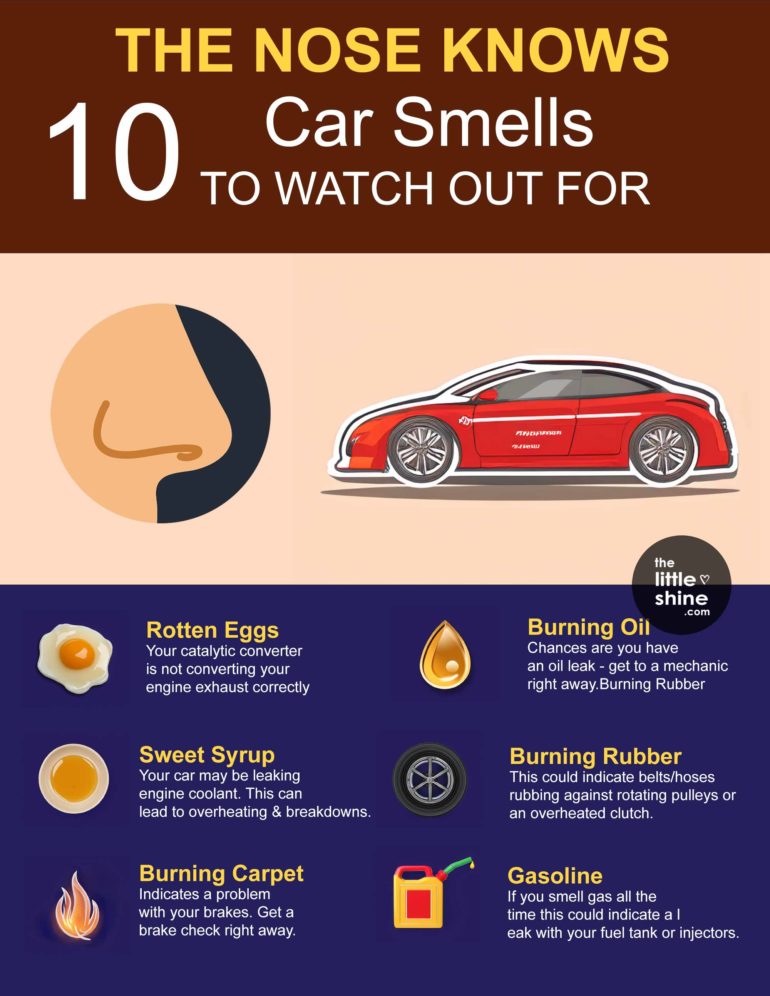
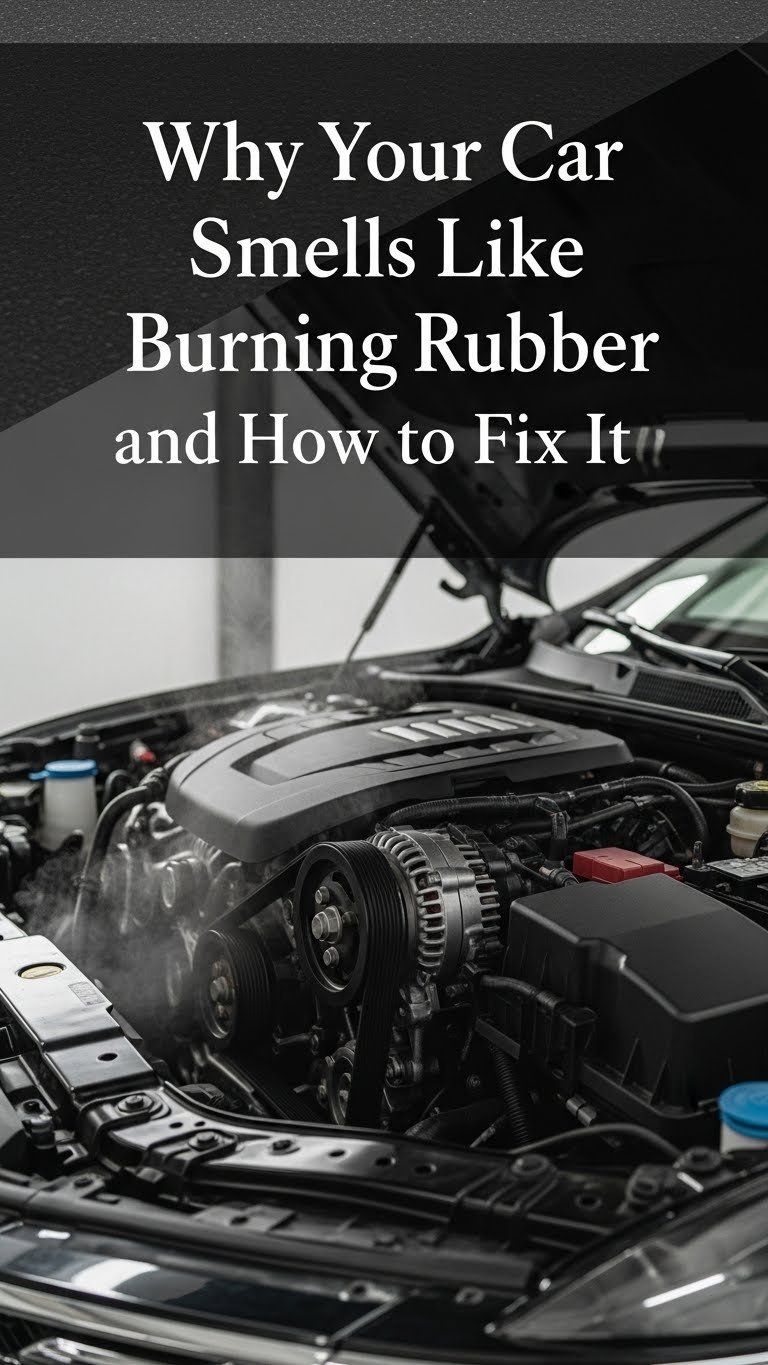
A syrup-like smell in your car often points to leaking engine coolant. A damaged hose, radiator, water pump, or heater core may be the cause. Stop driving if the engine overheats or steam appears, and never open a hot cooling system.
On American roads, from busy city streets to long interstate drives, a sweet smell inside or around your car is a warning worth checking. It may remind you of maple syrup or warm pancakes, but the source could be engine coolant, also called antifreeze. When coolant escapes from a hot engine or a heating system, its sweet odor can drift through the cabin or rise from under the hood.
The smell alone cannot prove that your car has a leak. A spilled sweet drink, old food, or another source may create a similar odor. Still, a coolant leak deserves prompt attention because low coolant can cause an engine to overheat and suffer serious damage. You can start with a few safe checks, learn which signs matter most, and decide whether your car needs a tow or a repair shop visit.
The most common mechanical reason for a syrup-like smell is engine coolant leaking from a part of the cooling system. Coolant helps control engine heat and also supplies heat to the passenger cabin in many gas-powered cars. Many coolant formulas contain glycol compounds that can produce a sweet odor.
When coolant escapes, it may drip onto a hot engine part and give off a stronger smell as it heats up. A leak may also release vapor into the air around the car. If the source is inside the dashboard, the odor can enter through the heating and ventilation system.
The color of the fluid can offer a clue, but it is not a sure test. Coolant may be green, orange, pink, red, yellow, blue, or another color, depending on the formula. Some fluids can look alike, so use the vehicle manual and the location of the leak to help identify it.
A sweet odor does not always mean the engine is in immediate danger. However, you should not ignore it just because the temperature gauge looks normal. A small leak can grow, and the system may lose coolant before the gauge shows a problem.
Source: carxplorer.com
Sweet smell under the hood
A leak from a radiator, hose, water pump, or another engine cooling part may be releasing coolant near hot surfaces.
Sweet smell from the vents
A leaking heater core or heater hose may allow coolant odor to enter the passenger cabin.
Sweet smell from the exhaust
Persistent white exhaust vapor after the engine is warm, especially with coolant loss, may point to coolant entering the combustion chamber.
Sweet smell after parking
Residual engine heat may make a small leak easier to smell after the engine is turned off.
Is the Smell Definitely Antifreeze?
No. A sweet odor is a useful clue, not a diagnosis. A spilled soda, flavored coffee, syrup, or food residue can create a sweet smell inside a car. Check for a recent spill before assuming the cooling system has failed.
The difference often comes down to the pattern. A spill may smell strongest near a seat, cup holder, or carpet. Coolant may smell stronger after a drive, near the engine bay, or when the heater is on. If you cannot identify the source, treat a persistent odor as a possible mechanical problem until it is checked.
Look for a simple source
Check cup holders, floor mats, seat seams, and storage areas for spilled drinks or food.
Check for other warning signs
A coolant smell combined with low coolant, damp carpet, steam, or rising engine temperature calls for prompt mechanical attention.
Common Causes of a Syrup-Like Car Smell
Several cooling system parts can leak coolant, and the location of the odor may help narrow the search. The radiator and hoses are common places to inspect, while a heater core can cause an odor inside the cabin. More serious engine faults can also let coolant escape or enter places where it should not be.
Do not replace a part based on smell alone. A proper diagnosis may require a cooling system pressure test, a close inspection, or other tests suited to the vehicle. The following causes explain what a mechanic may check.
Source: psychoautos.com
Leaking radiator
A damaged radiator, corroded section, cracked plastic tank, or failed seal may allow coolant to escape. Look for wet areas or dried residue near the radiator, but only inspect it when the engine is fully cool.
Cracked or worn coolant hoses
Rubber hoses can age, soften, crack, or loosen at their connections. A small leak may become more noticeable when the cooling system heats up and builds pressure.
Failing water pump
The water pump circulates coolant through the engine. A worn seal or damaged pump may leak fluid, sometimes leaving wet marks or dried deposits near the pump area.
Leaking thermostat housing
The thermostat controls coolant flow as the engine warms up. A damaged housing or gasket can leak coolant and create a sweet odor near the engine.
Faulty heater core
The heater core acts like a small radiator inside the cabin. A leak may cause a sweet smell from the vents, fog on the inside of the windshield, or damp carpet near the front footwells.
Head gasket or internal engine leak
A failed head gasket or another internal fault may allow coolant into a cylinder or engine oil passage. Coolant loss, persistent white exhaust vapor after warm-up, rough running, or unusual oil appearance may occur, but no single sign proves the fault.
Why a Heater Core Leak Can Be Hard to Find
The heater core sits behind the dashboard in many vehicles, so you may not see the leak from outside. Instead, you may notice a sweet odor when you turn on the heat or defroster. The inside of the windshield may develop an unusual film or fog, and the front carpet may feel damp.
Do not assume every foggy windshield means a heater core leak. Normal cabin moisture can fog glass, too. But if the fog returns with a sweet smell or coolant loss, arrange an inspection and avoid breathing fumes from a suspected leak.
Check the front carpet
With the car parked and cool, look for unusual dampness around the front footwells.
Notice when the odor starts
A smell that becomes stronger when the heater or defroster runs may help a mechanic locate the fault.
Can Old Coolant Cause the Smell?
Coolant can age and lose some of its protective properties, but an old-fluid smell alone does not establish the cause. A sweet odor is more useful as a reason to check for a leak than as a way to judge coolant age.
Follow the maintenance schedule and coolant specification in the owner’s manual. If the fluid is overdue for service, contaminated, or repeatedly low, have the system checked rather than relying on a fresh refill to solve the odor.
Follow the correct service interval
Use the interval and fluid type specified for your exact vehicle.
Investigate repeated fluid loss
Coolant should not need frequent refills in a properly sealed system. Repeated loss calls for a leak check.
What to Do First When Your Car Smells Like Syrup
Start with safety, not with a repair attempt. If you see steam, the temperature warning is on, the gauge is climbing, or the engine is running poorly, pull over somewhere safe and turn off the engine. Do not keep driving to see whether the smell goes away.
If there are no signs of overheating, you can make a basic visual check after parking in a safe place. Keep clear of traffic, hot parts, fans, and moving belts. Do not crawl under a car supported only by a jack, and do not touch or taste any unknown fluid.
Source: thelittleshine.com
Step 1: Park safely
Choose a safe place away from moving traffic. Turn off the engine if you suspect overheating or a coolant leak.
Step 2: Watch for danger signs
Look for a temperature warning, rising gauge, steam, a large puddle, or loss of engine power. If any appear, do not continue the trip.
Step 3: Let the engine cool
Wait until the engine and cooling system are fully cool before checking the coolant reservoir or inspecting visible parts.
Step 4: Look under the parked car
Check from a safe position for fresh fluid or colored residue. Clear, odorless water may be normal air-conditioning condensation, but appearance alone cannot identify every fluid.
Step 5: Check the coolant reservoir
When the engine is cold, compare the coolant level with the marks on the reservoir. If it is below the minimum mark or empty, do not assume the car is safe to drive.
Step 6: Arrange diagnosis
Contact a repair shop or roadside service if you find a leak, the level is low, or the smell persists without a clear cause.
How to Check Coolant Safely
Use the owner’s manual to find the coolant reservoir and learn how its level marks work. On many vehicles, the reservoir is a translucent plastic tank with minimum and maximum lines. Check the level only when the engine is cool, because a hot cooling system can be under pressure.
Never remove a radiator cap or a pressurized reservoir cap while the engine is hot. Hot coolant and steam can escape with enough force to cause serious burns. If you cannot tell whether the system is cool or cannot identify the right reservoir, leave the check to a trained technician.
Use the specified coolant
Different vehicles require different coolant formulas. Check the owner’s manual or vehicle-specific service information before adding fluid.
Do not mix fluids at random
Coolant color is not a reliable guide to compatibility. Do not combine formulas unless the vehicle manufacturer confirms they can be mixed.
Avoid repeated top-ups as a fix
Adding coolant may restore the level temporarily, but it will not repair a leaking hose, radiator, pump, or heater core.
When Is It Safe to Drive, and When Should You Stop?
A syrup-like smell should prompt a check, even if the engine seems to run normally. Whether the car can move safely depends on the coolant level, temperature, leak rate, and other symptoms. There is no universal safe distance for driving with a suspected coolant leak.
If the engine overheats, the coolant warning appears, steam comes from under the hood, or the reservoir is empty, stop driving and arrange a tow. Continuing may turn a repairable cooling system fault into severe engine damage. If you smell coolant inside the cabin and feel unwell, leave the vehicle, get fresh air, and seek help if symptoms persist.
If the smell is faint, the engine temperature is normal, and the coolant level is correct, that still does not rule out a small leak. Call a repair shop for advice before driving, especially if the smell returns after each trip. A mechanic can help decide whether a short drive is reasonable or towing is the safer choice.
Source: psychoautos.com
Stop and request a tow
Do this if the temperature rises, a warning light appears, steam escapes, coolant loss is substantial, or the engine runs abnormally.
Get prompt professional advice
Arrange an inspection for a persistent sweet smell, a low coolant level, visible wetness, or repeated odor from the vents.
Avoid relying on the temperature gauge alone
A gauge that looks normal does not prove there is enough coolant or that the system is leak-free.
What If You Are Driving on an Interstate?
If the smell appears while driving on an interstate or busy highway, do not stop in a live lane just to inspect the car. Reduce speed as appropriate, signal, and move to a safe shoulder or exit if the vehicle can still be controlled safely. Turn off the engine once parked if overheating or a leak is suspected.
If the car loses power, steam blocks your view, or you cannot reach a safe place, follow local emergency procedures and call for help. Keep yourself and passengers away from traffic, and do not stand behind or beside the car in an exposed lane.
Prioritize a safe stop
Choose a safe location before inspecting the car. Roadside safety matters more than finding the leak yourself.
Do not open a hot cooling system
Wait for a full cool-down and follow the vehicle manual, or leave the inspection to roadside assistance.
How a Mechanic Finds the Source of the Smell
A mechanic will usually begin by checking the coolant level, looking for visible leaks, and reviewing when the smell occurs. The technician may inspect hoses, clamps, the radiator, the water pump, the thermostat housing, and nearby engine parts. If the odor is inside the cabin, the heater core and heater hoses may need closer attention.
A cooling system pressure test can help reveal leaks that are hard to see during a normal visual check. The test applies controlled pressure according to the vehicle’s specifications while the technician looks for signs of escaping coolant. Some leaks appear only under certain temperature or operating conditions, so a single test may not find every fault.
If the coolant level keeps falling but no external leak appears, the technician may check for internal engine leakage. Depending on the symptoms, this can involve a combustion-gas test, a cylinder leak-down test, or other diagnostic steps. These tests help separate a head gasket problem from an external leak or another cause.
The best repair depends on the confirmed source. A loose connection may need correction, while a cracked hose, radiator, water pump, or heater core may require replacement. A major internal engine fault needs further diagnosis before anyone can estimate the repair accurately.
Source: carxplorer.com
Share the timing of the smell
Tell the technician whether it occurs at startup, after a long drive, with the heater on, or after the car is parked.
Report fluid loss
Mention how often you add coolant and whether the level drops after the car sits overnight.
Describe dashboard warnings
Report any temperature warning, fluctuating gauge, rough running, or change in cabin heat.
Ask what the test confirmed
Request the identified leak source and the reason for the proposed repair rather than approving parts based on smell alone.
What If There Is No Visible Leak?
A clean driveway does not rule out a coolant problem. A small amount of coolant may evaporate on a hot surface, leak only when the system is pressurized, or escape into the cabin. A vehicle may also lose coolant internally without leaving a puddle beneath it.
Do not keep topping up the system and waiting for the problem to become obvious. If the odor continues, request a cooling system inspection and explain that the leak is not visible. That gives the technician a useful starting point and reduces guesswork.
Request a pressure test
A technician can test the system under controlled conditions to help identify an external leak.
Check cabin symptoms
A sweet smell from the vents, foggy glass, or damp front carpet may point toward the heater core.
Investigate ongoing coolant loss
If external checks fail, ask whether internal leakage tests are appropriate for your vehicle’s symptoms.
Common Mistakes to Avoid
A sweet odor can seem harmless because it resembles food, but using smell alone to judge a car’s condition is risky. A few simple mistakes can also make a coolant leak more dangerous or lead to the wrong repair. Focus on safe checks and a clear diagnosis instead of quick fixes.
The cooling system works under heat and pressure. Even a small leak can become worse during a long trip, in heavy traffic, or on a hot day. Take warning signs seriously and follow the vehicle manufacturer’s instructions.
Source: carxplorer.com
Opening the radiator cap while hot
Hot coolant can spray out and cause severe burns. Wait until the engine is fully cool and follow the owner’s manual.
Ignoring a normal-looking temperature gauge
A normal reading does not guarantee that coolant is at the right level or that the system is healthy.
Choosing coolant by color
Colors vary between products and do not prove that two coolant formulas are compatible. Use the specified type.
Some sealants may not suit a particular cooling system and may complicate later repairs. Ask a qualified technician before using one.
Cleaning the smell without finding its source
Air fresheners and interior cleaners cannot repair a coolant leak. Clean spills only after ruling out a mechanical source.
Continuing a long trip with a suspected leak
Distance and traffic can increase the risk of overheating. Seek professional advice instead of assuming the car will make it.
Is Coolant Dangerous to Touch or Smell?
Coolant should be handled with care. Many antifreeze products contain ethylene glycol, which is toxic if swallowed. Keep coolant away from children and pets, avoid skin and eye contact, and clean up spills using the product label’s instructions.
Do not deliberately sniff a leak at close range or breathe visible vapor. If coolant enters your eyes or is swallowed, follow the product’s first-aid instructions and contact an appropriate poison-control service or medical professional promptly. In the United States, Poison Control can be reached at 1-800-222-1222.
Used coolant and contaminated cleanup materials should be kept secure and disposed of according to local rules. Never pour coolant onto the ground, into a storm drain, or into household plumbing.
Protect people and pets
Keep them away from leaks and puddles, and store coolant in a closed, clearly labeled container.
Clean spills with care
Follow the product label and local disposal rules. Do not leave a sweet-smelling puddle where a child or animal could reach it.
How to Tell a Coolant Leak From Other Car Smells
Different car odors can overlap, so combine the smell with other clues rather than relying on one detail. Coolant may leave colored residue and has a sweet odor, while engine oil often smells burnt when it reaches a hot surface. Fuel, electrical, and exhaust odors require different responses.
The table below is a first step for sorting the symptoms. It cannot identify the exact fluid in every vehicle, and it should not replace an inspection when a leak or safety issue is suspected.
Source: psychoautos.com
Sweet smell with colored fluid
Coolant is a possibility, especially if the level drops or the engine temperature rises.
Sweet smell with foggy windows
A heater core leak may be the source, particularly when the odor is stronger with the heat or defroster running.
Burning oil smell
Oil may be leaking onto a hot engine or exhaust part. Arrange an inspection, especially if oil levels drop or smoke appears.
Gasoline smell
A fuel leak can create a fire hazard. Stop in a safe place, turn off the engine, avoid flames or sparks, and seek immediate assistance.
Burning electrical or plastic smell
An overheated electrical part or damaged wiring may be involved. Stop driving if the smell is strong or accompanied by smoke.
Does Clear Water Under the Car Mean a Coolant Leak?
Not always. Water dripping beneath a car after the air conditioner runs is often normal condensation from the air-conditioning system. This water is usually clear and has little or no odor.
Coolant can have a range of colors and may leave a slick-looking wet patch or dried residue. However, age, dirt, and lighting can change how a leak looks. If the fluid is unknown, do not touch or taste it to identify it; arrange an inspection if you suspect a leak.
Observe where the fluid appears
The location can help a technician narrow the possible source, but fluid can travel along panels and drip away from the original leak.
Check for repeat signs
A recurring sweet odor, falling coolant level, or rising temperature makes a cooling system fault more likely.
What Happens If You Ignore a Syrup-Like Smell?
Ignoring a coolant smell can allow a small leak to become a larger problem. As the coolant level falls, the engine may no longer shed heat as it should. Continued overheating can damage engine parts and may lead to a repair that costs far more than fixing the original leak.
A hidden heater core leak can also damage cabin materials and leave an unpleasant odor that is difficult to remove. If coolant reaches the engine oil or enters the combustion chamber, the repair may involve more than an external hose or seal. The actual outcome depends on the fault and how long the vehicle has been driven with it.
There is no reliable way to predict the repair cost from the smell alone. A hose, radiator, water pump, heater core, and head gasket involve different parts and labor. Ask the shop to identify the failed component and explain whether the system needs additional tests before you approve work.
Source: carxplorer.com
Possible overheating damage
Low coolant can cause engine temperatures to rise, increasing the risk of serious mechanical damage.
Possible cabin damage
A heater core leak can wet carpet or padding and leave residue and odor inside the vehicle.
Possible worsening leak
A worn hose or seal may deteriorate further, causing more coolant loss and a greater chance of being stranded.
How Can You Help Prevent the Smell From Returning?
Preventive care starts with routine cooling system checks and timely repairs. Follow the service schedule for your make and model, use the correct coolant, and address a low level rather than treating it as normal. If a repair has been completed, ask the shop to confirm the leak is fixed and the system has been filled and bled as required.
After service, watch for the return of the odor, new wet spots, or temperature changes. Do not open the cooling system while it is hot just to verify the repair. If the smell comes back, contact the repair shop and describe when it occurs.
Follow scheduled maintenance
Use the manufacturer’s service intervals for coolant replacement and cooling system inspection.
Check for recurring warning signs
When the engine is cool, look for a falling reservoir level or fresh residue around accessible parts.
Keep a repair record
Save the invoice and note the date, reported symptoms, parts replaced, and any follow-up checks.
Frequently Asked Questions
Q
Can I drive my car if it smells like maple syrup?
A sweet smell may indicate a coolant leak, so do not assume the car is safe just because it still runs. If the engine overheats, the temperature warning appears, steam escapes, or coolant is very low, shut the engine off and arrange a tow. If the smell is mild and there are no other symptoms, contact a repair shop for advice before deciding whether to drive.
Q
Why does my car smell like syrup only when the heat is on?
A leaking heater core or heater hose may release coolant odor into the cabin when the heating system runs. Other clues include a sweet smell from the vents, foggy windows, or damp front carpet. These signs do not prove a heater core leak, but they justify a prompt cooling system inspection.
Q
Why does my car smell sweet after I turn it off?
Heat remains in the engine after you park, so coolant leaking onto a hot part may continue to give off an odor. A small leak can be easier to notice after a drive or while the vehicle cools. Look for warning signs only from a safe position, and never open a hot cooling system.
Q
Can a coolant leak exist without a puddle?
Yes. A small leak may evaporate on a hot surface, appear only under pressure, or come from a component hidden behind the dashboard. An internal engine leak may also cause coolant loss without leaving a visible puddle. A mechanic can use a pressure test and other checks to find the source.
Q
Does a syrup smell always mean a blown head gasket?
No. A radiator, hose, water pump, thermostat housing, or heater core can cause a sweet smell without a head gasket failure. Persistent white exhaust vapor after warm-up, unexplained coolant loss, or rough engine operation may raise concern about an internal leak, but testing is needed to confirm the cause.
Q
Can I add coolant to stop the smell?
Adding the correct coolant may restore a low level temporarily, but it does not repair the source of a leak. Check the reservoir only when the engine is fully cool, and use the fluid specified in the owner’s manual. If the level is very low, the engine has overheated, or the leak is significant, do not restart the car without professional advice.
Q
Why does my car smell like syrup but have no warning lights?
A small leak may not cause the engine temperature to rise enough to trigger a warning. Some vehicles also do not provide a separate low-coolant alert. If the odor persists or returns, check the coolant level when the engine is cold and arrange an inspection rather than waiting for a dashboard warning.
✦ Wrapping Up
Conclusion
A syrup-like smell in your car often points to coolant escaping from the cooling system, although a spilled drink or another source may also be responsible. The location of the smell, coolant level, visible residue, cabin moisture, and engine temperature can help narrow the possibilities. A heater core leak is more likely when the odor comes through the vents, while a smell under the hood may point to a leak near a hot engine part.
The safest approach is to check for warning signs, let the engine cool fully, and inspect only what you can reach safely. Never remove a hot radiator cap, and do not keep driving if the engine overheats or coolant loss is severe. When the source is unclear or the smell persists, a qualified mechanic can test the system and recommend the right repair.
💡 Key Takeaway
Park safely, watch for overheating, and check the coolant reservoir only after the engine is fully cool. If the level is low, a leak is visible, or the sweet smell keeps returning, arrange a professional inspection. Tow the vehicle if it overheats, releases steam, or shows signs of a serious coolant loss.