If your gasoline car sounds like a diesel, common causes include low oil, noisy valve lifters, worn timing parts, an exhaust leak, or fuel system trouble.
Drivers across the United States may notice a new rattling, ticking, or knocking sound while commuting on busy highways, driving through town, or starting a car on a cold morning. A gasoline engine can make a diesel-like noise when a part is worn, a small leak changes the sound, or engine oil does not reach moving parts as it should. Some engines also make normal mechanical sounds that seem loud when the hood is open.
The sound alone cannot confirm which part has a problem. Pay attention to when the noise starts, where it seems to come from, whether it changes with engine speed, and whether warning lights or changes in power appear. This guide explains the common causes, safe checks you can make at home, and the warning signs that mean you should stop driving and seek professional help.
What Does It Mean When a Car Sounds Like a Diesel?
A diesel-like sound is a description, not a diagnosis. It often means the engine has developed a sharp clatter, rapid tick, metallic rattle, or deep knock that seems louder or rougher than usual. A gasoline engine can produce these sounds when combustion changes or moving parts develop excess clearance.
Diesel engines often make a more pronounced combustion clatter than gasoline engines. That difference does not mean every loud gasoline engine has a serious fault. The useful clue is a change from the sound your own car normally makes, especially when the change appears with other symptoms.
Start by deciding whether the sound is a light tick, a loose rattle, a sharp ping under load, or a heavy knock. Note whether it happens only when cold, continues at idle, appears during acceleration, or changes with engine speed. These details help narrow the likely causes without guessing at a repair.
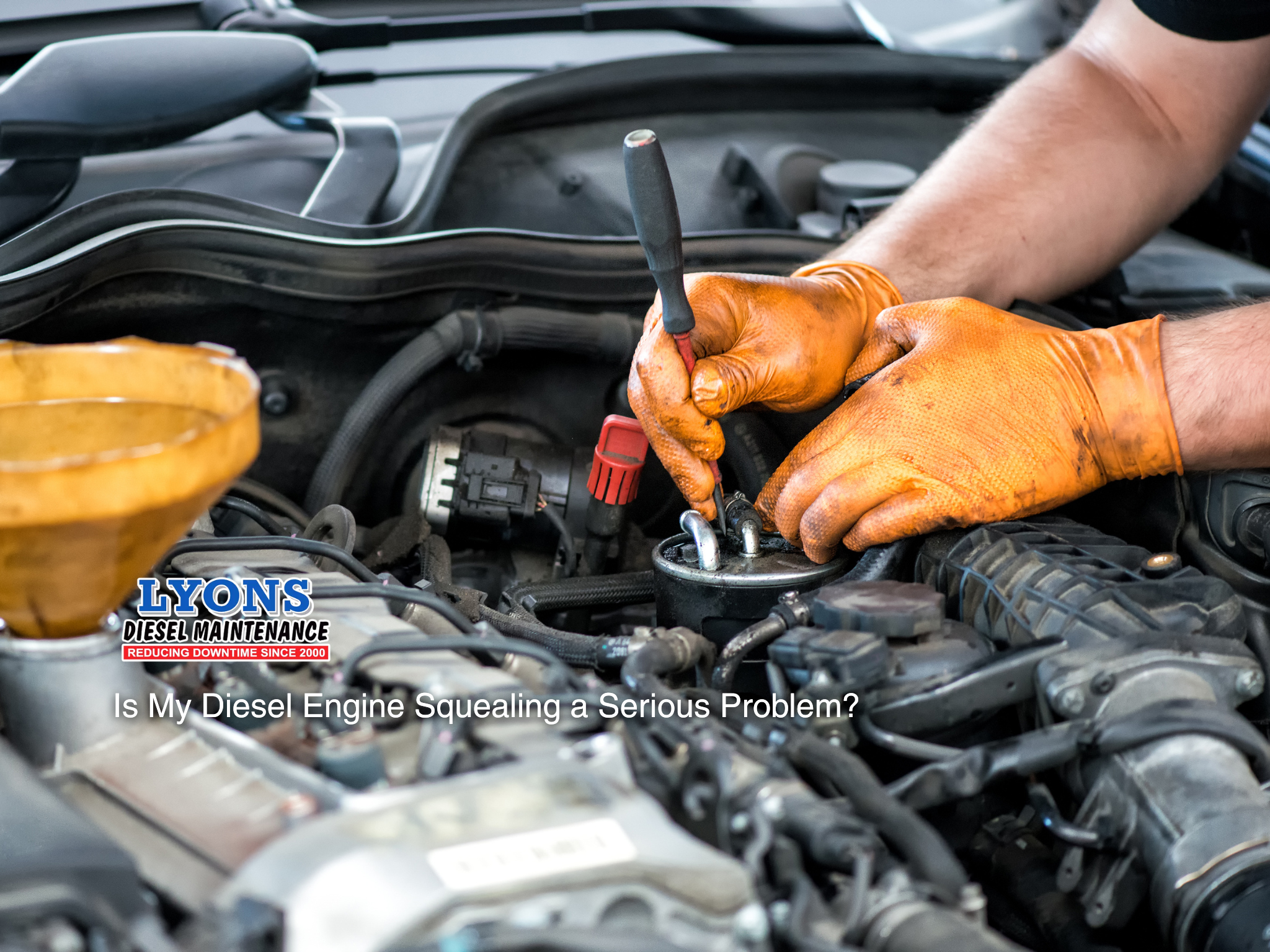
Source: lyonsdieselmaintenance.com.au
Ticking
A light, fast tapping sound may come from valve train parts, fuel injectors, or an exhaust leak.
Rattling
A loose heat shield, belt drive part, timing component, or other loose part may vibrate.
Pinging
A sharp metallic sound during acceleration may be related to abnormal combustion, fuel quality, engine load, or a control system fault.
Deep knocking
A heavy metallic knock can point to an internal engine problem and should not be ignored.
Common Reasons a Gasoline Car Sounds Like a Diesel
Several faults can create similar noises, so use the sound and the conditions in which it occurs as clues rather than proof. Begin with simple checks, such as the oil level, and treat heavy knocking or warning lights as a reason to stop instead of continuing the test.
Source: i.ytimg.com
Low engine oil or poor lubrication
Low oil can reduce lubrication and allow moving parts to make more noise. Oil that is unsuitable for the engine or a problem with oil circulation can also contribute to noisy operation.
Worn valve lifters or other valve train parts
Hydraulic lifters, rocker arms, or other valve train parts may tick when they wear, stick, or receive insufficient oil.
Timing chain, tensioner, or belt drive trouble
A worn timing chain or weak tensioner can rattle, especially at startup. A loose accessory belt or a failing pulley can also make a rapid chatter.
Exhaust manifold leak
A leak near the engine can create a sharp ticking or puffing sound that becomes more noticeable when the engine is cold or under load.
Fuel injector noise or fuel system trouble
Injectors can make a regular clicking sound during normal operation. An abnormal change in sound accompanied by rough running or poor power needs further diagnosis.
Abnormal combustion or spark knock
A gasoline engine may ping under acceleration because combustion is occurring under unsuitable conditions. Fuel grade, heavy load, deposits, and engine control faults can be contributing factors.
Worn internal engine bearings or other parts
A deep knock can signal excessive clearance or damage inside the engine. This is a serious possibility when the noise grows louder with engine speed or comes with low oil pressure.
Engine mounts or loose external parts
A worn mount, loose bracket, or vibrating shield can make an otherwise running engine sound rough or metallic, particularly when the engine moves under load.
1. Low Oil Level or an Oil Pressure Problem
Engine oil forms a protective film between moving metal parts. When the oil level drops too low, or oil cannot flow properly, parts may no longer receive the lubrication they need. The result can be ticking, tapping, or knocking, depending on which parts are affected.
Park on level ground, switch off the engine, and wait for the time stated in the owner’s manual before checking the dipstick. If the level is below the marked range, use only the oil type and grade specified for your vehicle. If the oil pressure warning remains on, shut the engine off and arrange professional help; adding oil does not fix every pressure problem.
Possible clues
A low dipstick reading, visible oil leak, recent oil loss, or oil pressure warning may point toward a lubrication issue.
What to avoid
Do not keep running the engine to see whether a heavy knock disappears. Severe oil starvation can cause rapid damage.
2. Noisy Valve Lifters and Valve Train Parts
The valve train opens and closes the engine’s intake and exhaust valves. Depending on the engine design, it may use hydraulic lifters, rocker arms, followers, or other parts. Wear, sticking, incorrect clearance, or poor oil supply can cause a rapid tapping sound from the upper engine area.
A brief tick on a cold start may have a different cause from a loud tick that remains after the engine warms up. The correct oil level and specified oil grade are useful first checks, but persistent noise may require a mechanic to inspect oil flow and valve train parts. Do not assume an oil additive will solve the problem.
Typical sound
A regular, light metallic tap near the top of the engine.
Next step
If the sound persists, grows louder, or comes with rough running, arrange a proper inspection.
3. Timing Chain, Tensioner, or Accessory Drive Noise
A timing chain keeps engine parts in sync. If its tensioner or guides wear, the chain may rattle. Some engines are more prone to a brief startup rattle, but a new or persistent noise should not be treated as normal without checking the vehicle’s service information.
The accessory drive can also create a diesel-like chatter. The belt turns parts such as the alternator and, on some vehicles, the air conditioning compressor. A worn pulley, tensioner, or bearing can make noise that seems to come from inside the engine.
Possible clues
A rattle during startup, a sound that changes when accessories run, or a noise from the front of the engine.
Safety limit
Keep hands, clothing, tools, and hair away from belts and fans. Have the drive system inspected rather than touching parts while the engine runs.
4. Exhaust Manifold or Exhaust Leak
Exhaust gas pulses can make a small leak sound like a fast tick or puff. A leak near the exhaust manifold may be louder when the engine is cold and become quieter as metal parts expand. Broken fasteners, a damaged gasket, or a cracked component can be responsible.
An exhaust leak may also leave soot near a joint or create an exhaust smell. Never crawl under a car supported only by a jack, and never run the engine in a closed garage to listen for a leak. Exhaust gases can contain carbon monoxide, which is dangerous and may not have a noticeable smell.
Possible clues
A ticking sound near the exhaust side of the engine, soot marks, or an exhaust odor.
Next step
Arrange prompt inspection, especially if fumes enter the cabin or the leak is close to the passenger area.
5. Fuel Injectors and Abnormal Combustion
Fuel injectors deliver measured amounts of fuel to the engine. Their normal operation can create a steady clicking sound, and some direct-injection gasoline engines are naturally louder than older designs. A consistent, light injector tick by itself does not prove that a part has failed.
A new, harsh clatter paired with rough idle, a check engine light, misfires, or reduced power needs further testing. A sharp ping during acceleration may instead point to abnormal combustion. Use the fuel grade listed in the owner’s manual and avoid hard acceleration until the cause is known.
Possible clues
A sound that follows engine speed, rough running, poor acceleration, or a warning light.
Useful diagnostic step
A technician can scan for trouble codes and check fuel delivery, ignition, and engine data as appropriate.
6. Internal Engine Wear or Bearing Damage
A deep metallic knock is more concerning than a faint, even ticking sound. Worn bearings, damaged moving parts, or excessive internal clearance can create a heavy knock that follows engine speed or becomes more pronounced under load. Sound alone cannot identify the failed part, but the possible cost of continued damage makes caution worthwhile.
If the engine suddenly develops a deep knock, loses oil pressure, overheats, or loses power, shut it off as soon as it is safe. Do not restart it to collect another recording. Arrange towing to a repair shop for diagnosis.
High-risk signs
A heavy metallic knock, an oil pressure warning, metal particles in the oil, or sudden changes in engine performance.
Recommended action
Stop driving and seek professional diagnosis before further engine operation.
Troubleshooting: What to Check First
A safe troubleshooting process starts with warning signs, then checks simple items that do not require dismantling the engine. Do not run the car just to reproduce a noise if the sound is severe or a warning light is on. If the car seems unsafe to drive, arrange a tow instead.
Source: cdn11.bigcommerce.com
Step 1: Check for urgent warning signs
If the oil pressure light is on, the temperature gauge shows overheating, the check engine light flashes, or the engine makes a deep knock, switch off the engine as soon as it is safe.
Step 2: Record when the noise occurs
If there are no urgent signs, note whether the sound happens at a cold start, at warm idle, during acceleration, with the air conditioner on, or while driving over bumps.
Step 3: Check the oil level safely
Follow the owner’s manual, park on level ground, turn off the engine, and use the dipstick if fitted. Do not open a hot pressurized cooling system.
Step 4: Look for visible clues
With the engine off and cool, look for fresh fluid leaks, loose covers, damaged belts, or soot near accessible exhaust joints. Do not touch hot parts.
Step 5: Review the maintenance history
Check when the oil was last changed, whether the correct oil was used, and whether any recent repair or service could relate to the new sound.
Step 6: Arrange targeted diagnosis
Give the mechanic your observations, vehicle details, warning lights, and any diagnostic codes. Ask for the cause to be confirmed before approving major parts replacement.
How to Tell Whether the Noise Is Urgent
A sound that is light, brief, and unchanged may allow a cautious trip to a repair shop if there are no warning signs and the owner’s manual does not advise otherwise. A new or worsening sound deserves prompt attention, even when the car still runs. The presence of a warning light or a change in power matters more than how easy it is to hear the noise.
A flashing check engine light often signals a fault that can damage the catalytic converter if the engine continues to misfire. An oil pressure warning or deep knock may indicate a risk of serious engine damage. In these cases, do not drive on to see whether the sound clears.
Stop and arrange a tow
Use this option for deep knocking, an oil pressure warning, severe overheating, heavy smoke, sudden power loss, or a flashing check engine light with rough running.
Book a prompt inspection
Do this for a persistent new tick, recurring rattle, suspected exhaust leak, or engine noise that has gradually become louder.
Monitor only with care
A familiar, mild operating sound without new symptoms may be normal for that engine, but compare it with the owner’s manual or ask a qualified technician if uncertain.
What a Mechanic May Test
A repair shop can listen to the engine and compare the sound with its operating conditions. Depending on the symptoms, a technician may scan diagnostic trouble codes, check oil pressure, inspect the exhaust, test the accessory drive, or examine the timing and valve train systems. Internal engine tests may be needed if the noise suggests mechanical damage.
A diagnostic code identifies a system or condition that needs investigation; it does not always name the failed part. For example, a misfire code does not by itself prove that a fuel injector is defective. The best repair plan links the noise, symptoms, test results, and vehicle-specific service information.
Bring useful details
Share the vehicle year, make, model, engine type, recent repairs, maintenance history, and the exact conditions that trigger the sound.
Ask for confirmation
Request an explanation of the test results and why the proposed repair addresses the identified cause.
Use the Sound and Timing to Narrow the Cause
The table below links common sound patterns with possible causes and a sensible next step. These are starting points, not confirmed diagnoses, because different parts can produce similar noises. If a severe warning sign appears, follow the safety advice instead of using the table to keep testing the car.
Source: i.ytimg.com
Does the Noise Change When the Engine Is Cold or Warm?
Temperature can help narrow the possible cause. Engine oil is thicker when cold, and metal parts change size as they warm up. A small exhaust leak may become quieter as the exhaust parts expand, while some valve train or timing noises may change as oil circulates.
A brief noise at startup is not automatically harmless. If it is new, lasts longer than before, or occurs with warning lights, rough running, or poor performance, arrange an inspection. Do not repeatedly start a noisy engine just to see whether the sound goes away.
Source: slashgear.com
Noise only on a cold start
Possible causes include oil circulation delays, valve train noise, timing components, or an exhaust leak.
Noise continues when warm
Persistent ticking or rattling may need checks of the valve train, accessory drive, exhaust, or other mechanical parts.
Noise appears under acceleration
Possible causes include abnormal combustion, an exhaust leak, a load-related mechanical issue, or an engine control problem.
Noise appears at idle
Possible causes include normal injector operation, a loose component, a vacuum or exhaust leak, or a mechanical fault.
Common Mistakes to Avoid
A loud engine can make it tempting to try a quick fix. The problem is that the wrong repair can hide a symptom, waste money, or make damage worse. Use basic checks to collect useful information, not to replace a proper diagnosis.
Source: cdn-0.truckomize.com
Do not assume every tick is a bad lifter
Fuel injectors, exhaust leaks, and accessory drive parts can produce similar sounds. Identify the location and conditions before deciding which part needs attention.
Do not add random oil additives
An additive cannot repair worn bearings, a broken timing guide, or a leaking exhaust gasket. Use the oil grade and service procedure specified by the vehicle maker.
Do not ignore warning lights
A vehicle may still run with low oil pressure, a misfire, or overheating. Continued operation can turn a repairable fault into major damage.
Do not inspect moving parts by hand
Belts, fans, pulleys, and hot exhaust parts can cause serious injury. Make visual checks only with the engine off and cool.
Do not rely on a phone recording alone
A recording can help show a mechanic the sound, but microphones change how noises are heard and cannot confirm the failed part.
How to Prevent Diesel-Like Engine Noise
Routine maintenance can lower the risk of some engine noises, though it cannot prevent every mechanical fault. Follow the service schedule for your exact vehicle rather than a generic interval. Driving conditions, engine design, age, and prior repairs can all affect maintenance needs.
Use the specified engine oil and change it at the intervals listed in the owner’s manual. Check the oil level at the interval recommended by the manufacturer, and pay attention to new leaks, warning lights, and changes in engine sound. Use the required fuel grade and address rough running or recurring diagnostic warnings promptly.
Source: i.ytimg.com
Follow the service schedule
Keep up with oil changes, required filter service, and inspection of timing or accessory drive parts where specified.
Use the correct fluids and fuel
Choose the oil grade and fuel octane listed for your engine. Do not assume that thicker oil or premium fuel is always better.
Respond to changes early
A new tick, rattle, exhaust smell, oil warning, or drop in power is worth checking before it becomes worse.
Keep repair records
Save maintenance receipts and note when a sound first appeared. These details help identify changes and guide future diagnosis.
How Much Could the Repair Cost?
Repair costs depend on the failed part, vehicle design, labor rates, and whether the noise has caused further damage. A loose heat shield may need a simple repair, while internal engine damage or timing system failure can require extensive work. Without a diagnosis and vehicle details, a single price estimate would be unreliable.
Ask the repair shop to separate the diagnostic charge from the proposed repair, explain which tests support the finding, and provide an estimate before work begins. If the repair is expensive, a second opinion may be useful as long as the car is safe to leave parked while you arrange it.
Source: carxplorer.com
External loose part or heat shield
May involve adjustment, securing, or replacement, depending on the condition and access.
Oil leak or exhaust gasket
Cost depends on the source of the leak, the location of the damaged part, and the labor required to reach it.
Valve train or timing system
Can require more labor and vehicle-specific parts; diagnosis should establish which components have failed.
Internal engine damage
May involve extensive repair or engine replacement. Stop operating the vehicle if severe knocking or low oil pressure suggests a risk of further damage.
Frequently Asked Questions
Q
Why does my gasoline car sound like a diesel when I start it?
A diesel-like startup noise may come from valve train parts, a timing chain tensioner, an exhaust leak, or delayed oil circulation. Some engines also make brief mechanical noises as they start. If the sound is new, loud, lasts longer than usual, or comes with a warning light, arrange an inspection rather than assuming it is normal.
Q
Can low engine oil make my car sound like a diesel?
Yes. Low oil can reduce lubrication and make internal parts noisier. Check the level using the method in your owner’s manual and add only the specified oil if needed. If the oil pressure warning is on or a deep knock is present, shut off the engine and seek help rather than driving.
Q
Is it safe to drive a car that sounds like a diesel?
It depends on the sound and any other symptoms. A mild, familiar tick with no warning lights or performance changes may not require an emergency stop, but a new or persistent noise should be checked. Do not drive with an oil pressure warning, severe overheating, a deep metallic knock, sudden power loss, or a flashing check engine light accompanied by rough running.
Q
Why does my car make a diesel-like noise when accelerating?
A noise under acceleration can be caused by abnormal combustion, an exhaust leak, a loose component, or a mechanical issue that becomes more noticeable under load. A sharp ping differs from a deep knock, but sound alone cannot confirm the cause. Avoid hard acceleration and arrange diagnosis, especially if the noise is new or the car loses power.
Q
Can noisy fuel injectors be normal in a gasoline engine?
Yes. Some gasoline engines, especially those with direct injection, produce a regular injector clicking sound. A steady sound that has not changed may be part of normal operation for that engine. A sudden increase in noise, rough idle, misfires, warning lights, or reduced power calls for further checks.
Q
Will changing the engine oil fix the diesel-like sound?
An oil change may help if the noise is related to overdue maintenance or oil that does not meet the required specification, but it will not repair worn bearings, damaged timing parts, or an exhaust leak. Check the level and service history first. If the engine is knocking or the oil pressure warning is on, do not run it simply to test whether fresh oil makes the sound disappear.
✦ Wrapping Up
Conclusion
When a car sounds like a diesel, the cause may be as simple as a loose shield or as serious as an internal engine fault. Low oil, valve train noise, timing parts, exhaust leaks, and fuel or combustion issues are common possibilities, but the sound alone cannot identify the failed component. Pay attention to when the noise happens and whether it comes with warning lights, rough running, overheating, or loss of power.
Start with safety, check the oil level only when it is safe to do so, and look for visible clues with the engine off and cool. If the sound is deep, sudden, worsening, or linked to a warning light, stop driving and arrange professional diagnosis. Sharing clear observations with a mechanic can help narrow the cause and avoid unnecessary part replacement.
💡 Key Takeaway
If the noise is new, note when it occurs and check for warning signs. Stop the engine for deep knocking, an oil pressure warning, severe overheating, or other serious symptoms, and arrange a qualified inspection.