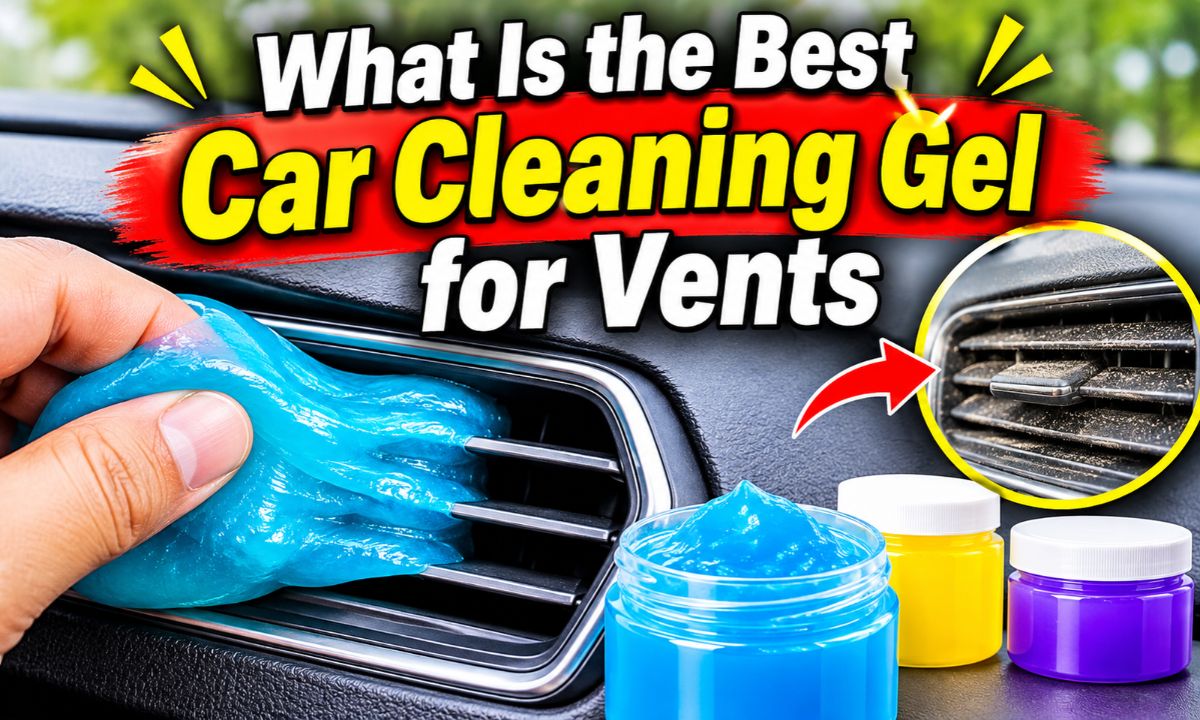
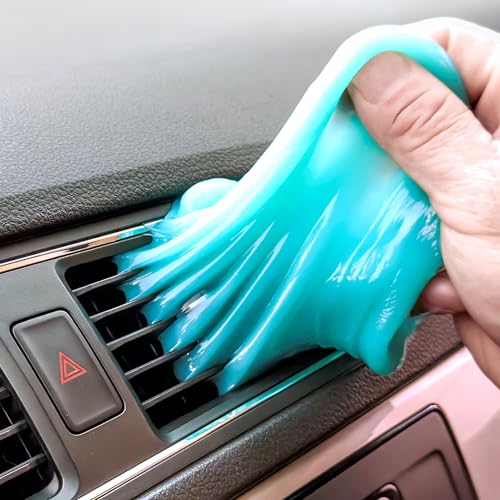
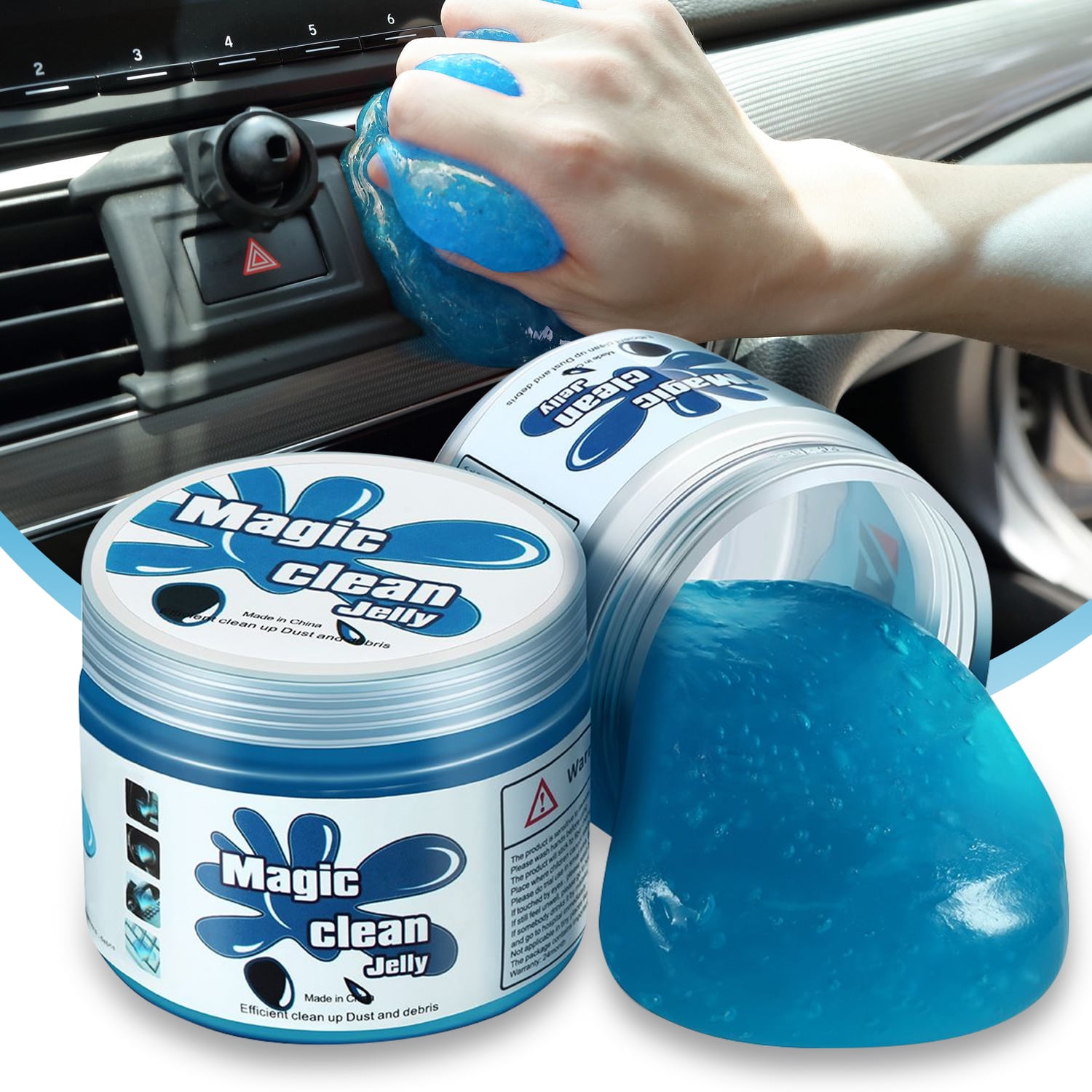
The best car cleaning gel for vents is a reusable, low-residue detailing putty that lifts loose dust and crumbs without sticking to vent slats.
Car vents collect dust, lint, crumbs, and tiny bits of dirt during everyday driving. In the United States, frequent trips, road dust, pollen, pets, and air conditioning use can make these small spaces look dirty fast. A normal cloth often cannot reach between narrow vent slats. That is where car cleaning gel can help.
Car cleaning gel, also called cleaning putty or detailing slime, is a soft, slightly sticky compound. You press it gently against a dry surface and lift it away. Loose dirt sticks to the gel instead of spreading across the dashboard. For most drivers, a good gel with a firm but flexible texture, clear use instructions, and low residue is a practical choice. However, no single brand is proven to be the best for every vehicle. The right option depends on the gel formula, vent design, and interior material.
Before buying, check that the package lists car interior use and allows use on hard plastic surfaces. Avoid very sticky putty, toy slime, and products with unclear instructions. Also, remember that cleaning gel is a dust removal tool, not a deep cleaner. It will not remove grease, stains, or grime that has bonded to the vent.
The best car cleaning gel combines enough stickiness to collect dust with enough strength to come away in one piece. This balance matters because car vents have narrow gaps and thin plastic fins. A gel that is too dry may not pick up much dirt. One that is too sticky may cling to the vent or leave small bits behind.
Look for a product made for automotive interior detailing. Its label should explain which surfaces it can clean, how to use it, and when to replace it. Clear directions are more useful than broad claims about cleaning every surface.
A good product should also be easy to handle. You should be able to knead it, shape it, and lift it without pulling hard. If it stretches into thin strings or breaks apart during normal use, it may not be suitable for narrow vents.
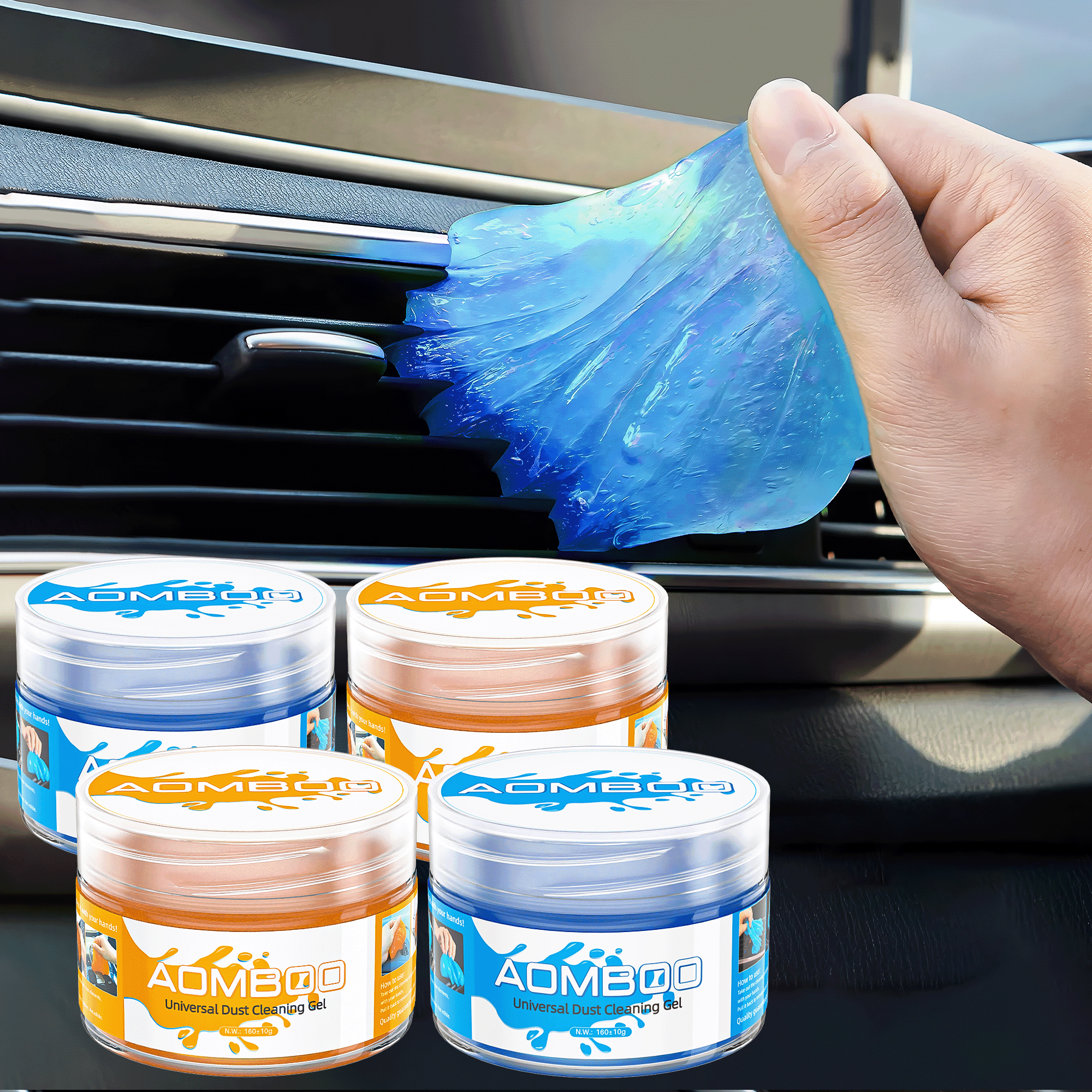
Source: i5.walmartimages.com
Moderate stickiness
The gel should grip loose dust and crumbs but release from permitted hard surfaces without leaving a sticky film.
Flexible texture
Soft putty can follow the shape of vent openings and reach small gaps without requiring strong pressure.
Low-residue formula
Choose a product with clear directions and a stated purpose for automotive interior cleaning. Avoid products that leave visible bits behind.
Reusable design
A reusable gel can be used again while it remains clean, cohesive, and effective. Reusable does not mean washable.
Clear storage directions
A sealed container helps protect the gel from drying out and collecting unwanted dirt between uses.
Suitable surface guidance
The package should explain whether the gel is suitable for hard plastic, textured trim, coated surfaces, and other interior materials.
Why Texture Matters More Than Color
Car cleaning gels come in several colors, including blue, pink, green, and purple. Color alone does not tell you how well a product will clean. The texture, tackiness, and ability to hold together are more useful features to consider.
A soft gel may fit around vent fins more easily than a firm one. However, an overly soft compound can stretch and become difficult to remove. A balanced texture is the better starting point.
Too firm
Hard putty may not make enough contact with dust inside narrow openings.
Too soft
Very loose gel may stretch, smear, or become difficult to control.
Balanced
Flexible, cohesive putty is easier to press lightly and remove in one piece.
Does a Pleasant Scent Matter?
Some car cleaning gels have a lavender, lemon, or other fragrance. This feature is optional. A pleasant smell does not prove that the gel cleans better or removes odors from the air conditioning system.
If you are sensitive to strong scents, choose an unscented option when available. The main job of vent cleaning gel is to collect loose dirt, not perfume the cabin.
Which Type of Car Cleaning Gel Should You Choose?
Most car vent cleaning gels fall into the reusable detailing putty category. However, products differ in texture, size, instructions, and intended surfaces. Understanding these differences can help you avoid buying a product that does not suit your car.
For regular dust removal, a general-purpose automotive cleaning gel may be enough. If your vents have delicate finishes or unusual shapes, a soft detailing brush may be a better choice. The right tool depends on the dirt and the surface.
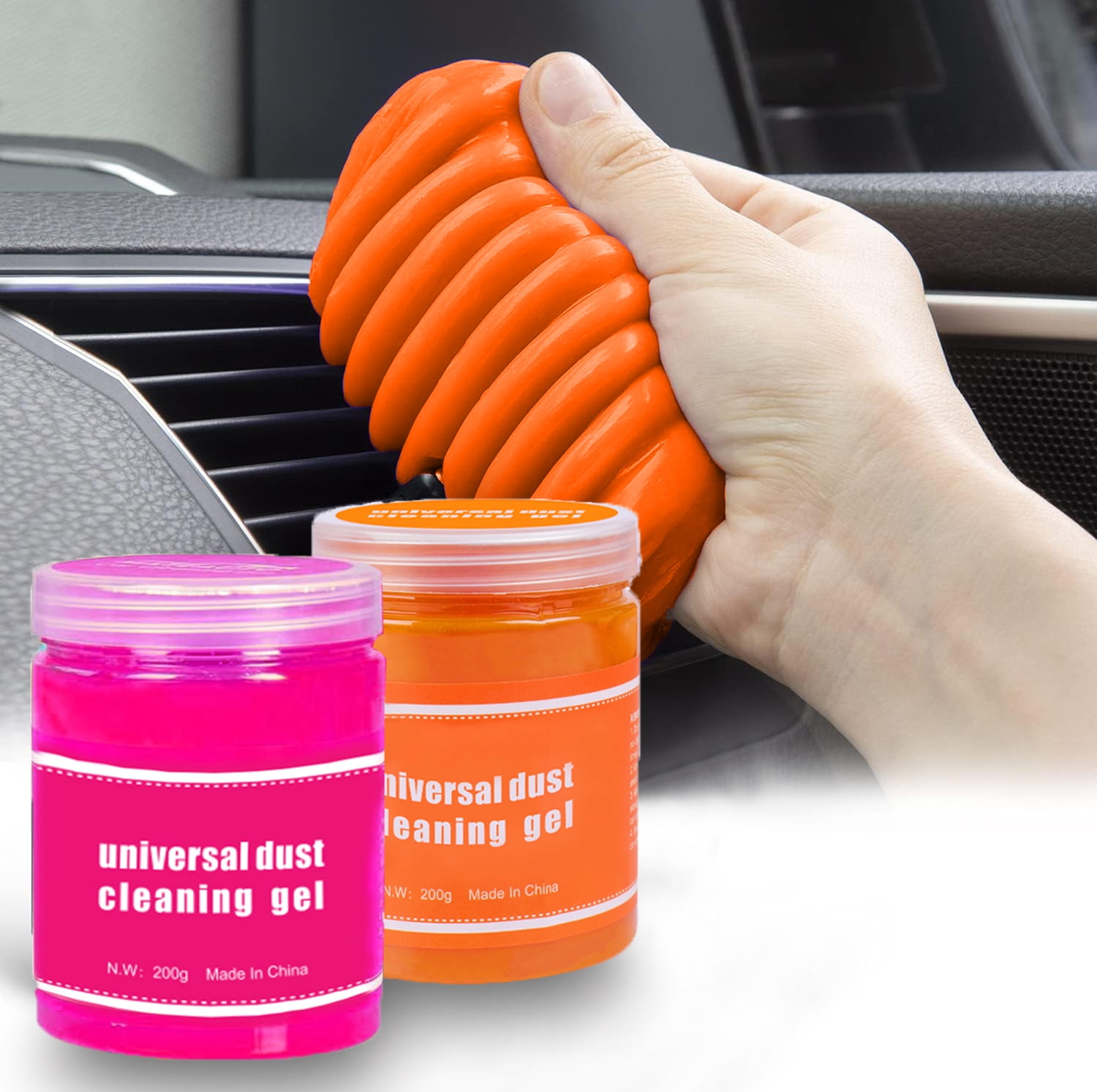
Source: m.media-amazon.com
Reusable car cleaning putty
A soft compound that collects loose dust and crumbs from vents, cup holders, and dashboard gaps. It is suitable for drivers who want one tool for several small cleaning tasks.
Soft detailing gel
A flexible gel intended for smaller gaps and hard interior surfaces. Check the product label because softness and stickiness differ between formulas.
Multi-purpose cleaning slime
Some products claim to clean cars, keyboards, and household items. Choose one only when its instructions specifically permit use on automotive interior surfaces.
Traditional detailing putty
A firmer compound may suit wider crevices and some textured areas, but it may be harder to use on delicate vent fins.
Reusable Gel Versus Disposable Cleaning Products
Reusable gel can save time because you do not need a new piece for every vent. After cleaning, you return it to its container and use it again while the material remains in good condition.
Disposable wipes work differently. They can remove surface film and some light grime, but they may not fit into narrow gaps as easily. They also produce more waste. Neither option is ideal for every cleaning job.
If you mainly deal with loose dust, reusable putty is convenient. If the vents have greasy marks or sticky dirt, a suitable interior cleaner and microfiber cloth may work better.
Choose reusable gel
When you need to pick up loose dust from several small openings.
Choose a microfiber cloth
When you need to wipe a flat surface or remove a light film.
Choose a detailing brush
When you need to loosen dust from delicate fins without pressing a sticky material against them.
Should You Buy a Multi-Pack?
Multi-packs can be useful if you clean more than one vehicle or want separate gel for different areas. However, buying several containers does not guarantee better value.
Check the amount of gel in each container, the storage instructions, and the stated shelf life if provided. A large pack is not useful if the gel dries out before you can finish using it.
How to Use Car Cleaning Gel on Air Vents
Using car cleaning gel is simple, but the technique matters. Gentle contact is the key. You want to lift dirt from the vent openings, not push the compound into the air duct or place stress on the plastic fins.
Before starting, read the gel package and your vehicle owner’s manual. Some interior surfaces have special coatings or cleaning restrictions. If the gel is not approved for the surface, use a soft brush instead.
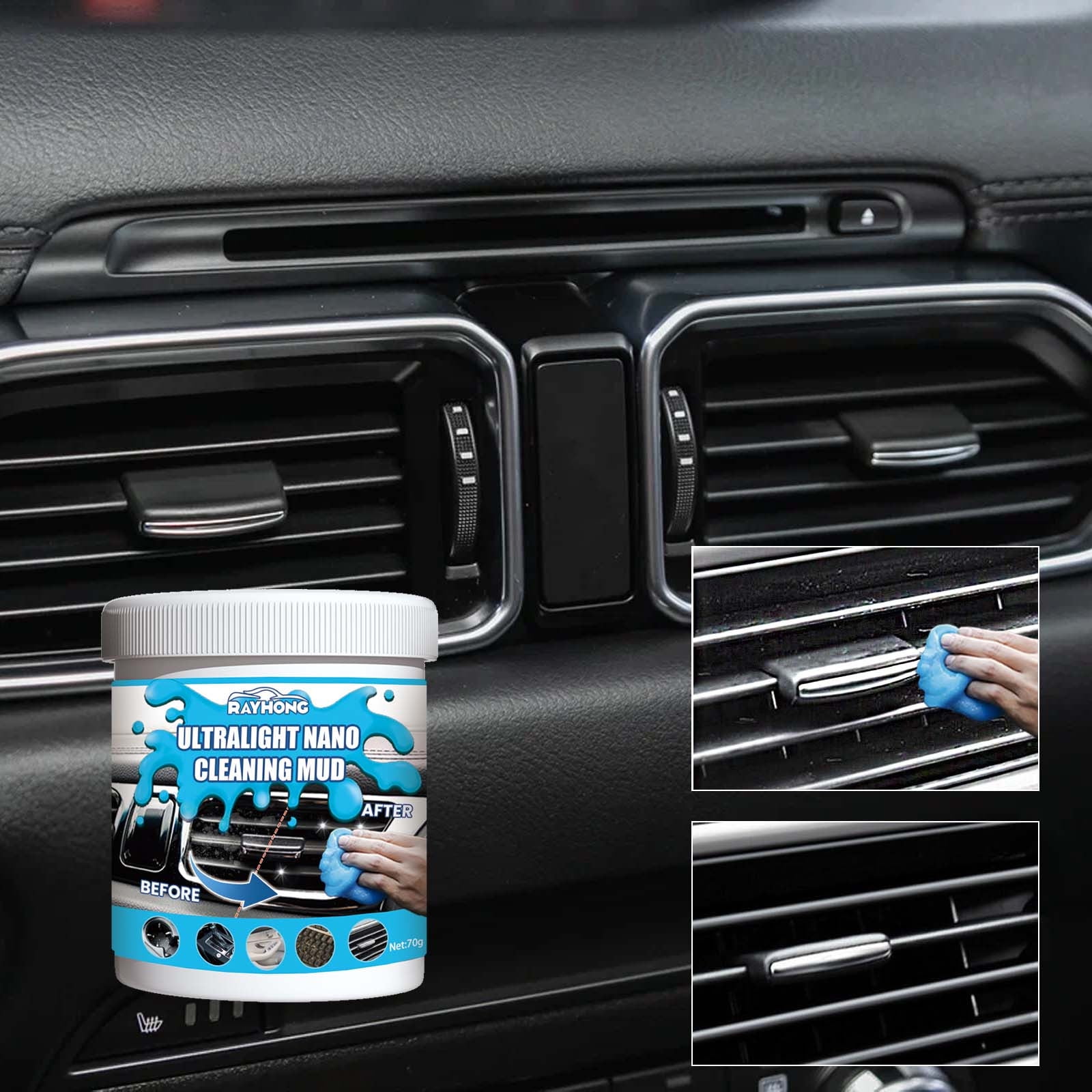
Source: m.media-amazon.com
What you need
Automotive cleaning gel, a clean microfiber cloth, and a soft detailing brush for areas where gel is not suitable.
A cool interior
Park in a shaded area and allow the dashboard and vents to cool before cleaning.
A dry surface
Do not apply ordinary dry cleaning putty to wet vents or surfaces covered with cleaning spray.
Step 1: Turn Off the Vehicle and Air Conditioning
Park safely, switch off the engine, and turn off the heating and air conditioning. This prevents moving air from blowing loose dirt around while you clean.
Allow the interior to cool. A hot dashboard may change how the gel behaves and increase the chance of smearing or residue.
Step 2: Inspect the Vent Openings
Look closely at the vent fins before applying anything. Check for loose plastic parts, damaged louvers, visible moisture, and heavy dirt buildup.
If a fin is already loose or cracked, avoid pressing gel against it. A soft brush may be safer, or the vent may need repair.
Step 3: Prepare a Small Piece of Gel
Take a small amount of gel from its container. Knead it only as directed by the manufacturer until it feels flexible.
You do not need a large ball for a small vent. A smaller piece is easier to control and less likely to reach too far into the opening.
Step 4: Press Gently Against the Vent
Place the gel lightly against the exposed vent slats. Let the surface make contact with the dust. Do not push it deep between the fins or force it into the duct.
Use a gentle press rather than rubbing. Strong pressure can bend thin plastic parts or make the gel harder to remove.
Step 5: Lift the Gel Slowly
Pull the gel away slowly and check whether it has collected dust. It should come away as one piece when used correctly.
If you see a small amount of dirt left behind, repeat the process with a clean part of the gel. Do not keep pressing a heavily soiled section against the vent.
Step 6: Inspect and Finish the Area
Check the vent fins and nearby dashboard for leftover gel. If the area looks clean, use a dry microfiber cloth on the surrounding surface where the vehicle’s care instructions permit it.
For dust in areas the gel cannot safely reach, use a soft detailing brush. Do not insert tools deep into the ductwork.
Step 7: Store the Gel Properly
Check the gel for dirt, discoloration, and changes in texture. If it remains clean and cohesive, return it to its original container and close the lid.
Follow the storage directions on the package. Keep it away from direct sunlight, excessive heat, and moisture.
What Can Car Cleaning Gel Remove From Air Vents?
Car cleaning gel works best on loose, dry debris that can stick to its surface. It is useful for routine interior care, especially when dust collects between narrow vent fins.
However, the gel has limits. It does not dissolve grease, remove deep stains, or repair a dirty air conditioning system. Knowing what it can and cannot remove helps you choose the right tool.
Source: ticarve.com
Loose dust
Fine dust sitting on accessible vent fins can cling to the gel when you press and lift it gently.
Small crumbs
Tiny dry particles near the vent edges may be collected if they are not lodged too deeply.
Lint
Small loose fibers on suitable hard surfaces may stick to the compound.
Light debris
Small dry particles around nearby dashboard gaps and control edges may be easier to remove with putty.
What Cleaning Gel Cannot Remove
A cleaning gel is not a liquid cleaner. Its main action is to collect loose material through contact. It cannot reliably remove dirt that has bonded to a surface.
For sticky residue, oily marks, or dried spills, use a cleaner approved for the vehicle’s interior material. Apply it to a microfiber cloth when the product directions allow. Avoid spraying liquid directly into the vent openings.
Grease and oily film
Use an appropriate automotive interior cleaner and a microfiber cloth instead of trying to absorb grease with putty.
Dried stains
Use a surface-compatible cleaning product according to its label. Do not scrub coated trim with a rough tool.
Mold or moisture inside ducts
Cleaning the visible vent fins will not solve moisture or microbial growth inside the ventilation system. Have the underlying cause checked.
Deeply trapped debris
A soft detailing brush or suitable vacuum attachment may be more useful for accessible areas.
Does Cleaning Gel Remove Bad Air Conditioning Odors?
No. Cleaning gel can remove some visible dust from the vent face, but it does not clean the evaporator, drain, or other internal air conditioning parts.
If a musty smell returns whenever you switch on the AC, the source may be moisture or contamination deeper in the ventilation system. A vent cleaning gel cannot correct that problem.
Persistent odors deserve a separate inspection. Do not push gel into the ducts in an attempt to reach the source.
Car Cleaning Gel Compared With Other Vent Cleaning Tools
Cleaning gel is not the only way to clean car vents. A soft detailing brush, microfiber cloth, and vacuum attachment can all help. Each tool has a different purpose.
For many drivers, the best approach is to keep a few simple tools available. Use the gel for loose dust in suitable gaps, a brush for delicate fins, and a microfiber cloth for nearby flat surfaces.
Source: m.media-amazon.com
Cleaning Gel vs. Soft Detailing Brush
A cleaning gel collects loose dirt by sticking to it. A soft detailing brush loosens dust with gentle bristles. The brush offers more control when a vent has thin fins or a delicate finish.
The main trade-off is that a brush can move dust around if you do not collect it. A vacuum can help catch the loosened dirt. Gel may be faster for small amounts of loose debris, provided the surface allows its use.
Cleaning gel
Useful for lifting accessible loose dust from suitable hard surfaces.
Detailing brush
Useful for delicate vent fins and areas where sticky putty is not recommended.
Cleaning Gel vs. Microfiber Cloth
A microfiber cloth is better for wiping flat surfaces and removing light surface film. However, a thick cloth may not reach between narrow vent slats.
Gel can fit into small gaps, but it is not a replacement for wiping. For a complete clean, use both tools where the interior care instructions permit.
Use gel
For loose dust in narrow, accessible spaces.
Use microfiber
For dashboard surfaces, vent surrounds, and light marks.
Cleaning Gel vs. Compressed Air
Compressed air can move dust out of narrow spaces, but it may also push debris deeper into the dashboard or scatter it around the cabin. It needs careful control.
Cleaning gel collects dirt through direct contact rather than blowing it away. Neither tool should be pushed deep into the ventilation system. Follow the vehicle manufacturer’s cleaning advice.
Cleaning gel
Picks up loose debris that makes contact with the gel.
Compressed air
Can loosen and move debris but may scatter it or push it into inaccessible spaces.
Cleaning Gel vs. Vacuum Cleaner
A vacuum with a suitable soft brush or narrow attachment can collect dust and larger loose debris. It is useful for accessible openings and nearby dashboard gaps.
A small vacuum attachment may not fit between every vent fin. Do not force a large nozzle against fragile plastic. A combination of a vacuum and soft brush may work better than gel when the vent contains a lot of loose dirt.
How to Choose a Car Cleaning Gel Without Regretting Your Purchase
Do not choose a car cleaning gel based only on its price, color, or product photos. The most useful buying decision starts with your vehicle’s interior and the type of dirt you want to remove.
A product designed for car interiors is a better starting point than general-purpose slime. Read the surface restrictions and storage instructions before ordering. If the listing does not explain how the gel should be used, consider another option.
Source: i5.walmartimages.com
Check the intended use
Look for clear instructions that mention car interior cleaning and suitable hard surfaces.
Read the surface warnings
Check whether the product excludes painted, coated, glossy, or other delicate finishes.
Review the texture
Choose a flexible compound that is designed to hold together during gentle use.
Check the container
A resealable container helps protect the gel between cleaning sessions.
Compare the actual quantity
Look at the amount of gel rather than judging value by the number of jars alone.
Read recent buyer feedback carefully
Look for specific comments about residue, texture, ease of removal, and changes in consistency.
Are Expensive Car Cleaning Gels Always Better?
No. A higher price does not prove that a gel has better cleaning performance. Two products may look similar but differ in size, texture, scent, and surface restrictions.
Compare the package size and instructions first. If a basic automotive cleaning putty meets your needs and comes with clear directions, paying extra for extra colors or decorative packaging may not offer much practical value.
Should You Trust Claims Such as Non-Toxic or Eco-Friendly?
Treat broad marketing claims with care. A phrase such as non-toxic does not mean a cleaning product is safe to eat, safe for every surface, or harmless when misused.
Check the product’s actual label and safety information. Keep cleaning compounds away from children and pets, and wash your hands after use when the instructions recommend it.
Common Problems When Using Car Cleaning Gel
Most problems happen when the gel is used on the wrong surface, applied too firmly, or left in poor storage conditions. The good news is that many of these problems are avoidable.
If something goes wrong, stop using the gel. Do not pull harder or press more deeply into the vent. Check the product instructions and use a suitable alternative tool.
Source: m.media-amazon.com
The gel sticks to the vent
The formula may be too tacky, the surface may be warm, or the gel may have been pressed too firmly. Stop and follow the product’s removal instructions.
The gel leaves small pieces behind
The compound may be old, damaged, or unsuitable for the surface. Do not keep using that portion.
The gel does not pick up dust
The gel may be dirty, dry, or poorly suited to the surface. A soft brush may work better.
The gel becomes too sticky
Heat, moisture, age, or improper storage may affect its texture. Stop using it if the consistency changes.
What If Cleaning Gel Leaves a Sticky Residue?
First, stop applying more gel. Check whether small pieces remain on the vent or surrounding trim. Avoid scraping them with a knife, metal pick, or other sharp object.
Follow the gel manufacturer’s removal instructions. If the remaining material is accessible, use a soft microfiber cloth and a surface-compatible cleaning method approved by your vehicle manufacturer.
Do not spray strong solvents or household cleaners directly into the vent. If residue has entered the duct or cannot be removed safely, ask an automotive detailer for help.
What If the Gel Is Too Dirty to Reuse?
Check its color and texture after every cleaning session. Some darkening is a sign that the gel has collected dirt. If it becomes heavily soiled, oily, crumbly, or loses its ability to lift dust, replace it.
Do not try to restore ordinary cleaning putty by rinsing it under a tap unless the manufacturer specifically says it is washable. Many products are designed to be used dry, and water can change their texture.
What If Dust Keeps Returning to the Vents?
A little dust may return during normal driving. The ventilation system moves air, and dust can settle on exposed vent surfaces over time.
Clean the surrounding dashboard regularly and check the cabin air filter when needed. Follow your vehicle’s maintenance schedule for filter inspection and replacement. A dirty or overdue filter may affect airflow and filtration, but cleaning the visible vents alone does not service the entire system.
Important Safety Tips for Cleaning Car Vents
Car vents contain thin moving parts and connect to an internal air duct. Careless cleaning can damage the louvers or leave material where you cannot reach it. A gentle approach is the safest way to maintain the visible vent area.
Always check the vehicle owner’s manual and cleaning product directions. Vehicle manufacturers may specify different methods for matte plastic, glossy trim, displays, leather, and other interior materials.
Source: m.media-amazon.com
Never push gel deep into the duct
Keep the compound on accessible surfaces. Do not force it into narrow openings.
Avoid hot dashboards
Allow the vehicle to cool before cleaning. Heat may change the gel’s consistency.
Do not use wet gel on dry-only surfaces
Moisture may damage the compound or leave unwanted residue.
Protect fragile vent fins
Avoid bending, twisting, or pressing thin plastic parts.
Keep gel away from screens
Do not use tacky putty on displays, touchscreens, or coated glass unless the manufacturer specifically permits it.
Keep it away from children
Cleaning gel is a detailing product, not a toy or food item.
Do not mix cleaning chemicals
Use only compatible products and follow their individual safety instructions.
Can You Use Car Cleaning Gel on Every Type of Vent?
No. Some vents have ordinary hard plastic fins, while others have delicate finishes, coated parts, or unusual moving mechanisms. A product suitable for one vent may not be suitable for another.
Inspect the surface and check the owner’s manual before use. If you are unsure, start with a soft brush on an accessible area rather than applying sticky material.
Can You Use Cleaning Gel While the AC Is Running?
It is better to switch off the engine and ventilation system before cleaning. Moving air can scatter dust and make it harder to control the process.
With the system off, you can see the vent fins clearly and remove loose dirt without airflow moving it around.
Can Cleaning Gel Damage Dashboard Finishes?
It can cause problems if the formula is unsuitable for the surface or leaves residue. This is why product restrictions matter.
Be especially careful with high-gloss trim, soft-touch coatings, painted surfaces, and textured materials. Use a permitted cleaning method and test an inconspicuous area when the instructions recommend it.
How Often Should You Clean Car Vents With Gel?
There is no universal cleaning schedule for car vents. How often you need to clean them depends on your driving habits, the environment, and how quickly dust builds up.
A car used every day on dusty roads may need more frequent cleaning than a vehicle kept in a garage and driven occasionally. Check the vents during regular interior cleaning and use gel only when visible loose dirt needs attention.
Daily commuters
Check the vents during routine interior cleaning and remove visible dust when needed.
Drivers in dusty areas
Inspect the vents more often because road dust may collect quickly.
Pet owners
Check for loose hair and lint around the dashboard and vent openings.
Occasional drivers
Inspect the interior before use, especially if the car has been stored for a long period.
Signs Your Car Vents Need Cleaning
You do not need to clean the vents just because a certain number of days have passed. Visible dust is a more useful sign. A quick inspection can tell you whether a brush, gel, or cloth is needed.
Visible dust
A layer of dust is visible on the vent fins.
Small particles
Lint or crumbs are sitting around the vent edges.
Dusty dashboard gaps
Nearby trim and control gaps have collected loose dirt.
Dirty vent surrounds
The area around the openings looks dusty even after the dashboard has been wiped.
Does Cleaning the Vents Replace Cabin Air Filter Maintenance?
No. Cleaning the visible vent openings and maintaining the cabin air filter are separate tasks. Gel removes accessible surface debris, while the cabin filter helps capture particles moving through the ventilation system.
Check the owner’s manual for the correct filter type and service interval. If airflow drops, unusual odors persist, or the ventilation system behaves differently, a more complete inspection may be needed.
The Best Overall Approach for Clean Car Vents
For most drivers, the best approach is to use a car-specific cleaning gel for accessible loose dust and keep a soft detailing brush nearby for delicate areas. This combination covers more cleaning needs than relying on putty alone.
If you are buying your first gel, start with a small container rather than a large multipack. This gives you a chance to check its texture and compatibility with your vehicle before buying more.
Do not pay extra for claims that cannot be verified. Focus on the product’s intended surfaces, removal instructions, and storage requirements. A simple gel that stays together and lifts dust without leaving residue is more useful than a product with flashy packaging.
Source: i5.walmartimages.com
Best for routine vent dust
A reusable automotive cleaning putty with moderate tackiness and clear surface instructions.
Best for delicate vent fins
A soft detailing brush that loosens dust without sticking to the plastic.
Best for flat dashboard surfaces
A clean microfiber cloth suitable for the vehicle’s interior finish.
Best for heavier loose debris
A suitable vacuum attachment combined with a soft brush.
A Simple Buying Checklist
Before placing an order, compare the product against this short list. These details matter more than a long list of marketing claims.
Automotive use
The product is specifically intended for car interior cleaning.
Suitable texture
The gel is flexible and holds together during gentle use.
Low residue
The instructions explain how to remove the product cleanly.
Clear warnings
The package identifies surfaces and conditions to avoid.
Proper storage
The container can be sealed and stored according to the manufacturer’s directions.
Frequently Asked Questions
Q
What is the best car cleaning gel for vents?
The best option is a car-specific reusable detailing gel with moderate stickiness, a flexible texture, and clear instructions for hard interior surfaces. It should collect loose dust without breaking apart or leaving sticky residue. There is no independently established universal best brand, so compare the formula and surface restrictions before buying.
Q
Does car cleaning gel really work on air vents?
Yes, it can work well on accessible loose dust and small dry particles. Its slightly tacky surface collects debris when you press it gently against the vent fins and lift it away. However, it cannot remove deep stains, grease, or dirt inside the ventilation system.
Q
Can car cleaning gel leave residue on vent slats?
Yes. Some formulas may leave small pieces or a sticky film, especially when used on warm surfaces or pressed too firmly. Choose a product with clear automotive surface instructions, work gently, and stop using the gel if it begins to break apart.
Q
Can I wash car cleaning gel with water?
Most reusable car cleaning putties are designed for dry use and should not be washed. Water can change their texture and make them less effective. Follow the exact package instructions rather than assuming every cleaning gel can be rinsed and reused.
Q
How many times can I reuse car cleaning gel?
There is no fixed number of uses for every brand. Reuse depends on the formula and how much dirt the gel collects. Replace it when it becomes very dark, greasy, crumbly, or unable to pick up debris. Always follow the manufacturer’s replacement instructions.
Q
Is car cleaning gel better than a vent cleaning brush?
Neither tool is better for every situation. Gel can lift loose dust from suitable hard surfaces, while a soft brush gives you more control around delicate vent fins. A brush and vacuum can be a better combination when the vent contains more loose debris.
Q
Can I use car cleaning gel on my dashboard?
Only if the product instructions allow use on that dashboard material. Some dashboards have soft-touch coatings, glossy trim, or delicate finishes that may not be suitable for sticky putty. A compatible microfiber cloth is often a better option for broad dashboard surfaces.
Q
Can car cleaning gel remove dust from AC ducts?
It is intended for accessible surfaces, not deep inside the AC ducts. Pushing it into a vent can leave material behind or make removal difficult. Use a suitable brush for the visible area and seek professional help if the internal system needs cleaning.
Q
Does car cleaning gel remove musty AC smells?
No. It may remove visible dust from the vent face, but it cannot fix moisture, mold, or contamination inside the air conditioning system. A persistent musty smell needs a separate inspection of the ventilation system and cabin air filter.
Q
Can I leave car cleaning gel in my glove box?
You can store it in a vehicle only if the manufacturer’s temperature and storage directions allow it. A glove box may still become very hot in a parked car. Excessive heat can change the gel’s consistency, so a cool indoor storage spot may be better.
✦ Wrapping Up
Conclusion
The best car cleaning gel for vents is a flexible, car-specific detailing putty that collects loose dust and crumbs without leaving residue. Look for moderate stickiness, clear surface instructions, and a resealable container. These features matter more than color, scent, or attractive packaging.
For regular car care, use the gel gently on cool, dry, permitted surfaces. Keep it near the vent openings rather than pushing it deep into the ducts. Replace it when it becomes too dirty or loses its original texture.
Remember that cleaning gel is only one part of interior detailing. A soft brush, microfiber cloth, and suitable vacuum can help with other types of dirt. If your AC has a persistent odor or airflow problem, clean the visible vent area and arrange a proper system inspection when needed.
💡 Key Takeaway
Choose a small container of automotive cleaning gel with clear surface instructions, test it on a permitted hidden area, and use gentle press-and-lift motions on accessible vent slats. Stop if it sticks, breaks apart, or leaves residue.