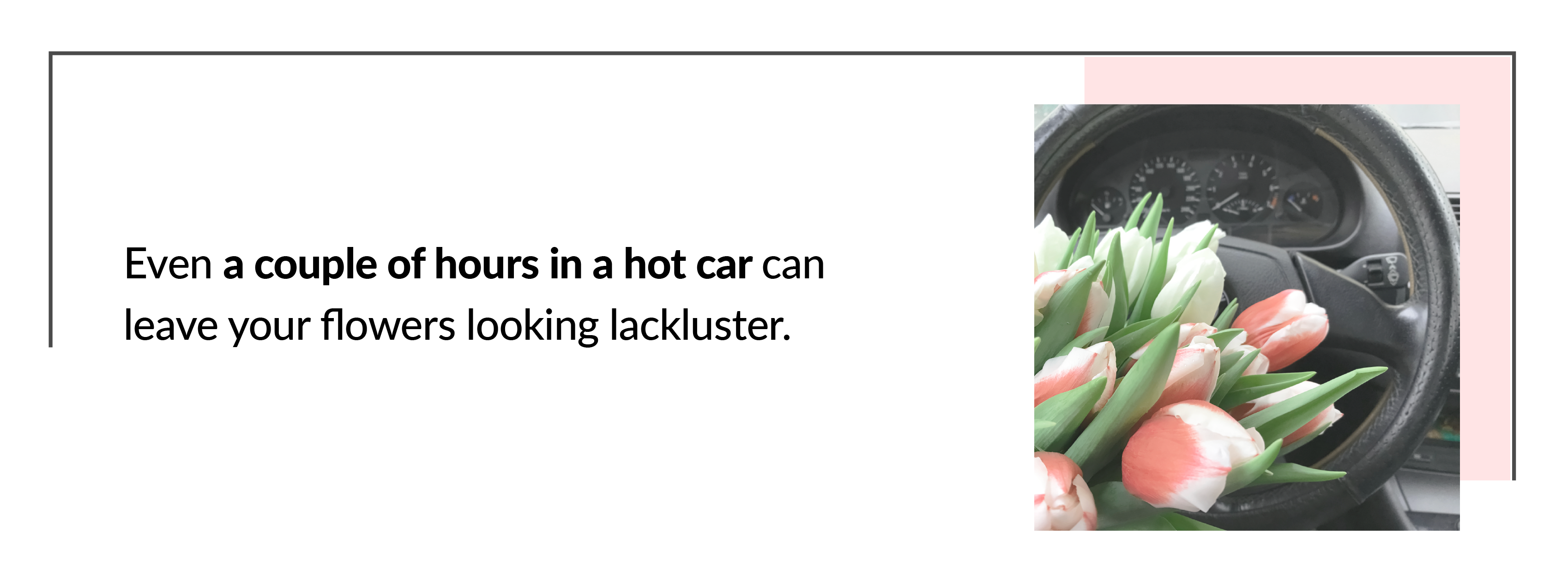
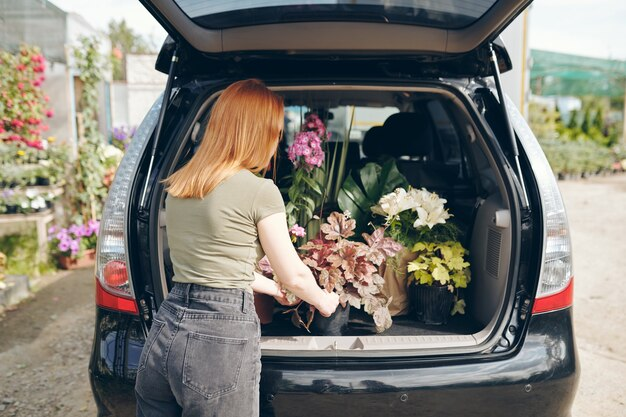
Flowers can wilt quickly in a hot car, but a wilted bouquet is not always a lost cause. Move the flowers into a cool indoor space, give the stems fresh water, recut the stems, and remove badly damaged parts as soon as possible.
If you have ever picked up flowers from a florist, grocery store, farmers market, or garden center in the United States on a warm summer day, you know how quickly a fresh bouquet can change. A car that feels comfortable when you first get in can become a stressful environment for delicate blooms after sitting in the sun.
Heat speeds up moisture loss, while direct sunlight and poor air movement can add more stress. Cut flowers depend on their stems to move water into the blooms and leaves, so dehydration can show up as drooping heads, soft stems, curled petals, and faded or scorched edges.
The good news is that early action can make a difference. This guide explains what to do when flowers have been left in a hot car, how to tell whether they can recover, and how to transport bouquets more safely next time.
Flowers do not need freezing temperatures to stay fresh, but they do need protection from excessive heat and moisture loss. A closed vehicle can become far hotter than the outdoor air, especially when the car is parked in direct sunlight.
Heat increases water loss from leaves and petals. At the same time, the cut stem can struggle to replace that lost moisture if the flower has limited access to water. The result is often a wilted or drooping arrangement.
Sunlight adds another problem. A bouquet sitting near a sunny window may receive strong radiant heat even when the vehicle’s air temperature does not seem extreme. Petals can become dry, bleached, browned, or scorched.
Source: storage.googleapis.com
Dehydration
Heat causes flowers and foliage to lose moisture faster, which can make stems and flower heads droop.
Direct sunlight
Strong sun can heat petals and leaves rapidly and may cause visible scorching or discoloration.
Limited water uptake
A warm, dry bouquet can become stressed when the cut stems cannot replace moisture as quickly as the flowers lose it.
Shortened vase life
Heat stress can leave flowers with less usable life even when they appear to recover after cooling.
How Quickly Can a Bouquet Wilt in a Car?
There is no single safe number of minutes for every bouquet. Flower type, starting condition, outside temperature, sunlight, vehicle color, ventilation, water availability, and where the bouquet is placed all affect the outcome.
A bouquet that begins the trip well hydrated and remains shaded may tolerate transportation better than one that has already spent hours without water. On a hot day, however, leaving flowers unattended in a parked vehicle is risky even for a relatively short period.
Freshly cut flowers
They still need protection from heat and should be kept hydrated during transportation.
Bouquets without water
They are more vulnerable to dehydration because the stems cannot replace moisture lost during the trip.
Already wilted flowers
They have less reserve and may be harder to recover after additional heat exposure.
What to Do When Flowers Have Been Left in a Hot Car
Start by getting the flowers out of the heat. Do not spend time arranging them or trying several remedies while they remain inside the vehicle. The first goal is to stop additional heat stress.
Once indoors, give the bouquet a cool, shaded location with normal room airflow. Avoid putting heat-stressed flowers immediately beside an air conditioner vent, heater, fan blowing directly at the petals, or another extreme temperature source.
If the flowers are in a vase, check the water. If the water is warm, cloudy, or low, replace it with clean water. If the bouquet has been transported dry, prepare a clean container and hydrate the stems as soon as practical.
Source: oliveandjuneflorals.com
Step 1: Move the bouquet indoors
Get the flowers away from the hot vehicle, direct sunlight, and other heat sources.
Step 2: Check the stems
Look for bent, crushed, slimy, or severely dried stem ends that may interfere with water uptake.
Step 3: Prepare clean water
Use a clean vase or container and fresh water. Use commercial floral food according to its label when available.
Step 4: Recut the stems
Use clean, sharp scissors or floral shears to make a fresh angled cut before placing the stems into water.
Step 5: Remove submerged foliage
Take off leaves and other plant material that would sit below the waterline because they can decay and foul the water.
Step 6: Wait before judging the bouquet
Give the flowers time to rehydrate before deciding that the entire arrangement is beyond saving.
Should You Put Wilted Flowers in Ice Water?
Usually, there is no need to shock heat-stressed flowers with ice water. The better general approach is clean, cool or room-temperature water that matches the care needs of the flower variety.
Some flowers have specific temperature preferences, so species-specific care can override general advice. When you know the flower type, follow the care instructions supplied by the florist or grower.
Avoid extreme temperature changes
A gentle return to a cool environment is more practical than rapidly exposing every flower to very cold water.
Focus on hydration
Fresh water and clean, freshly cut stems are more useful first steps than adding ice.
How to Tell if Heat-Stressed Flowers Can Recover
A wilted flower can look worse than it actually is immediately after heat exposure. Give it time to cool and rehydrate before making a final decision. Flowers with flexible stems, healthy color, and firm petals have a better chance of looking presentable again than tissue that has become crisp or brown.
Recovery is not always complete. Heat can damage plant tissue, and dead tissue does not become healthy again simply because the flower receives water. The practical goal is to separate recoverable parts from tissue that has already been damaged beyond repair.
Source: plantisima.com
Signs of possible recovery
Stems remain reasonably firm, petals are soft rather than crispy, color is mostly intact, and the flower begins to regain shape after hydration.
Signs of severe damage
Petals are brown, brittle, translucent, badly scorched, or falling apart, and stems are collapsed or severely dried.
Mixed bouquets
Some flowers may recover while others do not because different species and varieties respond differently to heat.
How Long Should You Wait Before Giving Up?
There is no universal recovery time because flowers vary widely. Check the bouquet after it has had time to cool and hydrate rather than judging it while it is still hot.
If stems remain weak after proper hydration and damaged tissue continues to deteriorate, remove the worst flowers and keep the healthier stems. A smaller arrangement can still look attractive even when part of a bouquet has been lost.
Keep checking the stems
Improving firmness is a useful sign that the flowers are taking up water.
Trim damaged material
Removing badly damaged petals, leaves, or flowers can make the remaining arrangement cleaner and easier to maintain.
How to Transport Flowers in a Car Without Damaging Them
The safest approach is to plan the drive around the flowers rather than treating the bouquet like ordinary cargo. Keep the vehicle cool, keep the flowers shaded, and minimize the time they spend without water.
For a vase arrangement, place the container on a stable, level surface where it cannot tip over. A towel or nonslip material can help reduce movement. Keep the arrangement away from direct sunlight and avoid placing it directly against a hot window.
For flowers without a vase, protect the stems from crushing and keep the cut ends hydrated when the flower type and packaging allow it. Florists may use water tubes, wrapped stems, or other transport methods designed for cut flowers.
Source: thebackyardpros.com
Cool the car first
When possible, cool the vehicle before placing flowers inside instead of making the bouquet sit in a hot cabin while the air conditioner catches up.
Use shade
Keep bouquets out of direct sunlight and away from areas that heat up against windows.
Keep the arrangement stable
Prevent tipping, rolling, crushing, and repeated movement during the drive.
Plan the route
Make the flower trip the final stop when possible so the bouquet is not left in the vehicle while you run errands.
Avoid overnight storage in the car
A vehicle is not a controlled flower-storage environment, and temperatures can become unsuitable even when the weather outside feels moderate.
Where Should Flowers Sit in the Car?
Choose a stable, shaded location with the least direct exposure to sunlight and heat. For a vase, a level floor area can be more stable than a seat, provided the arrangement is secured and the container cannot tip.
Avoid the trunk when it becomes hot and avoid leaving flowers pressed against a window. The best location depends on the vehicle and the arrangement, but temperature control and stability matter more than a single universal placement.
Prioritize shade
Direct sunlight can heat petals and containers rapidly.
Prioritize stability
A secure arrangement is less likely to spill, crush petals, or break stems during turns and stops.
Flower Care After a Hot-Car Rescue
After the initial rescue, routine vase care becomes important. A clean vase, fresh water, appropriate floral preservative, and regular stem maintenance can help the flowers make the most of the life they have left.
Clean the container before refilling it. Remove leaves below the waterline and monitor the water level each day. If the water becomes cloudy or dirty, replace it rather than simply topping it off.
Keep the arrangement in a cool part of the home away from direct sun, heating appliances, and strong heat sources. A naturally cooler room is generally more useful than trying to compensate for heat stress with extreme cold.
Source: thedailyautomotive.com
Clean the vase
Residue and plant debris can make the water dirty and reduce the quality of the vase environment.
Use flower food correctly
Follow the mixing instructions on the floral preservative packet rather than guessing the concentration.
Refresh the stems
Recutting the stem ends can provide a fresh surface for water uptake when the arrangement needs maintenance.
Keep leaves above the water
Leaves sitting underwater can decay and contribute to cloudy, foul-smelling water.
Keep flowers cool
A cool location away from direct sunlight and heat sources can help extend the remaining vase life.
What About Potted Flowering Plants?
A potted flowering plant needs a different rescue approach because its roots are still attached to the plant. Move the container out of the hot car and into a cooler, shaded environment first.
Check the potting mix before watering. Heat can cause wilting, but wilting does not always mean the soil is dry. If the soil is dry and the plant’s care requirements call for watering, water thoroughly according to the plant’s normal needs rather than repeatedly adding small amounts.
Do not place a severely heat-stressed plant directly into harsh sun after the rescue. Give it time to stabilize and follow the care requirements for that specific species.
Check the soil
Use the moisture of the potting mix and the plant’s normal care needs to decide whether watering is needed.
Provide gentle recovery conditions
Avoid sudden exposure to intense sunlight or other temperature extremes immediately after the plant leaves the hot car.
Common Mistakes That Make Heat Damage Worse
The biggest mistake is waiting. A hot car continues stressing flowers until they are moved somewhere cooler, so delaying the rescue can reduce the chance of recovery.
Another mistake is assuming that more water will solve every problem. Water can help with dehydration, but it cannot reverse tissue that has already been scorched, crushed, or killed by heat.
Aggressive handling can also cause trouble. Hot, wilted petals and stems can be fragile, so handle the bouquet gently while removing damaged parts and preparing it for hydration.
Source: pinterest.com
Leaving flowers in a parked car
A parked vehicle can become a high-heat environment, making it unsuitable for flower storage.
Putting flowers in direct sun to dry them
Fresh flowers generally need protection from strong sunlight, not additional exposure.
Using dirty water
Dirty containers and old water can create an unhealthy environment for cut stems.
Ignoring the stem ends
Dry or damaged stem ends may not take up water efficiently, so recutting can be a useful part of the rescue process.
Using homemade additives without a reason
Random household ingredients can change the water chemistry or create other problems. A commercial floral preservative used according to its instructions is the more controlled option.
Judging flowers too quickly
Some heat-stressed flowers need time to cool and rehydrate before their final condition becomes clear.
When Is a Bouquet Beyond Saving?
A bouquet is unlikely to return fully when most of its petals and stems have become dry, brittle, severely browned, or collapsed. At that point, focus on any flowers or foliage that still look healthy.
You can remove damaged blooms and rebuild the arrangement with the remaining flowers. If nothing remains viable, composting the plant material may be the most practical option, depending on the materials used in the bouquet.
Save what is still healthy
A few sound stems can often be arranged separately rather than discarding the entire bouquet.
Do not force recovery
Dead or badly scorched tissue cannot be restored by additional watering.
Frequently Asked Questions
Q
Can flowers survive being left in a hot car?
Sometimes. Survival depends on the flower type, heat exposure, hydration, sunlight, and how long the bouquet remained in the car. Move the flowers to a cool place and rehydrate them as soon as possible.
Q
How do you revive flowers that wilted in a hot car?
Move them out of the heat, place them in clean water, recut the stems, and keep them in a cool shaded location. Give them time to rehydrate before removing flowers that remain badly damaged.
Q
Should I put hot-car flowers in the refrigerator?
Do not assume a refrigerator is suitable for every flower. Some cut flowers can benefit from cool storage, but temperatures that are too cold can damage sensitive varieties. Follow care guidance for the specific flower.
Q
Can you leave flowers in a car with the air conditioner running?
Keeping a vehicle cool during a necessary drive can help, but an unattended vehicle should not be treated as reliable flower storage. The safest option is to take the flowers with you and avoid leaving them in the car.
Q
How can I keep flowers fresh during a summer road trip?
Keep the car cool, protect the bouquet from direct sunlight, secure the arrangement against tipping, and keep stems hydrated when appropriate. Plan stops so the flowers are not left unattended in the vehicle.
✦ Wrapping Up
Conclusion
Flowers can suffer quickly in a hot car because heat increases moisture loss and direct sunlight adds further stress. A wilted bouquet is not automatically dead, though. Fast action gives healthier stems the best chance to recover.
Move the flowers to a cool shaded area, provide clean water, recut the stems, remove underwater foliage, and give the bouquet time to rehydrate. After recovery, keep it away from heat and direct sun and maintain clean water.
For future trips, prevention is much easier than rescue. Keep flowers cool, shaded, stable, and hydrated whenever practical, and never use a parked car as a place to store a bouquet on a hot day.
💡 Key Takeaway
If your flowers just came out of a hot car, act now: cool them gradually, recut the stems, place them in clean water, remove damaged material, and give them time to recover before deciding which blooms are lost.