Isopropyl alcohol can be used on fully cured automotive paint, but it should be used carefully. Diluted IPA applied briefly to a cool, clean panel is much less risky than strong alcohol left sitting on hot or fresh paint.
For car owners in the United States, isopropyl alcohol can be a useful detailing chemical when you need to remove oily residue, polishing oils, adhesive traces, or other stubborn contamination. The key is knowing that rubbing alcohol is a solvent, not a normal car wash product. Its ability to dissolve oils is exactly why it works, but that same action can remove waxes and some protective products.
Modern factory paint normally has a clear coat over the colored base coat, and a brief wipe with a properly diluted IPA solution is generally tolerated by a fully cured finish. Problems become more likely when the alcohol is highly concentrated, the panel is hot from an American summer sun, the paint is freshly repaired, or the liquid is allowed to sit and evaporate on the surface.
The safest approach is simple: work in the shade, use a conservative dilution, test a hidden spot first, apply a small amount to a clean microfiber towel, wipe a small section, and remove the residue promptly with a second towel. If the vehicle has fresh paint, paint protection film, a vinyl wrap, or a specialized coating, follow that product’s care instructions instead of assuming ordinary clear-coat rules apply.
Isopropyl alcohol, often called IPA or rubbing alcohol, is a solvent that can dissolve oils and other residues. On a vehicle, that makes it useful for removing substances that ordinary water and car shampoo may leave behind.
The important distinction is that IPA mainly acts on contaminants and protective products on the surface. A short, controlled wipe is very different from soaking the paint in concentrated alcohol. Fully cured factory clear coats are designed to tolerate many everyday chemical exposures, but that does not make every concentration or application method harmless.
IPA is especially useful when the goal is a clean surface before applying a new layer of protection. It can help remove polishing oils and residue that could interfere with the bonding of a wax, sealant, or other coating. It can also remove some adhesive and oily contamination, although a dedicated automotive adhesive remover may be a better choice for stubborn deposits.
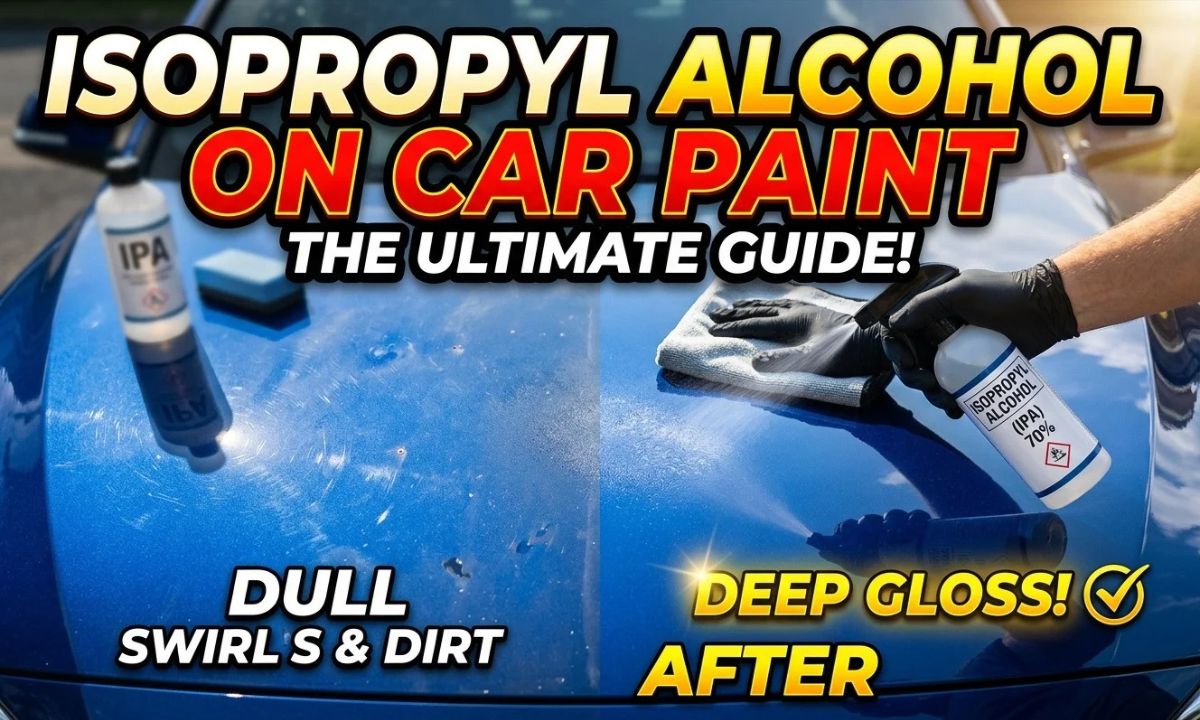
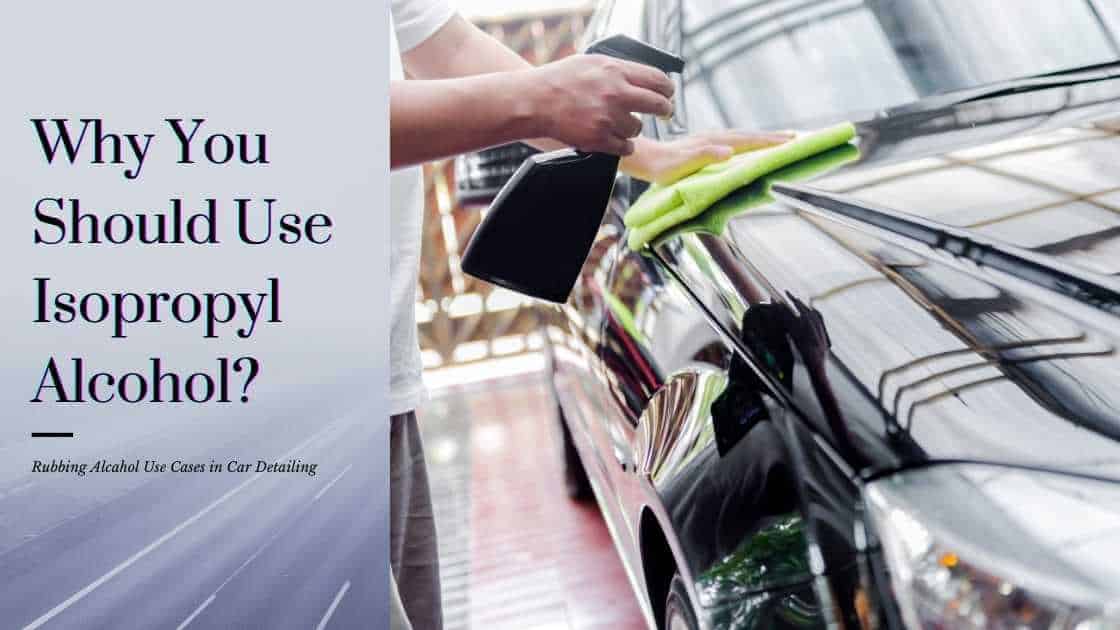
Source: rubbing-alcohol.com
It removes oily residue
IPA can break down oils, grease, fingerprints, polishing residue, and similar contaminants that remain after washing.
It can remove protection
Because it dissolves certain oily and wax-like materials, IPA can reduce or remove some waxes, sealants, and other surface protection.
It evaporates quickly
Fast evaporation is useful for panel preparation, but a hot panel can make the liquid flash off too quickly and increase the chance of uneven wiping.
Is Isopropyl Alcohol the Same as Rubbing Alcohol?
They are often used as interchangeable terms, but the bottle matters. Isopropyl alcohol refers to the chemical itself, while rubbing alcohol is a consumer product that may contain water and, depending on the formulation, other ingredients. For automotive paint preparation, avoid products containing unnecessary fragrance, oils, moisturizers, or other additives that could leave residue.
Check the product label before using it on paint. A plain IPA product with a known concentration gives you much better control over dilution than an unknown household rubbing-alcohol formula.
Check the concentration
Common consumer products include 70%, 91%, and 99% IPA, and the amount of water needed depends on the starting concentration.
Check the ingredients
Avoid skin-care rubbing alcohol products containing additives that could leave a film on automotive paint.
Can Isopropyl Alcohol Damage Car Paint?
Yes, improper use can cause problems, but the risk is not the same in every situation. A brief wipe with a suitably diluted solution on fully cured factory paint is very different from repeatedly scrubbing a hot panel with strong alcohol.
The biggest practical risks are removing the finish’s protective layer, creating temporary dullness on a sensitive surface, or affecting paint that is new, damaged, soft, or otherwise outside normal factory condition. Concentrated alcohol and long contact times increase the need for caution.
A common mistake is assuming that because IPA is used by automotive professionals, any bottle of rubbing alcohol can be poured directly onto any vehicle. Professional surface preparation depends on the exact product, dilution, paint condition, temperature, and application method.
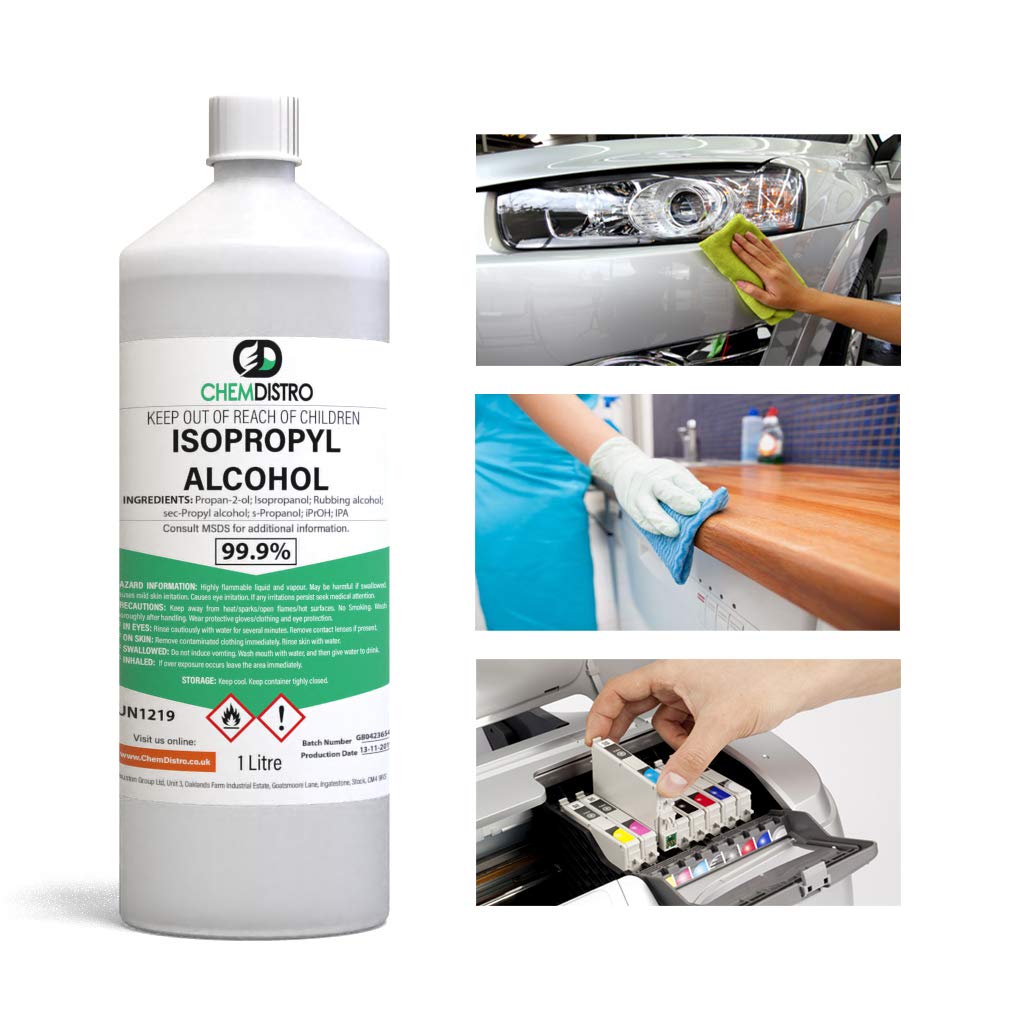
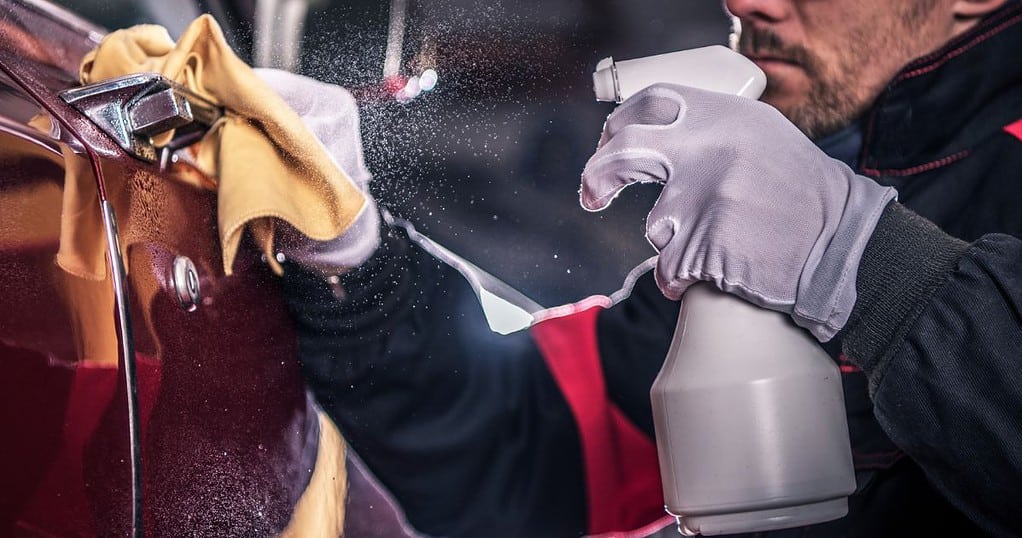
Source: carsescort.com
High concentration
Stronger IPA solutions have greater solvent action and should not be used casually over large painted areas.
Long contact time
Do not flood the panel and let alcohol sit until it dries. Wipe it away promptly.
Hot paint
A panel heated by direct summer sun can make a solvent evaporate unevenly and increases the chance of streaking or surface stress.
Fresh or damaged paint
Recently refinished, soft, oxidized, peeling, or otherwise compromised paint deserves extra caution and may require advice from the paint shop.
What Damage Can Look Like?
If the finish reacts poorly, you may notice hazing, dullness, streaking, softened residue, or a change in the appearance of a protective layer. These symptoms do not automatically mean the clear coat has been permanently destroyed.
Stop immediately if the surface changes during the test. Wash the area with automotive shampoo and clean water, dry it gently, and inspect it again in normal lighting. If the finish remains visibly damaged, avoid more solvent and consider professional paint inspection.
Dull or hazy appearance
This can indicate an incompatible surface, excessive solvent exposure, or a protective product being removed.
Streaking
Streaks can result from too much liquid, an unsuitable product, a dirty towel, or uneven evaporation.
Changed water behavior
A previously protected surface may become less slick or less hydrophobic after IPA removes some protection.
What Is a Safer IPA Dilution for Car Paint?
There is no single dilution that is correct for every vehicle or detailing product. For a cautious DIY paint-preparation wipe, a relatively low concentration is a sensible starting point when the product and paint manufacturer do not specify another mixture.
For example, one part 70% IPA mixed with about 2.5 to 3 parts distilled water produces roughly an 18% to 20% IPA solution. With 99% IPA, one part alcohol mixed with about four parts distilled water produces roughly a 20% solution. These are simple examples, not universal manufacturer specifications.
Automotive manufacturers and detailing-product makers may specify different mixtures for particular applications. Some surface-preparation systems use higher concentrations, while other products are formulated specifically for automotive paint. If you are preparing paint for a coating, PPF, decal, or adhesive, follow that product’s instructions first.
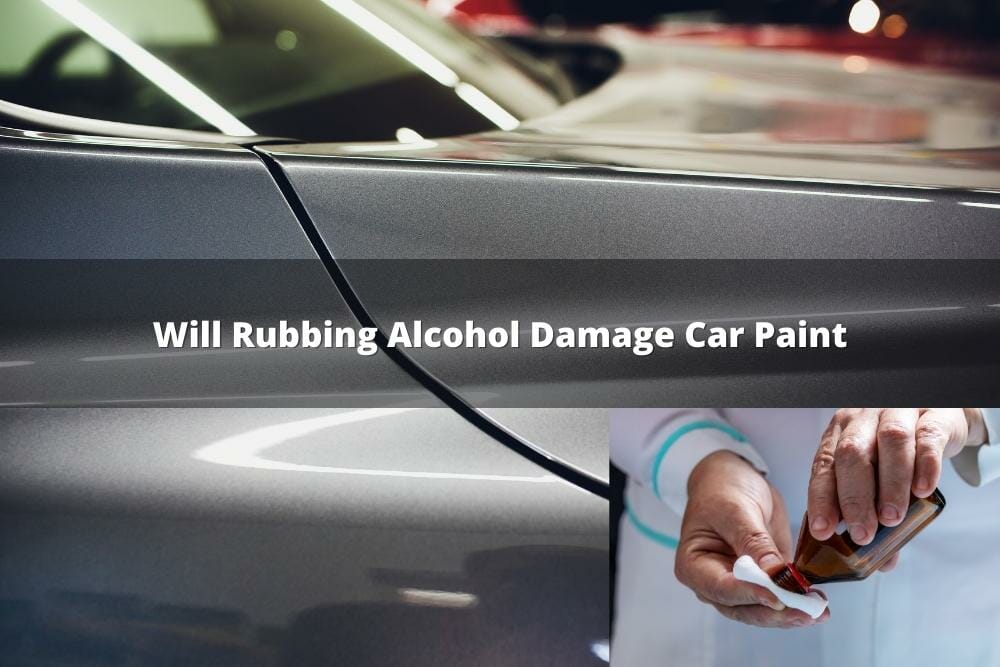
Source: superceramiccoating.com
70% IPA
A conservative DIY mixture can be made by diluting it with distilled water rather than applying the household product heavily or repeatedly.
91% IPA
It has less water than 70% IPA, so it should be diluted carefully when a lower working concentration is desired.
99% IPA
It is highly concentrated and gives you more control when making a specific diluted solution, but it should not be assumed to be safer simply because it evaporates quickly.
Dedicated panel wipe
A purpose-made automotive panel-prep product can be easier to use because its formulation and intended application are designed for automotive surfaces.
Why Distilled Water Is Useful
Distilled water reduces the chance of mineral deposits being left behind during evaporation. Ordinary tap water can contain dissolved minerals that become visible on a dark finish when water dries.
Use a clean bottle clearly labeled with the concentration and date if you mix your own solution. Never store a diluted chemical in an unlabeled bottle that could be mistaken for another cleaner.
Measure the ingredients
Use a measuring container rather than estimating large batches by eye.
Label the bottle
Record the IPA concentration so you know exactly what is being applied later.
How to Use Isopropyl Alcohol on Car Paint
The safest method is controlled and localized. Do not start by soaking an entire vehicle. Wash the car first, choose a cool shaded location, test a small inconspicuous area, and work one section at a time.
The goal is to clean the surface without allowing the solvent to sit on the paint. Use clean microfiber towels and change to a fresh towel when the first one becomes dirty. A contaminated towel can spread the material you are trying to remove and may introduce scratches.
Source: drivenwheels.com
1. Wash the vehicle
Remove loose dirt and grit with proper car-wash methods before using IPA. Alcohol is not a substitute for washing.
2. Let the panel cool
Move the vehicle into shade and wait until the paint is cool to the touch.
3. Test a hidden spot
Apply a small amount to an inconspicuous area and check for discoloration, hazing, streaking, or other changes.
4. Apply sparingly
Spray the diluted solution onto a clean microfiber towel instead of flooding the vehicle panel.
5. Wipe gently
Use light pressure and short passes to remove the contamination.
6. Dry the area
Use a second clean microfiber towel to remove remaining moisture before the solution can dry unevenly.
7. Inspect the finish
Check the panel from several angles under good lighting before moving to the next section.
How Do You Know the Surface Is Clean?
A clean surface should look uniform and free of obvious oily streaks or residue. It may feel less slick than a waxed or coated panel because some surface protection may have been removed.
Do not use the loss of slickness as proof that the clear coat has been damaged. Surface feel changes can simply mean that oils or protection have been removed. Visual inspection and the manufacturer’s preparation instructions are more useful indicators.
Look for an even finish
The paint should not show new cloudy patches, streaks, or unusual discoloration.
Use fresh lighting
Inspect dark paint from multiple angles because residue and haze can be difficult to see under flat lighting.
When Should You Avoid Isopropyl Alcohol on Car Paint?
Avoid casual IPA use when the surface condition or material is uncertain. A factory clear coat on an older vehicle is not automatically equivalent to fresh body-shop paint, a vinyl wrap, paint protection film, or a specialized ceramic coating.
Freshly painted panels deserve particular caution. Automotive refinishing shops may specify a curing period before certain cleaners, solvents, waxes, or sealants are used. Follow the body shop’s instructions rather than applying a general detailing rule.
Also avoid working in direct heat. On a hot hood, roof, or trunk lid, a solvent can evaporate rapidly and leave uneven results. Shade and a cool surface make controlled application much easier.
Source: enginediary.com
Freshly repainted panels
Ask the repair shop about curing time and approved cleaning products before using IPA.
Paint protection film
PPF has its own film and adhesive system, so use the film manufacturer’s approved cleaning products and dilution instructions.
Vinyl wraps
Wrapped surfaces can respond differently from factory clear coat. Follow the wrap manufacturer’s care instructions.
Specialty coatings
Some ceramic or paint-protection products have specific maintenance requirements that can differ from untreated clear coat.
Damaged paint
Peeling, heavily oxidized, cracked, or otherwise compromised surfaces should not be treated like healthy factory paint.
What About Rubber and Plastic Trim?
Painted panels are not the only surfaces around a car. Exterior rubber seals, some plastics, vinyl, and other trim materials may be more sensitive to solvents than a modern clear coat.
Keep IPA away from these materials when possible. If accidental contact occurs, wipe it off promptly and follow the material manufacturer’s cleaning instructions.
Avoid soaking trim
Do not spray IPA broadly across windows, seals, plastic trim, and painted surfaces at the same time.
Use the right cleaner
A dedicated automotive trim or glass cleaner is often a better choice for surfaces that do not need solvent-based paint preparation.
Common Mistakes When Using IPA on a Car
Most avoidable problems come from using too much product, working on a hot surface, choosing an unsuitable rubbing alcohol, or assuming stronger means better. IPA is meant to solve a specific cleaning problem, not replace normal car-care products.
Another common mistake is using one towel for the entire job. Once a microfiber towel becomes loaded with residue, continued wiping can redistribute contamination. Several clean towels are more useful than trying to stretch one towel across the whole vehicle.
Source: storage.googleapis.com
Using concentrated alcohol unnecessarily
A stronger solvent is not automatically a better paint cleaner. Use the lowest concentration that accomplishes the intended task.
Applying it to hot paint
Heat can make evaporation too rapid and make the wiping process harder to control.
Letting it dry on the panel
Work in small sections and wipe the solution away rather than allowing it to pool and evaporate.
Using a dirty towel
A contaminated microfiber can drag residue and grit across the finish.
Expecting IPA to remove everything
Tar, heavy adhesive, mineral deposits, and other contaminants may need specialized automotive cleaners or mechanical decontamination.
Using it as a routine wash
IPA is a targeted solvent and surface-preparation tool, not a replacement for car shampoo and normal maintenance washing.
What Should You Do If You Already Used Strong IPA?
Do not panic. If you wiped a small area with 70% or 91% rubbing alcohol once, the first step is to stop applying more and inspect the finish. Wash the area with a normal automotive shampoo and clean water, then dry it gently.
If the paint looks normal afterward, the main issue may simply be that some wax or sealant was removed. If you see persistent haze, discoloration, or a clear change in the finish, avoid further chemical experimentation and have the panel evaluated by a qualified automotive detailer or body-shop professional.
Stop repeated wiping
More solvent and more rubbing will not necessarily fix a problem and may make the situation worse.
Wash normally
A gentle automotive wash can remove remaining solvent and loosened residue from the surface.
Inspect before correcting
Do not immediately polish or compound the panel unless you know what caused the visible change.
Is IPA Better Than Regular Car Cleaning Products?
Not for every cleaning job. Car shampoo is designed to remove normal road dirt while reducing the risk of scratching during washing. A dedicated automotive degreaser may be more suitable for heavy oily contamination, while an adhesive remover can be more appropriate for stubborn sticker residue.
IPA has a narrower but useful role: it can provide a relatively clean, low-residue surface when you specifically need to remove oils or preparation residues. That makes it useful before certain paint-protection applications, but unnecessary for ordinary weekly washing.
Choosing the right product also protects the finish. If a gentle automotive cleaner can solve the problem, there is usually little reason to reach for a stronger solvent.
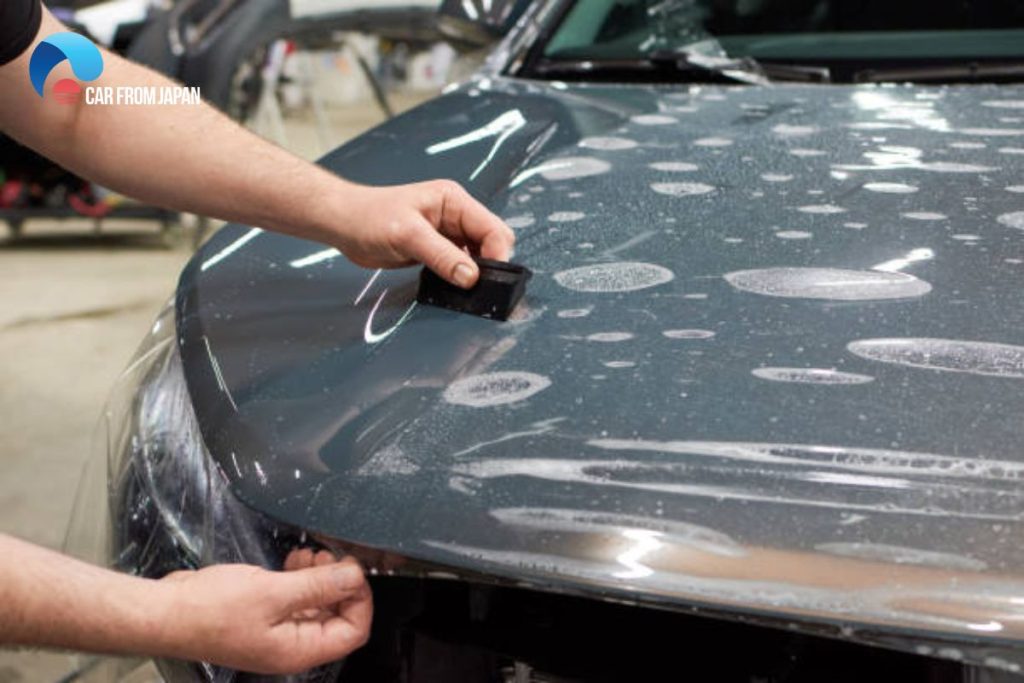
Source: carfromjapan.com
For normal dirt
Use automotive car shampoo and appropriate wash tools.
For oily polishing residue
A suitable IPA panel wipe can be useful when the product manufacturer permits it.
For heavy adhesive
A dedicated automotive adhesive remover may be more effective and easier to control.
For tar and road film
Use a product specifically formulated for automotive tar and contamination rather than repeatedly increasing IPA concentration.
Is IPA Necessary Before Wax or Ceramic Coating?
It can be useful, but it is not automatically required for every product. The protection manufacturer’s preparation instructions should determine whether an IPA wipe is appropriate and what concentration to use.
For a ceramic coating or sealant, the main objective is a clean surface free from oils and residues that could interfere with bonding. Some manufacturers supply or recommend their own panel-preparation products, and those instructions should take priority over a generic IPA recipe.
Follow the coating instructions
Use the preparation product and dilution specified for the particular coating whenever those instructions are available.
Do not over-clean
More solvent is not automatically better. The goal is sufficient surface preparation with controlled exposure.
Safe Handling Tips for Isopropyl Alcohol
Isopropyl alcohol is flammable, so paint preparation should be done with good ventilation and away from flames, sparks, cigarettes, hot exhaust components, and other ignition sources. Keep the container closed when it is not being used.
Avoid breathing concentrated vapors for prolonged periods and prevent eye contact. Wear suitable gloves when the product label recommends them, and follow the safety information on the exact bottle you are using.
Store IPA in its original or properly labeled compatible container and keep it away from children and pets. Never mix it with unknown household chemicals. If a product’s safety data sheet gives more restrictive instructions, follow those instructions.
Source: paintingsdoctors.com
Work with ventilation
Use IPA outdoors or in a well-ventilated area where vapors can disperse safely.
Keep ignition sources away
IPA is flammable, so keep it away from open flames, sparks, and other ignition sources.
Protect your eyes and skin
Use appropriate personal protective equipment according to the product label and safety data sheet.
Keep the bottle labeled
Clearly identify any diluted mixture so nobody mistakes it for water or another automotive chemical.
When Should You Call a Professional?
Professional help makes sense when paint has reacted visibly, a newly repaired panel is involved, or you are unsure whether the surface is factory paint, PPF, vinyl, or another material. A professional detailer or body-shop technician can identify the finish and choose a compatible correction method.
If the paint is peeling, cracking, bubbling, or showing clear-coat failure, do not try to solve the underlying problem with stronger solvents. Those conditions usually require proper refinishing or professional paint correction rather than more cleaning.
Persistent haze
Get the panel assessed if normal washing does not restore its appearance.
Fresh body-shop work
Ask the repair facility about approved cleaners and curing requirements.
Unknown surface material
Identify PPF, vinyl, ceramic coatings, or specialty finishes before applying IPA.
Frequently Asked Questions
Q
Can I use 70% isopropyl alcohol on car paint?
It can be used cautiously on fully cured factory paint, but applying 70% IPA directly is more aggressive than necessary for many DIY cleaning jobs. A diluted solution is a more conservative approach.
Q
Will rubbing alcohol remove car wax?
It can reduce or remove some wax and sealant protection because IPA dissolves certain oily and wax-like residues. If you want to preserve existing protection, use a cleaner designed to be wax-safe.
Q
Can isopropyl alcohol remove adhesive from a car?
IPA can help with some light adhesive residue, but stubborn adhesive may require a dedicated automotive adhesive remover. Always test a hidden area before treating visible paint.
Q
Can I use IPA on freshly painted car parts?
Do not assume fresh paint is ready for IPA. Follow the body shop’s curing instructions because newly refinished paint can be more sensitive than a fully cured factory finish.
Q
Should I spray isopropyl alcohol directly on my car?
For a small DIY paint-prep job, applying a controlled amount to a clean microfiber towel is easier to manage than flooding the panel. Wipe a small area and remove the solution promptly.
Q
Is isopropyl alcohol safe for ceramic-coated paint?
Do not assume every ceramic coating reacts the same way. Check the coating manufacturer’s maintenance instructions before using IPA because the coating may have specific cleaning requirements.
✦ Wrapping Up
Conclusion
Isopropyl alcohol can be useful on car paint when the job calls for a clean, residue-free surface, but it should be treated as a solvent rather than an everyday car cleaner. The safest approach is controlled use on fully cured paint, a conservative dilution, a cool panel, clean microfiber towels, and very short contact time.
The condition of the finish matters just as much as the alcohol concentration. Fresh paint, PPF, vinyl wraps, specialty coatings, rubber, and plastic trim may have different requirements. When manufacturer instructions are available, they should take priority over a general IPA recipe.
For ordinary vehicle washing, stick with automotive car shampoo. Reach for IPA only when its solvent action solves a specific problem, and always test first. That simple habit can prevent an unnecessary paint-care mistake.
💡 Key Takeaway
For a cautious DIY approach, clean and cool the panel first, test a small hidden area, use a suitably diluted IPA solution on a clean microfiber towel, wipe a small section, and dry it immediately. Stop if the finish changes and follow the vehicle or product manufacturer’s instructions.
1 thought on “Isopropyl Alcohol on Car Paint: Is It Safe and How to Use It”



1 thought on “Isopropyl Alcohol on Car Paint: Is It Safe and How to Use It”