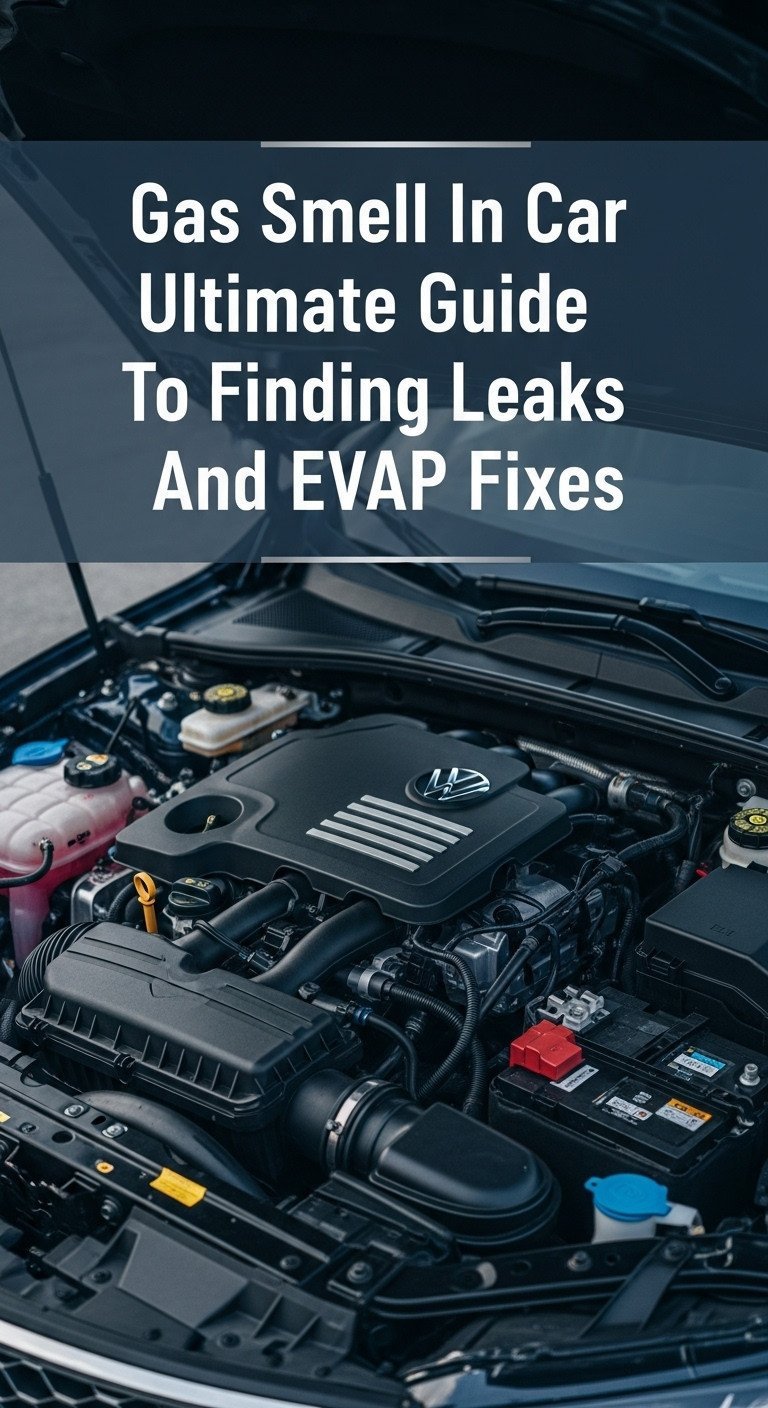
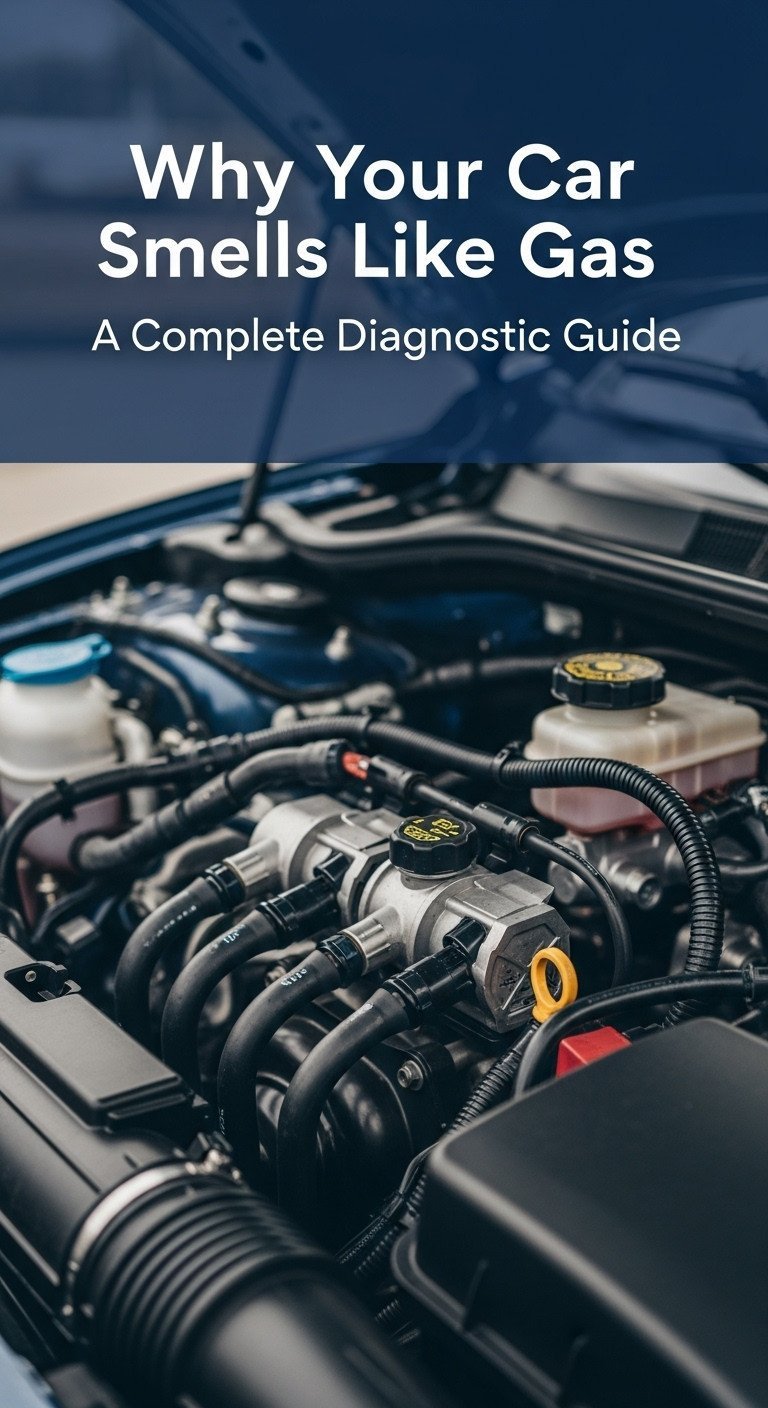
A propane-like smell in your car may come from leaking fuel, gasoline vapors, an exhaust fault, or an actual LPG system leak. Treat a strong or persistent fuel odor as a safety risk, leave the vehicle, and arrange professional inspection.
Across the United States, drivers may notice a gas-like smell while starting a car in a cold driveway, filling up at a gas station, sitting in highway traffic, or parking inside a garage. The odor may resemble propane, but smell alone cannot tell you which substance is present. Gasoline vapor, liquefied petroleum gas (LPG), exhaust fumes, and other chemical odors can overlap.
The first step is to decide whether the odor creates an immediate hazard. If the smell is strong, keeps returning, enters the passenger cabin, or comes with hissing, visible fuel, smoke, or dizziness, stop driving as soon as you can do so safely. Turn off the engine, get everyone away from the vehicle, avoid flames and electrical switches near a suspected leak, and call emergency services if a major leak or immediate danger is suspected.
Once the area is safe, a qualified mechanic can trace the odor to its source. A gasoline-powered vehicle and a vehicle equipped with a factory or aftermarket propane system need different diagnostic checks. This guide explains how to tell the situations apart, which clues matter, and when not to restart the car.
A propane-like odor means that an unusual smell is present, not that propane is definitely leaking. Propane used as fuel is naturally odorless, so suppliers add an odorant, commonly a sulfur-containing compound, to help people notice a leak. Gasoline also has a strong, distinctive vapor smell, and other vehicle fluids or exhaust products may cause confusing odors.
Most standard gasoline and diesel cars do not have a propane fuel system. However, some vehicles use LPG, also called autogas in certain markets, or have an aftermarket conversion system. The correct diagnosis depends on the vehicle’s actual fuel type and the conditions in which the smell appears.
Odor descriptions are subjective. One driver may call a gasoline smell sharp or sweet, while another may describe it as propane, sulfur, or solvent. Do not rely on your nose to identify the chemical or estimate how much fuel has escaped.
Source: carxplorer.com
Gasoline vapor
A raw fuel smell may point to spilled gasoline, a leaking fuel line, a damaged seal, or a fault in the system that stores fuel vapors.
Actual propane or LPG
If the vehicle has a propane tank or an LPG conversion, a leak from the tank, valve, line, regulator, or injector system must be considered.
Exhaust or other chemical odors
Exhaust leaks, overheated materials, and some vehicle fluids can create unusual smells that drivers may confuse with fuel.
Does Your Vehicle Actually Use Propane?
Check the vehicle’s documentation only after it is safe to do so. A factory LPG vehicle or a converted vehicle may have a dedicated fuel tank, special filling connection, pressure regulator, and separate fuel lines. If you know the vehicle runs on gasoline alone, an actual propane-system leak is less likely, but a gasoline leak remains possible.
If you are unsure whether the car has an aftermarket conversion, do not crawl underneath it or open engine components to investigate. Ask a repair shop to confirm the fuel system from the vehicle identification details and equipment records.
Gasoline-only vehicle
Start the professional diagnosis with the gasoline delivery and vapor-control systems, along with possible exhaust leaks.
Propane or LPG vehicle
Tell the technician that the odor may involve pressurized gaseous fuel. Do not switch fuels or restart the engine to test the system.
What to Do First When Your Car Smells Like Propane
Safety comes before diagnosis. A suspected fuel leak can create a fire hazard, and propane can collect in low areas because it is heavier than air. Gasoline vapor can also ignite, while exhaust fumes can pose a serious health risk. Do not keep driving simply because the engine still runs normally.
If you are moving in traffic, focus on reaching a safe stopping place without making sudden or dangerous maneuvers. Once stopped, switch off the engine if you can do so safely, get passengers out, and move away from the vehicle and any suspected vapor cloud. Do not smoke, use a lighter, or operate equipment near the suspected leak.
If the odor is strong, there is a hiss, visible liquid, smoke, or a suspected LPG release, do not restart the car or attempt a road test. Contact emergency services when there is an immediate threat, and tell responders if the vehicle uses propane or LPG. Otherwise, arrange recovery by a suitable roadside service and inspection by a qualified repair facility.
Source: www.youtube.com
Stop and move away
Park only when safe, shut the engine off, get everyone out, and move to a safe distance away from the vehicle.
Avoid ignition sources
Do not smoke, use open flames, or try to find a leak with a lighter. Avoid unnecessary electrical operation near a suspected gas release.
Do not restart to check
A restart can introduce ignition sources or worsen a fuel leak. Have the vehicle assessed before operating it again.
Get suitable help
Tell the roadside provider or emergency responder what you smell, whether the vehicle uses LPG, and whether you noticed hissing, smoke, or visible fluid.
When Is the Situation an Emergency?
Treat a strong, sudden, or persistent fuel odor as urgent, especially if it is inside a garage or enclosed parking area. A suspected pressurized LPG leak, hissing sound, visible fuel leak, or fuel odor combined with smoke calls for immediate caution. Leave the area and contact emergency services if a dangerous release is suspected.
Headache, dizziness, nausea, confusion, or unusual weakness can indicate harmful exposure or another medical problem. Move to fresh air without re-entering the vehicle or garage, and seek emergency medical help for severe or ongoing symptoms.
Strong odor in an enclosed space
Leave the space and keep others away. Do not start the engine or operate switches near the suspected leak.
Hissing or visible fuel
Do not touch the suspected source or attempt a repair. Contact emergency responders when the release may be dangerous.
Common Reasons a Gasoline Car Smells Like Propane
In a gasoline-powered car, the leading diagnostic areas are the fuel delivery system, the evaporative emissions system, and the exhaust system. The timing and location of the odor can help a mechanic narrow the cause, but none of these clues proves a particular fault on its own.
A fuel odor near the rear of the vehicle may point toward the fuel filler, tank, pump seal, or vapor lines. An odor near the engine may suggest an injector seal, fuel rail connection, supply line, or another under-hood fault. If the smell enters through the vents, exhaust leakage or vapor drawn into the fresh-air intake may also need investigation.
Do not inspect a suspected leak by touching wet parts, loosening fittings, or placing your face near the engine bay. Fuel systems may remain pressurized after the engine is off, and some components are difficult to see without lifting equipment or protective procedures.
Source: carxplorer.com
Leaking fuel line or connection
A damaged line, loose connection, corroded part, or failed seal can allow fuel to escape. Any suspected active leak requires the engine to remain off.
Fuel injector or injector seal
A failed seal or leaking injector may cause a raw gasoline odor near the engine, sometimes with rough running or poor starting.
Fuel tank or pump seal
A damaged tank, pump seal, or connection can allow fuel or vapor to escape near the rear seats or cargo area.
Fuel filler cap or filler neck
A loose or damaged cap, cracked filler neck, or failed seal may let gasoline vapor escape after refueling.
Evaporative emissions system fault
A damaged vapor hose, faulty purge valve, vent fault, or charcoal canister problem may release fuel vapor or trigger an emissions warning.
Exhaust leak or engine running problem
An exhaust leak or incomplete combustion may cause unusual fumes that resemble a fuel odor. Exhaust exposure is dangerous even when the smell is not strong.
Why the Smell May Appear After Refueling
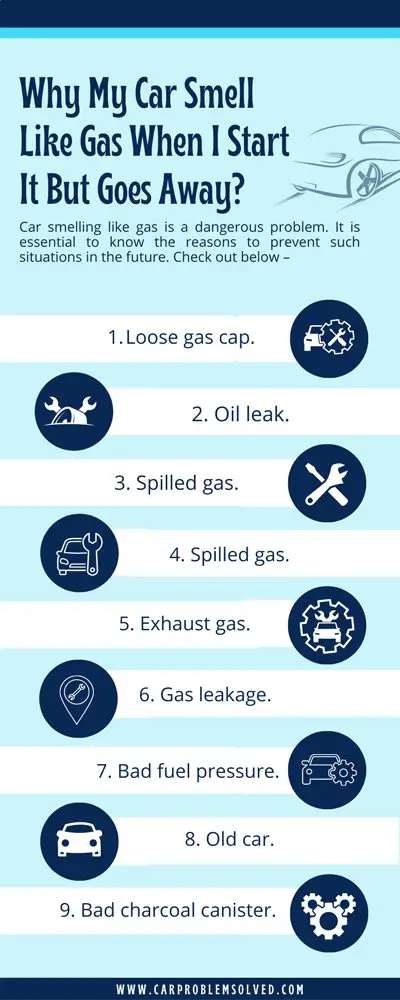
If the odor starts immediately after filling the tank, consider spilled gasoline, a loose or damaged fuel cap, a faulty filler neck, or a problem in the vapor recovery system. A small spill on the vehicle’s exterior may cause a temporary smell, but a persistent odor should not be dismissed as a normal part of refueling.
Avoid topping off the tank after the pump nozzle shuts off. Overfilling can send liquid fuel into parts of the vapor-control system that are designed to handle fuel vapor, potentially causing damage or drivability problems. If the smell is strong or continues after refueling, leave the vehicle off and arrange an inspection.
Odor fades quickly after a minor spill
A brief external spill may explain a temporary smell, but only if there are no signs of leakage and the odor fully clears. Do not assume this is the cause when the source is uncertain.
Odor remains or returns
Persistent or recurring odor needs diagnosis for a leak or vapor-control fault. Do not keep driving to see whether it goes away.
Why the Smell May Appear at Startup
A fuel-like smell at startup can occur if fuel vapor escapes from a component, an injector leaks, or an engine runs with an incorrect fuel mixture. A brief odor outside some vehicles under certain cold-start conditions does not establish a fault, but a strong cabin odor or repeated raw-fuel smell is not something to ignore.
If the engine cranks for a long time, runs roughly, stalls, or shows a warning light along with the odor, tell the repair shop about all of these symptoms. Do not repeatedly start the engine to reproduce the smell.
Rough idle or hard starting
The technician may check fuel pressure, injector sealing, mixture control, and related engine-management data.
Odor with no warning light
A leak can exist without triggering a dashboard warning, so the absence of a light does not establish that the car is safe.
Causes Specific to Propane and LPG Vehicles
If your vehicle has a propane or LPG fuel system, a suspected leak deserves special care because the fuel is stored under pressure. The system may include a tank, shutoff valves, filling connections, fuel lines, a pressure regulator, filters, and injectors. A leak from any of these parts can release flammable fuel.
A technician trained in the exact LPG system should inspect the equipment using approved procedures and suitable leak-detection tools. Do not loosen a fitting, tighten a valve by guesswork, apply household products, or attempt to vent the tank. Do not switch to gasoline as a workaround unless a qualified professional has confirmed that doing so is safe.
A propane odor may be more noticeable near the rear of a vehicle where the tank or filling connection is located, but airflow can carry vapor elsewhere. Odor location alone cannot identify the failed part, and a smell that fades does not prove that a leak has stopped.
Source: carproblemsolved.com
Tank valve or filling connection
A faulty seal, damaged valve, or filling connection can allow fuel to escape. Leave the system untouched and request a qualified inspection.
Fuel line or connector
Wear, corrosion, impact damage, or a failed connector may cause a leak along the fuel route.
Pressure regulator
A regulator fault can affect fuel delivery and may be associated with an odor or engine-performance problem.
Injector or shutoff valve
A fault in a valve or injection component may permit fuel to pass when it should not or may disrupt normal engine operation.
Can Propane Odor Remain After the Engine Is Off?
Yes. Vapor may remain around the vehicle after a release, and the odor can linger in an enclosed or poorly ventilated space. Turning off the engine does not guarantee that the fuel system is no longer leaking or that the surrounding area is safe.
Do not restart the vehicle to check whether the smell returns. Move away from the area and contact qualified help if you suspect an LPG release. If the vehicle is in a garage, do not stay inside to ventilate it manually when a leak may be present.
Odor remains after shutdown
Keep away from the suspected source and arrange an appropriate inspection before the next start.
Odor appears only on one fuel mode
Report the exact operating mode to the technician, but do not switch modes yourself to reproduce the fault.
Use the Symptoms to Narrow Down the Cause
The most useful diagnostic clue is when the odor occurs, where it is noticed, and what other symptoms appear at the same time. These details help a technician choose the right inspection path without guessing at a failed part.
Use the table below to record what you observed. It is a guide to possible causes, not a method for confirming a leak or deciding that the vehicle is safe to drive. If the odor is strong, persistent, or linked to a suspected fuel leak, safety steps take priority over collecting more clues.
Source: carxplorer.com
Record the timing
Note whether the smell began after refueling, at startup, while idling, during driving, or after parking.
Record the location
If you noticed the smell without approaching the vehicle, note whether it was inside the cabin, near the front, or near the rear.
Record other symptoms
Mention warning lights, rough running, hard starting, unusual exhaust, visible fluid, or a hissing sound.
Symptom and Possible Cause Table
The same odor can have different causes in different vehicles. Treat the patterns below as diagnostic leads for a professional, not as proof of a particular failure.
After refueling
Possible spill, loose or damaged fuel cap, filler-neck leak, or evaporative emissions fault.
Near the engine
Possible fuel line, injector seal, fuel rail, or exhaust problem.
Near the rear of the vehicle
Possible tank, pump seal, filler connection, vapor line, or LPG tank component.
Inside the cabin or through the vents
Possible vapor entering through an opening, exhaust leakage, or a fuel-related fault. Stop driving if the odor is strong or persistent.
With rough running or hard starting
Possible injector, fuel-pressure, mixture-control, or engine-management issue.
With hissing on an LPG vehicle
Possible pressurized gas release. Move away and seek appropriate emergency or professional assistance.
How a Mechanic Diagnoses a Propane-Like Car Odor
A proper diagnosis starts by confirming the vehicle’s fuel type and the conditions in which the smell occurs. The mechanic can then inspect the relevant fuel, vapor-control, and exhaust systems while following the manufacturer’s safety procedures.
The diagnostic method depends on the suspected source. A gasoline evaporative emissions fault may call for a scan tool and an approved smoke test, while a suspected LPG leak requires equipment and procedures designed for that fuel system. A smoke test must never be improvised with a flame or unapproved source of pressure.
The goal is to identify the source, confirm the failed component, repair it correctly, and verify that the odor and fault are resolved. Replacing parts based only on smell can waste money and leave the actual hazard in place.
Source: carxplorer.com
Visual inspection
The technician checks accessible lines, connectors, seals, the tank area, and signs of damage or leakage using appropriate precautions.
Electronic diagnosis
A scan tool may reveal stored diagnostic trouble codes, fuel-trim data, or evaporative emissions faults where the vehicle supports these checks.
Fuel-system testing
The technician may perform approved pressure, sealing, or leak tests suitable for the vehicle’s fuel type.
Exhaust inspection
The shop checks for leaks, damaged exhaust parts, and conditions that could allow fumes to enter the cabin.
Repair verification
The shop confirms that the repair meets the manufacturer’s requirements and that the original symptom no longer occurs under appropriate test conditions.
What Information Should You Give the Repair Shop?
A short, accurate description helps the shop plan the right checks. Tell the technician when the odor began, whether it followed refueling or a recent repair, and whether the vehicle uses gasoline, diesel, LPG, or more than one fuel.
Mention any warning lights, rough running, hissing, visible leaks, or symptoms experienced by passengers. If the vehicle has a known propane system, state that clearly when arranging recovery so the service provider can use suitable handling procedures.
Vehicle details
Provide the make, model, model year, engine type, and whether an LPG conversion is installed.
Symptom history
Describe the odor’s timing, location, duration, and any changes in engine performance.
Recent work
Report recent refueling, fuel-system service, collision damage, or repairs that occurred before the smell started.
Can You Fix the Problem Yourself?
You can safely document symptoms and review vehicle records, but you should not attempt to repair a suspected active fuel leak. Modern gasoline systems may operate under high pressure, and LPG systems store fuel under pressure even when the engine is off.
A few simple mistakes can turn a minor fault into a major hazard. Do not disconnect fuel lines, remove injectors, open an LPG valve, tighten pressurized fittings, or crawl under a vehicle to find a leak. Do not use a household vacuum, fan, or electrical tool near a suspected release.
If the odor is faint and has fully disappeared after a clearly identified minor exterior spill, you may still need to confirm that no fuel remains and that there is no ongoing leak. If the source is uncertain, the smell returns, or it entered the cabin, choose professional diagnosis rather than repeated trial and error.
Source: carxplorer.com
Safe owner tasks
Write down symptoms, identify the vehicle’s fuel type from its records, and share any diagnostic codes already available without restarting a vehicle that may be leaking.
Tasks for a qualified technician
Fuel-pressure tests, injector work, vapor-system smoke tests, LPG leak checks, and fuel-line repairs require the proper tools, procedures, and training.
When to use a tow service
Arrange recovery if there is a strong or persistent fuel odor, suspected active leakage, a cabin odor that continues, or any concern about a propane system.
Why a Dashboard Code Is Not Enough
An emissions code may point toward a vapor-control problem, but it does not automatically identify the leaking part. A code-free vehicle can still have a dangerous mechanical fuel leak, since not every leak is detected by the engine computer.
Likewise, clearing a warning light does not repair a damaged hose, seal, valve, or tank. Diagnosis should confirm the physical cause and verify the repair instead of relying on the dashboard alone.
Do not erase codes before recording them
If diagnostic information is already available, preserve the codes and relevant details for the repair shop rather than clearing them without diagnosis.
Do not use odor alone to order parts
Several faults can produce similar smells. Testing is needed to distinguish them.
Common Mistakes That Can Make the Situation Worse
The biggest mistake is treating the smell as a minor nuisance because the car still starts and drives. Fuel leaks may not affect performance at first, and a vapor leak may be difficult to see. Normal engine operation does not establish that the vehicle is safe.
Another mistake is assuming that an odor that disappears must have been harmless. Airflow, temperature, and the amount of vapor released can change how strongly a smell is noticed. A fault may still be present even when the odor fades.
Avoid using online instructions to bypass a fuel-system warning, disable an emissions component, or improvise a leak test. Such actions can hide the symptom, create additional faults, or expose you to flammable vapor and harmful fumes.
Source: carxplorer.com
Continuing to drive with a strong odor
This can expose occupants to harmful fumes and may increase the risk of fire if fuel is leaking.
Looking for a leak with a flame
Never use a lighter, match, or other flame to locate gasoline or propane. Vapors can ignite suddenly.
Assuming the fuel cap is always the cause
A cap is one possible cause, but a damaged filler neck, line, injector, tank seal, or vapor-control component may create similar symptoms.
Ignoring exhaust odors
Exhaust fumes can enter the cabin and may contain carbon monoxide, which has no reliable warning smell.
Restarting to reproduce the problem
Repeated starts or road tests can expose the vehicle to ignition sources while a leak may still be present.
Does a Propane-Like Smell Mean Carbon Monoxide?
No. Carbon monoxide is colorless and odorless, so you cannot identify it by smelling the air. A fuel odor and carbon monoxide exposure are different concerns, but an exhaust leak can create both a noticeable exhaust smell and a risk of carbon monoxide entering the cabin.
If anyone develops a headache, dizziness, nausea, confusion, or weakness in or near a running vehicle, move to fresh air and seek medical assistance when needed. Do not use the absence of an odor to rule out carbon monoxide.
Fuel odor
May indicate escaping gasoline vapor, LPG, or another source that needs investigation.
Possible exhaust exposure
Requires prompt attention because harmful exhaust gases may enter the passenger area even when no fuel leak is present.
Repair Costs and What Affects the Final Bill
The cost depends on the failed component, the vehicle design, labor rates, and whether the car uses gasoline or LPG. A simple vapor-system repair may cost far less than replacing a fuel tank, repairing damaged fuel lines, or correcting a complex pressurized LPG system fault.
A diagnostic fee may apply before the shop can quote the repair. The technician may need to remove covers or other components to access a leak, and corrosion or prior modifications can increase labor. No reliable price can be given from the odor alone.
Ask for the confirmed fault, the test results supporting the diagnosis, the parts and labor included in the estimate, and any safety checks required after repair. If the shop finds more than one issue, ask which repair addresses the immediate hazard and whether the vehicle must remain out of service.
Source: carxplorer.com
Component and access
The location of the fault and the effort needed to reach it can strongly affect labor time.
Fuel system type
An LPG system may require a technician with specific training, approved tools, and suitable testing equipment.
Additional damage
Corrosion, collision damage, damaged wiring, or previous repairs may add work beyond the original leak.
Verification after repair
The final work should include appropriate leak checks and confirmation that the identified problem has been corrected.
Questions to Ask Before Approving the Repair
A useful estimate explains more than the name of a replacement part. Ask the shop to identify the failed component, explain how it was tested, and state whether the car is safe to operate before the repair.
For an LPG vehicle, confirm that the shop is equipped and qualified to service the installed system. A general gasoline repair shop may not have the right procedures or equipment for every converted vehicle.
What confirmed the fault?
Ask whether the diagnosis came from a visual finding, an approved leak test, scan data, or another suitable procedure.
Is the vehicle safe to drive?
Ask directly whether it needs to remain parked or be transported by tow truck.
How will the repair be verified?
Request an explanation of the leak checks or other tests used to confirm the repair.
A Practical Diagnostic Plan for the Next Step
The best next step is based on the level of risk, not on how familiar the odor seems. First decide whether there may be an active fuel release, then identify the vehicle’s fuel system and arrange the correct kind of inspection.
Do not carry out a test drive to determine whether the odor returns. A qualified technician can recreate appropriate operating conditions in a controlled setting after checking that doing so is safe. Until then, leave a vehicle with a suspected fuel leak out of service.
Source: carproblemsolved.com
Step 1: Check for immediate danger from a safe position
A strong odor, hissing, visible fuel, smoke, or symptoms in occupants means you should leave the area and seek appropriate help.
Step 2: Confirm the fuel type
Determine whether the car uses gasoline, diesel, LPG, or a dual-fuel system from available vehicle records.
Step 3: Record the circumstances
Note when the smell began, where it was noticed, and any warning lights or engine symptoms.
Step 4: Arrange safe transport if needed
Tell the recovery provider about the suspected fuel leak and any propane equipment before arranging movement.
Step 5: Request a targeted inspection
Ask for checks of the relevant fuel delivery, vapor-control, and exhaust systems, followed by verification of the repair.
How to Know the Problem Has Been Resolved
The smell disappearing is encouraging, but it is not enough on its own to prove that the vehicle is safe. The repair shop should confirm that the failed part has been repaired or replaced correctly and that the appropriate leak or system tests pass.
After the vehicle is released, follow the shop’s instructions and return promptly if the odor comes back. Do not ignore a recurring smell because the first repair appeared to help.
Confirmed repair
The shop identifies the original fault and explains the work performed.
Suitable verification
The relevant fuel-system or emissions checks show that the repaired fault is no longer present.
No recurring warning signs
The original odor and associated symptoms remain absent under the operating conditions approved by the technician.
Frequently Asked Questions
Q
Why does my car smell like propane when it runs on gasoline?
The smell may come from gasoline vapor escaping through a fuel line, injector seal, filler connection, or evaporative emissions component. An exhaust leak or engine running problem may also produce an unusual odor. Since smell alone cannot identify the substance, stop driving if the odor is strong or persistent and arrange a professional inspection.
Q
Can a bad gas cap make my car smell like propane?
Yes. A loose, damaged, or poorly sealing fuel cap can allow gasoline vapor to escape, especially after refueling. A cracked filler neck or another vapor-control fault can create similar symptoms. A strong or continuing odor should not be blamed on the cap without checking for other possible leaks.
Q
Is it safe to drive if the smell goes away?
Not necessarily. Odor strength can change with airflow and temperature, and a leak may remain even when the smell fades. If the odor was strong, persistent, present inside the cabin, or associated with a suspected LPG release, do not restart or drive the car until it has been assessed by a qualified professional.
Q
Why does my car smell like propane inside the cabin?
Possible causes include gasoline vapor entering through openings, an actual LPG leak in a vehicle equipped with that system, or exhaust fumes entering through a leak or ventilation path. Because the cabin odor can signal a serious hazard, stop safely, shut off the vehicle, move away, and arrange suitable help if the smell is strong or persistent.
Q
Can an EVAP leak cause a propane-like smell?
Yes. The evaporative emissions system stores and routes gasoline vapors instead of allowing them to escape freely into the air. A damaged hose, faulty valve, loose connection, or canister problem may release fuel vapor. An EVAP fault is only one possible explanation, and an active liquid-fuel leak must also be considered when the odor is strong.
Q
What if my propane-powered car smells like gas after I turn it off?
A lingering odor may mean that fuel vapor remains around the vehicle or that a leak is continuing after shutdown. Do not restart the engine, switch fuel modes, or attempt to tighten fittings. Move away from the vehicle and contact emergency services if a dangerous release is suspected, or arrange a qualified LPG-system inspection before using the car again.
Q
Will a check engine light always appear when fuel is leaking?
No. Some emissions faults can trigger a warning light, but not every mechanical fuel leak is detected by the vehicle’s computer. A car can have a serious fuel odor without a dashboard warning. Treat the odor and any physical signs seriously even when all warning lights are off.
✦ Wrapping Up
Conclusion
A car that smells like propane may have a gasoline vapor leak, an LPG system problem, an exhaust fault, or another source of chemical odor. The correct diagnosis depends on the vehicle’s fuel type, the timing of the smell, and the symptoms that occur with it. No single smell description can identify the failed part with certainty.
Safety should guide every decision. A strong or persistent fuel odor, hissing sound, visible leak, or smell inside the cabin is a reason to stop safely, turn the engine off, move away, and seek qualified help. Do not use a flame, disconnect fuel components, or restart the vehicle just to see whether the smell returns.
💡 Key Takeaway
If your car smells like propane now, prioritize safety over troubleshooting. Move away if a leak may be present, call emergency services when there is immediate danger, and arrange a suitable professional inspection before restarting the vehicle.